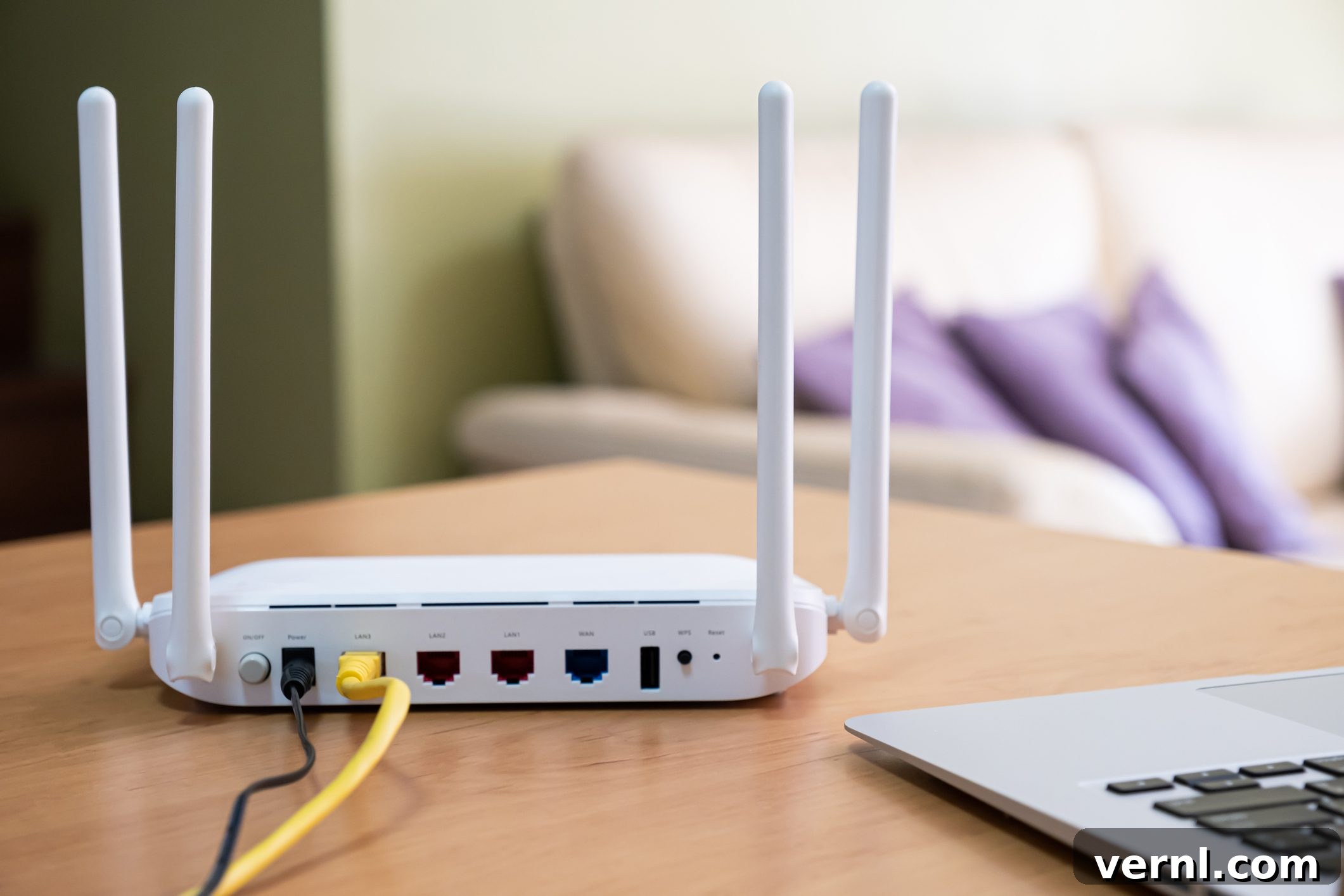
Fiber internet represents the pinnacle of modern connectivity, marking the next significant evolution in home internet services. It promises not just faster speeds but also unparalleled reliability and consistency, fundamentally transforming how we live, work, and play online. While its footprint is continuously expanding, currently 43 percent of households in the U.S. have access to this cutting-edge technology, with its reach steadily growing into more and more communities.
For many, slow internet connections, frustrating buffering, and dropped video calls have become an unwelcome part of daily life. Fiber internet is poised to make these experiences a distant memory, ushering in an era of seamless digital interaction. This comprehensive guide will delve into what makes fiber optic internet so revolutionary, explore its numerous advantages, discuss its current availability and cost, and outline why it’s considered the future of broadband connectivity for homes and businesses alike.
What is Fiber Internet? Understanding the Optical Revolution
At its core, fiber internet derives its name from the innovative fiber-optic cables it employs to transmit data. Unlike traditional internet services that rely on electrical signals sent over copper wires (like DSL or coaxial cables for cable internet), fiber internet uses incredibly thin strands of glass or plastic, often no thicker than a human hair, to transmit data as pulses of light. This fundamental difference is key to its superior performance.
These optical fibers can carry vast amounts of information over long distances at incredibly high speeds, far exceeding the capabilities of conventional metallic cables. When you connect to fiber internet, data travels at nearly the speed of light through this intricate network of glass threads, resulting in significantly faster and more stable connections. This technology allows for unprecedented bandwidth, meaning more data can be transferred simultaneously without congestion, even during peak usage times.
The journey of fiber internet in the U.S. began in the early 2000s, with pioneers laying the groundwork for what we now recognize as a pivotal advancement in communication. However, the substantial initial investment required to lay these new, specialized underground cables has historically been a significant barrier to widespread adoption. Creating entirely new infrastructure is both time-consuming and expensive, necessitating considerable financial backing and long-term vision. Even with the support of major telecommunication giants like AT&T and Alphabet (Google Fiber), the rollout of fiber infrastructure has faced challenges, particularly in extending its reach outside of dense urban centers into more suburban and rural landscapes. Despite these hurdles, the ongoing expansion reflects a growing recognition of fiber’s essential role in modern digital society.
Unmatched Speed and Performance: How Fast is Fiber Internet?
One of the most compelling advantages of fiber internet is its extraordinary speed and consistent performance. In an age where digital demands are constantly escalating, fiber effortlessly keeps pace, offering a stark contrast to older technologies.
To put it in perspective, even the most advanced DSL connections typically max out around 100 Mbps (megabits per second), while high-end cable internet often reaches speeds of up to 300 Mbps. These speeds, while adequate for basic browsing, can quickly become insufficient with multiple users, high-definition streaming, or large file transfers. Fiber internet, on the other hand, routinely achieves and often surpasses these figures, with many plans offering speeds up to 1,000 Mbps, or 1 Gigabit per second (1 Gbps). Some providers are even beginning to offer multi-gigabit speeds, reaching 2 Gbps, 5 Gbps, or even 10 Gbps, pushing the boundaries of what home internet can deliver.
With such blistering speeds, the common frustrations associated with traditional internet connections become a thing of the past. You can say goodbye to buffering during your favorite 4K movie, lagging during intense online gaming sessions, or experiencing frustrating dropouts in crucial video calls. Fiber internet provides the robust bandwidth necessary to support an entire household’s simultaneous internet activities, from streaming ultra-HD content on multiple devices to downloading massive files in seconds, all without compromising performance for any user.
Beyond raw download speeds, fiber internet also excels in upload speeds. Unlike cable internet, which typically offers much slower upload speeds compared to downloads, fiber often provides symmetrical speeds. This means your upload speed can be as fast as your download speed. Symmetrical speeds are incredibly beneficial for tasks like uploading large files to cloud storage, participating in high-quality video conferences, live streaming, and backing up your data online, which are becoming increasingly vital for remote work, education, and content creation.
The Cost of Cutting-Edge Connectivity: How Expensive is Fiber Internet?
While the advanced technology of fiber internet might suggest a premium price tag, its cost is often surprisingly competitive, and in many cases, offers superior value compared to older technologies. The expense of fiber internet typically depends on the specific service provider in your area, the speed tier you choose, and any ongoing promotions or bundle deals.
Generally, for plans offering speeds of 500 Mbps or more, monthly costs can range from approximately $50 to $100. This range positions fiber internet very favorably against comparable or even slower plans from DSL and cable providers. In fact, due to increasing competition and the continuous expansion of fiber networks, it’s not uncommon to find fiber internet connections that are not only faster but also more affordable than their DSL or cable counterparts in the same service area.
When evaluating the cost, it’s crucial to consider the long-term value and the benefits that come with fiber internet. The enhanced reliability, consistent speeds, and future-proof nature of fiber often make it a worthwhile upgrade, even if it entails a slightly higher monthly fee in some instances. The reduced frustration from connectivity issues, the ability to support numerous devices, and the seamless online experience it provides can significantly improve your digital quality of life, making the investment highly justifiable for many households and businesses.
Beyond Speed: The Multifaceted Benefits of Fiber Optic Internet
While incredible speed is the most talked-about advantage, fiber internet offers a host of other benefits that contribute to a superior online experience:
- Unrivaled Reliability: Fiber optic cables are significantly less susceptible to electrical interference, adverse weather conditions, and wear and tear compared to copper cables. This translates into fewer outages, more stable connections, and a consistently dependable internet service.
- Lower Latency: Latency refers to the delay in data transmission. Fiber internet boasts incredibly low latency, meaning data travels from your device to the server and back with minimal delay. This is critical for activities that require real-time responsiveness, such as online gaming, video conferencing, and using cloud-based applications, providing a smoother, more immediate interaction.
- Symmetrical Speeds: As mentioned, fiber often provides equally fast upload and download speeds. This is a game-changer for remote workers, students engaging in online learning, content creators uploading videos, and anyone who regularly backs up data to the cloud. Traditional internet services typically prioritize download speeds, leaving upload capabilities much slower.
- Future-Proof Technology: The bandwidth capacity of fiber optic cables is immense, far exceeding current consumer demands. This means fiber networks are inherently scalable and can easily accommodate future technological advancements and increasing data needs, such as 8K streaming, advanced virtual and augmented reality applications, and the proliferation of smart home devices. Investing in fiber internet means you’re investing in technology that will remain relevant for many years to come.
- Handles Multiple Devices with Ease: The average household today has numerous internet-connected devices – smartphones, tablets, laptops, smart TVs, gaming consoles, and various smart home gadgets. Fiber’s vast bandwidth ensures that all these devices can operate simultaneously without any noticeable slowdown or degradation in performance, allowing everyone in the household to enjoy their online activities without compromise.
- Increased Home Value: In an increasingly connected world, high-speed, reliable internet is becoming as essential as utilities like water and electricity. Having fiber internet access can be a significant selling point for a home, potentially increasing its market value and appeal to prospective buyers.
Getting Connected: How to Obtain Fiber Internet
If the advantages of fiber internet sound appealing, the next step is to explore its availability in your area and understand the process of getting connected.
- Check Availability: The first and most crucial step is to determine if fiber internet is available at your specific address. Many fiber providers have online tools where you can enter your zip code or address to check serviceability. Keep in mind that fiber deployment can be highly granular; it might be available on one street but not the next.
- Compare Providers and Plans: If fiber is available, you’ll likely have a choice of providers. Research different companies, compare their speed tiers, pricing plans, promotional offers, and customer service reviews. Look for details on installation fees, equipment rental costs, and contract terms.
- Schedule Installation: Once you’ve chosen a provider and a plan, you’ll typically need to schedule a professional installation. Fiber internet requires specialized equipment, including an Optical Network Terminal (ONT), which converts the light signals from the fiber optic cable into electrical signals that your router can understand. A technician will usually run the fiber optic line to your home, install the ONT, and ensure your service is properly activated.
- Set Up Your Network: After the fiber line and ONT are installed, you’ll connect your Wi-Fi router to the ONT. Many providers offer their own routers, or you might have the option to use your compatible third-party router. Once connected, you can set up your Wi-Fi network and connect all your devices to enjoy the full benefits of fiber-optic speed.
The Future is Bright: The Expanding Landscape of Fiber Internet
The trajectory of fiber internet is undeniably upward. Governments worldwide, including in the U.S., recognize the critical importance of universal high-speed broadband access for economic growth, education, and social equity. Significant investments and initiatives are underway to expand fiber infrastructure into underserved and rural areas, bridging the digital divide.
As our reliance on digital platforms continues to grow – from remote work and online education becoming mainstream, to the proliferation of smart homes powered by interconnected devices, and the increasing demand for immersive entertainment – the need for robust, reliable, and lightning-fast internet will only intensify. Fiber internet is uniquely positioned to meet these escalating demands, providing the foundational backbone for the innovations of tomorrow.
In conclusion, fiber internet is more than just a faster connection; it’s a transformative technology that redefines our digital capabilities. With its unparalleled speed, reliability, low latency, and future-proof design, it offers a superior online experience that traditional internet connections simply cannot match. If fiber internet is available in your area, upgrading is a decision that promises a smoother, more efficient, and more enjoyable digital life for years to come.