
Your garden hose often becomes an indispensable tool, especially during the warmer months, working tirelessly as you water plants, cultivate a flourishing vegetable garden, or give your car a much-needed wash. For many homeowners, the journey to finding the perfect garden hose is fraught with trial and error. According to experts like hose manufacturer Teknor Apex, a well-maintained, high-quality garden hose can reliably serve you for five to ten years. Conversely, a poor-quality hose—a frustration many of us have experienced—can lead to wasteful water consumption, inefficient performance, and a constant battle against kinks and leaks.
As a new homeowner, I often found myself drawn to the tempting lower price tags of certain hoses, only to endure a summer of relentless tangles and frustrating kinks. This valuable lesson quickly taught me that investing in a high-quality hose is undeniably worth every penny. Beyond the initial cost, selecting the right garden hose requires careful consideration of its intended use and the optimal length for your property. To spare you the headaches and keep your relationship with your garden hose smooth and productive, let’s explore the essential factors to evaluate before making your next purchase.
Understanding the Various Types of Garden Hoses
The world of garden hoses is surprisingly diverse, offering a range of options from lightweight to heavy-duty, standard to coiled, and flat to expandable. Who knew there were so many choices? Each type is designed with specific applications and user conveniences in mind. Here’s a closer look at the most common types of hoses you’re likely to encounter at your local garden center, helping you find the perfect match for your watering needs.
- All-Purpose Hose: The versatile all-around basic hose is a staple for general watering and cleaning tasks. Available in various sizes and materials, it can range from lightweight models suitable for casual use to heavy-duty versions built for more demanding applications. This hose type is ideal for homeowners who need a reliable, everyday solution without highly specialized features, offering a good balance of performance and practicality for most garden and yard chores.
- Flat Hose: These innovative hoses are designed for ultimate compactness. Easy to coil and store, flat hoses expand into a cylindrical shape when filled with water and then conveniently flatten out when empty. Their flexible construction, necessary for collapsing, means they are typically made from lighter materials that, while convenient, may not offer the same longevity or kink resistance as more robust standard hoses. They are excellent for RVs, boats, or situations where storage space is at a premium and heavy use is not anticipated.
- Coiled Hose: If battling a sprawling hose after each use is a common frustration, or if you simply have limited storage space, a coiled hose is an excellent solution. This type of hose retracts into a neat, compact coil when the water is turned off, eliminating the need for manual winding. Coiled hoses typically come in shorter lengths, making them ideal for watering small areas like patios, balconies, or container gardens where a long reach isn’t required but easy storage is paramount.
- Expandable Hose: Another fantastic option for small yards, patios, or urban gardens, the expandable hose appears remarkably petite and lightweight when empty, yet its length dramatically doubles or even triples once it’s filled with water. These hoses are primarily designed for light-duty watering tasks and offer unparalleled ease of handling and storage. However, their unique construction means they are generally less durable than traditional hoses and are prone to punctures or bursting if subjected to high pressure or rough use, making them a choice for convenience over extreme longevity.
Special-feature garden hoses: Expanding Functionality
Beyond the general-purpose options, several specialized hoses cater to specific watering needs, offering enhanced functionality for targeted tasks.
- Sprinkler Hose: The entire length of a sprinkler hose is flat and perforated with tiny holes along one side. When water flows through it, it sprays upwards or outwards in a fine, rain-like pattern, effectively acting as a linear sprinkler. This makes it perfect for uniformly watering long, narrow garden beds, new lawns, or delicate seedlings without requiring a separate sprinkler head. It’s an efficient way to cover an area with gentle, consistent moisture.
- Soaker Hose: In contrast to a sprinkler hose, a soaker hose is designed for deep, efficient watering by slowly weeping water directly into the soil through thousands of tiny pinholes along its length. Ideal for use in garden beds, around individual plants, or under mulch, it minimizes water waste from evaporation and runoff by delivering moisture precisely where it’s needed most: at the root zone. This drip irrigation method promotes healthier plant growth and significantly conserves water.
- Drinking-Water-Safe Hose: While many of us have childhood memories of drinking directly from a standard garden hose, it’s generally not recommended. Most conventional hoses contain potentially toxic plasticizers like phthalates, BPAs, and even lead, which can leach into the water. For applications where the water will be consumed by humans or pets, or used for filling children’s pools, a hose marked “drinking water safe” is essential. These hoses are specifically manufactured using materials free from harmful chemicals, ensuring the water remains potable and safe for all uses.
Key Features to Consider When Choosing a Garden Hose
Beyond the basic types, several critical features dictate a garden hose’s performance, durability, and suitability for your specific tasks. Understanding these characteristics will empower you to make an informed decision and invest in a hose that truly meets your needs.
- Length: Garden hoses commonly come in standard lengths of 25, 50, 75, and 100 feet. The ideal length for your hose depends on the maximum distance from your water spigot or outdoor faucet to the farthest point you need to reach, whether it’s a distant birdbath, a sprawling garden bed, or a dirty car. It’s always best to measure this distance and then opt for a hose that is slightly longer than your requirement. While it might be tempting to buy an extra-long hose to be safe, excessively long hoses are heavier, more cumbersome to store, and can lead to unnecessary pressure drops, so choose judiciously.
- Diameter: The internal diameter of a garden hose directly impacts the volume of water it can carry. According to Lowe’s, hoses typically range from 3/8-inch to 3/4-inch in diameter, with 5/8-inch being the most common size for general household use. A larger diameter hose, such as a 3/4-inch, can deliver a greater volume of water, which is beneficial for tasks like pressure washing or filling large pools quickly. However, greater diameter also means increased weight and bulk, making the hose harder to move and store. For most everyday watering tasks, a 5/8-inch hose strikes an excellent balance between water flow and manageability.
- PSI (Pounds per Square Inch): PSI indicates the maximum water pressure a hose can safely withstand and, to some extent, its durability. It directly correlates with the flow rate or water speed the hose can handle without bursting. The hose packaging will clearly state its maximum PSI rating. Hoses with a higher PSI rating (e.g., 500 PSI) are generally more robust and better suited for heavy-duty tasks, such as connecting to a pressure washer or handling high-pressure municipal water systems. A tougher hose with a higher PSI indicates a stronger construction and greater resistance to bursting under stress.
- Flexibility and Kink Resistance: A hose’s flexibility is a double-edged sword. While a highly flexible hose is undoubtedly easier to coil, uncoil, and maneuver around obstacles, excessive flexibility can make it highly prone to kinking. Kinks not only restrict water flow but also create weak points in the hose material, leading to premature splitting and deterioration. The best garden hoses offer a good balance: flexible enough for easy handling, but rigid enough in their construction to resist kinking even when bent or pulled. Look for multi-ply construction or reinforcement materials that enhance kink resistance without sacrificing overall usability.
- Material: With a few specific exceptions, the vast majority of garden hoses are constructed from rubber, vinyl, or a hybrid blend of the two. Each material presents its own set of advantages and disadvantages.
- Vinyl Hoses: These are typically the least expensive and lightest options. While their low cost and easy handling can be appealing, vinyl hoses are generally less durable, more prone to kinking, and susceptible to cracking and degradation from UV exposure and extreme temperatures. They are best suited for light, infrequent use where budget is a primary concern.
- Rubber Hoses: Known for their superior durability and longevity, rubber hoses are heavier and usually more expensive than vinyl counterparts. However, they offer excellent resistance to kinking, abrasion, and extreme weather conditions (both hot and cold). Rubber hoses are an investment that pays off in terms of reliability and extended lifespan, making them ideal for heavy use and professional applications.
- Hybrid Hoses: Hoses made from a combination of vinyl and rubber (or sometimes PVC and rubber) represent a smart mid-range solution. They offer a better balance of flexibility, durability, and weight than pure vinyl hoses, often at a more accessible price point than pure rubber hoses. Hybrid hoses are an excellent compromise for homeowners seeking improved performance and longevity without the premium cost or weight of a full rubber hose.
Essential Garden Hose Accessories and Attachments
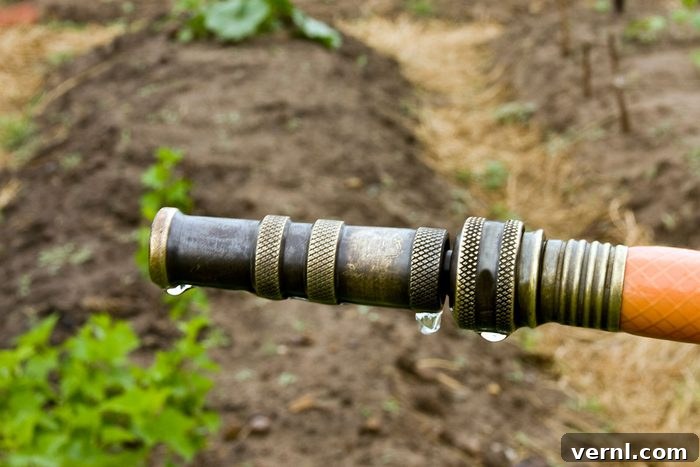
To truly maximize the utility of your garden hose, a stunning array of accessories, attachments, and couplings are available. Just like hoses themselves, these items vary widely in price, features, and quality. A good rule of thumb is that if an item seems too cheap, its durability and performance are likely to be compromised, leading to quick replacement and eventual frustration.
- Couplings: Also known as fittings, couplings are the connectors that securely attach your hose to the spigot or outdoor faucet, as well as to other attachments like nozzles or sprinklers. They are commonly made from brass, aluminum, or plastic.
- Brass is considered the gold standard for performance and longevity. It is highly resistant to corrosion, durable, and less prone to stripping or bending, though it is the most expensive option.
- Aluminum fittings offer a lighter weight alternative to brass and are generally more durable than plastic, providing a good balance of cost and resilience.
- Plastic couplings are the most affordable and lightweight choice but are also the least durable, being susceptible to cracking, cross-threading, and UV degradation.
- Consider quick-connect fittings for effortless attachment and detachment of various tools.
- Nozzles: Garden hose nozzles are essential for controlling water flow and spray patterns, transforming your hose from a simple water source into a versatile cleaning and watering tool. They can deliver a powerful, pistol-like jet for effective cleaning of surfaces, or be adjusted to provide a wide, gentle spray perfect for delicate plants and watering large areas without damage. Like couplings, nozzles are available in plastic, metal, or a combination of both.
- Metal nozzles, particularly those made of brass or zinc, are heavier and significantly more durable, less prone to breaking if accidentally dropped on a hard surface. They often feature more precise adjustments and better sealing.
- Plastic nozzles are lightweight and inexpensive but less robust.
- Look for features like ergonomic grips, locking triggers for continuous spray, and multiple spray patterns (mist, shower, cone, flat, jet, center) to suit diverse tasks.
- Reels and Caddies: Proper storage is crucial for extending your hose’s life and preventing kinks. A hose reel provides an organized solution for winding up and storing your hose. They can be permanently attached to the wall of a structure, freeing up ground space, or designed as freestanding units that can be moved within a localized area. A hose caddy, on the other hand, serves a similar purpose but is portable, often featuring wheels and a crank for effortless hose winding and easy transport around your yard. Both options help reduce tangles, protect the hose from UV damage, and keep your outdoor space tidy.
- Sprinkler Heads: We could dedicate an entire guide to these! Sprinkler heads are invaluable attachments that connect to your garden hose to efficiently water larger areas of grass or garden beds. They come in numerous designs, including oscillating sprinklers that spray water back and forth in a rectangular pattern, rotary sprinklers for circular coverage, impulse sprinklers that “click” as they spray, and stationary sprinklers for a fixed, gentle shower. Choosing the right sprinkler head depends on the size and shape of the area you need to water, as well as the type of vegetation you are irrigating.
- Timers: For optimal watering efficiency and convenience, especially with soaker hoses, sprinkler hoses, or hoses with sprinkler head attachments, hose timers are indispensable. These devices attach directly to your spigot and allow you to program precise watering schedules, including duration and frequency. Available in mechanical or digital versions, some even offer advanced features like multiple programming cycles, rain delay functions, and smart home connectivity. Timers ensure your plants receive consistent moisture, conserve water by preventing overwatering, and provide peace of mind, particularly when you’re away on vacation or have a busy schedule.
A Comprehensive Guide: How To Choose the Right Garden Hose for Your Needs
The decision to purchase a new garden hose boils down to a thoughtful assessment of several key considerations, ensuring your investment serves you well for years to come. Here’s how to navigate the choices effectively:
- Usage Frequency and Required Durability: This is arguably the most crucial factor.
- If your hose will be used only occasionally for light tasks like watering a few patio plants or rinsing off garden tools, a lightweight, less expensive vinyl or expandable hose might suffice. These are easy to handle and store.
- However, for regular, heavy-duty applications such as irrigating a large lawn, tending to an extensive vegetable garden, frequent car washing, or connecting to a pressure washer, investing in a robust, heavy-duty rubber or high-quality hybrid hose is highly recommended. These hoses offer superior kink resistance, burst strength, and overall longevity, standing up to more demanding use and harsh weather conditions.
- Hose Type Based on Storage Space and Convenience: Your available storage space and desire for convenience will heavily influence the ideal hose type.
- If space is abundant and you prioritize traditional reliability, a standard all-purpose hose is a great choice, especially when combined with a hose reel or caddy.
- For small yards, balconies, or limited storage areas, a coiled or expandable hose offers unparalleled compactness and ease of put-away. Remember, expandable hoses are best for light-duty tasks.
- If you’re looking for automated watering, specialized sprinkler or soaker hoses are designed for efficiency in specific applications.
- Optimal Length for Your Property: Avoid the pitfalls of a hose that’s either too short or excessively long.
- Carefully measure the distance from your outdoor faucet to the farthest point in your yard or garden that needs watering.
- Always purchase a hose that is slightly longer than this maximum distance to allow for flexibility and maneuvering around obstacles without stretching or straining the hose. An extra 5-10 feet of slack is usually sufficient.
- A hose that is too short will frustrate you, while one that is unnecessarily long will be heavier, more difficult to coil, more expensive, and can even lead to reduced water pressure due to increased friction.
- Budget and Long-Term Value: Garden hoses vary significantly in price, reflecting differences in material quality, construction, and brand.
- A 25-foot garden hose can range anywhere from an affordable $18 for a basic vinyl model to a more substantial $60 or more for a high-quality rubber or hybrid option at retailers like The Home Depot.
- While it’s tempting to opt for the cheapest hose, remember that price usually correlates directly with quality, durability, and performance. A slightly higher initial investment in a better-made hose often results in significant savings over time by avoiding frequent replacements, water waste from leaks, and the frustration of dealing with a poorly functioning product. Consider the long-term value and peace of mind a quality hose provides.
Essential Garden Hose Maintenance Tips for Extended Lifespan
Even the highest quality garden hose will have its lifespan significantly reduced without proper care. By adopting a few simple maintenance habits, you can dramatically improve the durability and performance of your hose, saving you money and hassle in the long run.
- Put it Away After Each Use: Leaving your garden hose stretched out on the ground after use exposes it to numerous damaging elements. It can easily get kinked by foot traffic or run over by vehicles like lawnmowers, causing internal damage. More importantly, prolonged exposure to the sun’s harsh UV rays is a leading cause of hose degradation, leading to cracking, fading, and premature material breakdown. Always store your hose away from direct sunlight when not in use.
- Wind it Up Neatly: A hose left in a tangled heap is an invitation for kinks, which not only restrict water flow but also weaken the hose material over time. Invest in a hose reel or caddy to neatly wind up your hose. If you don’t have a reel, at least coil it up neatly into large loops. This practice significantly reduces the chances of kinking and makes the hose much easier to deploy and store for its next use.
- Relieve Pressure After Use: After you finish watering, turn off the water at the spigot and then squeeze the nozzle or open the spigot attachment briefly to release any residual water pressure inside the hose. This simple step prevents unnecessary strain on the hose and its fittings, extending their life and reducing the likelihood of leaks or bursts.
- Stow it Properly in the Winter: Freezing temperatures can cause water trapped inside a hose to expand, potentially cracking the hose material and damaging its fittings. Before the first frost, ensure you disconnect your hose from the spigot, thoroughly drain it of all water, and then store it in a sheltered, frost-free location like a garage, shed, or basement until the next gardening season.
- Regularly Check for Leaks and Damage: Periodically inspect your hose for any signs of wear and tear, such as small leaks, cracks, bulges, or damaged couplings. Addressing minor issues promptly, such as replacing a washer or repairing a small puncture, can prevent them from escalating into larger, more costly problems.
Frequently Asked Questions About Garden Hoses
Here are answers to some common questions homeowners have when choosing and maintaining their garden hoses:
How do I prevent kinks in my garden hose?
Preventing kinks is key to a long-lasting and frustration-free garden hose experience. High-quality hoses are inherently less susceptible to kinks because they are manufactured with tougher, more resilient materials like reinforced rubber or hybrid blends designed to resist folding and twisting. Beyond material quality, proper handling and storage are crucial. Always store your hose coiled up neatly on a reel or caddy, rather than leaving it stretched out or piled in a heap. During use, avoid stretching the hose taut around sharp corners or pulling it aggressively. Also, remember to shut off the water at the spigot when the hose is not actively being used, as internal pressure can sometimes contribute to kinking. For areas with particularly sharp bends, consider using hose supports or guides to minimize stress on the hose.
How often should I replace my garden hose?
While a good quality garden hose, properly maintained, can reliably last anywhere from five to ten years, its actual lifespan depends on usage, storage, and the quality of the initial purchase. You should consider replacing your hose if you notice persistent issues that maintenance can’t fix. Common signs it’s time for a replacement include constant tangling and kinking despite careful handling, visible cracks or deterioration in the hose material, frequent leaks at the fittings or along the hose body, or a significant drop in water pressure even when the spigot is fully open. Don’t wait until it bursts; proactive replacement can save water and prevent damage to your property.