
Although trends seem to come and go less quickly than they did in the status-obsessed 1980s, they still swing around with a remarkable regularity. The relentless cycle of what’s “in” and what’s “out” can be exhausting, pushing consumers to constantly update their wardrobes and homes to keep pace.
Lately, I’ve heard the familiar refrain to swap my beloved skinny jeans for straight cuts or wide-legs (again). In home decor, the early aughts saw a surge in vibrant red dining or living rooms, only to be swiftly supplanted by years of stark all-white interiors. Now, the pendulum has swung back dramatically since 2020, embracing earthy and jewel tones, seeking warmth and depth.
This constant churn of fleeting fads often leaves us yearning for something more enduring. A profound sentiment, attributed to French fashion designer Yves Saint Laurent, posits that “fashion fades, but style is eternal.” This timeless philosophy beautifully encapsulates the essence of the latest, yet paradoxically classic, trend permeating home design: quiet luxury. Its core tenets are simplicity, meticulous craftsmanship, understated elegance, and an inherent timelessness that transcends seasonal dictates.
What Is Quiet Luxury in Home Design?
While the term “quiet luxury” has subtly existed for decades, primarily within the exclusive realms of high fashion, its recent surge into mainstream pop culture has been undeniable. I first noticed its prominent uptick in general discourse thanks to HBO’s critically acclaimed prime-time drama, Succession. The captivating hour-long dramedy showcased the ultra-wealthy owners of a media conglomerate, whose internal power struggles unfolded against a backdrop of unparalleled, yet remarkably subtle, affluence. Characters frequently donned bespoke garments, including Loro Piana cashmere, a brand synonymous with exquisite quality rather than overt branding. A quick Google search reveals the price point of a basic Loro Piana cream crew-neck women’s cashmere sweater can retail for a staggering $1,800, yet its value lies in its material and craftsmanship, not a prominent logo.
What truly captivated the show’s fans, and design enthusiasts alike, was the near-absence of visible labels or logos. Despite this, the understated, elegant luxury was impossible to miss. The perfect cuts, the effortlessly tailored silhouettes, the inherent simplicity of each piece — all conspired to confer an unmistakably elite and sophisticated air. As a design writer, it was in these subtle cues that I recognized design transcending mere “good” to become something truly exceptional – it was gooooood good, speaking volumes without saying a word.
This shift represents a fundamental change in how wealth and taste are communicated. As Susan Serra, president and designer at Susan Serra Associates, Inc., eloquently explains, it’s a move away from “obvious representations of wealth” towards “products that are more visually ‘quiet,’ allowing the form, material, fabric, etc. to quietly tell the story of quality. If you know, you know — and all that.” This philosophy celebrates discernment, an appreciation for intrinsic value over superficial branding.
Artem Kropovinsky, an interior designer and founder of Arsight, offers an astute definition of what quiet luxury is, and equally important, what it isn’t. “Instead of screaming affluence, it whispered elegance,” he states. “Over time, this philosophy expanded, finding its rightful place in interior design. In home decor, it’s about creating a space that exudes understated opulence, sophistication without the shout, and beauty in subtlety. It prioritizes comfort, functionality, and serene aesthetics, creating environments that feel both personal and profoundly luxurious without any ostentatious display.”
Why Is Quiet Luxury Popular Now?
The contemporary appeal of quiet luxury isn’t merely a fleeting trend; it’s a profound reflection of evolving societal values and consumer attitudes. “Beyond its adaptability and comfort, this aesthetic resonates because of its timelessness,” says Kropovinsky. “It’s an investment in eternity, not a fleeting romance with transient trends.” This perspective holds immense appeal, not only for those with significant budgets to allocate to interior design but also for thrifty types who prioritize longevity and making their possessions last. By consciously investing in classic, well-made pieces – and notably, not paying an inflated premium solely for a brand logo – individuals are investing in a daily luxury that genuinely looks good, feels good, and endures.
Mariya Snisar, head of interior design at Renowell, believes that several interconnected societal shifts have contributed to the widespread popularity of quiet luxury. “Many people desire a more considered, meaningful, and intentional way of living,” she observes. The post-pandemic era, in particular, has fostered a heightened appreciation for the home as a sanctuary, a personal refuge from the external world. “The style offers a respite from the noise and haste of modern life, inviting individuals to surround themselves with items and environments that bring them comfort, pleasure, and a sense of enduring value.”
This burgeoning preference encompasses a deeper appreciation for quality over mere quantity, a conscious effort to escape the relentless over-stimulation of the digital world, and a renewed focus on sustainability. In an age of fast furniture and disposable trends, quiet luxury champions pieces designed to last, often made from ethically sourced, natural materials. It embraces an appreciation for craftsmanship, tradition, and the inherent beauty of objects that age gracefully. It’s about investing in well-being, both personal and environmental, by choosing thoughtful, lasting beauty over temporary extravagance. This conscious approach not only creates a more serene living environment but also aligns with a more responsible and mindful consumer ethos.
How To Get the Quiet Luxury Aesthetic in Your Home
Embracing the quiet luxury aesthetic begins not with a shopping list, but with a philosophy. Start by understanding its overarching principles – timelessness, craftsmanship, and understated elegance – then subtly weave your personal style within these boundaries. It’s about thoughtful curation, not a rigid adherence to rules.
“Quiet Luxury is primarily characterized by minimalism,” says Robbie Maynard, principal and interior designer at Robbie Maynard Interiors. “It’s a sharp contrast to more flamboyant styles from early 2020.” This doesn’t mean stark emptiness; rather, it’s about purposeful decluttering, allowing each carefully chosen item to breathe and tell its own story. “With clothing, the concept is to invest in a few high-quality timeless pieces. It’s the same with home furnishings. Select some key pieces and spend more on these items. Splurge on a special sofa, piece of art, or gorgeous rug and then build from there with more affordable pieces like lamps, pillows, and side tables to complete your individual story.”
For your home, consider the fundamental categories you always do when selecting pieces: material, texture, color, contrast, and form. Then, commit to acquiring the best quality you can comfortably afford within your budget. Focus on natural materials like solid wood, stone, wool, linen, and silk. These materials not only exude luxury but also age beautifully, developing a rich patina over time.
Crafting a quiet luxury ambiance begins with muted undertones. “Delve into palettes that whisper rather than shout,” Kropovinsky advises. “Think creams, beiges, and soft grays.” These neutral foundations create a serene, sophisticated backdrop, allowing textures and subtle details to shine. However, a room’s spirit isn’t solely defined by color. “It’s in the craftsmanship, the visible grains of wood, the cool, smooth touch of stone, or the refined sheen of metal. Quality isn’t an extravagance – it’s a necessity, forming the very bedrock of this aesthetic.” Other designers suggest that layering different shades of the same color, or introducing deeper jewel tones and darker hues as accents, can also confer a luminous, complex, and luxurious feeling without being overtly flashy.
General Principles for the Quiet Luxury Aesthetic:
- Intentional Curation: Every item in your home should have a purpose or bring joy. Decluttering is key to allowing quality pieces to stand out.
- Tactile Experience: Prioritize natural materials that feel good to touch – a soft cashmere throw, a smooth marble surface, a hand-knotted wool rug.
- Layered Lighting: Combine ambient, task, and accent lighting to create warmth, depth, and functionality. Well-designed, unobtrusive fixtures are paramount.
- Timeless Design: Opt for classic silhouettes and clean lines that won’t quickly go out of style. Avoid overly trendy patterns or shapes.
- Seamless Flow: Ensure a harmonious transition between rooms through consistent use of materials, colors, and design language.
Room-Specific Applications:
Bedroom
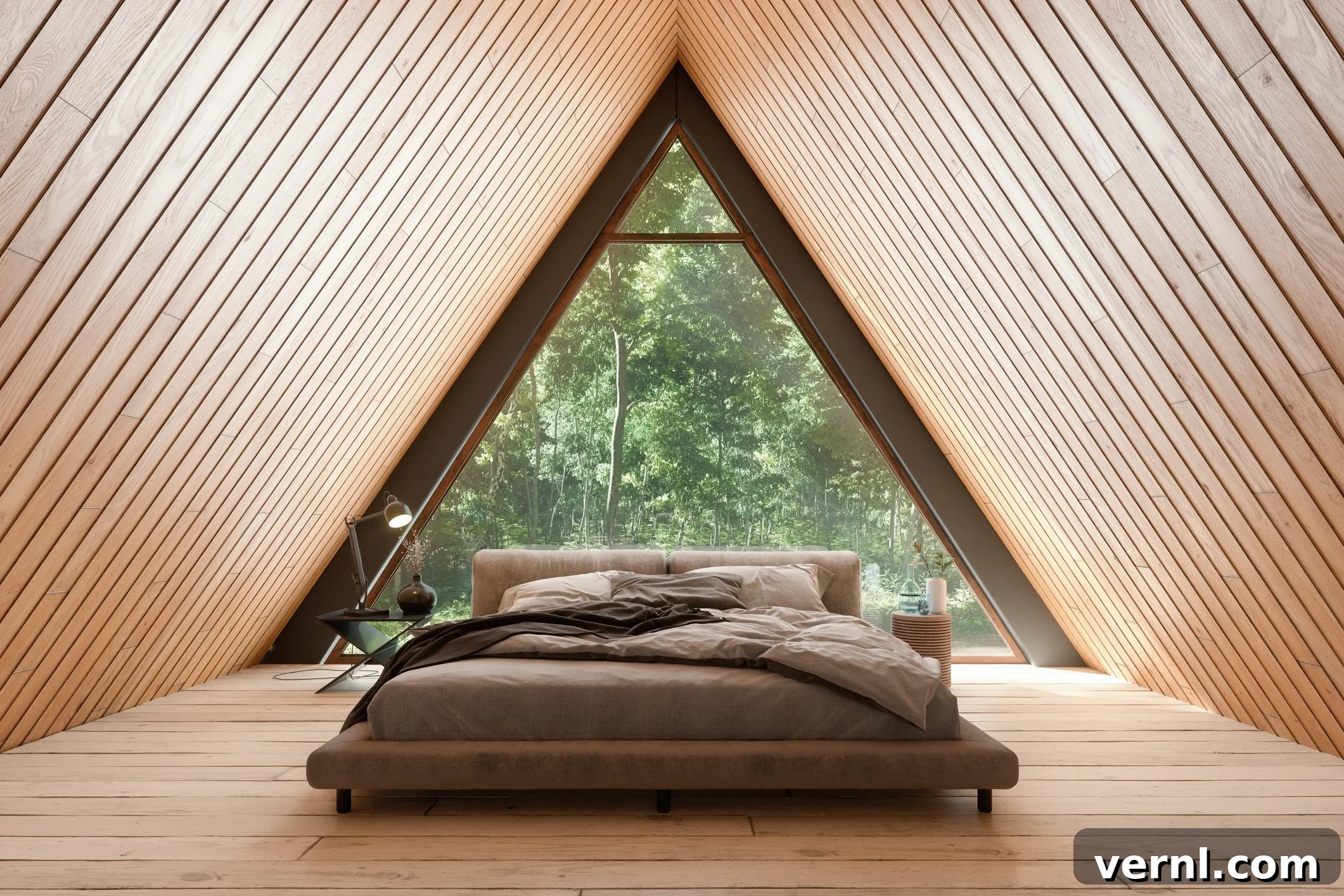
Here, investment in quality linen bedding, or something with an exceptionally high thread count made from Egyptian cotton or silk, can transform a mundane sleep space into a luxurious sanctuary. Focus on a calm, muted color palette, plush rugs underfoot, and well-designed, functional nightstands that don’t detract from the serene atmosphere.
Living Room
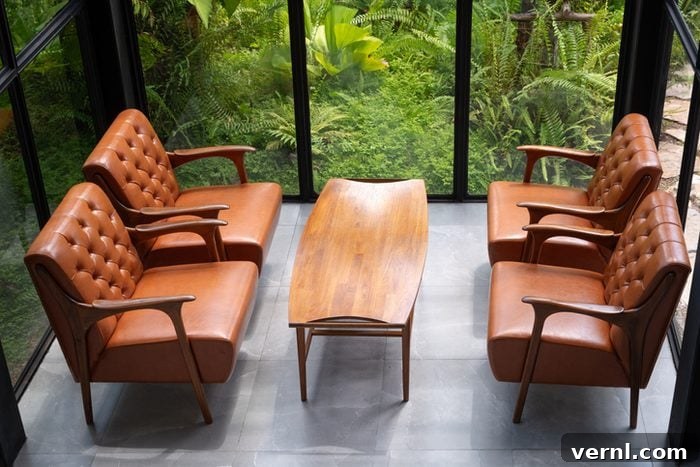
Perhaps you choose a stunning, comfortable workhorse like an Eames recliner, which effortlessly becomes the showpiece of a lifetime without ever feeling ostentatious. Pair it with a meticulously crafted sofa in a durable, natural fabric, a solid wood coffee table, and carefully selected artwork that speaks to your soul, creating a space for relaxation and refined conversation.
Kitchen
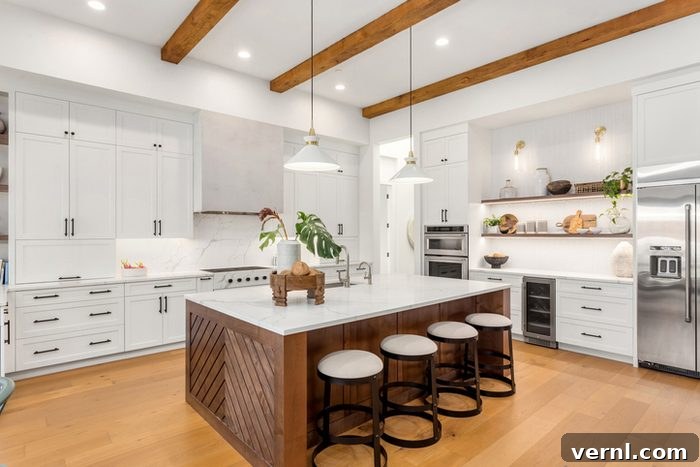
Serra emphasizes swapping busy textures – like live-edge wood tables or elaborately patterned tile backsplashes – for sleek, integrated solutions. Think hidden or near-invisible hoods, more performance-focused or sustainable appliances, and built-in, clean-lined units that seamlessly blend with bespoke cabinetry. Cabinet fronts can even conceal refrigeration and dishwashers, creating a truly minimalist and sophisticated culinary environment.
Bathroom
Transform your bathroom into a spa-like retreat. Opt for large-format natural stone tiles, minimalist fixtures in brushed metals, and bespoke vanity units. High-quality, plush towels and subtle, sophisticated scents elevate the experience. Keep surfaces clear and clutter-free to maintain a sense of calm and order.
The Last Word
Remember, the core principle of quiet luxury is about having fewer things, but of unequivocally higher quality. This often means being mindful of scale and proportion. Perhaps replace a collection of smaller, less impactful decorative objects with a few larger, more substantial pieces that command attention and bring a sense of grandeur to the space.
“Minimalism is often misconstrued as emptiness,” Kropovinsky concludes. “But in the realm of quiet luxury, it’s about celebrating each piece, granting it the space to narrate its tale.” It’s a deliberate choice to live surrounded by beauty, comfort, and enduring value, creating a home that truly reflects a life well-lived, without needing to shout about it.
[cf]skyword_tracking_tag[/cf]