
Stay Cool and Safe: Essential Gear and Strategies for Working in Extreme Heat
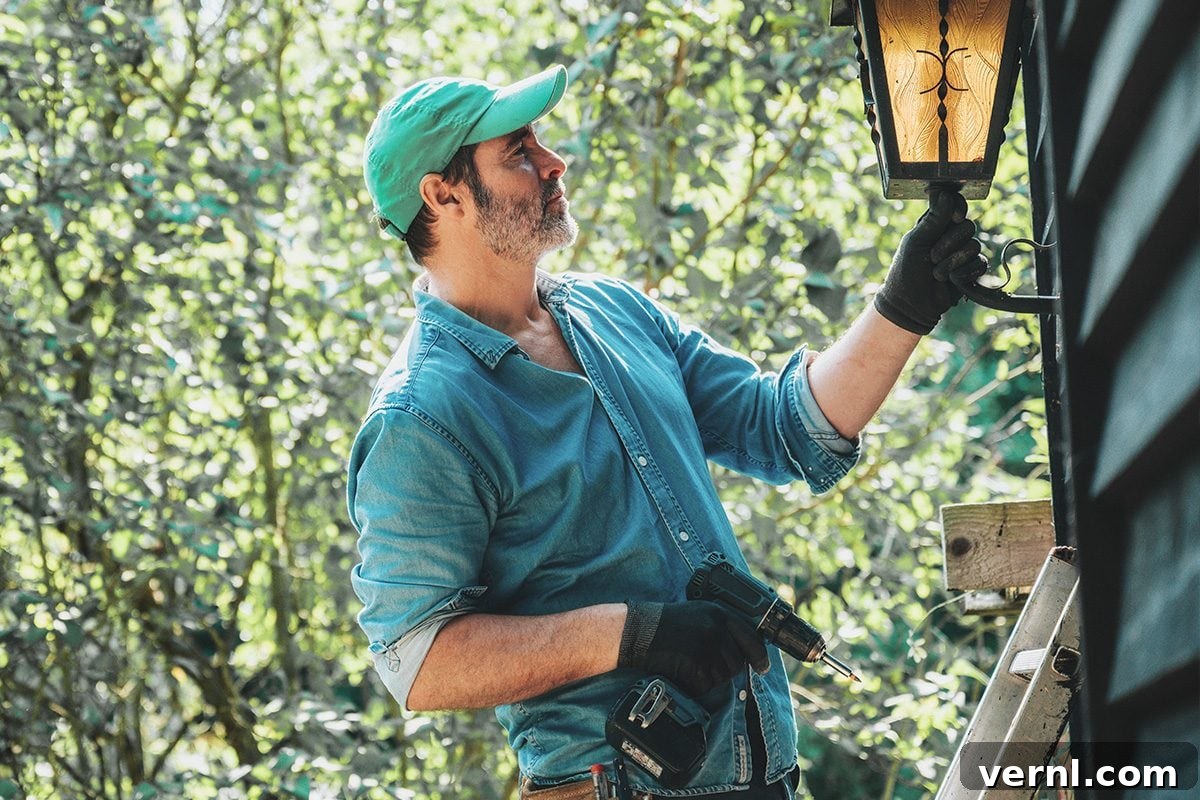
Working in excessive heat is not only uncomfortable but also poses significant health risks. The Occupational Safety and Health Administration (OSHA) highlights that thousands of individuals annually suffer from occupational heat exposure, with some cases unfortunately proving fatal. A primary contributing factor to heat illness, as cited by OSHA, is wearing attire that traps heat. This underscores a crucial takeaway: whether you’re performing tasks around your home or working outdoors in scorching weather, prioritizing and utilizing appropriate gear is paramount to staying cool, safe, and productive.
To compile the most effective strategies and gear recommendations for combating the heat, we consulted experienced tradespeople who routinely operate in some of the world’s most intense climates. Danny Niemela, a remodeler based in Arizona, frequently works indoors where temperatures can soar, while Lachlan Buchan, an Australian tradesman, spends his days working outdoors, often contending with triple-digit heat. Their invaluable insights form the foundation of this comprehensive guide.
This article provides actionable tips and highlights essential gear to help you choose the right tools and apparel to remain cool and protect yourself from the sun’s harsh rays, even when the thermometer is pushing record highs under a relentless heat dome.
Understanding the Dangers: Why Heat Safety Cannot Be Overlooked
The human body struggles to regulate its core temperature when exposed to high heat, especially during physical exertion. This can lead to a spectrum of heat-related illnesses, ranging from mild heat rash and cramps to severe and life-threatening conditions like heat exhaustion and heatstroke. Symptoms can include excessive sweating, dizziness, nausea, headaches, muscle cramps, and confusion. Ignoring these signs and continuing to work in the heat can have dire consequences, making preventative measures not just a matter of comfort, but a critical aspect of workplace and personal safety. By adopting the right strategies and utilizing proper gear, you can significantly mitigate these risks and ensure your well-being.
Wear a Lightweight, Long-Sleeved Shirt for Superior Sun Protection
At first glance, this might seem counterintuitive; many assume that less clothing equals more coolness. However, exposing your bare skin to direct sunlight leaves you vulnerable to harmful ultraviolet (UV) radiation, increasing your risk of sunburn and long-term skin damage. The secret lies in the fabric. Instead of traditional heavy materials, opt for shirts specifically designed for hot weather. Lachlan Buchan often favors cotton, acknowledging its comfort. However, Danny Niemela points out a significant drawback: “Cotton holds sweat like a sponge.” For optimal performance in heat, Niemela recommends choosing lightweight polyester blends. These advanced synthetic fabrics are engineered to wick moisture away from your skin, promoting rapid evaporation and drying within minutes. This wicking action is crucial for your body’s natural cooling process. Look for fabrics that weigh less than 4 ounces per square yard for maximum breathability and comfort. Such garments provide an effective barrier against the sun’s harmful rays while actively helping your body regulate its temperature, making them indispensable gear for working in hot weather.
Opt for Breathable Long Pants for Comprehensive Protection and Comfort
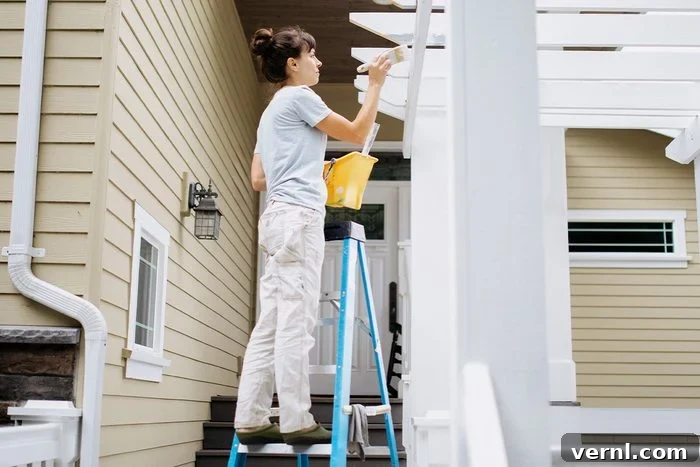
Similar to long-sleeved shirts, long pants offer essential protection beyond just warmth. Buchan, working in rural Australia, highlights their dual benefit: “I find long cotton heavy-duty pants are best to keep the sun off and protect from snake bites and cuts.” While snake bites might not be a common concern for most home renovators, the need for sun protection and defense against scrapes, scratches, and other minor injuries remains universal. For optimal comfort in the heat, however, a departure from heavy cotton is often recommended. Cotton, as noted, retains moisture, which can lead to chafing and discomfort. Instead, consider pants crafted from synthetic fabrics like nylon or specialized blends. These materials offer superior breathability and moisture-wicking properties, similar to performance shirts. Ensure the pants have a loose fit to allow for air circulation, which further aids in cooling. Investing approximately $70 in a pair of high-quality, breathable work pants is a smart decision for maintaining comfort, safeguarding your skin from UV exposure, and protecting against common job-site hazards, making them key gear to stay cool.
Stay Hydrated: The Critical Role of Hydration Packs and Smart Water Storage
Maintaining adequate hydration is perhaps the single most important factor in preventing heat illness when working in hot conditions. Water loss through sweating can quickly lead to dehydration, impairing your body’s ability to cool itself and increasing the risk of heatstroke. Lachlan Buchan has a simple yet effective system for staying hydrated: the night before a hot day’s work, he fills six plastic soda bottles with water and refrigerates them. When he heads to work, he wraps these bottles in cloth to prolong their coolness. Danny Niemela, on the other hand, opts for a more advanced solution: a soft-shell two-liter hydration pack equipped with a freezer-ready bladder. His method: “Toss it in the freezer overnight, fill the rest with ice water, and you have 90 minutes of cold hydration on your back.” At around $50, Niemela views this as “insurance against heatstroke.” Regardless of the method, consistent access to cold water or electrolyte-rich drinks is non-negotiable. Plan your hydration strategy meticulously before you even step outside, making it a cornerstone of your heat safety protocol.
Seek and Create Shade: Your First Line of Defense Against the Sun’s Intensity
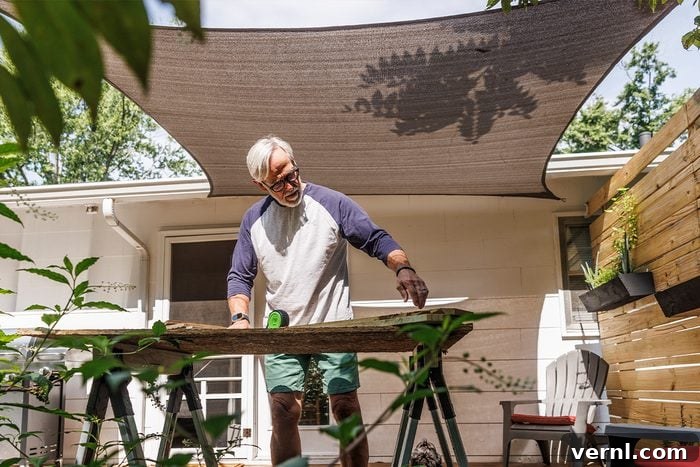
Direct sun exposure dramatically increases the perceived temperature and accelerates dehydration. Finding or creating shade is one of the simplest yet most effective ways to lower your body temperature and reduce your exposure to harmful UV rays. When working outdoors for extended periods, Buchan employs a clever tactic: he strategically parks his van to cast a shadow over his workspace. If natural shade from trees or buildings isn’t available, or if your work location doesn’t allow for a large vehicle, a portable solution is highly recommended. A budget-friendly $20 beach umbrella can be easily set up to provide a crucial respite from the sun. The impact of shade is significant; it can lower the ambient temperature by 10 to 15 degrees Fahrenheit, making a substantial difference in your comfort and safety. Furthermore, shade prevents your tools from becoming excessively hot, reducing the risk of burns and making them more comfortable to handle. Always prioritize working in the shade whenever possible, or create your own portable shaded area.
Choose Breathable Mesh Steel-Toe Shoes for Optimal Foot Comfort and Safety
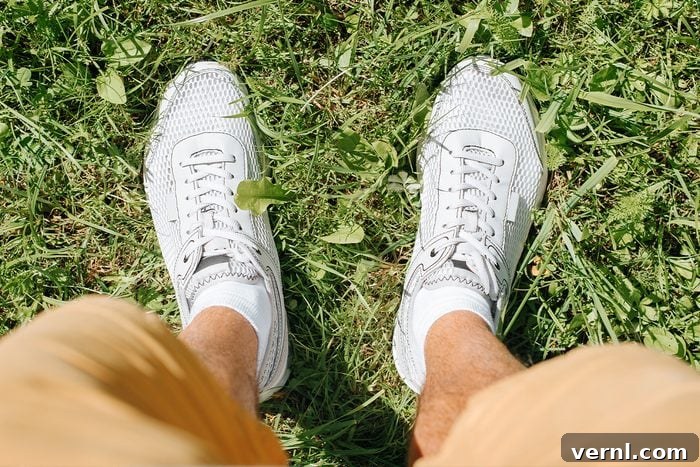
Your feet are often overlooked when considering heat safety, but heavy, non-breathable work boots can quickly become sweat-soaked saunas, contributing to overall body heat and discomfort. Danny Niemela strongly advises against traditional heavy leather work boots during hot weather. He advocates for breathable mesh steel-toe shoes, emphasizing their value for money at $80-$90. The difference in weight alone, he notes, can significantly reduce leg fatigue over an eight-hour workday. While steel-toe protection is essential for many tasks involving heavy tools or materials, traditional designs often sacrifice ventilation. Modern mesh designs incorporate protective features with highly breathable materials, allowing air to circulate and sweat to evaporate. “You are not hiking Everest,” Niemela aptly states, “you are fixing drywall and clearing tile, and if your boots hold more sweat than your socks, it’s time to swap them.” This simple change in footwear can dramatically improve your comfort and focus, making them indispensable gear to stay cool.
Harness Personal Airflow with a Rechargeable Clip-On Fan
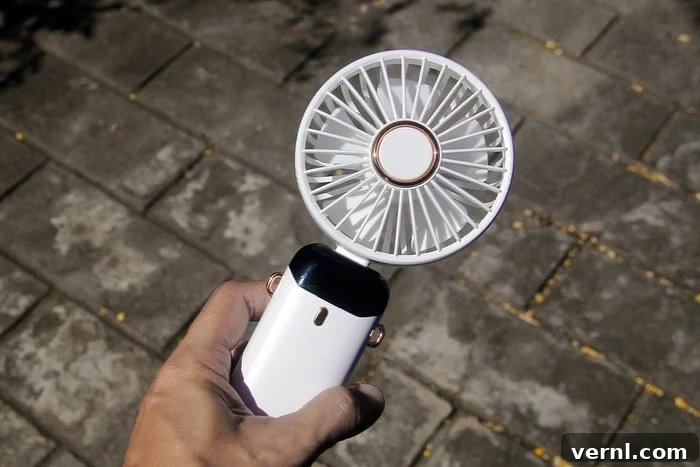
Effective airflow is critically important for personal cooling, especially when working on a stifling hot day. While large ventilation fans can be effective in open spaces, they often don’t reach confined areas like small rooms, garages, or attics. This is where personal cooling solutions become invaluable. Danny Niemela’s ingenious recommendation for gear to stay cool is a rechargeable clip-on fan. His strategy: “Set it on your belt loop or tool belt, pointing straight up your back. It creates just enough airflow to make the sweat work for you.” This targeted airflow significantly enhances the evaporative cooling process, where sweat evaporates from your skin, carrying heat away from your body. This simple, portable device, typically costing around $15, provides a continuous personal breeze that can make a substantial difference in comfort and endurance during demanding tasks in confined, hot environments. Its convenience and effectiveness make it a must-have for anyone working in the heat.
Protect Your Head and Neck: The Right Hat for Comprehensive Sun Protection
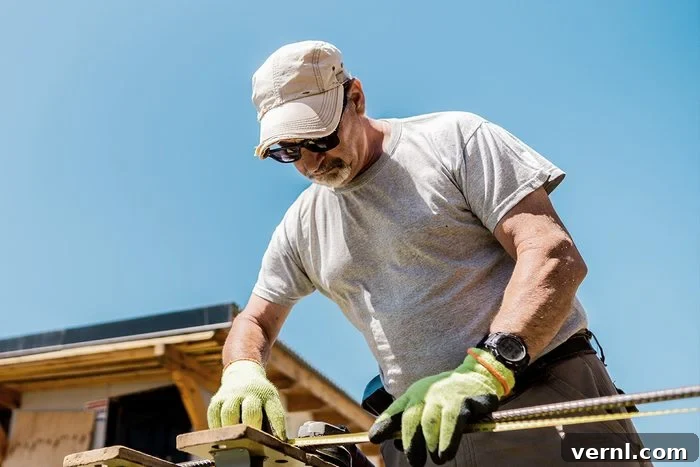
It’s common knowledge that wearing a hat is essential when working under the sun, but the type of hat you choose profoundly impacts its effectiveness. A good sun hat should offer broad coverage, extending beyond just your face to protect the back of your neck and ears—areas particularly vulnerable to sun exposure, especially when you’re bending over or working in awkward positions. Lachlan Buchan, being an Australian, naturally gravitates towards an Akubra cattleman hat, a robust option designed for harsh outdoor conditions. However, at around $240, it’s a significant investment. For those on a budget, an equally effective alternative can be a simple $15 slouch beanie or any wide-brimmed hat made from breathable material that provides ample neck coverage. The key is to ensure the hat physically blocks the sun from reaching your skin, reducing both UV exposure and direct heat absorption on your head and neck. This simple piece of gear is a vital component of any heat safety kit.
Upgrade to a Breathable Tool Belt for Enhanced Comfort and Efficiency
For anyone who spends hours with tools strapped to their waist, the discomfort of a traditional leather tool belt in hot weather is all too familiar. Leather, while durable, is notoriously non-breathable, leading to a build-up of sweat and heat around your lower back and hips. This can cause chafing, skin irritation, and contribute to overall body heat. Danny Niemela advocates for a superior alternative: a breathable synthetic belt featuring mesh padding and strategic ventilation gaps. These modern designs allow air to circulate between your body and the belt, facilitating sweat evaporation and significantly reducing heat retention. While a top-tier model might cost upwards of $500, there are many excellent cheaper options available for less than $100 that still offer substantial improvements in comfort. Investing in a breathable tool belt not only enhances your comfort but also improves focus and reduces the risk of skin issues, making it a valuable upgrade for any tradesperson or DIY enthusiast working in the heat.
Ensure Hand Protection with Breathable Work Gloves
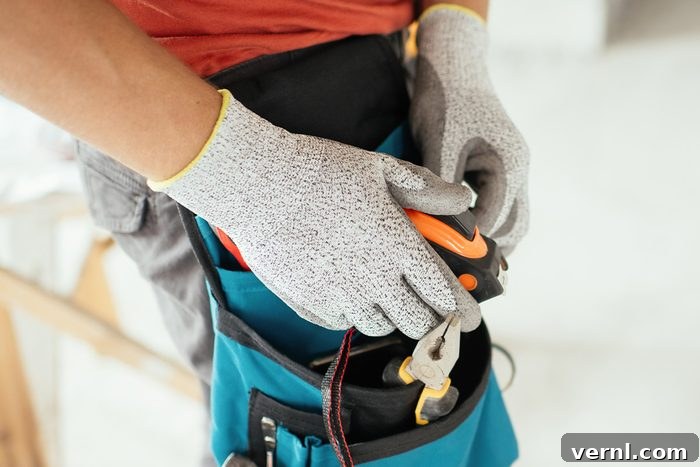
Work gloves are indispensable for a multitude of tasks, providing crucial protection against cuts, abrasions, splinters, and chemical exposure. Traditionally, leather has been the material of choice due to its durability and protective qualities. However, in hot weather, leather’s insulating properties become a significant disadvantage, trapping heat and sweat against your hands, leading to discomfort, reduced grip, and even skin irritation. The solution lies in modern, breathable alternatives. You can achieve full protection and significantly greater comfort by wearing breathable gloves made from synthetic mesh fabrics. These materials are engineered to offer comparable protection to traditional leather while actively promoting airflow and helping to evaporate sweat. This keeps your hands drier, cooler, and more comfortable, allowing for better dexterity and sustained performance. With a typical cost of about $40, upgrading to breathable work gloves is a small investment for a significant improvement in your overall comfort and efficiency when working in hot conditions.
Keep a Cooling Towel Handy: A Simple Yet Effective Heat Buffer
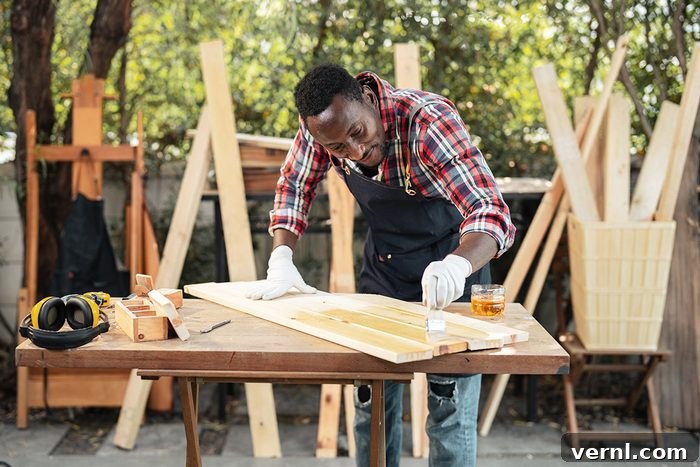
Profuse sweating is an unavoidable reality when engaging in physical labor in the heat. For tasks requiring precision, such as preparing woodwork or flooring for a new finish, dripping sweat can quickly become a frustrating and counterproductive problem. This is why keeping a towel within easy reach is an essential, often overlooked, tip. Tucked into a back pocket or draped over a shoulder, a towel serves multiple purposes. Beyond simply wiping sweat from your brow, it can be tied around your head like a scarf for additional head and neck protection. More importantly, when dampened with water and draped around your neck or wrists, a towel can provide instant, localized cooling through evaporative action, helping to lower your core body temperature. A five-dollar dish towel is perfectly adequate for this purpose; you might even find one at your local dollar store. This simple, inexpensive item is a versatile piece of gear to stay cool and maintain focus.
Implement Smart Work Strategies: Prioritize Breaks and Pacing
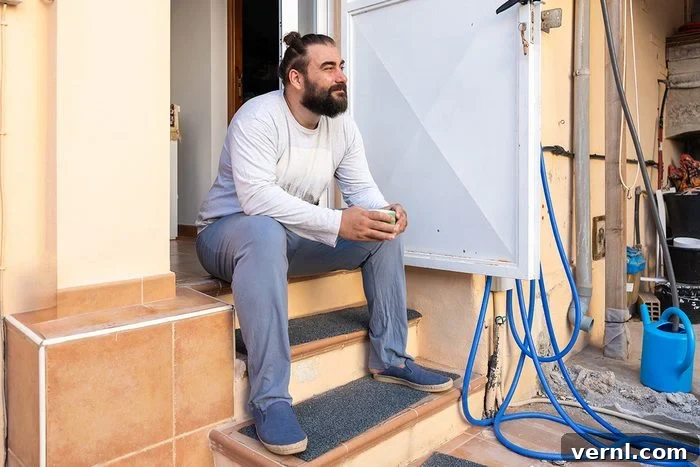
Beyond specialized gear, perhaps the most critical component of heat safety is a strategic approach to your work schedule and pace. This is more of a disciplined strategy than a piece of equipment, but its impact on your well-being is profound. When working in hot weather, it’s essential to work slowly and take frequent, structured breaks. I personally advocate for a break every 15 minutes, using that time to step into the shade, rehydrate with water, and allow my body to cool down. The temptation to push through and finish a job quickly can be strong, but your health and safety should always take precedence over speed. If a job has a strict deadline that clashes with a hot day, it’s far wiser to reschedule for a cooler day or adjust expectations regarding completion time. Listening to your body, recognizing early signs of heat stress, and proactively resting are fundamental practices that protect you from more serious heat-related illnesses. Prioritize your well-being; a healthy worker is a productive worker.
Beyond Gear: Holistic Approaches to Heat Safety
While having the right gear is crucial, a comprehensive heat safety plan involves more than just equipment. Consider these additional strategies:
- Acclimatization: If you’re not used to working in the heat, gradually increase your exposure time over several days. This allows your body to adapt.
- Monitor Yourself and Others: Be aware of the signs and symptoms of heat illness in yourself and anyone working with you. Don’t hesitate to call for help if needed.
- Electrolyte Balance: While water is essential, for prolonged sweating, consider sports drinks or electrolyte supplements to replenish vital salts and minerals.
- Nutrition: Eat light, regular meals. Heavy meals can increase metabolic heat production.
- Start Early/Finish Late: Schedule demanding tasks for the cooler parts of the day, typically early morning or late afternoon/evening.
About Our Expert Contributors
We extend our gratitude to these industry professionals for sharing their invaluable real-world experience and insights:
- Lachlan Buchan is a multi-licensed tradesman who resides and works in rural Australia, a region renowned for its challenging heat. He was introduced to us by Jo Hayes, the esteemed founder of EtiquetteExpert.org.
- Danny Niemela serves as the co-owner of ArDan Construction, a distinguished luxury home remodeling firm based in Scottsdale, Arizona, an area frequently subjected to extreme temperatures.
Source for Heat Safety Guidelines
Our foundational understanding of occupational heat exposure and safety protocols is informed by leading health and safety authorities:
- U.S. Occupations Safety & Health Administration: Heat; (Accessed 2025)
By integrating smart gear choices with proactive work strategies, you can confidently tackle your projects, even on the hottest days, safeguarding your health and enhancing your comfort.