
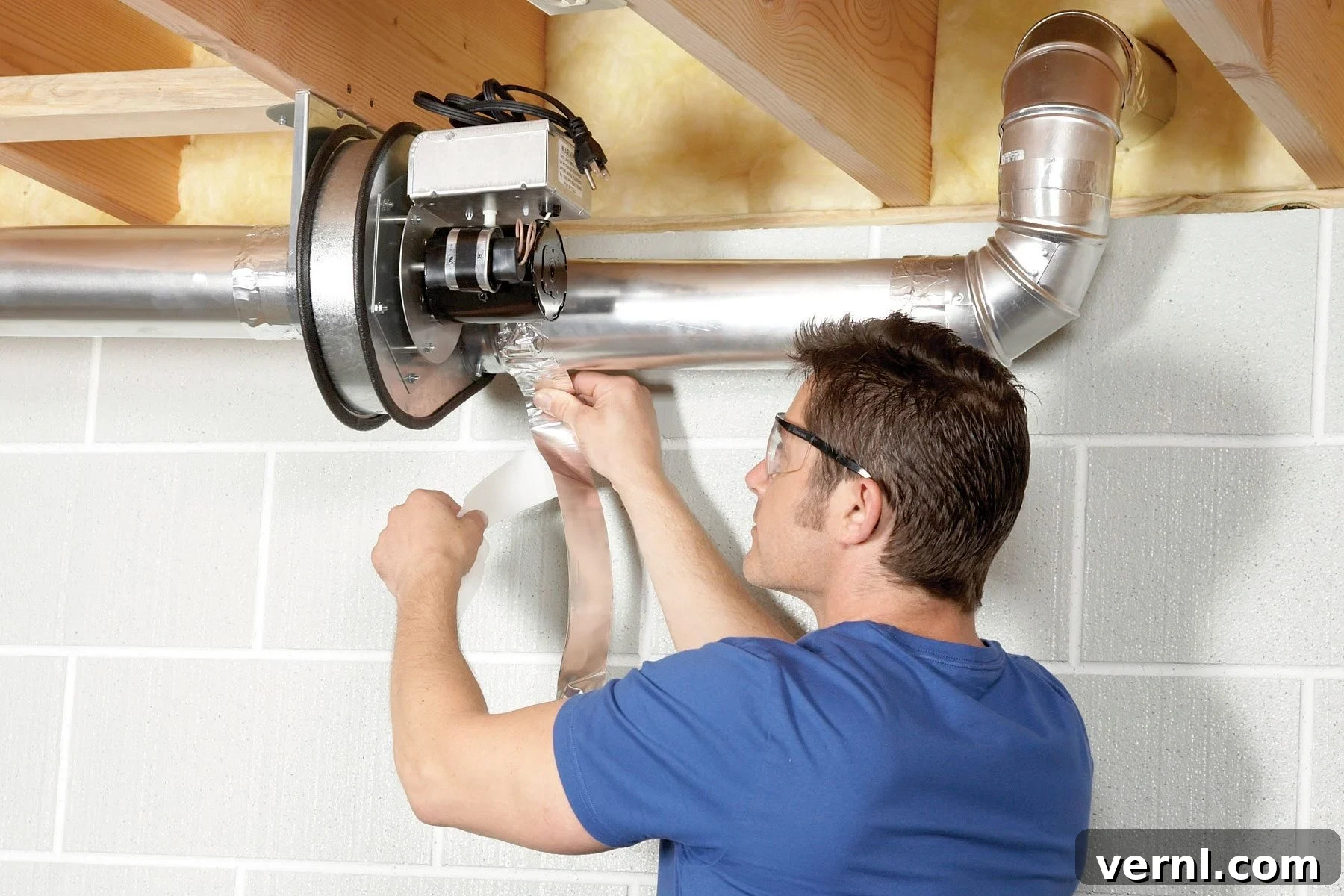
Have you ever experienced the frustration of clothes that simply won’t dry, even after multiple cycles? Perhaps your utility bills have been mysteriously climbing, or you’ve noticed your dryer running hotter than usual. These are common dilemmas for homeowners, often signaling an underlying issue with the dryer’s ventilation system. For many, the solution lies in a specialized yet often overlooked device: the dryer vent booster fan.
Understanding whether a dryer vent booster fan is a necessary investment for your home can be confusing. Is it just another gadget, or a vital component for optimizing your laundry routine and ensuring home safety? To shed light on this crucial topic, we consulted with leading experts in the field: Kevin Busch, President of Dryer Vent Wizard, and Josh Mitchell, an HVAC technician and founder of The Air Conditioner Lab. Both professionals bring extensive knowledge and practical experience in installing, maintaining, and troubleshooting dryer vent systems, offering invaluable insights into the functionality and benefits of booster fans.
What Exactly is a Dryer Vent Booster Fan?
At its core, a dryer vent booster fan is an inline fan designed to significantly increase the airflow within your dryer’s exhaust ductwork. This increased airflow is crucial for expelling warm, moist air and lint efficiently out of your home. Without adequate airflow, especially in longer or more complex vent runs, your dryer struggles to perform its primary function: drying clothes effectively.
It’s important to distinguish a dryer vent booster fan from a standard duct fan. While both types of fans move air, their designs and operational capabilities are vastly different, particularly when it comes to handling the unique environment of a dryer vent. Standard duct fans are typically built for general ventilation purposes, moving relatively clean air or air with minimal dust. Their simple designs and open motors are not equipped to handle the specific challenges presented by a dryer’s exhaust.
Dryer vent booster fans, however, are engineered with these challenges in mind. They are specifically designed to safely and efficiently manage the continuous flow of lint, moisture, and hot air. This specialized design often includes features like sealed motors to prevent lint from entering and causing overheating or ignition, robust construction to withstand constant exposure to heat and humidity, and impeller designs optimized for moving fibrous material. Attempting to use a standard duct fan in a dryer vent system would not only be ineffective but could also create a severe fire hazard due to lint accumulation around exposed motor components. A simple visual cue to differentiate them: dryer vent booster fans typically feature a larger, more durable housing and come with a higher price tag reflective of their specialized engineering and critical safety features.
Do Dryer Vent Booster Fans Truly Make a Difference?
The short answer is a resounding “yes.” Dryer vent booster fans are highly effective at enhancing airflow and optimizing dryer performance, especially in scenarios where the vent system presents significant resistance. Their ability to overcome static pressure within the ductwork ensures that your dryer can operate as intended, even with challenging vent configurations.
Josh Mitchell vividly recounts a success story that perfectly illustrates the impact of these devices. “A customer was consistently dealing with frustratingly damp clothes and noticeably high utility bills,” he explains. “Upon a thorough inspection, I discovered their dryer vent run extended over 40 feet and incorporated several sharp bends – a common recipe for poor ventilation.”
The transformation after installing a dryer vent booster fan was remarkable. “Drying times were dramatically cut in half, and their energy consumption dropped significantly,” Mitchell notes. “It was a textbook example of how the right solution can resolve a very common, yet often misunderstood, household problem.” Beyond just faster drying, the benefits extend to reduced wear and tear on the dryer itself, as the appliance no longer has to overwork to dry loads. This translates into extended dryer lifespan and further savings on appliance repair or replacement costs.
Who Benefits Most from a Dryer Vent Booster Fan?
While dryer vent booster fans undeniably offer significant advantages, they are not a universal solution for every household. Their true impact is contingent on the specific characteristics of your dryer’s vent line. If your home features a short, straight vent run with minimal bends, installing a booster fan might offer negligible benefits, akin to trying to boost an already efficient system.
Determining whether a booster fan is right for you involves evaluating both the physical design of your vent system and any tell-tale signs of impaired dryer performance. Our experts recommend looking for a combination of these indicators:
- Long Vent Runs: According to Kevin Busch, president of Dryer Vent Wizard, vent lines exceeding 35 feet in length are prime candidates for a booster fan. Manufacturers typically design dryers to handle vent runs up to a certain length (often around 25 feet), with each bend reducing that effective length.
- Vertical Runs: Venting a dryer upwards through a ceiling or multiple stories adds significant resistance due to gravity and increased surface friction.
- Complex Vent Paths: Multiple sharp turns, numerous bends (especially 90-degree elbows), or constricted sections create considerable back pressure, impeding airflow. Each 90-degree bend can effectively add 5-8 feet to the total equivalent length of the vent run.
- High Utility Bills: If your clothes take longer to dry, your dryer consumes more energy, leading to higher electricity or gas bills.
- Clothes Taking an Excessive Amount of Time to Dry: This is one of the most immediate and frustrating signs of poor ventilation. Damp clothes after a full cycle indicate insufficient hot air expulsion.
- The Exterior of the Dryer Becoming Unusually Hot: An overheating dryer suggests that hot, moist air is not being efficiently exhausted, causing the appliance to retain excessive heat.
- Excessive Lint Buildup: More lint than usual around the dryer’s opening or within the lint trap after a cycle can indicate that airflow isn’t strong enough to carry lint through the vent.
- Musty or Burning Smell: A musty odor can signal moisture accumulation in the vent, while a burning smell is a serious warning sign of lint overheating.
Hazards of a Clogged or Inefficient Vent Line
Both experts unequivocally stress the serious risks associated with inadequate airflow in your dryer vent line. Ignoring these issues can lead to several critical problems, impacting both your wallet and, more importantly, your safety:
- Reduced Dryer Lifespan: When a dryer has to work harder and run longer to dry clothes due to poor ventilation, its internal components, especially the heating element and motor, experience increased stress and overheating. This accelerates wear and tear, significantly shortening the appliance’s overall lifespan and leading to costly repairs or premature replacement.
- Increased Energy Costs: A dryer operating inefficiently will run for extended periods to achieve dryness, consuming substantially more electricity or gas. This inefficiency directly translates into higher utility bills each month, eating away at your household budget.
- Serious Fire Hazards: This is arguably the most critical and potentially devastating consequence. Lowered airflow means that lint, a highly flammable material, does not get properly cleared from the vent line. Instead, it accumulates within the ductwork, creating thick layers of combustible material. The heating element in your dryer can reach extremely high temperatures, and when combined with accumulated lint, it creates a perfect scenario for ignition. Dryer fires are unfortunately one of the leading causes of home fires, often resulting in significant property damage and posing a severe threat to life.
- Potential for Carbon Monoxide Poisoning (Gas Dryers): For homes with gas dryers, an obstructed vent line can also pose the risk of carbon monoxide (CO) buildup. If combustion gases cannot properly escape through the vent, they can back up into your home. Carbon monoxide is an odorless, colorless gas that can be deadly, making proper ventilation absolutely crucial for gas dryer users.
What is the Cost of a Dryer Vent Booster Fan?
The typical cost for a quality dryer vent booster fan generally ranges between $200 and $300. This price point reflects the specialized engineering and critical safety features that differentiate them from standard, less robust duct fans. These safety features, such as sealed motors and lint-resistant components, are essential for safe operation within a dryer’s environment and contribute to the higher cost.
Several additional factors can influence the final price:
- Airflow Capacity (CFM): Fans with higher cubic feet per minute (CFM) ratings, designed for longer or more restrictive vent runs, often come at a premium.
- Brand and Quality: Reputable brands known for durability and reliability may have slightly higher prices but typically offer better performance and longevity.
- Advanced Features: Some booster fans include smart features like pressure sensors that activate the fan only when the dryer is running, indicator lights for operational status, or automatic shut-off mechanisms. These added functionalities can increase the cost.
- Warranty Duration: Models with extended warranties, reflecting manufacturer confidence in their product, might be priced slightly higher.
- Installation Costs: It’s important to remember that the fan’s price does not typically include installation. Professional installation can add another $200-$500, depending on the complexity of the job, local labor rates, and whether new electrical wiring or ductwork modifications are required.
Considering the potential for significant energy savings and the prevention of costly repairs or even dangerous dryer fires, a dryer vent booster fan represents a valuable investment that offers a strong return on investment (ROI) over its lifespan.
Is Dryer Vent Booster Fan Installation a DIY Project?
While the idea of saving money by tackling home improvement projects yourself is appealing, installing a dryer vent booster fan is one task where caution and professional expertise are strongly advised. As Kevin Busch emphasizes, it is “a technical and difficult job involving electrical connections and duct work.” This isn’t just about connecting two pipes; it’s about creating a safe, efficient, and code-compliant ventilation system.
Josh Mitchell echoes this sentiment, sharing grave concerns about improper DIY attempts. “I’ve witnessed numerous installations gone wrong when homeowners, lacking a full understanding of proper placement, secure duct connections, and electrical safety, attempted to do it themselves,” he states. “In one particularly alarming instance, a poorly installed booster fan came loose within the wall, leading to a massive lint buildup that could have easily ignited. It was a near-miss fire situation that underscored the critical importance of professional installation.”
The risks associated with improper installation are substantial and include:
- Fire Hazards: Insecure duct connections can lead to air leaks and lint escaping into wall cavities, creating hidden fire risks. Improper electrical wiring can also cause shorts or overheating.
- Reduced Efficiency: Incorrect placement of the fan, poor sealing of ductwork, or inadequate electrical supply can render the booster fan ineffective, negating its purpose and wasting your investment.
- Damage to the Dryer or Fan: Over-tightening connections, using incompatible materials, or faulty electrical work can damage either the booster fan itself or your dryer.
- Violation of Building Codes: Many areas have specific building codes regarding dryer vent installations, especially concerning electrical work and fire safety. Non-compliant installations can lead to issues during home inspections or insurance claims.
For these critical safety and efficiency reasons, entrusting the installation to a qualified professional is highly recommended. They possess the necessary tools, knowledge, and experience to ensure the job is done correctly, safely, and in compliance with all relevant regulations, providing you with peace of mind.
Professional Guidance: How To Install a Dryer Vent Booster Fan
For those with a strong background in electrical work and duct system assembly, and an unwavering commitment to safety, installing a dryer vent booster fan might be attempted with extreme caution. However, it’s paramount to reiterate that this is a complex task best left to professionals. Should you choose to proceed, meticulously read and understand the manufacturer’s instructions from start to finish, as they contain critical model-specific information and safety warnings. Ensure you have the following tools and materials:
- Drill/driver
- Tin snips for clean duct cuts
- Foil tape (specifically for ductwork, ensuring airtight seals)
- Dryer vent tape or clamps
- Measuring tape
- Screwdriver set
- Pencil or marker
- Personal protective equipment (gloves, eye protection)
- Possibly an electrical line, junction box, and appropriate wiring connectors if no suitable outlet is available.
- Potentially materials to open and repair a wall or ceiling for concealed installations.
Here’s a simplified overview of the general steps, emphasizing that each specific model and home configuration will require nuanced adjustments:
- Plan the Location: The booster fan should be installed in a convenient, accessible location in the dryer vent line, ideally 10 to 15 feet away from the dryer’s exhaust and at least 5 feet from the exterior wall termination. This placement allows the fan to effectively pull air from the dryer while having enough straight ductwork on either side for optimal performance and reducing lint accumulation directly at the fan inlet.
- Prepare the Ductwork: Power down your dryer. Carefully cut the existing duct at the chosen location using tin snips, ensuring a clean, straight cut. It’s crucial to select a section that provides enough space for the fan unit and its connections without straining the duct.
- Mount the Booster Fan: Securely mount the booster fan housing to a sturdy structural element, such as a ceiling joist or wall stud, using appropriate fasteners. Proper mounting prevents vibration and ensures the unit remains stable over time.
- Connect and Seal Ductwork: Attach the inlet and outlet of the booster fan to the severed ends of your dryer ductwork. Use vent clamps or sturdy foil tape to create completely airtight and secure connections. Any leaks will reduce efficiency and allow lint to escape into wall cavities, posing a fire risk.
- Establish Electrical Connection: This is a critical step that often requires professional assistance. The fan needs a dedicated electrical supply. If an existing, suitable outlet is nearby, simply plug the fan in. If not, you may need to run a new electrical line from a power source, install a junction box, and wire the fan according to local electrical codes. Some booster fans include pressure switches that automatically activate the fan when the dryer is running, which need to be correctly wired into the system. ALWAYS disconnect power at the circuit breaker before performing any electrical work.
- Test and Inspect: Once installed and wired, turn the dryer on to a no-heat setting and verify that the booster fan activates and runs smoothly. Visually inspect all connections for air leaks and listen for unusual noises.
Always consult local building codes and consider hiring a licensed electrician or HVAC professional, especially for the electrical wiring and final system check.
Essential Dryer Vent Booster Fan Maintenance
To ensure your dryer vent booster fan continues to operate safely and efficiently, regular maintenance is absolutely crucial. Neglecting this can lead to reduced performance, increased energy consumption, and, most importantly, heightened fire risks. Kevin Busch strongly recommends regularly scheduled cleaning and visual inspections as part of your routine home maintenance.
Key maintenance practices include:
- Regular Cleaning: Lint will inevitably accumulate within the booster fan’s housing and on its impeller blades. Manufacturers typically recommend cleaning the fan every 6 to 12 months, or more frequently depending on dryer usage and household laundry volume. Always disconnect power to the fan at the circuit breaker before attempting any cleaning. Carefully open the housing (following manufacturer instructions) and use a vacuum cleaner with a hose attachment or a brush to thoroughly remove all lint buildup from the fan blades, motor, and housing interior.
- Periodic Visual Inspections: Beyond cleaning, periodically inspect the entire dryer vent system, including the booster fan. Look for any signs of loose or disconnected components, tears in the ductwork, or crushed sections that could restrict airflow. Check the exterior vent hood for blockages from lint, bird nests, or other debris.
- Verify Operation: Josh Mitchell emphasizes, “It’s important to verify that the booster fan is functioning every time the dryer is on.” Many modern booster fan models come equipped with indicator lights that visually confirm operation, greatly simplifying this verification process. If your fan lacks an indicator light, you might be able to feel for air movement or listen for the fan’s sound. “If a fan fails to operate correctly – whether it’s not turning on, making unusual noises, or showing signs of reduced performance – it needs to be serviced or inspected by a professional immediately to prevent further issues or safety hazards,” Mitchell advises.
By adhering to a consistent maintenance schedule, you can ensure your dryer vent booster fan continues to provide efficient airflow, protect your home from fire risks, and extend the lifespan of your valuable laundry appliances.
About the Experts
- Kevin Busch is the esteemed president of Dryer Vent Wizard, a reputable national home service franchise dedicated to providing professional dryer duct and vent cleaning, inspection, repair, and maintenance services. As a Certified Franchise Executive through the International Franchise Association, Busch brings more than two decades of extensive experience in retail and home services operations and management, making him a trusted authority in home ventilation solutions.
- Josh Mitchell is the resourceful owner of The Air Conditioner Lab, an invaluable online resource that offers comprehensive solutions and expert advice for a wide array of home HVAC and air conditioning issues, reflecting his deep understanding of climate control and air circulation systems.