Create a Vibrant Pollinator Paradise: Your Guide to Nectar-Rich Container Gardens
Transforming your garden into a haven for hummingbirds and butterflies is a truly rewarding endeavor. These exquisite creatures not only add a dynamic splash of color and life to your outdoor spaces but also play a vital role in our ecosystem. Whether you boast an expansive backyard or are limited to a cozy balcony or a compact patio, cultivating nectar-rich blooms in pots offers an incredibly effective and accessible strategy to boost the hummingbird and butterfly population right outside your door.
There’s an undeniable charm in watching a hummingbird hover, its tiny wings a blur, as it sips nectar from a vibrant flower, or observing a majestic butterfly gently alight on a petal. These cherished fliers are irresistibly drawn to colorful blossoms, particularly those conveniently nestled within beautifully arranged pots. The paramount advantage of this small-space gardening approach lies in its unparalleled flexibility. You can strategically place your pots wherever they are most needed and most effective—whether that’s adjacent to a sugar-water feeder for an extra attraction, tucked into a shady corner that needs a burst of life, or proudly displayed on a sun-drenched balcony.
Container gardening provides an ideal solution for urban dwellers, apartment residents, or anyone looking to maximize a confined outdoor area. It allows you to curate miniature ecosystems, bringing nature closer to your living space. Dive into the world of potted pollinator gardens, explore our suggested plant combinations, or feel free to mix and match with other beloved hummingbird and butterfly favorites to craft a personalized oasis.
Discover the type of birdbath hummingbirds adore.
Why Choose Container Gardening for Pollinators?
The beauty of container gardening extends far beyond its aesthetic appeal. For attracting delicate pollinators like hummingbirds and butterflies, it offers several distinct advantages:
- Unmatched Flexibility: Pots grant you the freedom to move plants as needed. You can shift them to catch optimal sunlight throughout the day, provide shelter from harsh winds or heavy rain, or even bring them indoors during unexpected cold snaps. This adaptability ensures your nectar sources are always in prime condition for your winged visitors.
- Space Optimization: For those with limited ground space, containers are a game-changer. Balconies, patios, front porches, and even windowsills can become vibrant pollinator stations. You can create a vertical garden with tiered planters or hang baskets, maximizing every square inch.
- Environmental Control: With containers, you have complete command over the soil quality, moisture levels, and nutrient content. This allows you to provide the precise conditions that nectar-rich plants thrive in, leading to healthier plants and a more abundant supply of food for pollinators.
- Pest Management: It’s often easier to monitor and manage pests or diseases in potted plants, as they are isolated from the rest of the garden. This reduces the need for broad-spectrum pesticides, which are harmful to pollinators.
- Aesthetic Appeal: Containers are decorative elements in themselves. You can choose pots that complement your home’s exterior, add architectural interest, or introduce pops of color, creating a visually stunning landscape that attracts both humans and wildlife.
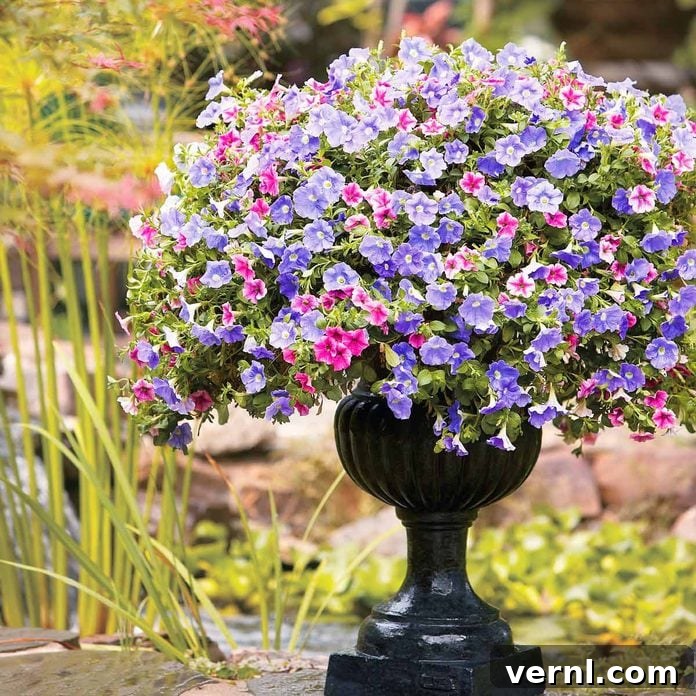
Selecting Nectar-Rich Blooms for Your Pots
To effectively attract hummingbirds and butterflies, understanding their preferences is key. Both species are drawn to specific flower characteristics:
- Color: Hummingbirds are particularly attracted to bright red, orange, and pink flowers. Butterflies, while also enjoying these colors, are also keen on purple, yellow, and white blossoms.
- Shape: Hummingbirds prefer tubular flowers, which are perfectly designed for their long beaks to access nectar. Butterflies often prefer flatter landing platforms on which to rest while feeding.
- Nectar Content: Ensure the plants you choose are known for producing abundant nectar. Avoid highly hybridized varieties that may have reduced nectar stores.
- Continuous Bloomers: Opt for plants that offer a long blooming season or rebloom quickly after deadheading, ensuring a consistent food source throughout spring, summer, and fall.
Top Plant Picks for Hummingbirds in Containers:
- Salvia (Sage): Many varieties, especially ‘Lady in Red’ or ‘Hot Lips’, offer vibrant, tubular flowers in reds and purples that hummingbirds adore. They are also drought-tolerant once established.
- Fuchsia: The pendulous, bell-shaped flowers of fuchsia are a hummingbird magnet, especially in shadier spots. Trailing varieties are perfect for hanging baskets.
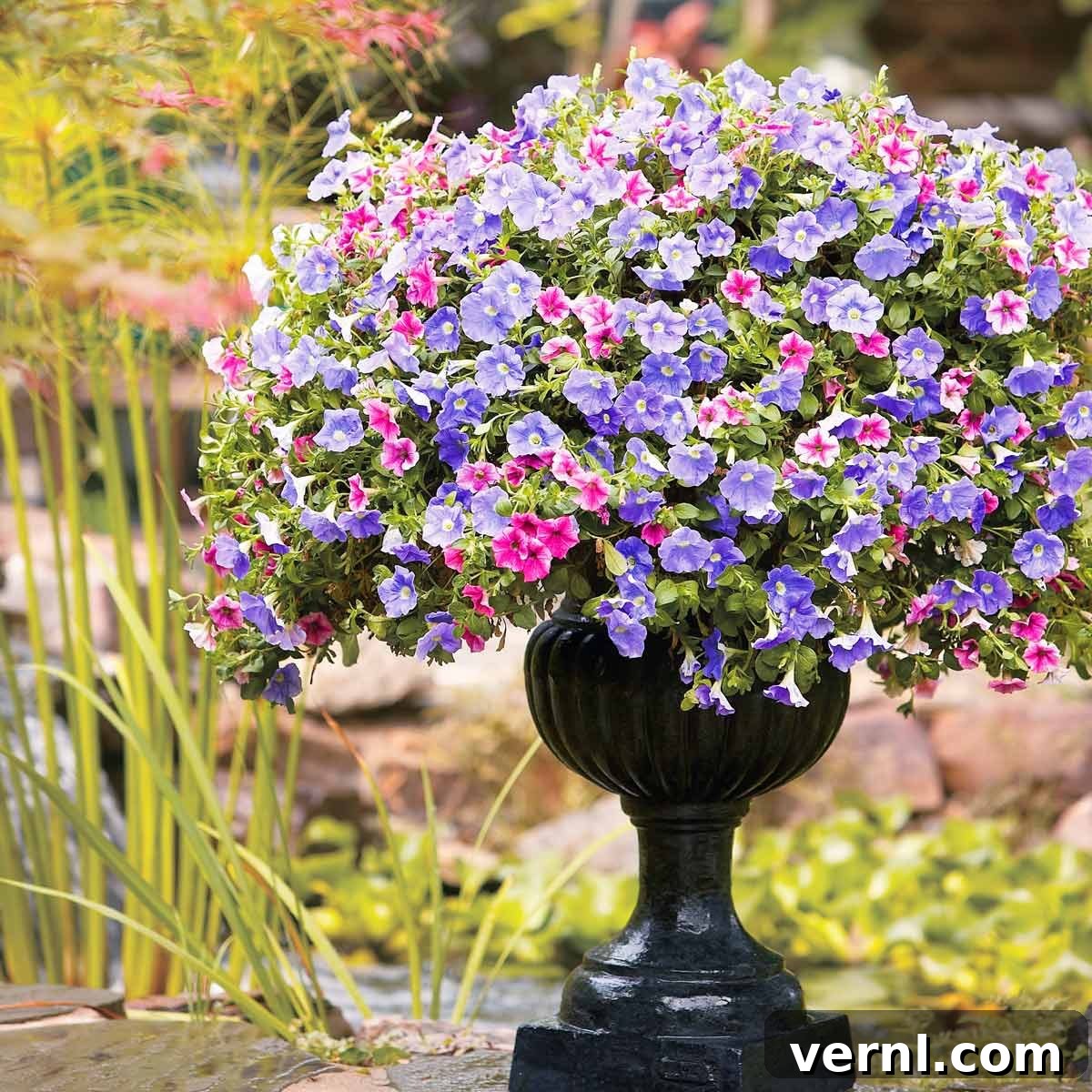
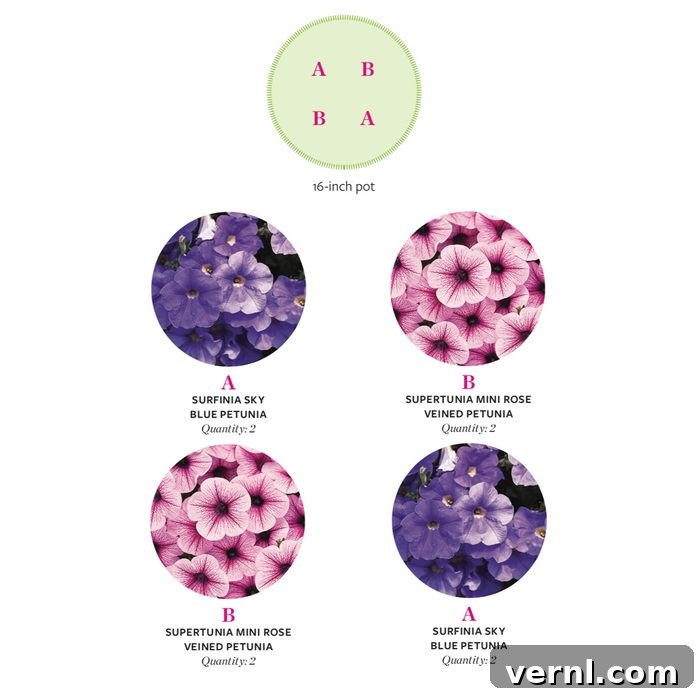
- Petunia: While common, certain petunia varieties, particularly those with deep throats and bright colors, are loved by hummingbirds.
- Cuphea (Firecracker Plant): Its tiny, tubular red-orange flowers resemble lit firecrackers, making it an irresistible beacon for hummingbirds.
- Lantana: Clusters of small, vibrant flowers provide both nectar for hummingbirds and a landing pad for butterflies. It thrives in full sun and heat.
- Canna Lily: Bold and dramatic, cannas produce large, showy blooms in warm colors that are often visited by hummingbirds.
Top Plant Picks for Butterflies in Containers:
- Zinnia: Easy to grow from seed and incredibly rewarding, zinnias come in a kaleidoscope of colors and provide excellent landing spots for butterflies.
- Marigold: Bright and cheerful, marigolds attract various butterflies and deter some garden pests.
- Coneflower (Echinacea): These daisy-like flowers with prominent central cones are perennial favorites for many butterfly species.
- Bee Balm (Monarda): With its unique, spiky flowers, Bee Balm is a fantastic source of nectar and visually appealing.
- Pentas: Often called “Egyptian Starcluster,” pentas produce clusters of star-shaped flowers that butterflies can’t resist.
- Butterfly Bush (Buddleja): While some varieties can be aggressive in the ground, dwarf butterfly bush cultivars are perfect for large containers, offering long-lasting, fragrant blooms.
Creating Harmonious Container Combos
To maximize visual impact and pollinator appeal, consider the “thriller, filler, spiller” approach to container design:
- Thriller: A tall, dramatic plant that provides vertical interest (e.g., Canna Lily, tall Salvia).
- Filler: Medium-height plants that fill out the middle of the pot with lush foliage and flowers (e.g., Pentas, Zinnia, shorter Salvia varieties).
- Spiller: Trailing plants that cascade over the edge of the pot, softening its lines (e.g., Fuchsia, Verbena, sweet potato vine).
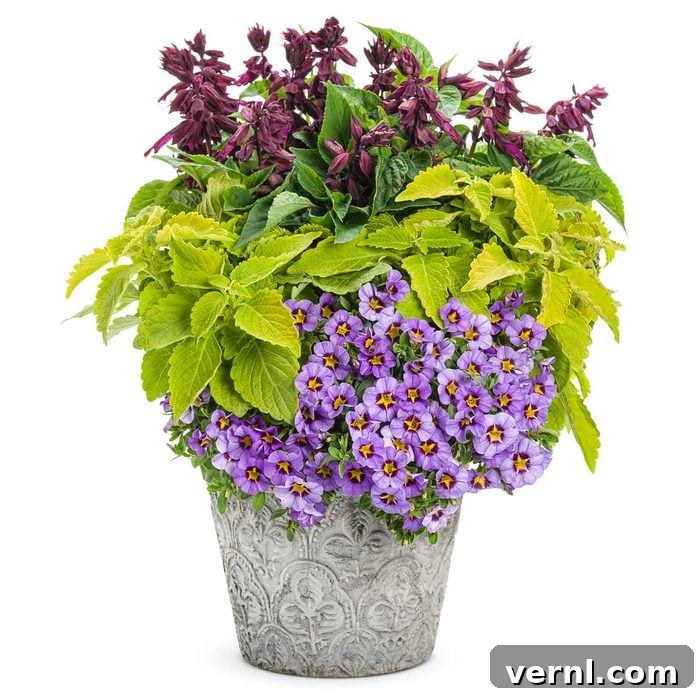
Combo Idea 1: Sunny Sensation for Hummingbirds & Butterflies
- Thriller: ‘Mystic Spires Blue’ Salvia (for height and blue/purple nectar)
- Filler: Lantana ‘Bandana Red’ (for warm colors and heat tolerance)
- Spiller: Calibrachoa ‘Superbells Cherry Star’ (mini petunias for continuous bloom and trailing effect)
Combo Idea 2: Partial Shade Oasis for Hummingbirds
- Thriller: Upright Fuchsia ‘Gartenmeister Bonstedt’ (long, tubular orange-red flowers)
- Filler: Impatiens ‘Beacon Series’ (disease-resistant, vibrant color)
- Spiller: Trailing Lobelia ‘Riviera Midnight Blue’ (delicate blue flowers to spill over the edge)
The Dirt on Dirt: Choosing the Right Potting Mix
It’s incredibly tempting to simply scoop some ordinary garden soil directly into your containers. However, resisting this urge is crucial for the success of your potted plants and, by extension, your pollinator efforts. Garden soil, while rich in nutrients for in-ground plants, often becomes compacted in a container, leading to poor drainage, insufficient aeration, and root rot. This creates an unhealthy environment for your plants and makes it difficult for roots to access vital oxygen and nutrients.
For optimal results, a high-quality potting mix is essential. These specially formulated mixes provide the perfect balance of drainage, aeration, and moisture retention necessary for container-bound roots to thrive. Look for mixes that include a combination of the following key materials:
- Peat Moss or Coco Coir: These organic components are excellent for retaining moisture and nutrients, slowly releasing them as the plant needs them. Coco coir is a more sustainable alternative to peat moss.
- Perlite or Vermiculite: These lightweight, porous minerals are vital for improving drainage and aeration. Perlite, appearing as tiny white balls, prevents compaction, while vermiculite also aids in moisture retention.
- Compost: Adding a small amount of well-rotted compost introduces beneficial microorganisms and a slow release of essential nutrients, enriching the mix naturally.
- Sand (Coarse Horticultural): In some mixes, a small amount of coarse sand can further enhance drainage, especially for plants that prefer drier conditions.
- Slow-Release Fertilizer: Many commercial potting mixes come pre-mixed with a slow-release fertilizer, providing a steady supply of nutrients over several months. If not, consider adding one yourself at planting time.
A good potting mix ensures your plants have the light, fluffy medium they need to establish strong root systems, absorb water efficiently, and remain healthy and vigorous throughout their growing season. This directly translates to more abundant blooms and a more attractive feast for your beloved hummingbirds and butterflies.
Next, learn 13 jaw-dropping facts about hummingbirds.
Essential Care for Thriving Container Gardens
Once your pollinator pots are planted, proper care ensures they remain vibrant and attractive throughout the season:
- Watering: Container plants dry out faster than garden beds. Check soil moisture daily, especially during hot weather. Water thoroughly until it drains from the bottom, but avoid leaving pots in standing water.
- Fertilizing: Since frequent watering can leach nutrients, regular feeding is crucial. Use a balanced liquid fertilizer every 2-4 weeks, or incorporate a slow-release granular fertilizer at planting time.
- Deadheading: Regularly remove spent blooms (deadhead) to encourage new flower production and prevent the plant from putting energy into seed formation.
- Pest and Disease Monitoring: Inspect your plants regularly for signs of pests or diseases. Address issues promptly using organic solutions like insecticidal soap, neem oil, or manual removal, avoiding harmful chemical pesticides that can affect pollinators.
Beyond the Blooms: Creating a Holistic Pollinator Habitat
While nectar-rich flowers are the primary draw, consider these additional elements to make your container garden even more welcoming:
- Water Source: A shallow birdbath or a small dish with pebbles provides a safe place for butterflies to drink and hummingbirds to bathe.
- Shelter: Nearby shrubs or small trees offer protection from predators and harsh weather, giving pollinators a place to rest.
- Host Plants for Butterflies: While containers are great for nectar, remember that butterflies also need host plants where they can lay their eggs. If space allows, consider a milkweed plant for Monarchs in a separate pot, for instance.
Embrace the Joy of Pollinator Container Gardening
Creating a container garden specifically designed to attract hummingbirds and butterflies is an incredibly fulfilling way to connect with nature, regardless of your garden’s size. It’s a testament to how even small spaces can make a significant ecological impact. By choosing the right plants, providing proper care, and understanding the needs of these beautiful pollinators, you can transform your patio, balcony, or porch into a bustling, vibrant sanctuary. Enjoy the captivating spectacle of nature unfolding right before your eyes, knowing you’re contributing to the health and beauty of our planet, one pot at a time.