
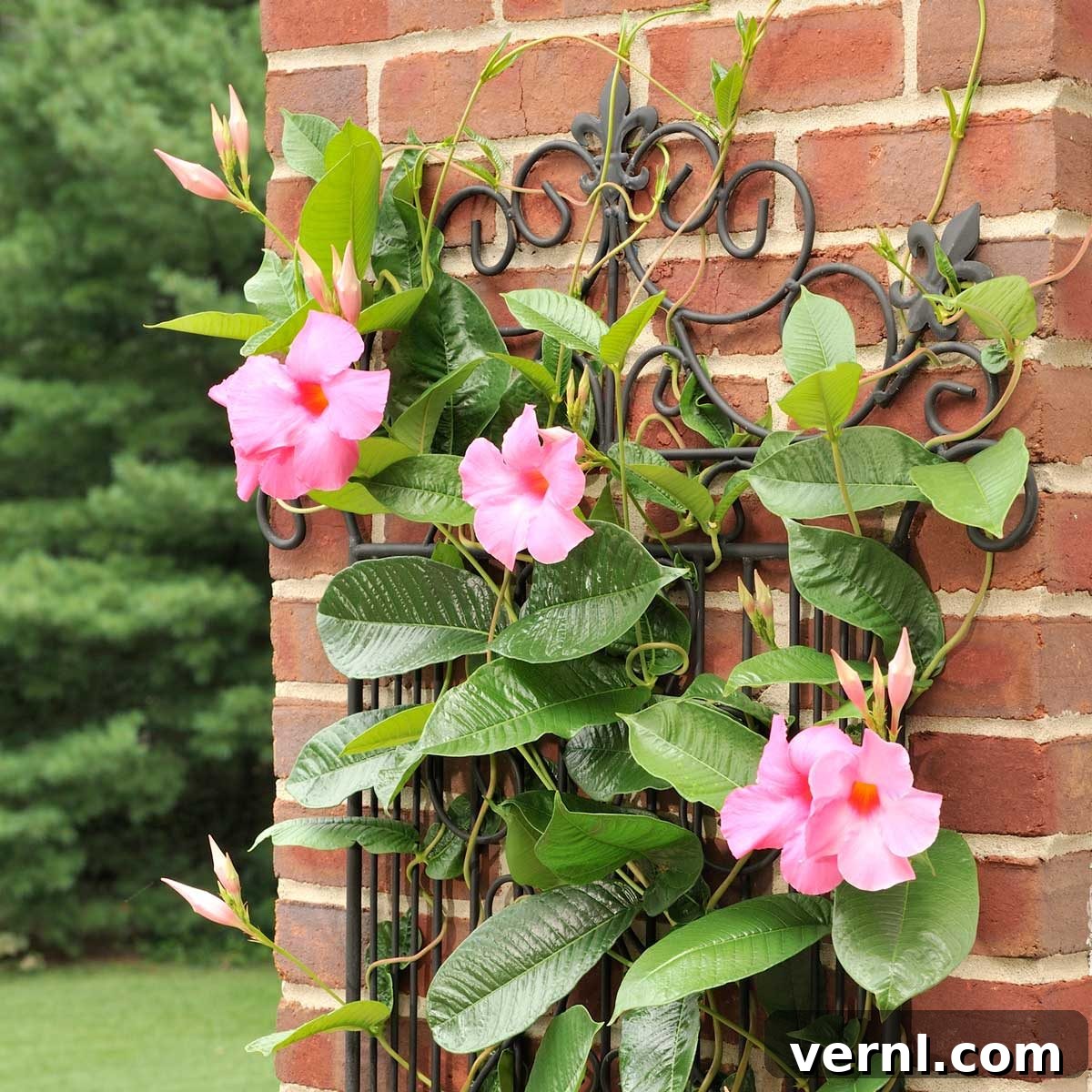
Transform Your Space: The 10 Best Plants for Thriving Container Gardens
Container gardening has revolutionized the way we think about cultivating plants, proving that a green thumb isn’t limited by square footage. Whether you have a spacious patio, a cozy balcony, a sunny windowsill, or just a small corner, pots, bins, and window boxes open up a world of possibilities. This versatile gardening method allows you to bring vibrant life, fresh produce, and beautiful foliage to any spot, offering flexibility, pest control, and an extended growing season. Forget the traditional garden plot; embrace the boundless potential of containers. We’ve compiled a list of 10 exceptional candidates spanning major plant categories, perfect for creating your flourishing container oasis.
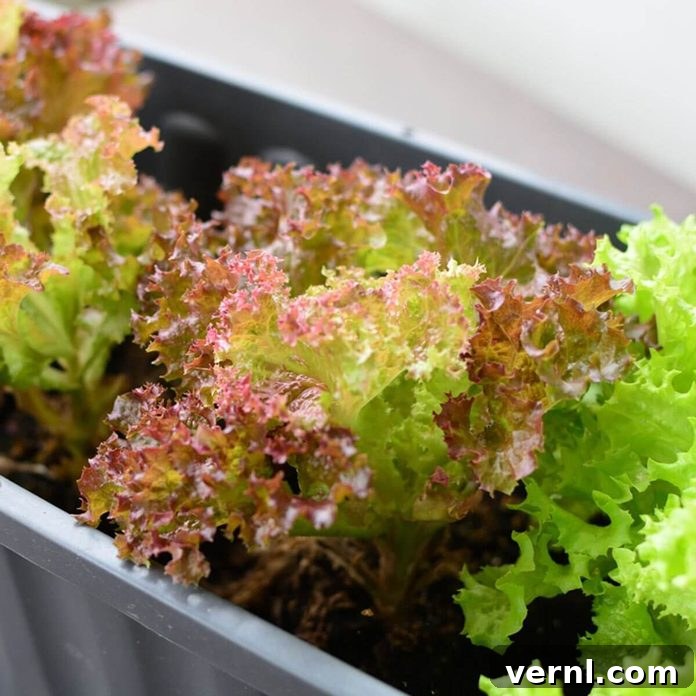
Vegetable: Leaf Lettuce – Your Continuous Salad Bowl
Leaf lettuce stands out as a superstar for container gardening, primarily due to its exceptional ease of growth from seed and its “cut-and-come-again” harvesting style. This makes large bins, window boxes, or even dedicated self-watering planters a natural and highly productive choice for growing your own pesticide-free salad garden. Imagine fresh, crisp greens ready for harvest just steps from your kitchen!
To begin, fill your chosen containers with a high-quality, well-draining potting mix. Sow your lettuce seeds in early to mid-spring, ensuring good soil contact but not burying them too deeply. Lettuce thrives in cooler temperatures and consistent moisture. As the plants mature, you can begin harvesting outer leaves, allowing the inner leaves to continue growing and producing. This method ensures a steady supply of greens over several weeks. Provide partial shade during the hottest parts of the day, especially as temperatures rise, to prevent premature bolting.
When summer heat fully arrives, lettuce tends to “bolt,” meaning it sends up a flower stalk and its leaves become bitter and inedible. Don’t despair! At this point, you can let some plants go to seed to attract pollinators or collect seeds for future planting. Better yet, prepare for a second season by planting a fresh batch in late summer for a bountiful fall harvest, extending your leafy green enjoyment well into the cooler months. For optimal growth, ensure consistent watering, especially in containers, as lettuce can quickly wilt if the soil dries out.
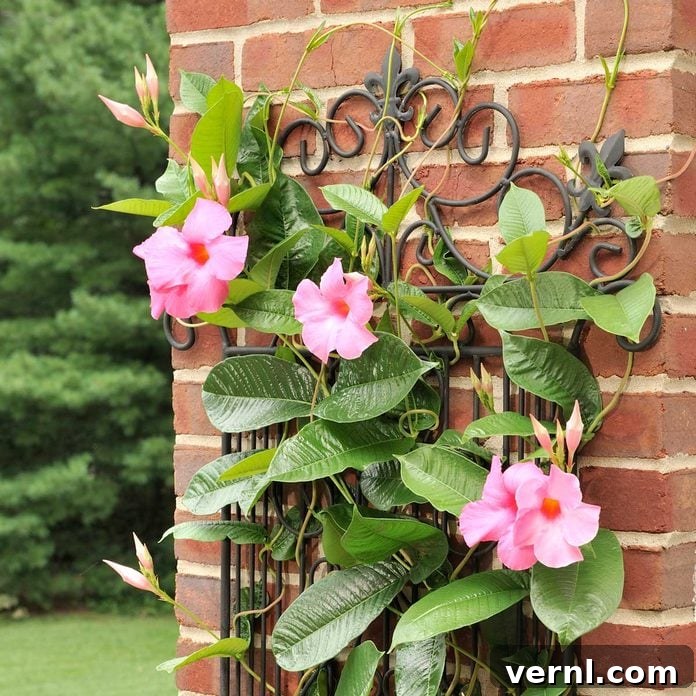
Tropical: Mandevilla – A Touch of Exotic Elegance
Mandevilla is the quintessential tropical vine that instantly transforms any patio or balcony into a vibrant, exotic retreat. While often grown as an annual in cooler northern climates, it is, in fact, a tender tropical perennial. With proper care, particularly keeping temperatures above 50 degrees F (10 degrees C), it can thrive indefinitely, rewarding you with its spectacular blooms season after season.
Characterized by a profusion of large, trumpet-shaped flowers in shades of pink, red, and white, Mandevilla is an undeniable showstopper. Many cultivars are naturally vining and are often sold with their own support trellises, making them ideal for vertical interest in containers. However, if climbing isn’t your preference, lower-growing, bushier varieties are also available. This plant loves abundant sunshine, so place it in a spot where it receives at least six hours of direct sun daily for the best flowering display.
Mandevilla appreciates consistent moisture, but also good drainage. Use a high-quality potting mix, ideally one with moisture-holding crystals, and water regularly, especially during hot, dry spells. Feeding with a balanced liquid fertilizer every two to four weeks during the growing season will encourage continuous blooming. As cooler weather approaches, you can overwinter your Mandevilla to enjoy it again next year. Simply cut the plants back to about one foot, clean up any dead foliage, and store the potted plant in a dark basement or a cool, frost-free garage where temperatures remain between 50 to 60 degrees F (10-15 degrees C). Water sparingly, just enough to prevent the soil from drying out completely, until spring. Once all danger of frost has passed, bring it back outdoors, gradually reintroducing it to sunlight, and watch it burst back to life. For an even grander statement, consider planting your Mandevilla in a DIY arbor with built-in planters for a stunning architectural display.
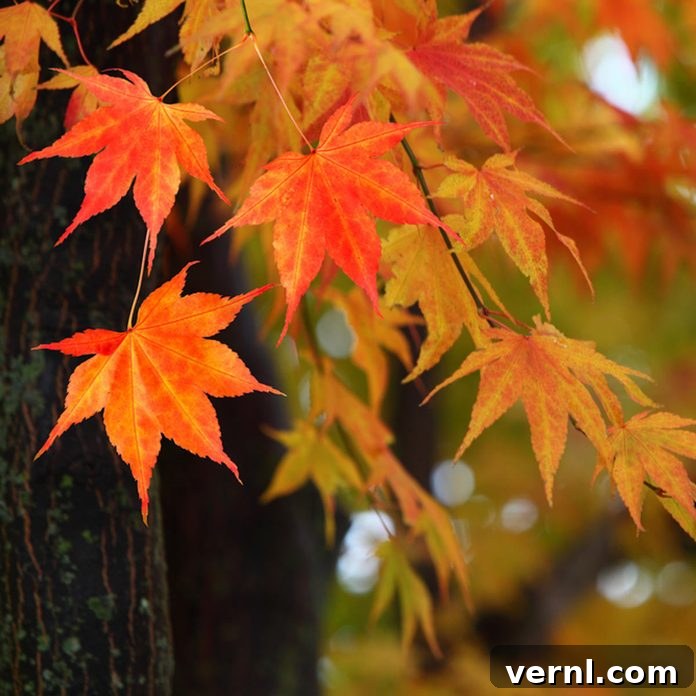
Tree: Japanese Maple – A Sculptural Masterpiece in a Pot
When envisioning container gardens, trees might not be the first plants that come to mind, but Japanese Maples (Acer palmatum) defy this expectation beautifully. With an astonishing array of cultivars, many of which are naturally dwarf or slow-growing, these elegant trees are exceptionally well-suited for container culture, bringing unparalleled beauty and seasonal interest to any patio, deck, or entryway.
The true charm of growing a Japanese Maple in a container lies in its portability and the opportunity to showcase its exquisite form and foliage up close. You can strategically place the pot in a prominent spot to maximize enjoyment of its delicate leaves, which can display stunning colors from vibrant greens to deep reds, oranges, and purples throughout the growing season, culminating in a breathtaking fall display. To ensure its health, particularly in warmer climates, make sure your containerized Japanese Maple receives some afternoon shade during the hottest part of the day, as direct, intense sun can scorch its delicate leaves.
These trees prefer a well-draining, slightly acidic potting mix. Consistent moisture is crucial, but avoid waterlogging the roots. A layer of decorative mulch, such as stones, can help retain soil moisture and add to the aesthetic appeal. For added charm, consider underplanting with variegated lamium or other shade-loving groundcovers that won’t compete excessively for nutrients. For gardeners in cold climates (USDA Plant Hardiness Zones 5 and below), overwintering a Japanese Maple in a container requires a bit of planning. Once the tree goes dormant and sheds its leaves, move the pot into an unheated, attached garage or a cool, sheltered shed. This protects the roots from extreme freezing and thawing cycles. Water sparingly, just enough to prevent the soil from completely drying out, until spring when you can gradually bring it back outdoors.
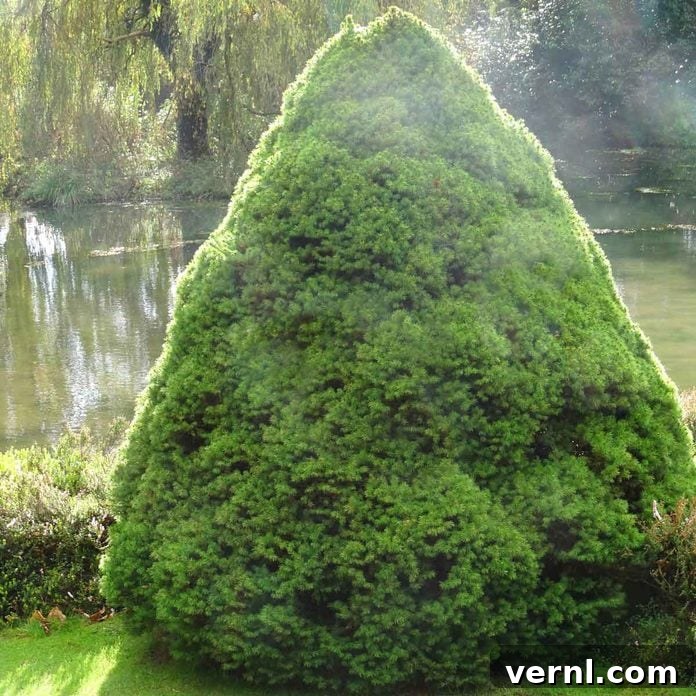
Evergreen: Dwarf Alberta Spruce – Compact Charm for All Seasons
A plant that grows only two to three inches a year is practically custom-made for containers, offering long-term beauty without outgrowing its space quickly. The Dwarf Alberta Spruce (Picea glauca ‘Conica’) fits this description perfectly. With its compact size – it eventually reaches six to eight feet, but will take a generation to get there – and attractive, dense conical shape, it’s easy to see why this evergreen is a popular and widely available choice for container gardening, providing year-round structure and visual interest.
This charming conifer looks particularly splendid in spring when its lime-green new growth emerges, creating a striking contrast with the darker green, fine needles of the older foliage. There are also blue-gray cultivars available for a different color palette. Dwarf Alberta Spruce thrives in full sun to partial shade and requires a well-draining potting mix. Keep the soil consistently moist, especially during dry spells, as it does not tolerate drought well. Its formal, upright habit makes it an excellent choice for entryway planters, focal points on a patio, or as part of a mixed container arrangement.
To enhance its beauty, consider pairing it with a contrasting groundcover or trailing plant. Burgundy ajuga or variegated vinca vine spilling over the sides of the container can create a dynamic and appealing combination. This resilient dwarf conifer is incredibly hardy, tolerating a wide range of climates from USDA Zones 2 to 8, making it a reliable choice for many gardeners. In colder zones, ensure the container itself is protected or insulated during winter to prevent root damage from freezing temperatures.
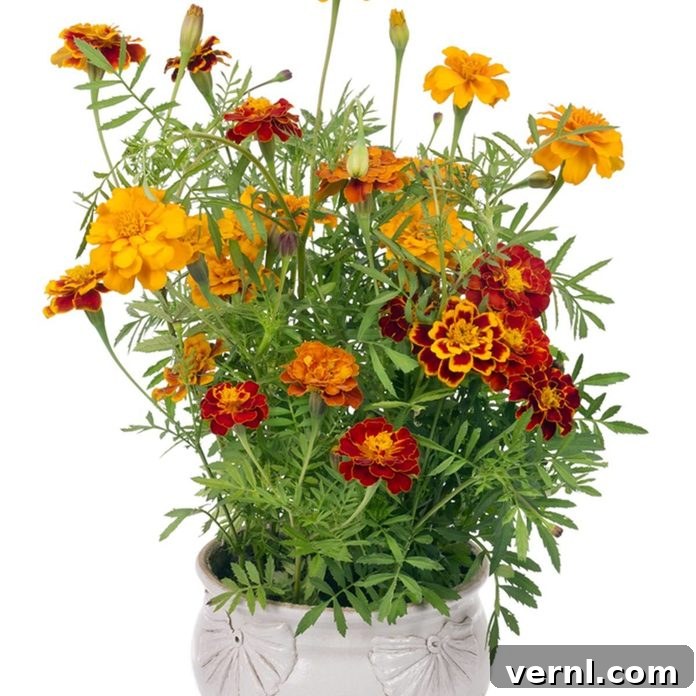
Sun Annual: Marigold – The Cheerful and Resilient Bloom
Marigold (Tagetes spp.) is one of those quintessential fail-safe annuals that are incredibly forgiving, making them perfect for both beginner and experienced container gardeners. It’s hard to go wrong with marigolds; just give them plenty of sunshine, good drainage, and a bit of water now and then, and your containers will be bursting with cheerful, golden-hued blooms all season long. Their vibrant colors and easy-care nature make them an instant pick-me-up for any sunny spot.
These resilient flowers come in various forms, including the frilly French marigolds, the tall African marigolds, and the delicate signet marigolds, offering a range of sizes and flower types to suit different container designs. Marigolds not only add a splash of bright color but are also known for their natural pest-repelling properties, making them a great companion for containerized vegetables or herbs.
For optimal blooming, place marigold containers in a spot that receives full sun for at least six hours a day. Use a well-draining potting mix and water moderately, allowing the top inch of soil to dry out between waterings to prevent root rot. To keep the plant looking neat and to encourage a continuous flush of new blooms, regularly pluck spent flowerheads (a practice known as deadheading). At the end of the season, instead of discarding them, you can let some flowerheads go to seed. The seeds will provide a natural food source for birds, or you can collect them to propagate a new batch of beautiful marigolds for next year’s container display. Marigolds pair beautifully with gray-leafed dusty miller, which enjoys the same sunny conditions and provides a lovely textural and color contrast.
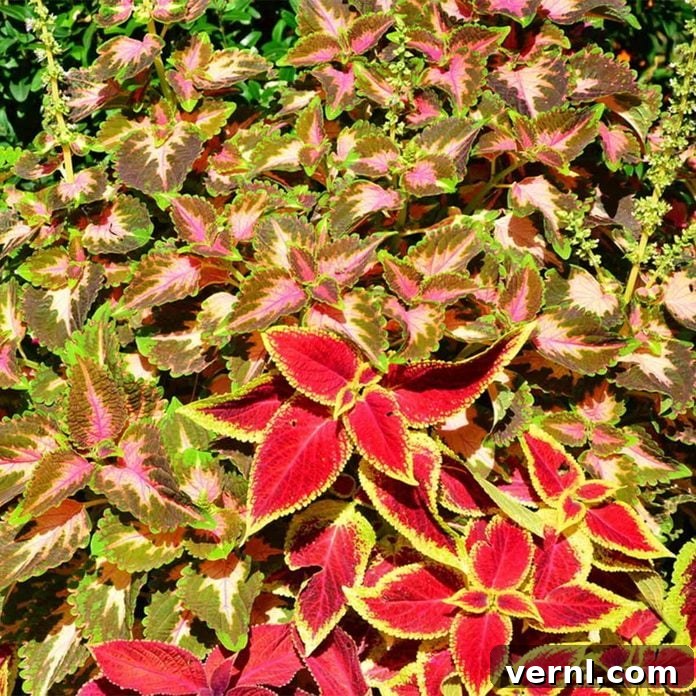
Shade Annual: Coleus – A Kaleidoscope of Foliage Color
Coleus (Plectranthus scutellarioides) is truly a shade gardener’s dream come true, offering a dazzling alternative to the predictable hostas and ferns. Instead of relying on flowers for color, coleus provides something much bolder and more intricate: an incredible spectrum of foliage hues and patterns that can light up even the darkest corners of your container garden. Its versatility makes it a must-have for adding drama and texture.
Cultivars of coleus boast an astonishing range of colors, including vibrant chartreuse, electric hot pink, warm cinnamon, deep burgundy, and rich chocolate. Many varieties feature intricate tricolored patterns, variegated edges, or contrasting veining, making each leaf a work of art. While older varieties of coleus traditionally preferred full shade, newer introductions have been bred to tolerate more sun, expanding their versatility in various container settings. Always check the specific light requirements for the cultivar you choose.
Coleus thrives in rich, well-draining potting mix and appreciates consistent moisture, though it doesn’t like to sit in soggy soil. To encourage a bushier, fuller plant and prevent it from becoming leggy, pinch back the growing tips regularly. This simple maintenance task will result in a more robust and visually appealing container plant. For a dynamic container arrangement, plant coleus with an upright, spiky dracaena in a contrasting green or chocolate shade. This combination provides a striking interplay of form, texture, and color, elevating your shade garden from ordinary to extraordinary. You can also pair them with impatiens for floral accents or ferns for complementary textures, creating a lush, vibrant display.
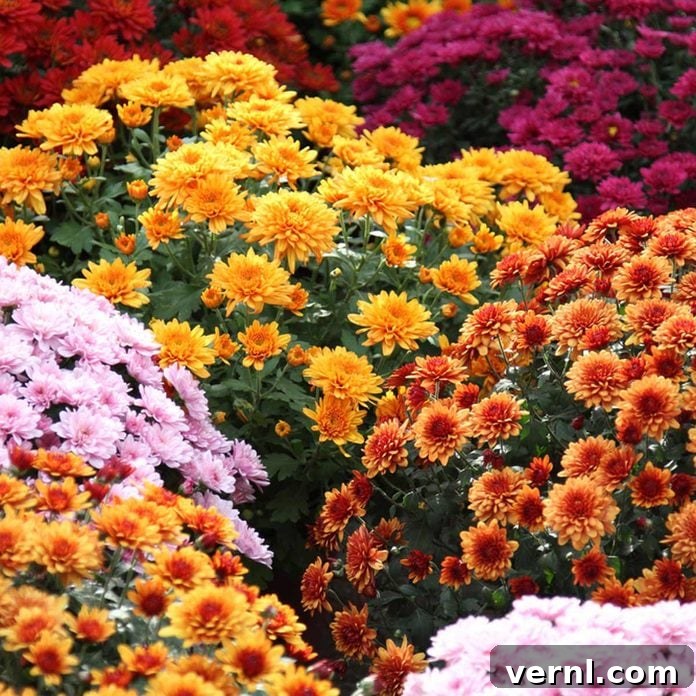
Sun Perennial: Chrysanthemum – The Enduring Fall Spectacle
Is Chrysanthemum a perennial? Absolutely! While many people treat mums as annuals, buying them in the fall and discarding them after they finish blooming, these vibrant beauties can indeed return year after year in USDA Zones 5 to 7. The common mistake is planting them too late in the season, preventing them from establishing a strong root system before winter sets in. But in a container, you have the advantage of mobility and protection.
To successfully overwinter potted mums, especially if you purchased them late in the fall, simply move them to an attached garage, a cool basement, or an unheated shed once their blooms fade and the foliage starts to die back. During this dormant period, keep the soil only slightly moist – just enough to prevent it from completely drying out. Trim back the faded foliage to a few inches above the soil line. In early spring, gradually reintroduce them to light and warmer temperatures, ensuring all danger of frost has passed before setting them back outdoors. You can then plant them in a larger container or even directly into the garden for a more permanent display.
Mums are known for their bold, impactful blooms that come in an incredible array of bright colors, from rich reds and oranges to sunny yellows and crisp whites. Their sheer presence is often enough to create a stunning focal point, meaning they simply don’t need companions to shine. However, they excel as the anchors of a fabulous fall floral display, looking magnificent when surrounded by seasonal elements such as pumpkins, gourds, dried cornstalks, or ornamental kale. For a bushier plant with more blooms, pinch back the growing tips of your mum several times in early summer, stopping around mid-July to allow flower buds to form.
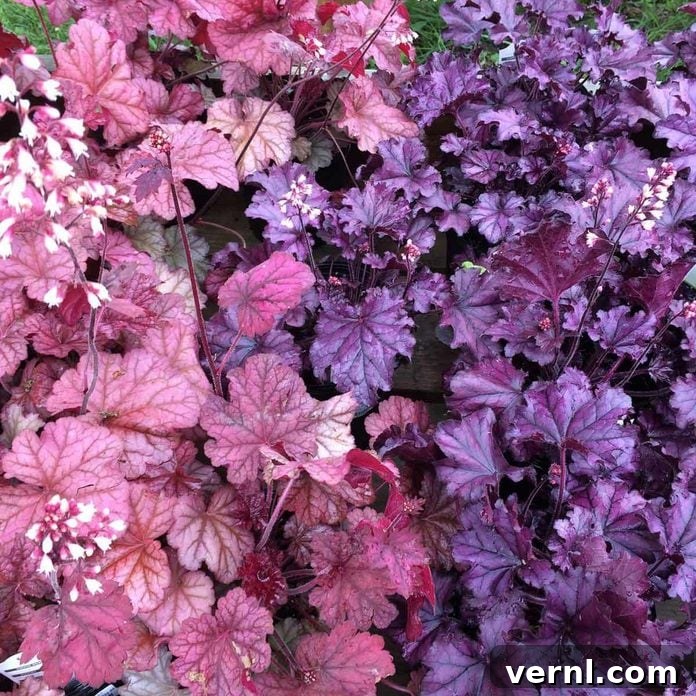
Shade Perennial: Coral Bells – Foliage Art for Shaded Containers
Coral bells (Heuchera spp.) are true masters at bringing intricate beauty and subtle, yet striking, color to shady areas, making them an indispensable plant for container gardening in less sun-drenched spots. Their primary appeal lies in their incredible foliage, which comes in a stunning array of colors, textures, and patterns – from deep purples and bronzes to vibrant chartreuse, silver, and variegated forms, often with ruffled or deeply lobed leaves. They truly offer year-round interest.
While their foliage is the star, coral bells also produce delicate, bell-shaped flowers on slender stalks that rise above the mound of leaves, usually in late spring to summer. These tiny blooms, often in shades of white, pink, or red, add a charming vertical element and are known to attract hummingbirds. Coral bells are remarkably hardy, thriving in USDA Zones 4 to 9, and are generally low-maintenance, requiring little more than consistent watering, especially when grown in containers.
They prefer well-draining soil and partial to full shade, though some newer varieties can tolerate more sun if kept consistently moist. While they can visually stand on their own, particularly when in bloom, the modest height of their foliage often calls for a companion to create a more dynamic container display at other times. Consider pairing coral bells with taller shade-loving plants such as ferns, hostas, or upright carex grasses to provide contrasting height and texture. They also look wonderful spilling over the edges of a container alongside impatiens or lobelia, creating a lush and sophisticated arrangement for any shaded patio or porch.
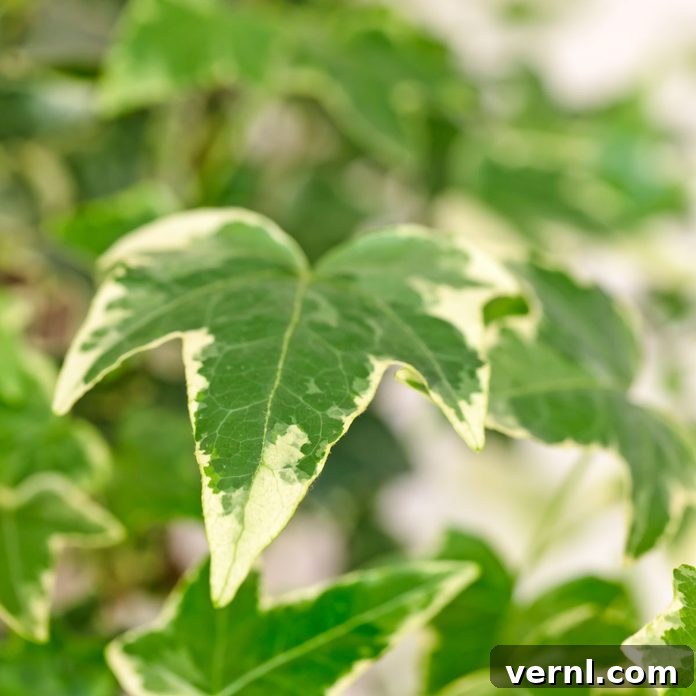
Vine: Variegated English Ivy – Controlled Elegance and Versatility
While English ivy (Hedera helix) can indeed be an aggressive groundcover or even a pest in forested areas, its variegated versions transform into a well-behaved and exceptionally beautiful container plant. Confined to a pot, its uncontrolled growth is easily managed, allowing you to appreciate its classic elegance without worry. Whether you provide it with a support to climb, allowing it to create a green column, or let it elegantly trail over the sides of a planter, variegated English ivy offers timeless charm.
Many people also grow variegated English ivy as a houseplant, and for good reason: it actually thrives in the indirect light typically found indoors, making it an excellent choice for adding greenery to any room. Its ability to adapt to indoor conditions also makes it a perfect candidate for seasonal container displays. If you have a covered porch or a sheltered outdoor area, you can bring your potted ivy outdoors for the summer, where it will appreciate the fresh air and ambient light. Then, as temperatures drop in the fall, simply bring it back inside to enjoy its evergreen beauty throughout the winter months.
Variegated English ivy typically needs no elaborate companions to shine, acting as a superb “spiller” in mixed arrangements or a sophisticated solo statement. It prefers consistent moisture but good drainage. Regular trimming is key to keeping it tidy and maintaining its desired shape, whether you want a dense, trailing cascade or a compact, climbing form. Its evergreen nature ensures year-round interest, and with its diverse leaf shapes and variegation patterns, there’s an ivy to suit every aesthetic.
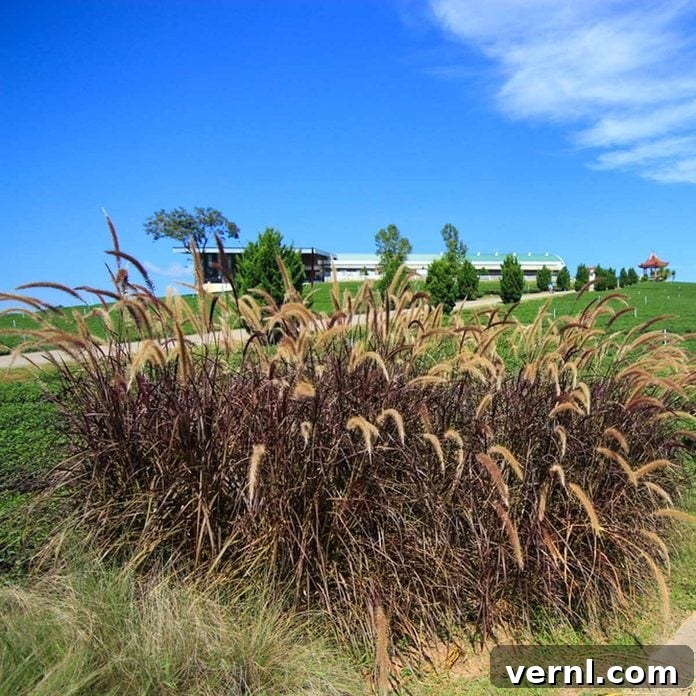
Grass: Purple Fountain Grass – Dynamic Texture and Color
Purple Fountain Grass (Pennisetum setaceum ‘Purpureum’) is a dramatic and impactful ornamental grass that brings a unique combination of rich color, fine texture, and graceful movement to any container garden. Hardy in USDA Zones 8 to 11, it is typically grown as a striking annual in cooler climates, offering an easy way to introduce architectural beauty and dynamic flair.
While some gardeners choose to integrate this stunning ornamental grass directly into their landscapes, many prefer to cultivate it in containers. This allows its dark, burgundy-purple foliage and elegant, arching tan flowerheads to truly stand out as a captivating focal point. In a container, it creates an instant “thriller” element, drawing the eye upwards with its distinctive form and vibrant hue. The feathery plumes, which emerge in mid to late summer and persist into fall, add an airy, soft quality that contrasts beautifully with its bold foliage.
Purple Fountain Grass thrives in full sun, requiring at least six hours of direct sunlight per day to achieve its deepest coloration. It prefers well-draining potting mix and consistent, moderate watering, though it is fairly drought-tolerant once established. For an even more stunning display, surround it with a complementary trailing plant, such as the vibrant chartreuse or burgundy sweet potato vine, which will spill artfully over the container edges. Alternatively, pair it with colorful annuals like lantana, petunias, or light-colored coleus to create a striking contrast that highlights the grass’s rich tones. Its strong vertical presence and captivating movement make it an unparalleled choice for adding drama and texture to your patio or deck. For more fantastic ideas to make your garden thrive, check out these gardening tips for busy people, ensuring your container garden is a success without demanding all your time.
Embracing container gardening opens up a world of possibilities for gardeners of all levels, regardless of space limitations. With these ten diverse plant suggestions, you have a solid foundation to create stunning, productive, and low-maintenance displays that reflect your personal style. From fresh vegetables at your fingertips to exotic blooms and year-round evergreen structure, the versatility of container gardening is truly boundless. Experiment, mix and match, and enjoy the beauty and bounty your potted plants bring to your outdoor and indoor spaces.