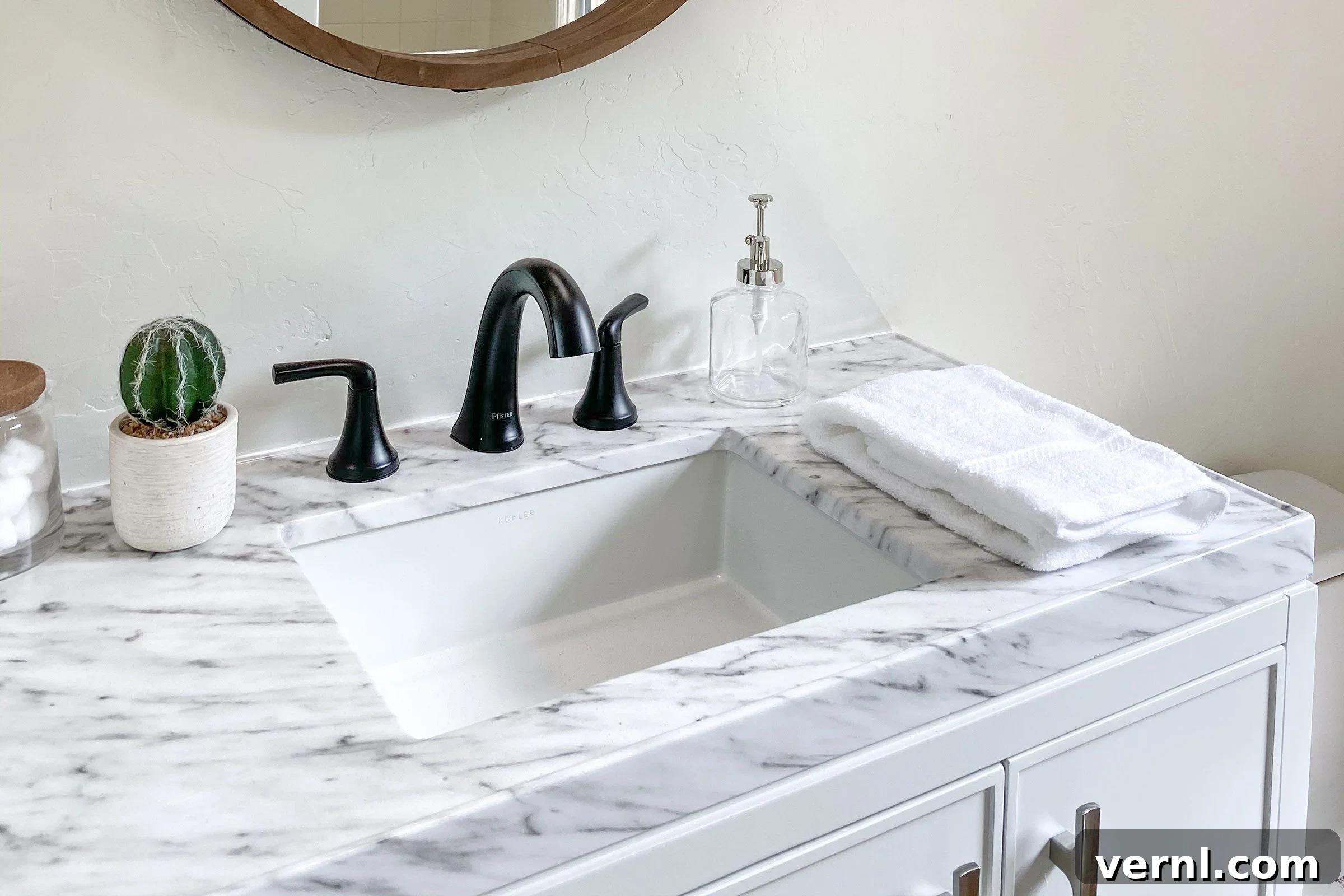
Choosing the right countertop for your bathroom is a pivotal decision that profoundly impacts both the aesthetics and functionality of the space. More than just a practical surface, a quality countertop serves as a central design element, anchoring the room and harmonizing various fixtures, from the sleek faucet to the ambient light fixtures. Whether crafted from luxurious quartz, warm sturdy wood, or intricately laid tile, the countertop sets a definitive tone, defining the bathroom’s overall character and user experience. It’s a significant investment that deserves careful consideration, balancing durability, style, cost, and personal preference to create a truly inviting and efficient environment.
How To Choose the Perfect Bathroom Countertop
Embarking on a bathroom renovation or building a new home offers an exciting opportunity to select a countertop that reflects your style and meets your practical needs. Here’s a comprehensive guide to the essential factors you should consider when making this crucial decision.
Durability and Longevity
Bathroom countertops are far from mere decorative elements; they are active work surfaces that endure daily wear and tear, especially in high-traffic areas like a master suite or family bathroom. From stray drops of toothpaste and splashes of water to the occasional dropped hairdryer or cosmetic spill, your countertop needs to withstand a variety of challenges. Therefore, durability is paramount. When evaluating materials, consider their resistance to:
- **Moisture and Humidity:** Bathrooms are inherently humid environments. The chosen material must tolerate consistent moisture without warping, swelling, or degrading.
- **Stains:** Personal care products, cosmetics, and even common cleaning agents can cause stains. Opt for materials that are either non-porous or easily sealed to prevent absorption.
- **Heat:** While less critical than in a kitchen, a countertop should still withstand moderate heat from styling tools or hot water without damage.
- **Scratches and Chips:** Daily use can lead to minor abrasions. A material that resists scratches and chips will maintain its pristine appearance longer.
- **Chemicals:** The countertop should be compatible with your preferred cleaning products to ensure proper sanitation without causing surface damage. Easy cleaning and maintenance are key to maintaining sanitary conditions and extending the life of your bathroom countertop.
Cost and Budget Planning
The financial aspect is a significant factor in any home improvement project. When budgeting for your bathroom countertop, look beyond just the material price. Consider these components:
- **Material Cost:** This is the base price per square foot and varies dramatically between materials, ranging from budget-friendly laminates to luxurious natural stones. For instance, basic tile countertops might start around $1 per square foot, while premium options can exceed $15 per square foot, not including installation.
- **Fabrication and Customization:** If you choose a material like quartz or natural stone, significant costs are associated with cutting, polishing edges, and creating custom shapes or sink cutouts. Complex edge profiles or integrated sinks will add to the fabrication expense.
- **Installation Charges:** Professional installation can be a substantial part of the total cost, especially for heavy or intricate materials. Even if you plan to install the countertop yourself, factor in potential costs for specialized tools, adhesives, sealants, and transportation.
- **Transportation Costs:** Moving large, heavy slabs of stone or wood can be expensive and may require specialized equipment.
- **Long-term Maintenance:** Some materials require regular sealing or specific cleaning products, which can add to the long-term cost of ownership. Others might be more prone to damage, leading to potential repair or replacement expenses down the line.
Remember that the wide range of pricing among countertop materials means careful research can help you find an option that fits your budget without compromising on quality or style.
Availability and Lead Times
Timing is everything in a renovation project. Before finalizing your choice, discuss availability with your supplier or fabricator.
- **Stock vs. Custom:** Some materials, like certain laminates or cultured marble, are often readily available in standard sizes. Natural stone or engineered quartz, however, often requires custom fabrication, which can have lead times of several weeks to months.
- **Delivery Schedules:** Even a short delay in delivery can throw off your entire project schedule, potentially necessitating the installation of a temporary countertop or delaying other trades like plumbing and tiling.
- **Regional Supply:** Specific exotic stones or unique finishes might have limited availability in your region, which could impact both cost and lead time.
Clear communication with your supplier about expected delivery and installation timelines is crucial to avoid unforeseen headaches and keep your project on track.
Installation Complexity (DIY Potential)
The ease of installation can greatly influence your decision, especially if you’re considering a DIY approach.
- **Weight and Handling:** Countertop materials vary significantly in weight. Even lighter options like wood can be bulky and awkward for one person to maneuver. Heavier materials such as marble, granite, or concrete often require two to three people for safe transport and installation, making professional installation a common choice due to the sheer physical demands and risk of damage.
- **Cutting and Fabrication:** For materials like marble or quartz, cutting precise holes for sinks and faucets is a specialized task. Manufacturers often perform these cuts in their factories using sophisticated equipment, requiring precise layouts and clear communication to avoid costly miscuts. Wood or laminate countertops, on the other hand, are generally much more DIY-friendly, allowing for on-site modifications with standard tools.
- **Plumbing and Sealing:** While the heavy lifting might be left to professionals, many homeowners opt to handle the plumbing hookups and caulking themselves, saving on labor costs. However, proper sealing for porous materials is critical and must be done correctly to ensure long-term performance.
Evaluate your skill level, available tools, and physical capabilities before committing to a DIY installation for any countertop material.
Sustainability and Environmental Impact
For homeowners increasingly conscious of their environmental footprint, sustainability is a vital consideration.
- **Sourcing and Harvesting:** Inquire about how and where the material is harvested or manufactured. Locally sourced materials almost always have a lower environmental impact due to reduced transportation emissions.
- **Recycled Content:** Some engineered materials incorporate recycled glass or other waste products, reducing demand for virgin resources.
- **Longevity:** A durable countertop that lasts for decades reduces the need for frequent replacement, which is inherently sustainable.
- **Manufacturing Processes:** Consider materials produced with lower energy consumption or fewer harmful chemicals.
- **Low VOCs:** Some adhesives and sealants can off-gas volatile organic compounds. Look for low-VOC options to maintain indoor air quality.
Choosing a sustainable option might not directly affect the installation process, but it provides an intangible sense of pride and contributes positively to the environment every time you step into your bathroom.
Popular Bathroom Countertop Materials
The market offers a diverse array of materials, each with unique characteristics. The optimal choice for your project will depend on the factors discussed above, your budget, and your personal design preferences.
Granite Bathroom Countertops
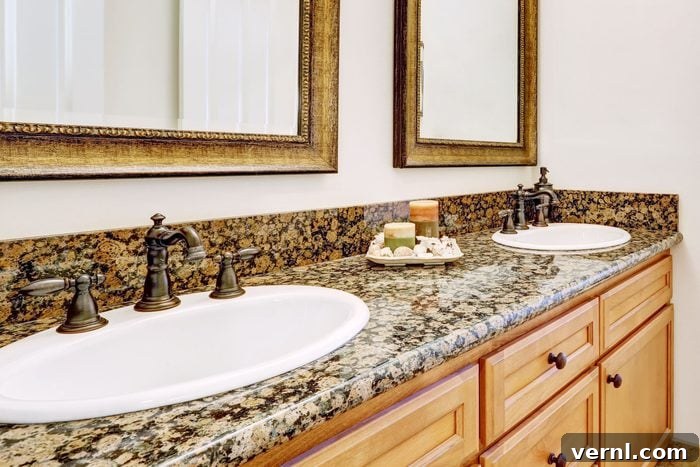
Granite is a magnificent naturally occurring igneous stone, revered for its robust nature and unique aesthetic appeal. Each slab of granite countertop features distinct patterns, often including dramatic veins and speckles of various colors, making every installation one-of-a-kind. Its timeless beauty makes it a perennial favorite for both kitchens and bathrooms.
Pros:
- **Exquisite Natural Beauty:** The unique patterns, colors, and veining create a luxurious and sophisticated look that enhances any bathroom design.
- **High Heat Resistance:** Granite can easily withstand hot styling tools or hot water splashes without sustaining damage, offering peace of mind for daily use.
- **Exceptional Scratch Resistance:** Its inherent hardness makes it highly resistant to scratches from normal bathroom items, maintaining its pristine finish over time.
- **Chemical Resistance (with proper sealing):** While chemical spills may damage the sealer, the stone itself is quite resilient, making it a durable choice against various substances found in a bathroom.
- **More Affordable than Marble:** While still a premium material, granite generally offers a more budget-friendly natural stone option compared to marble, providing high-end aesthetics without the highest price tag.
- **Natural and Potentially Locally Sourced:** Being a natural stone, it can often be sourced from quarries closer to your location, potentially reducing its environmental footprint.
- **Adds Value:** A granite countertop is often seen as an upgrade, increasing the resale value of your home.
Cons:
- **Porous Material Requiring Sealing:** Granite is naturally porous, meaning it can absorb liquids and stain if not properly sealed. Lighter granites tend to be more porous and require more frequent sealing.
- **Sealer Vulnerability:** The protective sealer can be damaged or stripped by harsh acidic cleaning products, necessitating reapplication.
- **Not DIY Friendly:** Due to its immense weight, rigidity, and the need for specialized cutting and installation tools, granite is typically best installed by professionals.
- **Higher Cost:** Despite being more affordable than marble, granite remains more costly than many other countertop options like laminate or cultured marble.
- **Potential for Etching:** While resistant to many chemicals, certain highly acidic substances can etch the surface if left for prolonged periods, even with a sealer.
Quartz Bathroom Countertops
Although named after a naturally occurring mineral, quartz countertops are actually an engineered or manufactured material. They are typically composed of 90-95% ground quartz powder combined with 5-10% polymer resins, pigments, and binders. This composition allows quartz to be cast into an extraordinary range of shapes, sizes, and virtually any color imaginable, offering unparalleled design flexibility. Its consistent pattern and non-porous nature make it a highly desirable choice for modern bathrooms.
Pros:
- **Non-Porous and Stain Resistant:** Unlike natural stones, quartz is engineered to be non-porous, making it highly resistant to stains from liquids like coffee, wine, or common bathroom products. This also means it never requires sealing.
- **Exceptional Heat Resistance:** While not entirely impervious to extreme heat (like placing a scorching hot pan directly on it), quartz generally handles bathroom heat sources like hot curling irons or hair dryers very well.
- **Superior Scratch Resistance:** Due to its high quartz content, it is incredibly hard and resistant to scratches and chips from everyday use.
- **Consistent Appearance:** As a manufactured product, quartz offers a consistent pattern and color, allowing for a uniform look across multiple slabs, which is ideal for larger bathrooms or multiple vanity installations.
- **Hygienic:** The non-porous surface inhibits the growth of bacteria and mildew, making it an excellent choice for maintaining sanitary conditions.
Cons:
- **Higher Cost:** Quartz is generally one of the more expensive countertop options, often comparable to or exceeding the cost of many granite varieties.
- **Not DIY Friendly:** Similar to natural stone, quartz slabs are heavy and require professional fabrication and installation for precise cuts and proper handling.
- **Chemical Sensitivity:** While durable, quartz surfaces can be clouded or damaged by harsh chemicals like bleach, abrasive cleaners, or highly acidic substances. It’s crucial to use recommended cleaning products to maintain its finish.
- **UV Sensitivity:** Some quartz types, particularly darker colors, can fade or yellow over time if exposed to prolonged direct sunlight, which might be a consideration for bathrooms with large, sunny windows.
Marble Bathroom Countertops
Marble is an iconic natural stone, quarried from the Earth and sliced into stunning slabs. Renowned for its classic elegance, marble comes in a breathtaking array of colors, often characterized by soft, sweeping mineral veins and delicate flecks that give each piece a unique artistic quality. Like granite, it epitomizes luxury and adds significant value to a bathroom, but it requires diligent sealing and maintenance to preserve its beauty.
Pros:
- **Timeless Aesthetic Appeal:** Marble exudes an unparalleled sense of luxury, sophistication, and classic beauty that never goes out of style.
- **Naturally Cool Surface:** Marble naturally stays cool to the touch, a pleasant feature in a bathroom environment.
- **Heat Resistant:** It handles high temperatures well, making it suitable for common bathroom heat sources.
- **Scratch and Chip Resistant:** While not as hard as granite or quartz, marble is quite durable against everyday scratches and minor impacts.
- **Natural and Potentially Locally Sourced:** Being a natural stone, it contributes to an authentic design and can sometimes be sourced locally.
- **Increases Home Value:** A marble countertop is a highly desirable feature that significantly boosts a home’s perceived value.
Cons:
- **Premium Cost:** Marble is typically one of the most expensive countertop materials available, reflecting its luxurious status and quarrying process.
- **Not DIY Friendly:** Its substantial weight and the specialized skills required for cutting and installation mean marble is best left to experienced professionals.
- **Naturally Porous and Vulnerable to Staining:** Marble is highly porous and will readily absorb liquids, leading to permanent stains if not meticulously sealed and maintained. Regular sealing is essential.
- **Susceptible to Etching:** Its calcium carbonate composition makes marble highly reactive to acids (even mild ones like lemon juice or certain cleaning products), which can dull or “etch” the surface, leaving permanent marks.
- **Softer than Granite:** While resistant to some impacts, it is slightly less resistant to heavy impact than granite, though this is generally more of a concern in a busy kitchen than a bathroom.
Cultured Marble Bathroom Countertops
Cultured marble is a sophisticated engineered product, crafted by blending marble dust with polyester resins and pigments, and then molding the mixture into desired shapes. The result is a dense, durable, and highly versatile surface that can mimic the look of natural marble without its high cost or maintenance demands. A key advantage is its ability to be formed with integrated sink basins and backsplashes, creating a seamless and easy-to-clean design.
Pros:
- **Highly Affordable:** Cultured marble offers the luxurious appearance of natural marble at a significantly lower price point, making it an excellent value.
- **Integrated Features:** As a manufactured product, it can be seamlessly molded with integrated sink basins and backsplashes, eliminating grout lines and creating a clean, monolithic look that is exceptionally easy to clean and maintain.
- **Impact Resistant:** The resin component gives cultured marble a degree of flexibility, making it more resistant to chips and impacts than natural stone.
- **Factory Sealed:** Cultured marble comes with a durable gel coat finish that acts as a factory-applied seal, making it non-porous and generally resistant to moisture and stains without further sealing.
- **DIY Friendly:** Its lighter weight and ease of cutting (compared to natural stone) make it a more manageable option for experienced DIYers.
- **Wide Range of Colors and Finishes:** Available in various colors and finishes, it can be customized to match any bathroom decor.
Cons:
- **Vulnerable to Dyes and Harsh Chemicals:** While factory-sealed, the surface can still be stained by strong dyes (e.g., hair dye) or damaged by harsh solvents like nail polish remover, strong abrasives, or highly acidic cleaners, which can dull or strip the gel coat.
- **Scratch Potential:** The gel coat finish is softer than natural stone and can be scratched if abrasive materials or sharp objects are used on it.
- **Repair Challenges:** While minor scratches can sometimes be buffed out, significant damage to the gel coat can be difficult to repair seamlessly.
- **Less Heat Resistant:** Compared to natural stone or quartz, cultured marble is less resistant to extreme heat and can be scorched or discolored by very hot styling tools.
Wood Bathroom Countertops
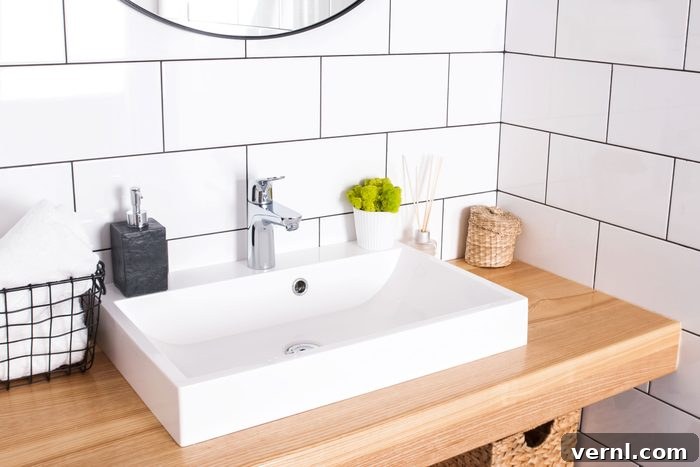
Wood countertops, often in the form of butcher block, bring a unique warmth and organic texture to the bathroom. Wood countertops can be custom-made from a variety of wood species – from rich walnut to light maple – and can be finished to complement almost any décor, from rustic farmhouses to sleek modern designs. They offer a distinct tactile experience and natural beauty.
Pros:
- **Highly Customizable:** Wood can be cut to any size or shape, allowing for bespoke designs that perfectly fit your unique bathroom layout.
- **DIY Friendly:** Wood is relatively easy to work with using standard carpentry tools, making it a popular choice for confident DIYers.
- **Versatile Aesthetics:** It can instantly transform a bathroom, offering looks that range from warm and rustic to contemporary and minimalist, depending on the wood species and finish.
- **Flexible Pricing:** The cost can vary significantly based on the type of wood (common hardwoods are more affordable than exotic species) and the complexity of the design, offering options for various budgets.
- **Natural and Sustainable:** Many wood options are natural, renewable resources, and can be made from sustainably harvested woods, appealing to eco-conscious homeowners.
- **Warm to the Touch:** Unlike stone, wood retains a warmer temperature, which can be a pleasant sensory detail in a bathroom.
Cons:
- **Vulnerable to Water Damage:** This is the primary concern in a bathroom. Wood is susceptible to water absorption, which can lead to warping, swelling, discoloration, and mold growth if not meticulously sealed and maintained.
- **Requires Regular Sealing/Maintenance:** To protect against moisture and stains, wood countertops need to be sealed with a waterproof finish (like marine varnish or oil-based sealants) or painted, and this protective layer must be regularly reapplied and maintained.
- **Expansion and Contraction:** Wood is a natural material that will expand and contract with changes in humidity, especially near steamy showers or sinks, potentially leading to cracks or gaps if not properly installed and acclimated.
- **Scratch and Dent Prone:** Softer woods can be easily scratched or dented, though harder woods offer better resistance. Minor damage can often be sanded and re-finished.
- **Hygiene Concerns:** Without proper sealing, wood’s porous nature can harbor bacteria, making thorough and regular cleaning essential.
Laminate Bathroom Countertops
Laminate countertops are constructed from layers of plastic laminate bonded under high pressure to a particleboard or MDF (medium-density fiberboard) base. While they achieved peak popularity in the mid-20th century, modern laminate technology has vastly improved, offering greater durability, a wider range of designs, and enhanced resistance to damage compared to older versions. They are celebrated for their affordability and versatility.
Pros:
- **Extremely Affordable:** Laminate is consistently one of the most budget-friendly countertop options, making it ideal for cost-conscious renovations or temporary solutions.
- **Highly DIY Friendly to Install:** Laminate is lightweight and relatively easy to cut and install with basic tools, making it a favorite for homeowners looking to tackle the project themselves. Many options come in pre-formed sections, simplifying the process of installing laminate countertops.
- **Vast Design Selection:** Modern laminates are available in an incredible array of colors, patterns, and textures, capable of mimicking the look of natural stone, wood, concrete, or offering unique modern and retro styles.
- **Low Maintenance:** Laminate surfaces are generally non-porous and require minimal maintenance, usually just a wipe-down with mild soap and water.
- **Lightweight:** Its lightweight nature makes it easy to transport and install, reducing labor and potential structural concerns.
Cons:
- **May Not Look “High End”:** Despite advancements, laminate can sometimes still be perceived as a less luxurious option compared to natural stone or quartz, potentially affecting resale value.
- **Prone to Chipping and Scratching:** The surface layer of laminate can chip or scratch if subjected to sharp objects or heavy impact. Once the top layer is compromised, it’s difficult to repair seamlessly.
- **Water Vulnerability of Underlayer:** While the laminate surface itself is water-resistant, the particleboard or MDF underlayer is highly vulnerable to water damage if water seeps through seams, edges, or damaged areas, leading to swelling and delamination.
- **Less Heat Resistant:** Laminate can scorch or melt if exposed to high heat from styling tools, so protective pads are recommended.
- **Limited Lifespan:** While more durable than in the past, laminate generally has a shorter lifespan than natural stone or quartz.
Concrete Bathroom Countertops
Concrete countertops embody a bold, industrial aesthetic that has gained immense popularity in contemporary design. They can be prefabricated off-site and installed as finished slabs, or poured in place directly onto your vanity. Either method offers an incredible range of customization options, from color pigments and aggregate inclusions to unique finishes and textures, allowing for a truly personalized look.
Pros:
- **Customization Potential:** Concrete offers unparalleled versatility in terms of color, texture, shape, and embedded elements. Pigments can be added for virtually any color, and various finishes can be applied for different looks.
- **Great for Intermediate to Advanced DIYers:** Pouring concrete countertops can be a challenging but rewarding project for those with experience in DIY and working with concrete.
- **Exceptional Durability:** Once cured and sealed, concrete is incredibly strong and resistant to chips, scratches, and impacts, making it a very long-lasting material.
- **Modern and Industrial Aesthetic:** It provides a distinct, contemporary, and often minimalist look that complements industrial, modern, and even some rustic designs.
- **Seamless Slab Potential:** When poured in place, concrete can form a single, seamless slab, including integrated sinks, eliminating grout lines and creating a sleek, monolithic surface.
- **Heat Resistant:** Concrete handles heat very well, making it suitable for bathroom use.
Cons:
- **Heavy:** Concrete is extremely heavy, potentially requiring additional structural support for your vanity or floor, especially for larger installations.
- **Porous Material Needing Sealing:** Concrete is naturally porous and must be meticulously sealed to resist staining from water, oils, and other bathroom products. Regular resealing is often necessary.
- **Installation Complexity and Mess:** If poured in place, the process can be messy, labor-intensive, and requires specialized skills to achieve a smooth, level finish.
- **Cracking Potential:** While durable, concrete can develop hairline cracks over time, particularly if not properly mixed, cured, or if there’s significant structural movement underneath.
- **Cost:** While DIY can save on labor, the materials and specialized tools can still make concrete a moderately expensive option. Professional installation can be quite costly due to the labor and expertise involved.
Tile Bathroom Countertops
Tile offers immense design flexibility, allowing you to create a countertop that either seamlessly blends with or boldly contrasts with the rest of your bathroom’s décor. Tile can be placed over a basic countertop substrate, opening up a world of creative possibilities with different sizes, colors, patterns, and textures of ceramic, porcelain, or natural stone tiles.
Pros:
- **Design Versatility and Clean Look:** The sheer variety of tiles available means you can achieve almost any aesthetic, from classic and minimalist to vibrant and eclectic. It provides a clean, structured appearance.
- **Price Flexibility:** The cost of a tile countertop can be highly adaptable to your budget, depending on your tile selection. Inexpensive ceramic tiles can keep costs low, while high-end natural stone or handmade tiles will increase the investment.
- **DIY Friendly:** Installing tile countertops is a project well within the capabilities of many DIY enthusiasts, saving significantly on labor costs.
- **Individual Tile Replacement:** If a single tile becomes scratched, chipped, or damaged, it can often be individually replaced without needing to overhaul the entire countertop, simplifying repairs.
- **Heat and Water Resistant (Tiles):** The tiles themselves are generally very resistant to heat and water, making them practical for bathroom environments.
Cons:
- **Grout Line Maintenance:** The most significant drawback is the presence of grout lines. Grout is porous and can easily trap dirt, grime, and mold, making grout lines difficult to clean and susceptible to staining.
- **Requires Occasional Sealing:** Both porous tiles (like natural stone) and all grout lines will need occasional sealing to prevent moisture penetration and staining, especially in a wet bathroom environment.
- **Uneven Surface:** The inherent nature of tiled surfaces means they are not perfectly smooth or flat, which can make wiping down spills less efficient and can be a minor annoyance for placing items steadily.
- **Potential for Chipping (Tile Edges):** While durable, the edges of individual tiles can chip if struck by heavy objects.
- **Perceived Value:** Depending on the tile choice and installation quality, tile countertops may not always carry the same high-end appeal as solid slab options like granite or quartz, potentially impacting resale value.