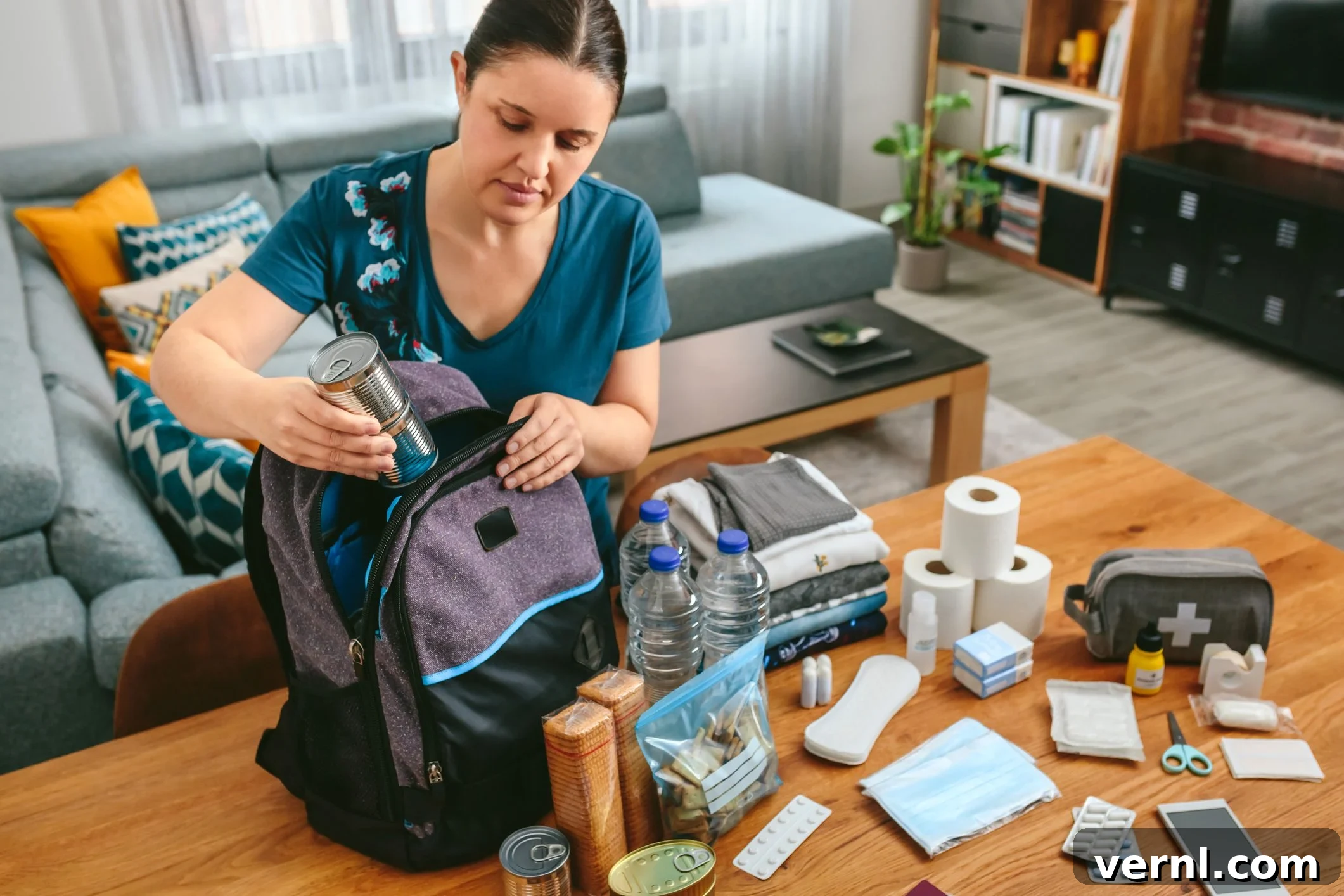
When Hurricane Irma slowly churned toward the Florida Keys in September 2017, the thought of it making direct landfall near our home seemed distant. Yet, as a precautionary measure, we packed essential valuables along with a few days’ worth of food and water for the road. The storm, however, defied expectations. The Category 4 monster came ashore a mere quarter-mile from our house, subsequently inundating our hotel as it moved inland. For days, much of Florida suffered widespread power outages. Gas stations ran dry, roads home were impassable indefinitely, and we found ourselves without a place to stay. This harrowing experience quickly underscored the invaluable importance of a well-stocked emergency kit and a readily accessible go bag.
Far from the dramatic portrayals in action movies, go bags and comprehensive emergency kits are not exclusive to “preppers” or individuals on the run. Instead, they are vital tools for navigating real-life emergencies that can strike anyone, anywhere, at any time. Whether facing wildfires, floods, severe storms, or other unforeseen disasters, being prepared is your first line of defense. As Stephanie Fox, national media lead for the American Red Cross, aptly puts it, “You might not live in a traditionally disaster-prone area, but disasters can happen anywhere, at any time and to anyone.”
Understanding the distinction between an emergency go bag and a broader emergency kit, along with knowing how to assemble and properly store them, is crucial for safeguarding yourself and your loved ones. This comprehensive guide will equip you with the knowledge needed to build your essential emergency preparedness supplies, ensuring peace of mind when it matters most.
What Is an Emergency Go Bag (Bug-Out Bag)?
An emergency go bag, often referred to as a “bug-out bag,” is a pre-packed, portable disaster supply kit designed for rapid evacuation. Its primary purpose is to provide you with essential supplies for a minimum of 72 hours if you need to leave your home quickly or are displaced due to an emergency. Think of it as your survival backpack, ready to grab and go at a moment’s notice.
“It should be easy to grab and stored in a dry, safe and clean area to avoid damage to any items over time,” advises Amelia Johnson, deputy director of communications and external affairs for the Florida Division of Emergency Management. This means keeping it in an easily accessible location, not buried in the back of a closet. Ideally, it should be near an exit, perhaps in a mudroom, garage, or even stored in your vehicle. Crucially, every member of your household should know where the go bag is located and what it contains.
The contents of your go bag should focus on critical survival needs, keeping in mind that you might be without electricity, gas, running water, or cellular service. Here’s a detailed breakdown of essential items to include:
- Food Supply: Pack at least a three-day supply of non-perishable food items that require no cooking or refrigeration. This includes energy bars, dried fruit, nuts, canned goods (with an easy-open top or a can opener), and ready-to-eat pouches. Choose items high in calories and nutrients. Remember to check expiration dates regularly.
- Water and Filtration: A minimum of one gallon of water per person per day for at least three days is recommended for both drinking and basic sanitation. Since carrying this much water can be heavy, also include a portable water filter or purification tablets. These can be lifesavers if you need to access alternative water sources.
- First-Aid Kit: A well-stocked first-aid kit is non-negotiable. Ensure it includes bandages, antiseptic wipes, pain relievers, allergy medication, gauze, medical tape, scissors, and any personal prescription medications. It’s also highly recommended that at least one family member has CPR/First Aid/AED training.
- Prescription Medications & Medical Equipment: Keep a readily available supply of all prescription medications, along with copies of the prescriptions themselves. If you rely on durable medical equipment, such as hearing aids, glasses, or portable oxygen, ensure you have backups or a plan for their continued use.
- Important Documents: Store copies of vital documents in a waterproof, portable container. This includes insurance policies, identification (driver’s licenses, passports), birth certificates, Social Security cards, bank account information, and wills. Digital copies on a USB drive can also be useful.
- Cash: In emergencies, ATMs and credit card systems may be inoperable. Keep a supply of small bills in various denominations. This cash can be crucial for purchasing essential supplies or fuel.
- Lighting: Essential for navigating in the dark. Pack reliable flashlights and/or battery-powered lanterns. Always include extra batteries, stored separately to prevent corrosion. Headlamps are also excellent for hands-free illumination.
- Communication & Power: Device chargers are vital, but reliable power sources are even more so. Include a portable power bank or a solar charger to keep your cell phone and other small devices charged. A hand-crank or battery-powered radio can also provide critical information if other communication methods fail.
- Warm Clothing and Shelter: Even in warmer climates, temperatures can drop, or you might be exposed to the elements. Include warm clothing like hats, gloves, jackets, and blankets. If you live in a cold climate, prioritize insulated items and hand warmers. A brightly colored cloth, preferably red or orange, can be invaluable for signaling if you become stranded.
- Disease Prevention & Hygiene: A crucial category, especially in recent times. Pack N95 masks, antibacterial wipes, hand sanitizer, a thermometer, and any personal hygiene items like soap, toothpaste, and feminine hygiene products.
- Individual Circumstances: Tailor your go bag to your unique needs. This might include mosquito repellent, sunscreen, extra contacts or contact solution, baby formula, or specialized dietary supplements.
For families with children, remember that “creature comforts are important to help ease the discomfort and uneasiness of navigating an emergency,” as Fox notes. Pack items like small toys, a deck of cards, coloring books, or special blankets to help calm and occupy children during stressful times.
And don’t forget your pets! They are part of the family and require their own emergency provisions. Include a three-day supply of pet food and water, medications, a carrier, a leash, waste bags, and a favorite toy or blanket to help reduce stress.
Beyond your main go bag, the Federal Emergency Management Agency (FEMA) also recommends keeping a smaller kit at work that’s sufficient for at least 24 hours. This kit should contain food, water, medications, and, importantly, comfortable walking shoes in case you need to walk a significant distance home.
What Is an Emergency Kit (Stay-at-Home Kit)?
While a go bag is for evacuation, an emergency kit, also known as a disaster supply kit or “stay bin,” is designed for sheltering in place at home. It contains many of the same essential items as a go bag but is not intended to be mobile. This allows it to be much more extensive, accommodating a larger quantity of supplies for a longer duration.
The Red Cross generally recommends storing at least two weeks’ worth of food, water, and other vital supplies in your home emergency kit. This kit should be stored in a dry, clean, and easily accessible location within your home, such as a pantry, mudroom, or a designated storage closet. The aim is to ensure your family can be self-sufficient if external services are disrupted for an extended period.
In addition to the items listed for a go bag, FEMA recommends that emergency kits also include the following:
- Emergency Radio: A battery-powered or hand-crank radio is essential for receiving critical emergency broadcasts, especially an NOAA Weather Radio with tone alert. This specific radio provides real-time weather and hazard alerts directly from the National Weather Service, which can be crucial when other communication channels are down.
- Whistle: A simple yet effective tool to signal for help. If you’re trapped or need to alert rescuers to your location, a whistle can be heard much further than a human voice.
- Dust Masks: Beyond N95 masks for disease prevention, include general dust masks to filter contaminated air in scenarios involving debris, ash, or airborne particles, such as after an earthquake or building collapse.
- Shelter-in-Place Supplies: Plastic sheeting and duct tape are recommended to seal off windows and doors in case of chemical, biological, or radiological hazards, creating a protected space within your home.
- Enhanced Sanitation: For extended periods without running water, include moist towelettes, garbage bags, and plastic ties for personal sanitation and waste disposal. Consider adding buckets with tight-fitting lids for emergency toilet facilities, along with disinfectant.
- Utility Tools: A wrench or pliers is essential to turn off utilities like natural gas and water, which can prevent further damage or hazards to your home.
- Local Maps: While GPS is convenient, it relies on power and satellite signals. Printed local maps can be invaluable for navigation if electronic devices are unavailable or unreliable. Mark potential evacuation routes and local emergency shelters on them.
“Once you take a look at the basic items, consider what unique needs your family might have, such as supplies for older adults, people with disabilities and pets,” advises a FEMA spokesperson. This personalized approach is critical. For infants, include formula, diapers, bottles, and wipes. For seniors or those with disabilities, ensure extra supplies of specialized medications, medical equipment batteries, and comfortable clothing. Always remember your pets’ needs, including extra food, water, medications, and comfort items.
FEMA also recommends assembling your emergency kit items in airtight plastic bags and then placing them into one or two easy-to-carry, clearly labeled plastic bins or durable duffle bags. This organization helps protect items from moisture, makes inventory easier, and allows for quicker access.
For both go bags and emergency kits, regular maintenance is paramount. Periodically check the expiration dates of food, water, medications, and batteries, replacing them as needed. A good practice is to do this twice a year, perhaps when you change your clocks for daylight saving time. This ensures your supplies are always fresh and functional.
Other Essential Emergency Preparedness Tips
Beyond assembling physical kits, a robust emergency preparedness strategy involves several other critical steps:
Develop a Family Communication Plan
Having a communications plan is another vital step to weathering emergencies safely. Decide now how you’ll reconnect with family members and loved ones if you’re separated once a disaster strikes. This plan should include:
- Out-of-State Contact: Designate a contact person who lives outside your immediate area. It’s often easier to make long-distance calls than local ones during an emergency. Ensure all family members know how to reach this person.
- Meeting Points: Establish primary and secondary outdoor meeting places near your home (e.g., a neighbor’s house, a large tree) for sudden emergencies like a fire. Also, identify a regional meeting place (e.g., a relative’s house, a community center) if you can’t return home.
- Emergency Contacts List: Keep a written list of emergency contacts, including doctors, schools, and workplaces, in your go bag and emergency kit.
Check on Your Neighbors
Community resilience plays a significant role in effective disaster response. As Stephanie Fox emphasizes, “Take the time before an emergency happens to check in on your neighbors, especially those who may be at a higher risk from infrastructure disruption, like seniors or those with access and functional needs.” Offer to help them assemble their emergency kit, assess if they have a plan, and consider if they might need transportation support during an evacuation. Building these connections beforehand strengthens your community’s ability to cope.
Financial Preparedness
Emergency preparedness isn’t just about physical supplies; it also involves financial readiness. Ensure you have copies of important financial documents, including bank account numbers, investment records, and insurance policies (homeowners, auto, health) stored securely and accessibly. Keep a small amount of cash on hand, as electronic transactions may not be possible. Consider establishing an emergency savings fund to cover unexpected expenses post-disaster.
Technological Preparedness
While often unreliable during widespread outages, technology can still play a role. Beyond power banks, consider having a waterproof case for your phone and familiarizing yourself with local emergency alert systems (e.g., FEMA app, local weather apps). Know how to receive NOAA Weather Radio alerts. Keep essential information stored offline on your devices if possible.
Practice and Train
Knowledge is power. Participate in basic first aid and CPR training. Understand how to use the items in your kits, from filtering water to operating an emergency radio. If you have a family communication plan, practice it. Conduct mock drills for evacuations or sheltering in place, especially with children, to make them familiar with the process and reduce anxiety.
Customizing Your Plan
Every region has its unique risks. Research the specific types of disasters most likely to affect your area – hurricanes, tornadoes, earthquakes, blizzards, floods, wildfires. Tailor your emergency plan and kit contents to address these specific threats. Local emergency management agencies and the Ready.gov website are excellent resources for localized information.
For more detailed information and resources to help you build a comprehensive plan, FEMA offers these invaluable links:
- Make a plan form: A guided tool to help you create a personalized family emergency plan.
- Build a kit: Detailed lists and advice for assembling your emergency supplies.
- Emergency car kit: Specific guidance for preparing your vehicle for emergencies.
- Get tech ready: Tips for leveraging technology for communication and information during a disaster.
- Financial preparedness: Advice on securing your financial well-being before, during, and after a disaster.
“Building your emergency preparedness doesn’t have to be expensive or complicated,” Fox reassures. “In most cases, you’ll have some supplies readily available in your household right now. For things like non-perishable food, work within your budget and build up your supply over time. It may take several months to build an emergency kit that works best for your family, but the investment is worth it.” Taking these proactive steps today will significantly enhance your family’s safety and resilience when facing the unexpected.