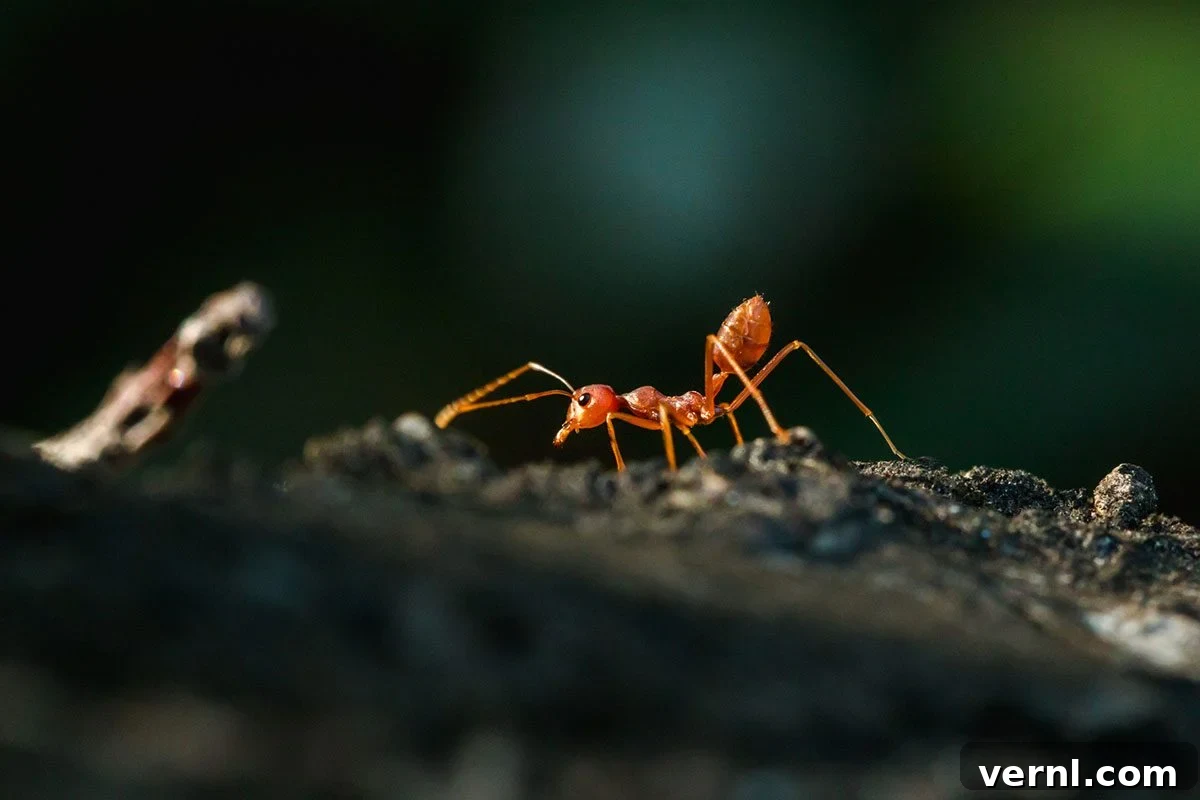
Few pests evoke as much dread and discomfort as the fire ant. Their name alone conjures images of burning pain, and for good reason. A sting from a fire ant is notoriously painful, but the threats these tiny invaders pose extend far beyond a mere discomforting bite. These aggressive insects are not only a health hazard to humans and pets but also a significant economic burden and an ecological menace. Annually, the costs associated with fire ant infestations are staggering, reaching into the billions. This includes expensive medical treatments for stings and allergic reactions, substantial structural damage to homes and infrastructure (they are known to chew through electrical wiring, causing power outages and fire hazards), and ongoing infestation control efforts. Beyond residential concerns, their impact on agriculture is immense, leading to devastating losses in livestock and critical crops. Understanding these pervasive pests is the first step in effective management and prevention, ensuring the safety of your home, family, and garden.
What Exactly is a Fire Ant? Understanding These Formidable Pests
Fire ants are a diverse group of over 20 species of stinging ants globally, all belonging to the genus Solenopsis. As arthropods, they are characterized by their segmented bodies and exoskeletons. What truly defines them, however, is their unique social structure and nesting habits. Fire ant colonies typically construct distinctive mound-shaped nests in soft, well-drained soil, often found in lawns, pastures, and open fields. A key characteristic that differentiates them from many other common ant species is the absence of a central opening in their mounds; instead, workers will emerge and enter through multiple tunnels radiating out from the main structure, making their detection a bit trickier. These mounds can vary significantly in size, reflecting the age and population of the colony.
In the United States, fire ants primarily fall into two broad categories: native and imported species. While native fire ants have long been a part of the North American ecosystem, it’s the imported species that pose the most significant threat.
Native Fire Ant Species in the U.S.
These indigenous fire ants are less aggressive and generally less problematic than their imported cousins. They include several subspecies such as native southern fire ants, tropical fire ants, desert fire ants, and little fire ants. While their stings are still painful, their colonies tend to be smaller and their spread is naturally regulated by local predators and environmental factors.
The Threat of Imported Red Fire Ants
The most infamous and widespread species is the imported red fire ant (Solenopsis invicta). This highly invasive pest was inadvertently introduced to the U.S. from South America in the early 1900s, likely through cargo shipments in port cities. Since then, they have spread rapidly across the Southern and Southwestern states, colonizing vast areas and becoming an entrenched nuisance. Their success is due to their aggressive nature, rapid reproduction rates, and ability to outcompete native species. In many regions, imported fire ants have completely displaced native fire ant populations, altering local ecosystems and increasing the risk to humans and wildlife.
Pro Tip for Homeowners: It might seem counterintuitive, but if you identify a native fire ant mound in your garden or yard and it’s not directly interfering with human activity or posing an immediate threat, it’s often advisable to leave it undisturbed. Native species are less aggressive and their presence can actually deter the more formidable and invasive imported red fire ants from establishing colonies in that territory. Removing native ants can inadvertently create a vacuum, making it easier for the more problematic imported species to move in and take over, ultimately worsening the fire ant problem in your area.
How to Identify Fire Ants: Key Distinguishing Features
While fire ants share a general resemblance with many other common ant species you might encounter in your home or garden, there are several key features that can help distinguish them. However, accurate identification can be challenging due to their small size and varied appearance, especially between species.
Generally, fire ants range in color from a reddish-brown to a darker black, often exhibiting a bright reddish tint. One of their most consistent anatomical identifiers is their antennae: they possess 10 distinct segments, with a noticeable “elbow” bend, and the final two segments forming a club at the tip. Body-wise, they have a two-segmented petiole (the narrow waist between the thorax and abdomen) and a prominent stinger at the tip of their gaster (the bulbous, posterior part of their abdomen). However, these microscopic details are often difficult to observe without magnification.
Here’s a comparative breakdown of the visual differences between native and imported fire ants, focusing on what you might be able to observe:
Native Fire Ants
- Size: Workers within a native fire ant colony are typically uniform in size, making them appear more homogeneous. They usually range from a relatively small 1/16-inch to almost 1/4-inch in length.
- Coloration: Their color spectrum can vary from a bright, vibrant red to a darker, almost black hue, depending on the specific subspecies.
- Mound Characteristics: Mounds built by native fire ants tend to be less conspicuous and generally smaller, often measuring around one to two feet in height.
Imported Red Fire Ants (Solenopsis invicta)
- Size: A crucial identifying feature of imported fire ants is their polymorphism; workers within a single colony exhibit significant variations in size, from very small (minor workers) to much larger individuals (major workers). This size diversity is a strong indicator.
- Eyes: They possess distinct red and black compound eyes, though this requires close inspection.
- Body Segmentation: Their bodies are clearly divided into two segments between the thorax and abdomen.
- Stinger: A visible stinger is present at the tip of their black gaster, which is the primary source of their painful sting.
- Colony Size: Imported fire ant colonies are notoriously large and highly populous, often housing up to 300,000 individuals or more, making them incredibly resilient.
- Mound Characteristics: Their mounds are typically much larger and more formidable, sometimes reaching three feet in height and two feet in diameter. They often appear dome-shaped and are built in sunny, open areas.
Crucial Identification Tip: It’s important to understand that visual identification can be misleading. Not all red ants are fire ants, and conversely, not all fire ants are intensely red. Many distinguishing characteristics are simply too minute to accurately assess with the naked eye. To ensure proper identification and avoid misapplying treatments, it is highly recommended to carefully collect a few specimens in a sealed jar or container. Then, promptly take them to a qualified pest control professional or a local extension office. They possess the expertise and tools necessary for accurate species identification, which is vital for effective and safe pest management.
Understanding Fire Ant Infestations: Why They Choose Your Property
Fire ants are highly adaptable pests, but certain conditions make a property particularly attractive to them. Understanding these factors is crucial for both prevention and control. These ants thrive predominantly in warm, humid, and tropical climates, which is why they are so prevalent across the Southern and Southwestern United States.
Environmental Factors Attracting Fire Ants
- Moisture and Water Sources: Like all living creatures, fire ants require water to survive and flourish. Properties with consistent moisture sources are prime targets. This includes areas with poor drainage, irrigation systems, decorative ponds, or even common household issues like leaky outdoor plumbing or pipes. Over-watered lawns or gardens also create an ideal moist environment for colony establishment.
- Soft, Disturbed Soil: They prefer to build their intricate mound nests in soft, loose soil that is easy to tunnel through. This often includes well-maintained lawns, garden beds, agricultural fields, and even disturbed areas like construction sites. Sunny, open areas are especially favored.
Food Sources That Lure Fire Ants
Fire ants are omnivorous scavengers, and their diet is diverse, making many residential areas highly appealing. They are constantly foraging for sustenance to feed their large colonies. Key attractants include:
- Oily and Greasy Foods: These ants are particularly drawn to high-fat and high-protein food sources. Spilled barbecue remnants, grease drippings, and discarded oily foods left outdoors can quickly become a beacon for foraging fire ants.
- Other Insects and Small Vertebrates: Fire ants are predatory and will hunt and consume other insects, spiders, and even small vertebrates. Properties with abundant insect populations might inadvertently be signaling a readily available food source.
- Seeds: They also gather seeds, which serve as a significant food source, especially for certain species.
- Pet Food: Leftover dog or cat food, especially dry kibble which is often high in fat and protein, is a major attractant. Bowls of pet food left outside for extended periods are an open invitation for fire ants.
Understanding these environmental and dietary preferences allows homeowners to take targeted preventive measures, making their property less hospitable to these invasive pests.
Are Fire Ants Dangerous? Understanding the Risks and Reactions
Without a doubt, fire ants pose a significant threat, making their presence a serious concern for health and safety. Their aggressive nature and potent venom distinguish them as one of the most dangerous common pests. As Ed Spicer of Pest Strategies aptly describes, “When you approach and disturb them, they’ll bite you to get a grip, and then sting you repeatedly with their abdomen. Their stings are excruciatingly painful and often feel as though the affected area is literally on fire, which is precisely how they earned their notorious name.”
The sting mechanism of a fire ant involves injecting a toxic venom, primarily an alkaloid called solenopsin, into the skin. This venom causes a burning sensation, followed by the formation of characteristic pustules (pus-filled blisters) that typically appear within 24 hours. These pustules can be itchy and painful and are prone to secondary bacterial infection if scratched or broken.
While native fire ants are generally considered less hostile than the imported species, both types will respond with extreme aggression if their nest is disturbed or threatened. A single kick or accidental step on a fire ant mound can trigger an immediate and overwhelming swarm, with hundreds or even thousands of ants emerging within seconds to defend their colony. Each ant is capable of stinging multiple times, delivering a barrage of venom that can be incredibly distressing.
Serious Allergic Reactions and When to Seek Medical Help
For most individuals, a fire ant sting results in localized pain, redness, swelling, and the hallmark pustule. However, a small percentage of the population can experience severe, systemic allergic reactions (anaphylaxis) to the venom, which can be life-threatening. While fire ant stings are rarely lethal, prompt medical attention is critical if such a reaction occurs.
Seek emergency medical help immediately if you or someone you know experiences any of the following symptoms after being stung by fire ants:
- Difficulty Breathing or Shortness of Breath: This could indicate swelling in the airways.
- Trouble Swallowing or Tightness in the Throat: Another sign of potential airway compromise.
- Nausea, Vomiting, or Abdominal Cramps: Systemic reactions can affect the digestive system.
- Dizziness, Lightheadedness, or Fainting: Signs of a drop in blood pressure or shock.
- Generalized Hives, Itching, or Swelling over the entire body: Indicating a widespread allergic response.
- Rapid Heartbeat or Weak Pulse: Further signs of an anaphylactic reaction.
Drifting Ant Alert: A Unique Flood Hazard
One of the most astonishing and dangerous adaptations of fire ants is their ability to survive floods. During periods of heavy rainfall and rising water levels, thousands of fire ants can link together, creating a waterproof, living raft. This remarkable collective behavior allows the entire colony, including the queen, to float on the water’s surface, drifting to higher, dry ground. These “floating firestorms” can be incredibly large and are exceptionally hazardous. Should you accidentally make contact with one of these ant rafts, you could be subjected to hundreds or even thousands of simultaneous stings, leading to a truly devastating and potentially dangerous experience. Always exercise extreme caution and avoid any floating debris or masses during flood events in fire ant-prone areas.
Recognizing the Signs: Is Your Home Infested with Fire Ants?
Identifying a fire ant infestation early is critical for effective management. Since these pests primarily establish their colonies outdoors and underground, the most obvious and common initial sign of their presence is the characteristic mound.
Outdoor Signs of Fire Ant Activity:
- Distinctive Mounds: Fire ant mounds are perhaps the clearest indicator. Unlike many other ant species, their mounds lack a single, central opening at the top. Instead, they feature multiple hidden entrances and exits around the perimeter. These mounds can range in size from small, inconspicuous piles to large, dome-shaped structures, especially those of imported fire ants, which can be several feet high and wide. They are often found in open, sunny areas of lawns, gardens, pastures, and along sidewalks or driveways. After a rain, the soil on top of an active mound may appear fluffy or freshly excavated as ants work to repair and expand their tunnels.
- Ant Trails: While not unique to fire ants, visible trails of foraging ants are another sign. Fire ants will form distinct lines as they move between their nest and food sources. Observing these trails can help pinpoint their activity and potential entry points into your home or other structures.
Why Fire Ants Come Indoors:
Fire ants generally prefer the outdoors, but extreme environmental conditions or a search for resources can drive them inside your home. They may seek indoor refuge for several reasons:
- Adverse Weather Conditions: During periods of heavy, torrential rains, outdoor mounds can become saturated or even destroyed, forcing colonies to seek higher, drier ground, often indoors. Conversely, extremely hot and dry weather can also prompt them to move inside in search of moisture and cooler temperatures.
- Search for Food and Water: If outdoor food sources become scarce, or if they detect an accessible food or water source inside your home, foraging fire ants may establish trails leading indoors.
Indications of Fire Ant Stings:
Beyond visual sightings of ants or mounds, physical reactions to their stings are a definitive sign of their presence, especially if you or your pets encounter them. The progression of a typical fire ant sting includes:
- Immediate Itching and Burning Sensation: The initial sting is sharp and intensely painful, quickly followed by a strong burning and itching sensation at the site.
- Redness and Swelling: A red welt with localized swelling will develop around the sting site.
- Pus-filled Pustules: Within 12 to 24 hours, the most characteristic symptom appears: a white, fluid-filled pustule (pimple) forms at the center of each sting site. These distinct pus-filled blisters are a key diagnostic sign of a fire ant sting and can persist for several days to a week. It’s crucial not to scratch or break these pustules, as this can lead to secondary bacterial infections and scarring.
If you notice any of these signs, particularly the distinctive mounds or the characteristic sting reactions, it’s time to take action against a potential fire ant infestation.
Effective Strategies: How to Get Rid of Fire Ants
Successfully eliminating fire ants requires a targeted approach, with the primary focus always on destroying the colony’s nest, specifically reaching the queen. Without eliminating the queen, the colony will simply continue to reproduce and re-establish itself. There are several methods homeowners can employ, ranging from chemical treatments to more natural solutions, depending on the severity of the infestation and safety concerns.
Chemical Treatment Options:
- Mound Drenching with Liquid Pesticides: This is one of the most direct and proven methods for killing fire ants quickly. It involves applying a toxic liquid insecticide directly into the mound. The goal is to saturate the tunnels and reach the queen deep within the nest. This method often provides rapid results, but it requires careful application to ensure effectiveness and minimize environmental impact. Always follow product instructions precisely.
- Granular or Powdered Insecticides: These products are typically applied over the top of the mound and/or scattered across the infested areas of your yard. Rain or watering helps to activate the granules, allowing the insecticide to seep into the tunnels. While effective, granular treatments may take longer to work than liquid drenches, as the ants need to carry the poison back into the colony.
- Fire Ant Baits: Baits are highly effective for larger infestations, especially when multiple nests are scattered across a property or if ants have entered the home. Baits consist of an attractive food source mixed with a slow-acting insecticide. Foraging ants collect the bait and carry it back to the colony, sharing it with other workers, larvae, and critically, the queen. This method ensures that the poison spreads throughout the entire colony, leading to its eventual collapse. While baits are highly successful, they do require patience, as it can take several days to weeks for the full effect to be seen. They are also generally considered safer for pets and children than direct contact pesticides if applied correctly, as the active ingredient is diluted.
Non-Chemical and Home Remedies:
- Boiling Water Treatment: For those with concerns about using chemical pesticides around children and pets, boiling water can be a surprisingly effective solution. Carefully pour three to five gallons of boiling water directly into the center of a fire ant mound. This intense heat will instantly kill a significant number of ants on contact, including, if you’re lucky, the queen. While a majority of the colony may be eradicated, it’s rare to get 100% eradication with a single application, and repeat treatments might be necessary. Exercise extreme caution to avoid burns to yourself or bystanders.
- Citric Acid and Soapy Water: A less potent but viable home remedy involves mixing citric acid with hot, soapy water and pouring it into the mound. The citric acid acts as a natural insecticide, while the soap reduces the water’s surface tension, allowing it to penetrate deeper into the tunnels and suffocate the ants. While this method can be somewhat effective, it is generally considered less powerful than commercial pesticides or boiling water and may require consistent reapplication. This home remedy works best for smaller, nascent colonies.
Crucial Pro Tip: A common mistake homeowners make is simply knocking down or disturbing a fire ant mound. This approach is wholly ineffective and counterproductive. If an anthill is destroyed without eliminating the colony, the ants will simply relocate and quickly rebuild another mound nearby, often within days. This can sometimes lead to the colony splitting into multiple new nests, exacerbating the problem rather than solving it. True eradication requires targeting the heart of the colony: the queen.
Proactive Prevention: How to Keep Fire Ants Out of Your Home
Preventing fire ants from entering your home is a critical aspect of overall pest management. Many of the strategies employed to deter fire ants from invading your living space are similar to those used for other common ant species, focusing on eliminating access points and attractive resources.
Key Prevention Measures:
- Seal Off Entry Points: Thoroughly inspect the exterior of your home for any potential entry points. This includes cracks in the foundation, gaps around windows and door frames, utility line penetrations, and any openings in screens. Use caulk, weatherstripping, or sealant to securely close off these tiny access points. Even the smallest crack can serve as an invitation for ants.
- Proper Food Storage: Fire ants are constantly foraging for food. To cut off their supply, ensure all food items inside your home are stored in airtight containers. This includes dry goods, cereals, and especially pet food. Keep pet food bowls clean and empty when not in use, and avoid leaving pet food out overnight. Similarly, manage your outdoor compost bins and trash cans by keeping them tightly sealed and away from the house, as decomposing organic matter can attract ants.
- Maintain Impeccable Cleanliness: Ants follow invisible scent trails to and from food sources. Regularly sweep, vacuum, and mop your floors to disrupt these trails and remove any crumbs or sticky residues that might attract them. Wipe down countertops immediately after use, clean up spills promptly, and ensure dishes are washed or placed in the dishwasher. Even tiny food particles can signal a buffet to a diligent ant colony.
- Establish Perimeter Barriers: Creating a protective barrier around the foundation of your home can significantly deter fire ants. This can be achieved by applying a liquid insecticide spray or scattering a granular insecticide product specifically designed for perimeter control. These treatments create an invisible chemical fence that ants are reluctant to cross. Reapply these barriers according to product instructions, usually seasonally, to maintain their effectiveness.
- Manage Outdoor Environment: Trim back tree branches and shrubs so they don’t touch the house, providing ants with bridges. Remove leaf litter, mulch, and debris close to the foundation, as these can provide sheltered nesting sites or pathways. Address any moisture issues in your yard, such as standing water or leaky irrigation, to make your property less appealing.
When to Call a Professional Exterminator
While DIY methods can be effective for minor infestations or as preventive measures, there are times when professional intervention is necessary. If you find that store-bought treatments are failing to control the fire ant problem, or if you have a severe, widespread infestation with multiple large mounds, it’s time to enlist the help of experts. Furthermore, if you are concerned about safely applying powerful insecticides around your family, children, or pets, a professional exterminator offers peace of mind.
Professional pest control services have access to stronger, more effective treatments and specialized equipment. They can accurately identify the species of fire ant, locate all colonies, and implement a comprehensive treatment plan that is both effective and safe for your specific situation. The average cost for a single professional fire ant treatment can range from approximately $150 to $500, depending on factors such as the size of your property, the severity of the infestation, and your geographical location. Many pest control companies also offer service contracts for multiple treatments throughout the year, often at a discounted rate, which can be a cost-effective solution for ongoing prevention and management in high-risk areas.