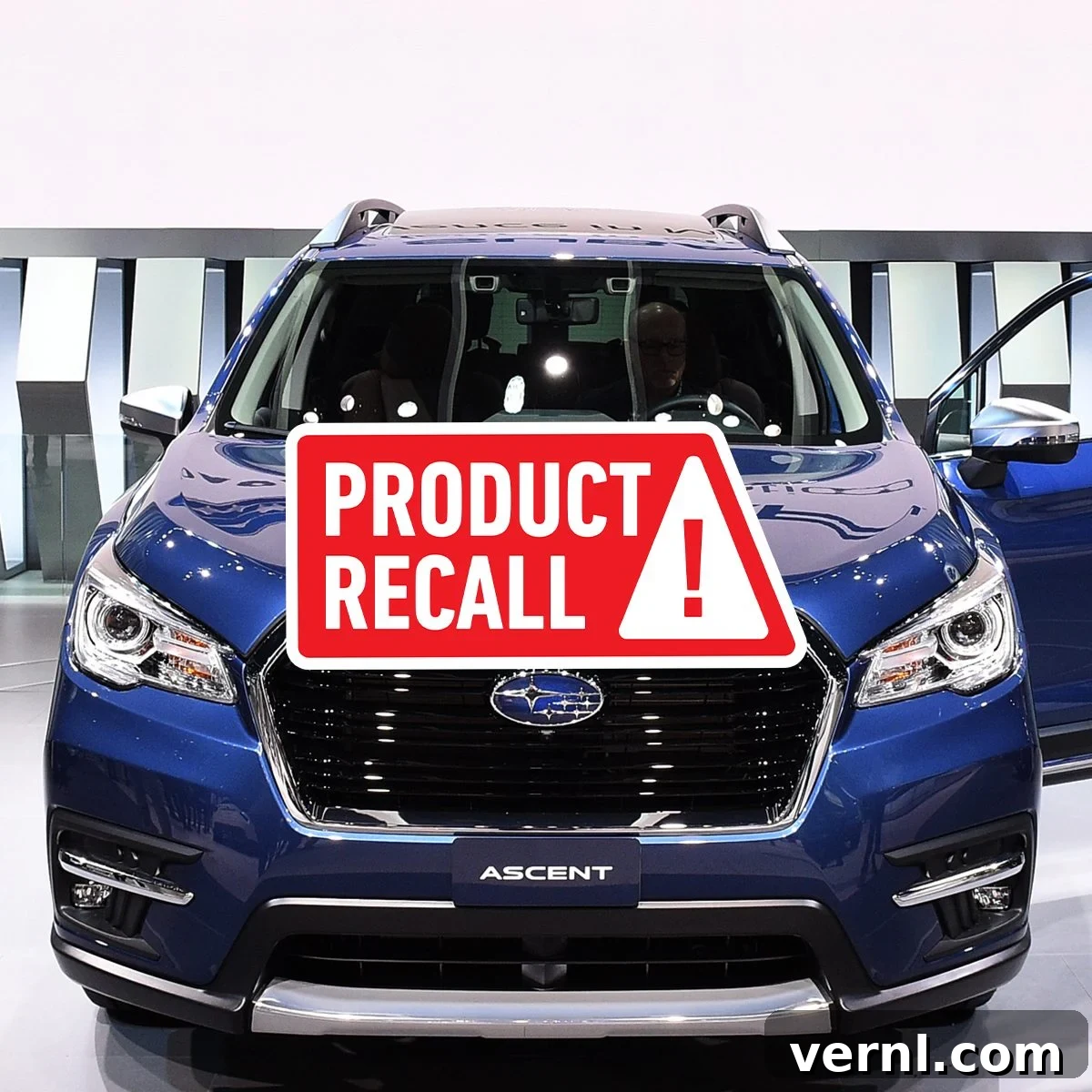
Urgent Subaru Recall: Over 20,000 2025 Forester Vehicles Affected by Wheel Defect
Vehicle recalls are a regular, albeit concerning, part of the automotive landscape, a testament to the ongoing commitment to safety within the industry. No manufacturer is immune, and these announcements frequently make headlines, reminding us of the intricate engineering and stringent safety standards required for modern vehicles. Recently, Subaru, a brand synonymous with reliability and adventure, issued an important recall affecting over 20,000 of its popular 2025 Forester models. This specific recall addresses a potentially serious wheel defect that could compromise vehicle stability and increase the risk of an accident. The National Highway Traffic Safety Administration (NHTSA) has released detailed information regarding this issue, and we’ve compiled all the essential details to ensure 2025 Forester owners can quickly understand the situation and take appropriate action.
Even if the prospect of dealing with a recall seems inconvenient, it is absolutely crucial to treat every recall notice with the utmost seriousness. This holds true regardless of whether the described issue appears minor or if the total number of recalled vehicles seems relatively low. Vehicle recalls are issued to prevent potential harm, and overlooking them means taking an unnecessary gamble with the safety of yourself, your loved ones, and everyone else on the road. Your prompt attention to any recall notification is a vital step in maintaining road safety for all.
Understanding the Gravity of Vehicle Recalls: A Commitment to Safety
Vehicle recalls are not merely bureaucratic exercises; they are a fundamental component of automotive safety, designed to identify and rectify defects that could lead to accidents or injuries. When a manufacturer or a regulatory body like the NHTSA discovers a safety-related defect in a batch of vehicles, a recall is initiated to ensure that all affected vehicles are inspected and repaired at no cost to the owner. This system is a critical safety net, protecting consumers from potential hazards that might not be apparent during routine use.
The importance of responding to a recall cannot be overstated. Even seemingly minor issues can escalate into significant safety concerns under certain driving conditions. For instance, a defect that affects a component’s integrity might only manifest under extreme stress, sudden braking, or specific weather conditions, making it unpredictable and potentially catastrophic. Ignoring a recall letter is akin to ignoring a warning sign; it puts drivers and passengers at undue risk. By addressing recalls promptly, vehicle owners contribute to a safer driving environment for everyone and uphold the integrity of the safety standards designed to protect them.
Why is There a Subaru Recall for the 2025 Forester?
At the heart of this latest Subaru recall is a critical manufacturing defect related to the vehicle’s wheels. According to the official brief released by the NHTSA, more than 20,000 Subaru vehicles have wheels that “may have been manufactured with an incorrectly specified lug seat surface.” To understand the gravity of this, it’s essential to know what a lug seat surface is and why its incorrect specification is problematic.
The lug seat surface is the area on the wheel where the lug nuts make contact and secure the wheel to the vehicle’s hub. This interface is crucial for ensuring the wheel is properly centered and tightly fastened. If this surface is incorrectly manufactured or specified, it can prevent the lug nuts from achieving their intended clamping force or seating correctly. This defect can lead to “the wheel being improperly attached and cause a loss of vehicle stability.”
A “loss of vehicle stability” is an exceptionally dangerous condition that can have dire consequences. When a wheel is not securely attached, it can wobble, vibrate excessively, or even detach from the vehicle while driving. This loss of control can lead to difficulty steering, braking, or maintaining a straight path, especially at higher speeds or during turns. The NHTSA explicitly warns that “a loss of vehicle stability increases the risk of a crash,” underscoring the severity of this defect. Owners whose vehicles are identified in this recall must not delay in scheduling a repair. Furthermore, if you need to use your vehicle before it can be repaired, exercise extreme caution and consider alternative transportation methods if possible.
Which Subaru Vehicles Are Included in This Recall?
The current Subaru recall specifically targets certain models of the 2025 Forester. According to the NHTSA’s official recall brief, the recall applies exclusively to 2025 Forester models that are equipped with 18-inch aluminum alloy wheels. Owners of other Forester model years or those with different wheel specifications are generally not affected by this particular issue. It’s important for owners to verify their vehicle’s specific configuration to determine if it falls within the scope of this recall.
Subaru initiated the owner notification process by mailing out official owner letters on February 28, 2025. If you own a 2025 Forester fitted with 18-inch aluminum alloy wheels, you should be receiving your letter very soon, if you haven’t already. This letter will contain specific instructions and details pertaining to your vehicle. Until you receive your official notification or if you suspect your vehicle might be on the list, it is prudent to exercise caution when driving. Should you have any doubts, or if your letter seems delayed, proactively checking your vehicle’s status is highly recommended.
What Is Subaru Doing to Fix This Wheel Defect?
Subaru has outlined a clear and proactive plan to address this critical wheel defect. The company has announced that authorized Subaru dealerships will undertake a thorough inspection of the wheels on all vehicles included in this recall. This inspection will specifically focus on identifying any wheels that exhibit the “incorrectly specified lug seat surface” defect.
If, upon inspection, a defective wheel is identified on your 2025 Forester, the dealership will proceed with its replacement. Subaru has committed to covering all costs associated with both the inspection and any necessary replacement work. This means owners will not incur any charges for parts or labor for this recall-related repair. To ensure your safety and the longevity of your vehicle, it is essential to make an appointment at your earliest possible convenience. Contact your preferred Subaru dealership to schedule the inspection and repair, ensuring you mention it’s for the wheel recall.
Your Immediate Steps: What 2025 Forester Owners Should Do
If you own a 2025 Subaru Forester, especially one equipped with 18-inch aluminum alloy wheels, it is imperative to take immediate action to ensure your safety and address this recall. Here’s a step-by-step guide on what you should do:
- Watch for Your Owner Letter: Subaru began mailing official recall notification letters on February 28, 2025. Keep an eye on your mailbox for this important document, which will contain specific details for your vehicle.
- Verify Your Vehicle’s Status: Even if you haven’t received a letter yet, or if you want to confirm the status independently, you can use the NHTSA website. Details on how to do this are provided in the next section.
- Schedule an Appointment Promptly: Once you’ve confirmed your vehicle is part of the recall, contact your local authorized Subaru dealership without delay. Schedule an appointment for the wheel inspection and potential replacement. Remember, these services will be performed free of charge.
- Exercise Caution When Driving: If you must drive your vehicle before the recall repair is completed, do so with extreme caution. Pay close attention to any unusual vibrations, noises, or changes in handling, especially from the wheels. If you notice anything unusual, pull over safely and contact roadside assistance or your dealership. Consider limiting your driving until the repair is done.
- Keep Records: Retain your recall letter and any repair invoices for your records. This documentation can be useful in the future.
Taking these steps seriously will ensure that your 2025 Forester is safe to drive and that any potential hazards from this manufacturing defect are eliminated.
How to Confirm Your Vehicle’s Recall Status Independently
For owners who wish to independently verify if their 2025 Subaru Forester is affected by this recall, or for those who have not yet received their official notification letter, the National Highway Traffic Safety Administration (NHTSA) offers an invaluable online tool. You can easily check your vehicle’s recall status by visiting the official NHTSA website. Simply navigate to their dedicated recall lookup page and enter your vehicle’s 17-character Vehicle Identification Number (VIN). The VIN can typically be found on the driver’s side dashboard (visible through the windshield) or on the driver’s side door jamb sticker. This quick search will provide up-to-date information on any open recalls specific to your vehicle, including the Subaru Forester wheel defect recall (NHTSA recall number 25V033000).
Important Contact Information for Subaru Owners
If you have any further questions that are not answered within your owner letter or on the NHTSA website, there are dedicated channels for support:
- You can reach Subaru customer service directly at 1-844-373-6614. When you call, be sure to state that you are inquiring about recall number WRB-25 to help the representative assist you efficiently.
- Alternatively, you can contact the National Highway Traffic Safety Administration Vehicle Safety Hotline at 1-888-327-4236. When speaking with them, reference NHTSA recall number 25V033000 for details on this specific Subaru Forester wheel recall.
The Broader Picture: Ensuring Ongoing Automotive Safety
This Subaru recall, like many others across the automotive industry, highlights the continuous efforts by manufacturers and regulatory bodies to uphold and improve vehicle safety standards. The process of identifying defects, issuing recalls, and performing corrective actions is a testament to an industry that prioritizes consumer protection. While recalls can be concerning, they are ultimately a positive indication that safety systems are working as intended, catching potential issues before they lead to widespread problems. As vehicle technology advances, the commitment to rigorous testing and immediate remediation of defects remains paramount, ensuring that every driver can have confidence in the safety of their vehicle.
Conclusion: Prioritize Your Safety with Prompt Action
The Subaru recall affecting over 20,000 2025 Forester vehicles due to a potentially dangerous wheel defect is a critical reminder for owners to stay vigilant about automotive safety. The risk associated with an incorrectly specified lug seat surface, leading to unstable wheels and an increased risk of a crash, demands immediate attention. By understanding the nature of the defect, verifying your vehicle’s status, and scheduling the free inspection and repair with your Subaru dealership promptly, you are taking proactive steps to protect yourself, your passengers, and others on the road. Do not delay; your safety is the most important consideration.
Source
Incorrectly Manufactured Wheels, National Highway Traffic Safety Administration, 2025.