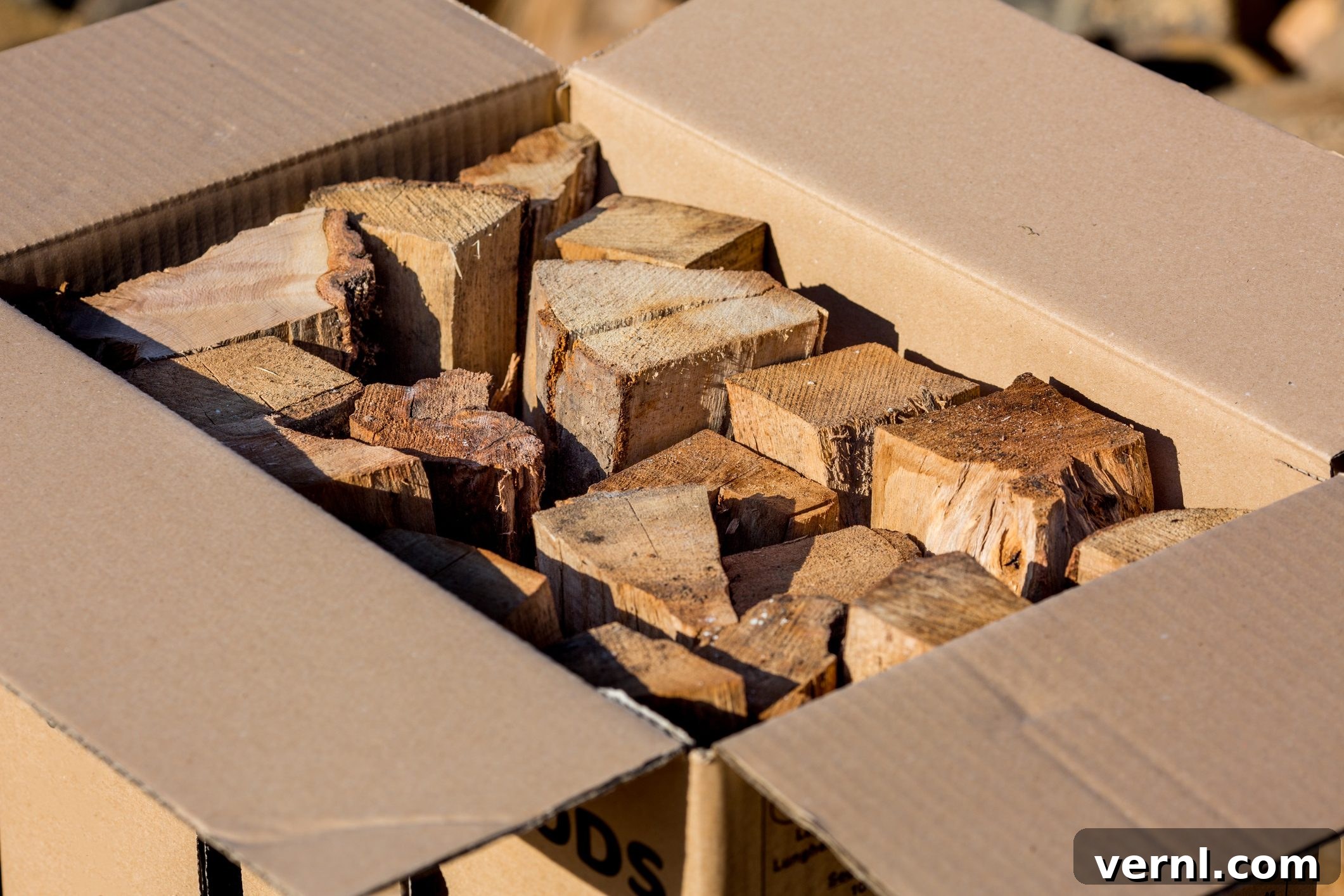
The Ultimate Guide to Firewood Delivery Services: Convenience, Quality, and Warmth at Your Doorstep
In today’s fast-paced world, convenience is king. From groceries to pet supplies and gourmet meals, almost anything can be delivered straight to your door. Now, you can add high-quality firewood to that growing list of essential home deliveries. Whether you’re planning cozy evenings by the fireplace, hosting a backyard bonfire in your fire pit, or need a reliable fuel source for your wood stove, professional firewood delivery services offer an unparalleled level of ease and accessibility. This comprehensive guide will walk you through everything you need to know about choosing, ordering, and receiving the best firewood for your needs.
Why Opt for Firewood Delivery? Unmatched Convenience
Gone are the days of laboriously chopping wood, struggling to load heavy logs into your vehicle, or making multiple trips to a local supplier. Firewood delivery services revolutionize the way you acquire your fuel. Here’s why they’re becoming increasingly popular:
- Time-Saving: Eliminate the need for sourcing, transporting, and often, splitting wood yourself. A few clicks, and your firewood is on its way.
- Effortless: Heavy lifting and potential injuries are avoided. Professionals handle the logistics, often including stacking options.
- Variety and Quality: Access to a wider selection of wood types, including specialty woods, and often guaranteed quality like kiln-dried options that burn cleaner and more efficiently.
- Bulk Ordering: Easily order the exact quantity you need, from small bundles to full cords, without worrying about transportation constraints.
- Consistency: Reputable suppliers often provide consistently sized and properly seasoned or kiln-dried wood.
Key Questions to Ask a Firewood Delivery Service Before You Buy
Before you “add to cart” and confirm when and where you want your firewood delivered, it’s crucial to ask a few insightful questions. This ensures you receive the right type and quality of wood for your specific use, avoiding common pitfalls and guaranteeing a satisfying burn.
Where is the Wood Sourced From? Understanding Origin and Regulations
The origin of your firewood is more important than you might think, influencing both cost and environmental responsibility. Locally sourced firewood typically costs less for shipping and helps support regional businesses. However, if you’re ordering wood from a national supplier, especially across state lines, specific regulations apply to prevent the spread of invasive pests and diseases. “If wood goes past state lines, it needs to go through a kiln and be certified,” explains Sharon Wilczek, president and owner of Paul’s Fireplace Wood, a national firewood supplier. Always inquire about the wood’s origin and certification, particularly if you live in an area prone to invasive species outbreaks.
What Kind of Wood is It? Choosing the Right Species for Your Fire
The type of firewood you select significantly impacts the quality, duration, and heat output of your fire. “Consider the wood species of your firewood and the desired burn length of your fire before you buy,” advises Leroy Hite, CEO of Cutting Edge Firewood, another prominent national supplier. Firewood is generally categorized into hardwoods and softwoods, each with distinct characteristics:
Hardwoods vs. Softwoods: A Quick Comparison
- Hardwoods (e.g., Oak, Hickory, Maple, Birch): Denser, burn longer and hotter, produce less smoke and creosote, and are ideal for sustained heating. They are generally more expensive but offer greater efficiency.
- Softwoods (e.g., Pine, Fir, Spruce): Lighter, ignite quickly, burn faster, and are great for kindling or short, quick fires. They produce more smoke and creosote, making them less suitable for indoor, long-term heating.
Popular Firewood Species and Their Best Uses:
- Hickory: A very dense and heavy hardwood known for its exceptionally long burn time and high heat output. It’s one of the best firewoods for heating. “It has a deep and pleasing aroma and is an excellent choice for a long fire, especially during cold winter nights,” Hite notes. Ideal for fireplaces and wood stoves.
- Oak: Another slow- and long-burning hardwood, perfect for cold evenings when you want consistent, sustained heat. Oak produces excellent coals and a mild aroma, though it can be harder to start due to its density, as Wilczek points out.
- Birch: Often referred to as “the Cadillac of wood” by Wilczek, birch is an elegant hardwood that lights easily and offers a delightful snap, crackle, and pop, creating a charming ambiance. It burns at a moderate rate, making it versatile for both indoor and outdoor fires.
- Maple: A widely available hardwood that burns hot and long, similar to oak, but with a slightly sweeter aroma. Maple produces good coals and is an excellent choice for general heating purposes.
- Ash: Known for its ability to burn well even when relatively green (though seasoned is always better), ash provides a steady heat and produces a consistent flame. It’s a good all-around hardwood.
- Specialty Woods (e.g., Apple, Cherry, Pecan): These fruit and nut woods are highly prized for their unique, sweet, and aromatic smoke, making them exceptional choices for burning outside in a fire pit or for culinary applications like smoking meats or in a pizza oven. While they provide decent heat, their primary appeal lies in their sensory experience.
Always confirm the specific species offered by the delivery service to ensure it aligns with your desired burn characteristics and intended use.
When Was the Firewood Cut? Understanding “Green” Wood
Knowing when the firewood was harvested is critical, as it directly determines when it can be safely and efficiently used. Wood harvested recently, often referred to as “green” wood, has a very high moisture content (sometimes over 50%). Burning green wood is highly inefficient, produces excessive smoke, leaves behind more creosote (a hazardous byproduct that can build up in chimneys and lead to fires), and generates significantly less heat. For optimal burning, wood needs to dry out, or “season,” for at least nine months, often longer depending on the climate and wood type. Burning properly seasoned wood ensures a cleaner, hotter, and safer fire, minimizing smoke and creosote buildup in your chimney or stove.
Is the Firewood Kiln-Dried or Seasoned? The Moisture Content Debate
The moisture content of your firewood is paramount, especially if you plan to burn it indoors. While it doesn’t matter as much for an outdoor fire pit, burning wet wood in an indoor fireplace or wood stove is inefficient and unsafe. Ensure your wood is sufficiently dried, either through natural seasoning or kiln drying.
-
Seasoned Wood: This wood has been naturally air-dried for an extended period, typically between nine months to two years. It’s left in open stacks, allowing air circulation to gradually reduce its moisture content to an ideal range (usually 15-25%). Seasoned wood is often more affordable than kiln-dried wood, but its moisture level can vary depending on drying conditions. Reputable suppliers will provide wood that has been properly seasoned and ready to burn.
-
Kiln-Dried Firewood: This wood undergoes an accelerated drying process in a heated chamber (kiln). It’s typically baked at temperatures between 120°F and 220°F with low humidity, usually for three to six days. This process rapidly reduces the moisture content to below 20% (often 10-15%), making it ready to burn immediately upon delivery. Kiln-dried wood costs more due to the energy and labor involved, but it burns significantly more efficiently, produces minimal smoke and creosote, and is generally pest-free. For indoor burning, kiln-dried firewood offers a premium, hassle-free experience.
When comparing, consider your budget, urgency, and primary use. If you need wood immediately and want the best possible burn, kiln-dried is the superior choice. If you’re planning ahead and on a tighter budget, well-seasoned wood is an excellent alternative.
Where Will They Deliver the Firewood? Understanding Delivery Logistics
Delivery logistics can vary significantly among services. Some companies operate on a curbside delivery model, meaning they will leave the wood at the end of your driveway. Others may offer more comprehensive services, including placing the wood closer to your home, such as by your front door or directly onto your firewood rack. Some premium services even offer “white glove” delivery, which includes stacking the wood neatly in your preferred storage location. Always clarify the exact delivery parameters before ordering to avoid surprises and ensure the wood is placed conveniently and safely.
What’s the Minimum Order for Firewood Delivery? Quantity and Cost Considerations
Understanding the minimum order requirements is essential, especially when planning how much firewood you need for the season. Delivery services often have minimum order sizes, ranging from small bundles to a quarter cord or more, to make their operations economically viable. If you’re ordering from a national supplier, check both the minimum order and the associated shipping costs, as these can add substantially to the total price. Common measurements include bundles (typically 7-9 logs), face cords (a stack 4 feet high and 8 feet long, usually 16-24 inches deep), and full cords (a stack 4 feet high, 4 feet deep, and 8 feet long). Estimate your annual consumption to ensure your order meets the minimum without buying excessive amounts. If you only need a small quantity, local options or grocery delivery services might be more cost-effective.
Pricing and Payment: Getting the Best Value
Firewood pricing can vary based on several factors: the wood species, whether it’s seasoned or kiln-dried, the volume ordered, and delivery distance. Always inquire about the total cost upfront, including delivery fees, and understand the pricing structure (e.g., per bundle, per face cord, per full cord). Most reputable services accept standard credit card payments, but some local suppliers might prefer cash or checks. Confirm payment methods beforehand to ensure a smooth transaction.
Navigating Firewood Delivery Options: Local vs. Online
Depending on your location and needs, you have several excellent avenues for ordering firewood for delivery.
Local Firewood Delivery Services: Community and Convenience
Your best bet for cost-effective and often more flexible delivery may be to ask friends, family, and neighbors for their recommended local services. Local options provide the benefit of supporting community businesses and often have a better understanding of regional wood types. Consider these top local sources:
- Local Nurseries and Garden Centers: Many nurseries stock firewood, especially during colder months, and often offer local delivery services.
- Local Hardware Stores: Similar to nurseries, hardware stores frequently carry bundles of firewood and can sometimes arrange larger deliveries.
- Local Tree Services or Logging Companies: These businesses are a prime source for bulk firewood. They often have excess wood from tree removals or logging operations and can offer competitive prices for cords or face cords.
- Independent Local Firewood Suppliers: Many small businesses specialize solely in firewood. A quick online search for “firewood delivery near me” will likely reveal several options in your area.
Local suppliers can sometimes offer more personalized service and may be more amenable to specific delivery requests.
Online and National Firewood Delivery Services: Wide Selection, Standardized Quality
If local options are limited, or if you prefer the convenience and standardized quality of national suppliers, several online platforms offer firewood for purchase and delivery:
-
The Home Depot: This retail giant sells firewood in various quantities, from small bundles and cases of logs to pallets. If you’re buying firewood in a large amount, you may be able to have it delivered directly to your home. Check with your local store for delivery options and availability, as services can vary by region. A bundle (seven to nine logs) typically costs less than $10.
-
L.L. Bean: While primarily known for outdoor gear, L.L. Bean is an excellent option for kindling. They conveniently ship boxes of fatwood directly to your home, perfect for getting your fires started quickly and easily. A 25-pound box of fatwood is typically around $45.
-
Specialized National Firewood Retailers: Many independent firewood retailers ship nationally, offering a diverse range of wood types, often kiln-dried for premium quality. Examples include Wilczek’s Minnesota-based company, Firewood.com (e.g., $52 plus shipping for a 30-pound box), and Hite’s Cutting Edge Firewood out of Georgia (e.g., $245 for a 2-ft.-by-4-ft. rack of kiln-dried wood). Cutting Edge also stands out by offering accessories and tools, and even a white glove delivery service in some major cities, providing stacking and placement services.
-
Instacart and Shipt (and other grocery delivery services): These platforms, primarily for grocery delivery, sometimes include firewood among their offerings from participating local stores. Check your area for firewood options, availability, and typical measurements. Prices will vary by store and region, often making them suitable for smaller, immediate needs rather than bulk orders.
Preparing for Your Firewood Delivery: A Smooth Experience
To ensure a hassle-free delivery and proper storage of your firewood, a little preparation goes a long way:
- Clear a Space: Designate a dry, accessible area for your firewood. This could be a dedicated firewood shed, a sturdy outdoor rack, or a section of your garage. Ensure the area is elevated off the ground to prevent moisture absorption.
- Check Accessibility: Make sure the delivery truck or vehicle has clear, safe access to the delivery point. Remove any obstacles, overhanging branches, or vehicles that might impede their path.
- Consider Storage Solutions: Invest in a quality firewood rack or build a simple shed to keep your wood organized, dry, and off the ground.
- Be Present (If Required): Some services may require you to be home during delivery, especially if you’ve requested specific placement or stacking services. Confirm this with your supplier.
Tips for Storing Your Firewood Effectively
Proper storage is crucial for maintaining the quality of your delivered firewood and ensuring it remains ready for a clean burn:
- Keep it Dry: Store firewood in a location protected from rain and snow. A roof or tarp covering the top of the stack is essential.
- Elevate Off the Ground: Use a rack or pallets to keep the wood at least 4-6 inches off the ground. This prevents moisture wicking and improves airflow.
- Ensure Airflow: Stack logs loosely to allow air to circulate around them. Avoid tightly enclosing the stack on all sides, as this can trap moisture.
- Away from Your Home: Store firewood at least 10-15 feet away from your house. This helps prevent pests like termites, ants, and spiders from finding their way inside your home.
The Benefits of Burning Quality Firewood
Choosing to have quality, properly dried firewood delivered brings numerous advantages beyond mere convenience:
- Cleaner Burn: Low-moisture wood produces significantly less smoke, leading to cleaner air both indoors and outdoors.
- Higher Heat Output: Dry wood burns more efficiently, releasing more heat energy and requiring fewer logs to achieve the desired warmth.
- Reduced Creosote Buildup: Less smoke and more complete combustion mean less creosote accumulating in your chimney or stove, reducing the risk of dangerous chimney fires and extending the life of your heating appliance.
- Pleasant Aroma: Properly seasoned or kiln-dried wood, especially certain species, emits a more pleasant, natural aroma without the acrid smell of burning wet wood.
- Environmental Responsibility: When sourced from sustainable suppliers, burning firewood can be a more environmentally friendly heating option, especially when compared to fossil fuels.
Conclusion: Embrace the Ease of Firewood Delivery
Firewood delivery services offer a modern solution to an age-old need, bringing unparalleled convenience, choice, and quality right to your doorstep. By asking the right questions about origin, wood type, moisture content, and delivery logistics, you can ensure a seamless experience and enjoy the warmth and ambiance of a perfectly burning fire. Whether you choose a trusted local provider or a specialized national supplier, embracing firewood delivery means less hassle and more time to relax by the glow of a crackling fire, anytime you desire.