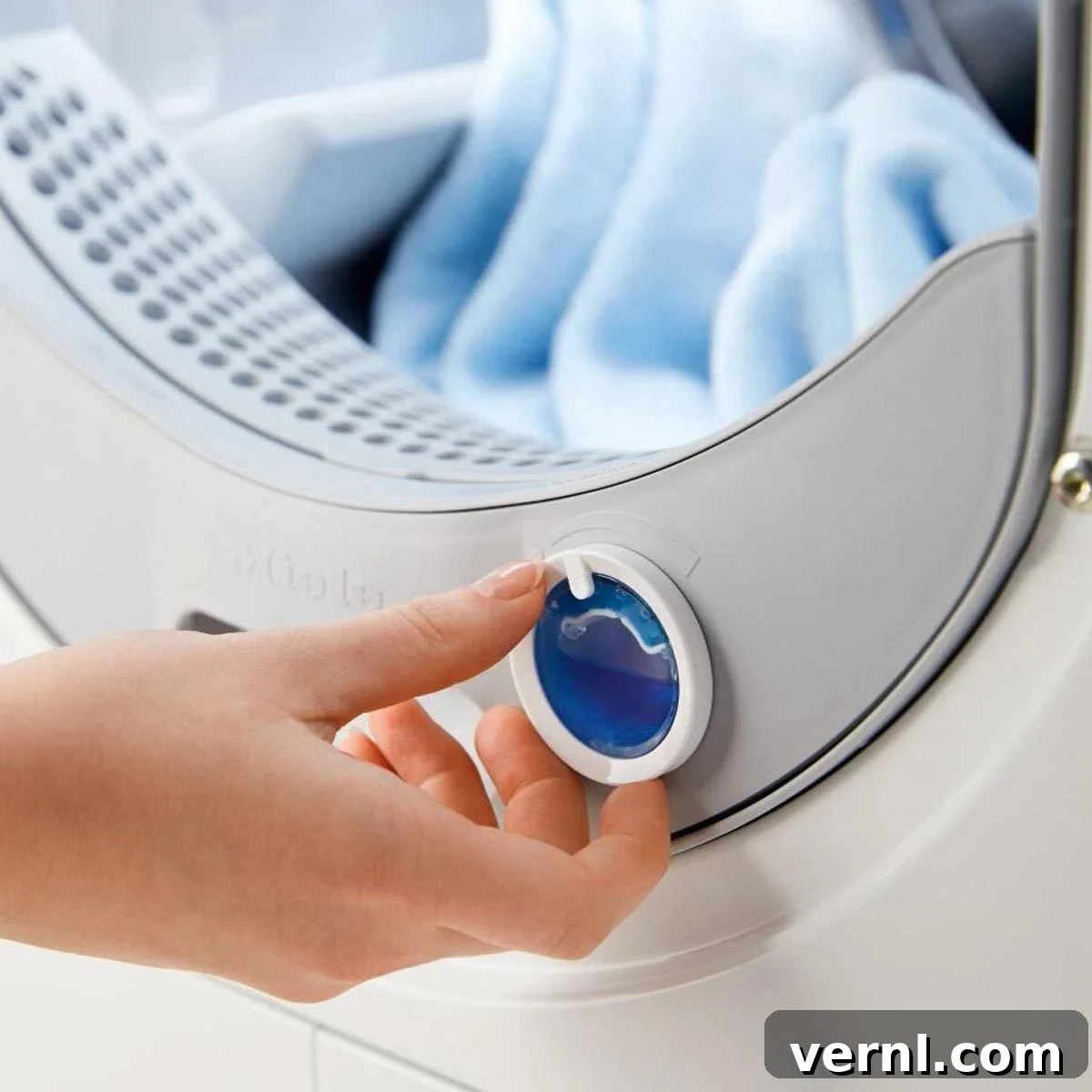
Heat pump technology, while not a novel concept in the mechanics of air conditioners and refrigerators, is experiencing a remarkable resurgence and expansion into new applications. This innovation is transforming how we approach home comfort and utility, particularly in the realm of residential appliances.
For instance, modern residential heat pump systems, designed to efficiently heat and cool homes, have only gained significant traction since the 1990s. These advanced systems are projected to steadily replace traditional gas and resistive electric furnaces over the next decade, driven by increasing energy costs and environmental concerns. Similarly, heat pump water heaters represent a more recent leap forward, accounting for a modest but growing percentage of water heater sales in 2022, a figure expected to rise sharply as consumers seek more sustainable options.
Among these emerging applications, heat pump clothes dryers stand out as a revolutionary appliance, particularly for the North American market. While developed in Europe in the 1990s and widely adopted there since 2007, they were only introduced to the American market in 2014. These innovative appliances, often referred to as ventless or condensing dryers, are electric dryers that offer a myriad of advantages over their conventional vented counterparts, most notably the elimination of an external exhaust vent.
Despite their clear benefits, heat pump dryers also present certain drawbacks that could influence their widespread adoption. We’ll delve into these aspects in detail shortly. However, a significant driving force behind their increasing popularity is evolving government policy and a global push towards energy efficiency. States like California are actively pursuing strategies to reduce residential reliance on fossil fuels, and the federal government robustly promotes heat pump technology as a highly energy-efficient alternative. This shift is not unique to North America; countries like Switzerland have banned vented dryers since 2012, signaling a potential future trend for other regions as environmental regulations tighten. Before exploring further, it’s beneficial to understand the fundamental distinctions between gas and electric dryers, as heat pump models represent a significant evolution within the electric category.
What Is a Heat Pump Clothes Dryer?
A heat pump clothes dryer is an innovative appliance designed to dry laundry without the need for an exhaust vent leading to the outside of your home. Unlike conventional dryers that expel hot, moist air, these units operate on a closed-loop system, recirculating the air within the drum.
At its core, a heat pump dryer features a familiar tumbling drum, similar to conventional models. However, its method of drying is fundamentally different. Instead of drawing in ambient air, heating it with an electric heating element, blowing it over the clothes, and then expelling the hot, moisture-laden air outside, a heat pump dryer intelligently recycles the air. It warms the air, circulates it through the tumbler to absorb moisture from the wet clothes, and then processes that moisture-rich air. This process involves cooling the air to condense the moisture into water, which is then collected and drained, making it also known as a condensing dryer.
Beyond the tumbling drum, the primary components of a heat pump dryer include a compressor and a series of coils. The compressor functions much like the one found in an air conditioner or refrigerator, pressurizing a special refrigerant. This refrigerant then cycles between liquid and gaseous states within the coils, facilitating heat transfer. Because these dryers do not require external ventilation, they offer unparalleled flexibility in terms of installation. They can be placed almost anywhere within a home or apartment—whether as part of a stacked washer and dryer unit in a closet or a side-by-side installation in a utility room, provided there’s adequate space for airflow around the appliance.
How Does a Heat Pump Dryer Work?
The operational principle of a heat pump dryer is surprisingly similar to that of a dehumidifier, leveraging the refrigeration cycle to extract moisture from clothes. This sophisticated process is driven by a compressor, which acts as the heart of the system.
Here’s a step-by-step breakdown of how this ingenious appliance functions:
- Compressor and Condenser Coils: The compressor first pressurizes a refrigerant gas. This compression causes the refrigerant to heat up significantly. This hot, high-pressure refrigerant then flows into a set of coils known as the condenser coils. As the refrigerant passes through these coils, it releases its heat. The air that circulates through the dryer’s system is warmed as it passes over these hot condenser coils.
- Moisture Absorption in the Tumbler: This now warm, dry air is directed into the dryer’s tumbler, where it circulates among the wet clothes. Because warm air has a greater capacity to hold moisture than cold air, it efficiently absorbs water from the damp fabrics.
- Evaporator Coils and Condensation: After collecting moisture from the clothes, the now warm and humid air exits the tumbler and is routed to another set of coils—the evaporator coils. Before reaching these coils, the refrigerant within the system undergoes a crucial change. After releasing heat in the condenser, the high-pressure liquid refrigerant passes through an expansion valve. This valve dramatically reduces the pressure of the refrigerant, causing it to rapidly expand and turn back into a cold gas. As this cold gas flows through the evaporator coils, it absorbs heat from the humid air passing over them.
- Water Collection: As the humid air cools down significantly when it passes over the cold evaporator coils, its ability to hold moisture diminishes drastically. This causes the excess water vapor to condense out of the air, turning back into liquid water. This collected water then drips into a pan or reservoir located at the bottom of the dryer. Users can either manually empty this reservoir after each load or, more conveniently, connect the dryer to a drainage tube, allowing the water to be automatically siphoned away, similar to a washing machine.
- Recirculation: The now cool and dry air, having shed its moisture, is then circulated back over the condenser coils to be reheated. This completes the closed-loop cycle, allowing the same air to be continually reused for drying. This constant recycling of air, along with the efficient heat transfer mechanism, is what makes heat pump dryers so energy-efficient and eliminates the need for an external vent.
This closed-loop system is not only energy-efficient but also ensures that no warm, conditioned air from your home is expelled outside, further contributing to overall household energy savings.
Benefits of a Heat Pump Dryer
Heat pump dryers offer a compelling suite of advantages that position them as a superior choice compared to traditional vented dryers, especially in today’s environmentally conscious and energy-efficient market:
- Significantly More Energy-Efficient: Perhaps the most compelling benefit, heat pump dryers are remarkably more energy-efficient. According to Energy Star, these appliances are typically 28% more efficient than conventional dryers. This efficiency stems from their closed-loop system, which recycles heat rather than expelling it. This translates directly into lower electricity bills and substantial long-term savings for homeowners, making the initial investment more justifiable over the appliance’s lifespan.
- Ventless Operation and Installation Flexibility: The absence of an external vent is a game-changer. There’s no longer a need to cut a hole in a wall, deal with complex ductwork, or compromise your home’s exterior aesthetics. This ventless design eliminates the significant danger of lint buildup in the dryer vent, which is a common cause of household fires. Furthermore, it means you can install a heat pump dryer almost anywhere in your home—be it a closet, a bathroom, a kitchen, or a dedicated laundry room—as long as there’s access to a power outlet and sufficient space for the appliance. This flexibility is particularly invaluable for apartments, condos, or older homes where external venting might be impractical or impossible.
- Gentler on Clothes, Extending Garment Life: Conventional dryers operate at very high temperatures, which can be harsh on fabrics, leading to premature wear, fading, and shrinkage. Heat pump dryers, by contrast, operate at significantly lower temperatures. This gentle drying process is much kinder to your clothing, preserving fabric integrity, color, and elasticity. Delicates, wool, and synthetic materials, which might be damaged in a conventional dryer, can often be safely dried in a heat pump model, potentially extending the lifespan of your wardrobe and reducing the need for costly replacements.
- Environmentally Friendly and Reduced Carbon Footprint: By consuming substantially less energy, heat pump dryers contribute to a greener household and a healthier planet. Their reduced electricity demand means less reliance on fossil-fuel-generated power, leading to a smaller carbon footprint. This aligns perfectly with global efforts to combat climate change and promotes sustainable living, making them an excellent choice for eco-conscious consumers looking to minimize their environmental impact.
- Improved Indoor Air Quality: Since no air is vented outside, there’s also no expulsion of lint particles or other airborne allergens into your living space, contributing to better indoor air quality, especially for individuals with allergies or respiratory sensitivities.
Drawbacks of a Heat Pump Dryer
While heat pump dryers offer numerous advantages, it’s also important to consider their potential drawbacks. Understanding these limitations can help consumers make an informed decision that best suits their specific needs and lifestyle:
- Smaller Capacity: Historically, heat pump dryers have tended to have smaller drum capacities compared to their conventional counterparts. While manufacturers are continuously innovating to address this, drum capacities of around four cubic feet are typical, whereas conventional dryers often boast seven cubic feet or more. This smaller size might necessitate drying smaller loads or running more cycles, which could be less convenient for large families or those who frequently wash bulky items like blankets or comforters.
- Longer Drying Times: Due to their lower operating temperatures and the intricate moisture extraction process, heat pump dryers generally take longer to dry a load of laundry. A typical cycle can take anywhere from 15 to 30 minutes longer than a conventional dryer, and sometimes even more for very damp or large loads. This extended drying time is a trade-off for the increased energy efficiency and gentler fabric care.
- Requires More Frequent Maintenance: All the lint and moisture that don’t escape through a vent have to go somewhere. Most lint is efficiently captured by multiple filters that require regular cleaning—often after every load. However, some fine lint particles and residual moisture can accumulate on the condenser and evaporator coils. These coils also need periodic cleaning to ensure optimal performance and efficiency. Neglecting this routine maintenance can lead to a host of problems, including significantly longer drying times, decreased energy efficiency, and an increased likelihood of more costly dryer repairs down the line. Additionally, the water collection tank (if not plumbed for drainage) needs to be emptied regularly.
- Potential for Mold and Mildew: Since water is continuously generated and condensed within the dryer’s system, there is an inherent risk of mold or mildew if proper ventilation around the appliance isn’t maintained, or if the water collection system is not regularly emptied or properly drained. If water accidentally drips or pools under the dryer, or if the internal components are not kept clean, it can create a humid environment conducive to mold growth. Regular cleaning and ensuring proper drainage are crucial preventative measures.
- Higher Upfront Cost: Perhaps the most significant barrier to widespread adoption is the higher initial purchase price. Heat pump dryers typically cost about twice as much as a comparable conventional dryer. While the long-term energy savings can eventually offset this higher upfront investment, it represents a substantial financial commitment for many consumers, making it a key consideration for budget-conscious buyers.
Best Heat Pump Dryers
Heat pump clothes dryers, frequently marketed under the umbrella term of ventless dryers, are becoming increasingly available at major appliance retailers and online. As the technology matures, consumers have a wider range of options to choose from, catering to various budgets and capacity needs. Here, we highlight three top performers that excel in different categories:
Best Budget-Friendly Option
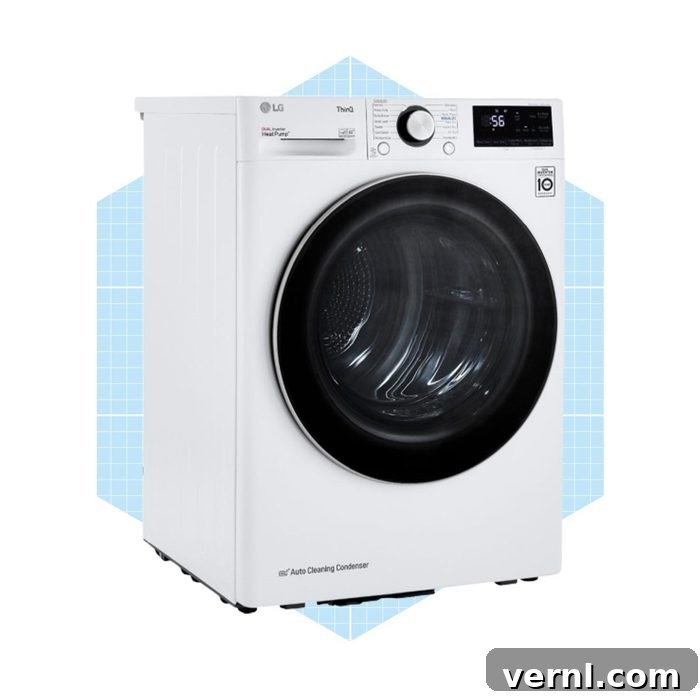
The LG Stackable Smart Dryer is an excellent choice for those seeking to enter the world of heat pump drying without breaking the bank. This Energy Star-certified unit boasts a practical 4.2 cubic foot capacity, making it suitable for singles, couples, or smaller families. A standout feature is its integrated Wi-Fi capability, which allows users to conveniently monitor the drying cycle’s progress and receive notifications directly on their mobile device via a dedicated app. Its compact dimensions, approximately 24 inches square and 33 inches high, ensure it can easily fit into tight spaces, including most closets or designated laundry nooks. Operating on a standard 120-volt outlet, it offers versatile installation options and is known for its quiet operation, enhancing overall home comfort.
Dimensions: 24 x 33.5 x 26.375 in.
Best Splurge for Premium Features
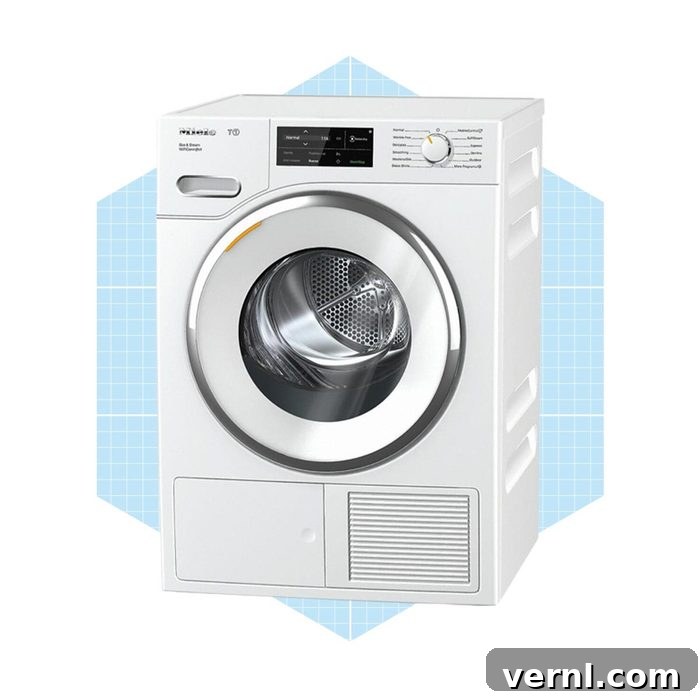
For discerning buyers prioritizing advanced features and superior performance, the Miele TRX860WP consistently earns rave reviews online. This premium model, also Energy Star certified, combines the efficiency of heat pump technology with Miele’s renowned engineering and design. Similar to the budget-friendly LG, it’s a closet-sized unit with Wi-Fi connectivity, running on a standard 120-volt outlet for ease of installation. What truly distinguishes the TRX860WP is its innovative SteamFinish feature. This function blasts clothes with steam at the end of the drying cycle, effectively smoothing out wrinkles and significantly reducing the need for ironing. For an added touch of luxury, users can also purchase optional fragrance pods, infusing their laundry with a pleasant scent. This dryer is designed for those who seek efficiency coupled with an elevated laundry experience.
Dimensions: 33.5 x 23.5 x 25.375 in.
Best for Large Capacity Needs
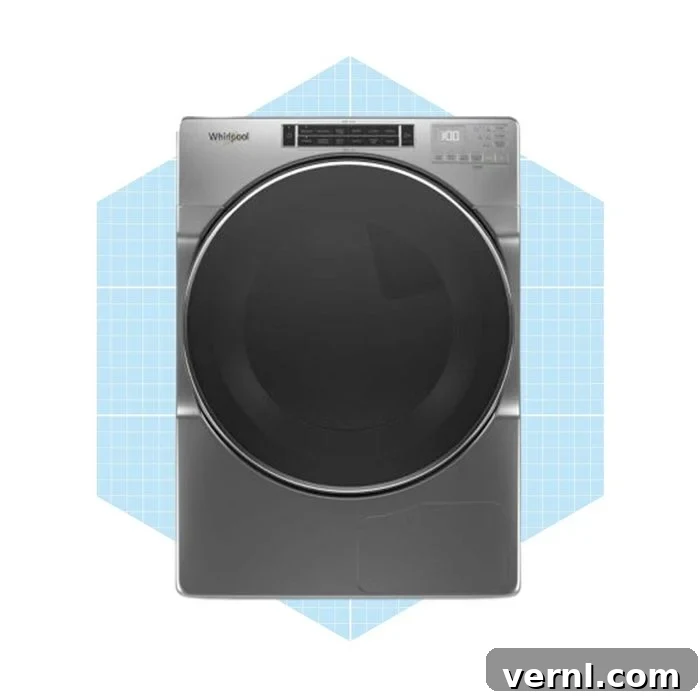
Addressing one of the common drawbacks of heat pump dryers, the Whirlpool WHD862CHC stands out by offering a generous seven-cubic-foot capacity, rivaling that of many conventional dryers. This makes it an ideal choice for larger families or individuals who frequently dry bulky items and prefer fewer, larger loads. While slightly larger than other compact heat pump models, its design still allows it to fit comfortably into most standard laundry closets or dedicated utility areas. It is Energy Star certified, guaranteeing efficient operation, and includes a beneficial steam refresh cycle to quickly de-wrinkle and refresh clothes without a full wash. It requires a 240-volt power connection, which is typical for larger capacity dryers and essential for its robust performance. Although its price point is a bit higher than smaller heat pump models, its capacity and features offer significant value for those needing more space.
Dimensions: 27 x 31.188 x 38.313 in.
Why Trust Us
Family Handyman has been a trusted resource for home improvement and DIY enthusiasts since 1951, offering reliable advice and thoroughly tested recommendations. Our commitment extends across a wide range of products, from helping you find the best washer and dryer brands to identifying the best leaf vacuums. Our team takes pride in personally putting these products through rigorous testing to provide genuine, real-world feedback to our readers.
As the author of this content, I bring over 30 years of hands-on experience in the building trades, having worked extensively as a carpenter, plumber, and furniture refinisher. I have been sharing my expertise through DIY articles since 2010. Furthermore, this story has been carefully updated by Caitlyn Fitzpatrick, an experienced editor and writer since 2014, with a strong background in commerce journalism since 2017. Her expertise in SEO ensures that this information is not only accurate and helpful but also easily discoverable by those seeking reliable advice on home appliances.
FAQs About Heat Pump Dryers
Are heat pump dryers a better choice for my home?
Many experts and consumers would argue that heat pump dryers are indeed a better choice, especially when considering long-term benefits and modern priorities. They offer a compelling range of advantages, including significantly reduced energy consumption compared to conventional dryers, making them considerably less expensive to operate over time. The ventless system provides incredible installation flexibility and eliminates the fire hazard associated with lint-clogged vents. Furthermore, operating at lower temperatures, they are much gentler on your clothes, helping to preserve fabric quality and extend the life of your garments. For these combined reasons—efficiency, safety, flexibility, and garment care—heat pump dryers are often considered a superior and more sustainable laundry solution.
What are the primary downsides of a heat pump dryer?
While advantageous, heat pump dryers do come with a few notable drawbacks. The most immediate is often the upfront cost, as these appliances tend to be about twice as expensive as traditional vented dryers. Additionally, because they operate at lower temperatures for energy efficiency and fabric care, heat pump dryers typically take longer to complete a drying cycle. Another consideration is their tendency to have smaller drum capacities, which might mean more loads for larger households or when drying bulky items. Finally, they require more diligent maintenance, including regular cleaning of multiple lint filters and periodic cleaning of the internal coils, to ensure optimal performance and prevent issues like mold or mildew.
Does a heat pump dryer require an external vent?
No, one of the most significant advantages of a heat pump dryer is that it does not require a dedicated external vent. This ventless design offers immense flexibility, allowing you to place the dryer almost anywhere in your home, such as in a closet, bathroom, or kitchen, as long as there is an adequate power supply and sufficient ambient airflow around the appliance for its internal heat exchange process. This eliminates the need for complex ductwork, reduces installation costs, and prevents the loss of conditioned air from your home, further contributing to energy savings.
Where does the water collected by a heat pump tumble dryer go?
In a heat pump tumble dryer, the moisture extracted from your clothes is condensed into liquid water. This water is then collected in one of two ways. Most models feature a built-in water tank or reservoir that needs to be manually emptied after each drying cycle, or every few cycles depending on the load size. For added convenience, many heat pump dryers also offer the option to connect to a drainage tube, similar to a washing machine. This allows the collected water to be automatically pumped into a drain, eliminating the need for manual emptying and providing a seamless laundry experience.
What is the typical life expectancy of a heat pump dryer?
With proper care and diligent maintenance, a heat pump dryer can be a long-lasting appliance. On average, you can expect a heat pump dryer to last anywhere from 10 to 15 years. Factors that influence its longevity include the quality of the unit, how frequently it’s used, and critically, how well it is maintained. Regular cleaning of lint filters, periodic attention to the condenser and evaporator coils, and prompt emptying or proper drainage of the water tank are all essential steps to ensure your heat pump dryer performs efficiently and reliably for many years.