
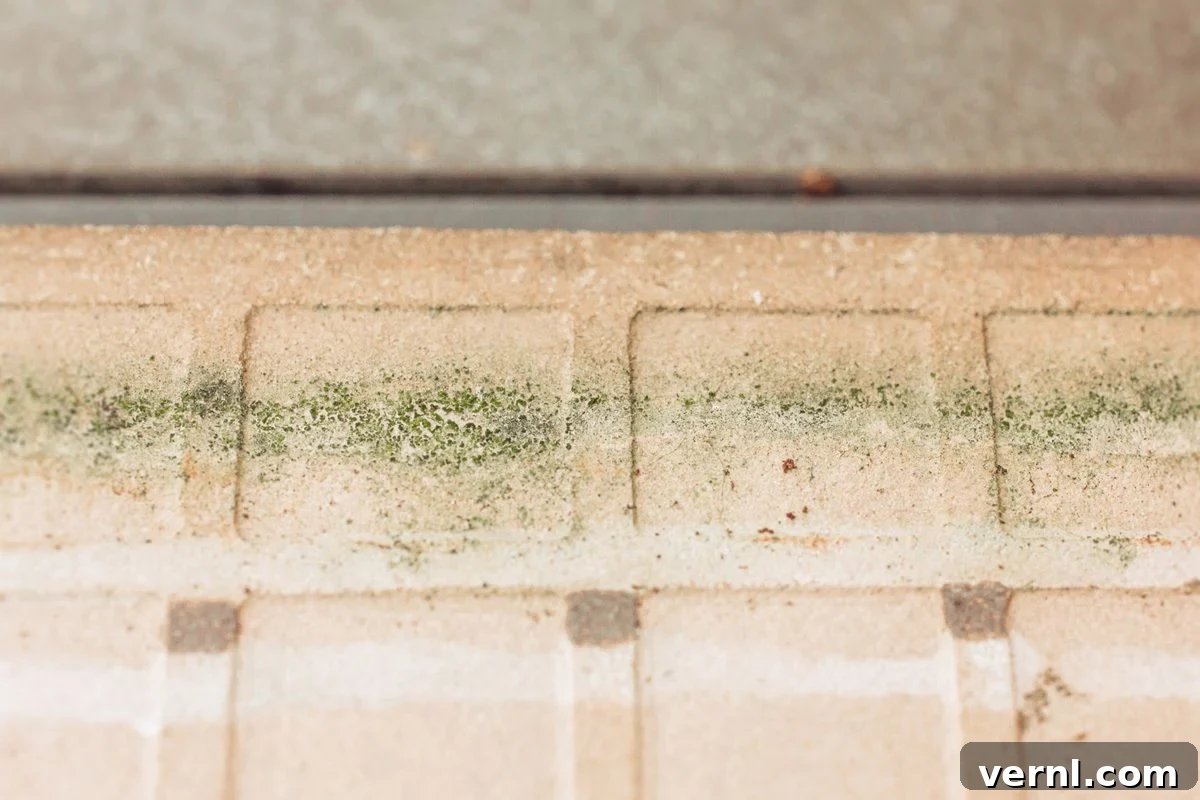
Mold is an unwelcome guest in any home, often appearing as an unsightly blemish that quickly compromises indoor air quality and can pose significant health risks. Whether triggered by a sudden flood or a persistent, insidious leak beneath the kitchen sink, mold can rapidly establish colonies within your living space. Beyond its unpleasant appearance, mold actively degrades air quality, releasing spores that can be particularly problematic. While eradicating any mold growth is always advisable, it becomes critically important if residents, especially those with asthma, mold allergies, or compromised immune systems, are exposed.
Conventional mold removal strategies often involve household agents like vinegar and hydrogen peroxide, commercial fungicides, or the replacement of severely affected materials such as drywall. However, given that mold struggles to survive in extreme temperatures, a question often arises: can the heat in your home be used as an effective weapon against mold? The concise answer is yes, heat can kill mold. Yet, this method is not without its complexities and crucial considerations that homeowners must understand before attempting it. We’ve consulted experts Mike Sacenti from American Healthy Homes and Bill Carroll from Indiana University to provide their insights into the efficacy and practicalities of using heat for mold remediation.
The Science of Heat: Can High Temperatures Eliminate Mold?
The principle behind using heat to combat mold is scientifically sound. According to research from the United States Department of Agriculture (USDA), mold spores and colonies are effectively destroyed when exposed to sustained temperatures ranging between 140 and 160 degrees Fahrenheit (approximately 60 to 71 degrees Celsius). At these elevated temperatures, the cellular structures of mold break down, denaturing proteins and essentially “cooking” the fungus to death. This means that, in theory, applying sufficient heat can indeed be a viable method for eliminating mold in a residential setting.
Understanding this temperature threshold is fundamental. When mold is subjected to such heat, it loses its ability to grow, reproduce, and survive. However, it’s crucial to differentiate between killing mold and removing it. Even dead mold spores can trigger allergic reactions and respiratory issues, meaning that a comprehensive cleanup is always necessary after heat treatment.
DIY Heat Remediation: A Challenging and Risky Endeavor
While the science confirms that heat can kill mold, the practical application of this method for the average homeowner presents significant challenges and risks. For most do-it-yourself enthusiasts, attempting to kill mold with heat in a home environment is not an ideal approach due to several critical factors.
Achieving and Sustaining Optimal Temperatures
The primary hurdle is simply achieving and maintaining the required air temperatures of 140 to 160 degrees Fahrenheit throughout the affected area. As Mike Sacenti emphasizes, “It’s not something that you can crank the heat up in a room and get rid of mold.” Most residential thermostats typically max out at around 90 degrees Fahrenheit, which is far below the mold-killing threshold. This means homeowners would need to introduce alternative, high-output heat sources, such as industrial-grade space heaters. Using such equipment without professional expertise carries inherent risks, including potential damage to household contents or, more severely, fire hazards.
Moreover, mold does not instantly perish upon exposure to these temperatures. A sustained treatment period, often ranging from one to several hours, is frequently necessary to ensure that all live mold colonies and their resilient spores are thoroughly eradicated. Bill Carroll cautions, “The risk is if you don’t heat it enough, you may not kill it all and kill all the mold spores.” Incomplete treatment can leave behind dormant spores that can reactivate if moisture returns, leading to recurrent mold problems.
The Critical Role of Containment and Professional Expertise
One of the most significant dangers of DIY heat treatment is the potential for cross-contamination. When professionals employ heat to kill mold in a home, they meticulously encapsulate the treated area. This containment strategy is vital because mold spores, once killed by heat, become dry, incredibly light, and dislodged from surfaces. Without proper encapsulation, these airborne dead spores can easily circulate throughout the entire house, exacerbating the problem by spreading allergens and irritants to previously unaffected areas. Paradoxically, attempting to eliminate mold without proper containment can worsen the indoor air quality of your entire home.
This concern is particularly acute when space heaters equipped with fans are used to generate the necessary heat. The circulating air can inadvertently carry dead mold spores to every corner of the house. It’s imperative to remember that dead mold spores are just as detrimental to air quality and human health as live ones, as they can still trigger allergies, asthma attacks, and other respiratory issues. Therefore, ensuring these spores remain confined to the treated area is paramount for effective and safe remediation.
Why Professional Heat Remediation is Different
Professional mold remediation companies that utilize heat employ specialized equipment and rigorous protocols. They use industrial heaters capable of reaching and sustaining the required temperatures, often coupled with thermal imaging cameras to ensure even heat distribution. Crucially, they establish containment zones with negative air pressure to prevent spore migration and use specialized HEPA filtration systems to capture airborne particles during and after treatment. This comprehensive approach minimizes risks and maximizes effectiveness, a level of control and safety that is virtually impossible for a DIY enthusiast to replicate.
Material Matters: Where Heat Remediation Shines (and Fails)
The effectiveness of heat remediation also varies significantly depending on the type of material affected by mold. Understanding which surfaces respond best to heat treatment is crucial for any homeowner contemplating this method, even for small-scale applications.
Optimal Surfaces for Heat Treatment
- Non-Porous Materials: Heat is most effective at killing surface mold on non-porous materials. These include common household surfaces like ceramic tiles, glass, and metal. On these materials, mold typically grows superficially and does not penetrate deeply, making it more susceptible to surface heat.
- Non-Structural Wood and Plastics: It is also possible to kill mold on non-structural wood elements or certain plastic items. However, caution is advised, as exposing these materials to high, sustained temperatures can cause them to warp, discolor, or degrade. This risk increases with the duration and intensity of the heat application.
Special Considerations for Porous and Fabric-Based Items
For fabric-based products such as upholstery, clothes, and carpeting, steam treatment proves to be a highly effective method. Steam cleaners can generate temperatures well over the 140-160°F threshold, and the moisture in the steam allows for deeper penetration into the fibers. As Mike Sacenti explains, “This will get to the source of the mold spores that are there, and the root system of those mold spores.” The combination of intense heat and moisture helps to loosen and kill mold spores embedded within the fabric matrix.
Conversely, materials like drywall, insulation, and heavily saturated wood framing are generally not good candidates for heat treatment alone. Mold often penetrates deeply into these porous materials, making it difficult for surface heat to reach all affected areas. For such materials, replacement is often the most reliable and recommended solution.
Practical Application: How to Safely Kill Mold with Heat (When Appropriate)
While professional consultation is strongly recommended for most mold infestations requiring heat treatment, there are specific, very small areas of mold growth that might be safely and effectively tackled by a homeowner using a steam cleaner.
Utilizing a Steam Cleaner for Minor Mold Issues
Steam cleaning is particularly suitable for mold found on upholstery, carpets, and non-porous surfaces like tile. Modern steam cleaners can reach temperatures up to 200 degrees Fahrenheit (approximately 93 degrees Celsius), which is more than sufficient to kill mold. This method is generally considered safe for DIY use, relatively easy to manage, and produces a controlled, high-heat application without the widespread risks associated with heating an entire room.
If you encounter mold growth on an old carpet or a small section of upholstery, a good steam cleaning can be an excellent starting point. Mike Sacenti advises, “If you have mold growth on an old carpet, start with a good steam cleaning.” Apply the steam to the molded area for approximately 15 to 30 minutes. The synergy of high heat and moisture from the steam significantly accelerates the mold-killing process.
Post-Treatment Steps: Cleanup and Prevention are Key
It’s crucial to understand that killing mold with heat is only one part of the remediation process. After the heat treatment, you must still physically scrub the treated surface clean to remove the dead mold and any residual stains. As Bill Carroll reminds us, “The heat degradation products of mold don’t just go away. So you’re [still] left with a cleanup.” This physical removal is essential to eliminate allergens and prevent staining.
Furthermore, and perhaps most importantly, you must address the underlying humidity or moisture issues that initially caused the mold growth. Without rectifying the source of moisture – be it a leaky pipe, poor ventilation, or high indoor humidity – the mold is highly likely to return, rendering your heat treatment efforts temporary at best. This might involve repairing leaks, improving airflow, or using dehumidifiers.
Beyond Heat: A Holistic Approach to Mold Remediation
While heat offers a compelling method for killing mold, it’s essential to view it as part of a broader, holistic mold remediation strategy. No single method is a silver bullet, and addressing mold effectively requires a multi-faceted approach focused on elimination, cleanup, and prevention.
The Paramount Importance of Moisture Control
Mold cannot thrive without moisture. Therefore, the most critical step in both preventing and eliminating mold is identifying and rectifying the source of water intrusion or excessive humidity. This includes:
- Promptly repairing any leaks in plumbing, roofs, or foundations.
- Ensuring adequate ventilation in moisture-prone areas like bathrooms, kitchens, and basements.
- Maintaining indoor humidity levels between 30% and 50% using dehumidifiers, especially in humid climates or during damp seasons.
- Cleaning up spills and drying wet areas within 24-48 hours.
Alternative and Complementary Mold Removal Methods
Depending on the extent and location of the mold, other methods often complement or entirely replace heat treatment:
- Chemical Solutions:
- Bleach: Effective on non-porous surfaces, but should be used with caution, never mixed with ammonia, and preferably in well-ventilated areas. It mainly whitens and kills surface mold but doesn’t penetrate porous materials effectively.
- Vinegar: A natural, non-toxic alternative that can kill many types of mold on various surfaces. It’s less harsh than bleach and can be used without dilution.
- Hydrogen Peroxide: An antifungal, antiviral, and antibacterial solution that can be used on many surfaces.
- Physical Removal: For mold embedded in porous materials like drywall, insulation, or heavily contaminated wood, physical removal and replacement of the affected material is often the safest and most effective strategy.
- Professional Encapsulation: For areas where mold has been killed but stains remain, or where there’s a risk of future growth, professionals might apply an encapsulant or sealer to prevent spores from becoming airborne and to inhibit future mold growth.
When to Call a Professional Mold Remediation Specialist
While DIY methods can be effective for very small, localized mold spots (under 10 square feet), there are clear indicators that professional assistance is warranted:
- Large Infestations: If mold covers a significant area (larger than a few square feet).
- Hidden Mold: If you suspect mold behind walls, under flooring, or in HVAC systems, as this requires specialized equipment for detection and safe removal.
- Health Concerns: If anyone in the household experiences persistent mold-related health issues (respiratory problems, allergic reactions).
- Recurrent Mold: If mold keeps returning after repeated cleanup attempts.
- Water Damage Source Unidentified: If you can’t locate or fix the source of the moisture problem.
- Toxic Mold: If testing indicates the presence of black mold (Stachybotrys chartarum) or other potentially toxic species, although all molds should be treated with caution.
Professionals have the training, equipment, and safety protocols to identify, contain, remove, and prevent mold regrowth effectively and safely, minimizing risks to your health and home structure.
Frequently Asked Questions About Heat and Mold
Can a heat gun be used to kill mold?
Heat guns can indeed reach extremely high temperatures, often ranging from 200 to 600 degrees Fahrenheit, which is well above the threshold needed to kill mold. Theoretically, they could eliminate mold in your home. However, using a heat gun for mold removal is emphatically not recommended due to significant safety hazards. Mike Sacenti warns, “You’d fry the mold for sure, but you also run the risk of starting a fire.” The intense, focused heat from a heat gun can easily ignite flammable materials, cause severe burns, or damage household surfaces. Instead of risking a fire, it is always safer to contact a qualified professional to assess and safely remove mold in your home.
Does dryer heat kill mold?
Residential clothes dryers typically operate within a temperature range of 120 to 160 degrees Fahrenheit. This means that if you run your dryer on its highest heat setting, there’s a good chance it can kill mold spores and colonies present on clothing or bedding. However, Sacenti points out that the washing machine often plays a more crucial role. “If you wash the molded items with a good detergent, the mold spores will be gone once they come out of the washer.” The mechanical action of washing combined with an effective detergent physically removes the spores. The subsequent high heat of the dryer then serves as an excellent secondary measure to kill any remaining resilient spores. While this process is effective for killing mold, it may not completely remove mold stains from fabrics, which might require additional stain removers or specialized cleaning agents.
Will simply turning up my home’s thermostat kill mold?
No, simply increasing your home’s thermostat temperature will generally not kill mold. As previously discussed, residential thermostats typically only go up to about 90 degrees Fahrenheit (32 degrees Celsius), which is far below the 140-160 degrees Fahrenheit (60-71 degrees Celsius) required to kill mold. Moreover, mold needs sustained exposure to these high temperatures, often for several hours, which a standard home heating system is not designed to provide throughout the entire structure. Attempting to do so would be inefficient, costly, and unlikely to be effective.
Are dead mold spores still harmful?
Yes, absolutely. Dead mold spores can be just as harmful as live ones, especially to individuals with allergies, asthma, or compromised immune systems. Once mold dies, its cellular components can still act as allergens and irritants. When these dry, light spores become airborne, they can be inhaled, triggering allergic reactions, respiratory problems, headaches, and other health issues. This is why thorough cleanup and removal of all mold debris, whether live or dead, is an essential step in mold remediation, even after heat treatment.
What are the signs of mold re-growth after heat treatment?
Even after successful heat treatment and cleanup, it’s vital to monitor for signs of mold re-growth, which typically indicates that the underlying moisture problem was not fully resolved. Look for a musty odor, which is often the first indicator of new mold activity. Visually inspect the treated areas and surrounding surfaces for new discoloration, fuzzy patches, or changes in texture. If you notice any of these signs, it’s crucial to immediately re-evaluate the moisture source and address it to prevent further recurrence.
About the Experts
- Bill Carroll, Ph.D., is an adjunct professor of chemistry at Indiana University. The former vice president of industry issues for Occidental Chemical Corporation, he’s currently principal of Carroll Applied Science in Dallas, Texas.
- Michael Sacenti owns American Healthy Homes. He brings 10 years of experience in the mold remediation industry and 40 years of experience in real estate maintenance to his expertise.
Sources
USDA Food Safety Publications, Processing and Safety (2004)