
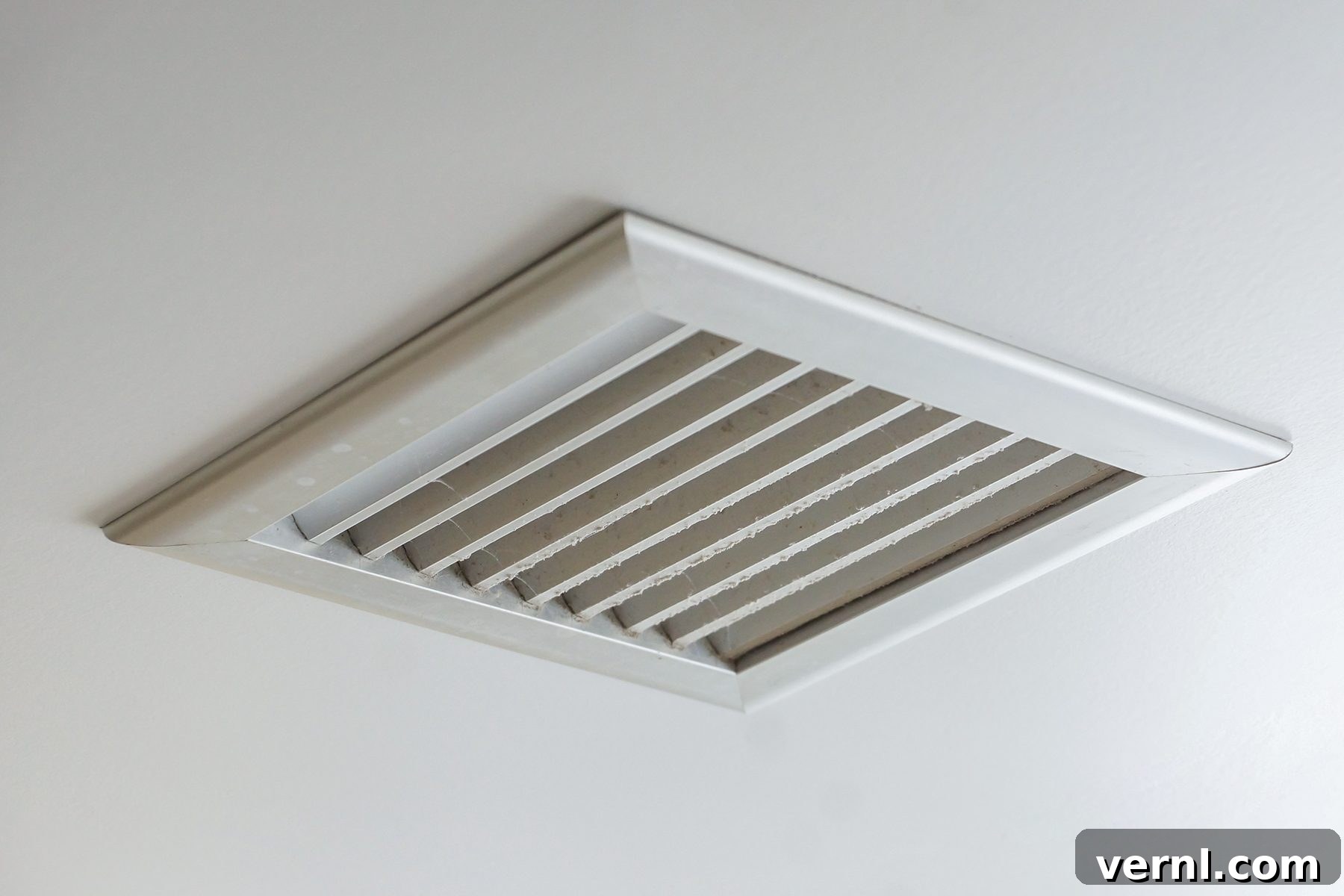
Bathroom Exhaust Fan Fire Hazards: A Hidden Home Danger You Can’t Afford to Ignore
In the modern home, many mechanical systems receive regular attention, from HVAC units to smoke detectors and smart thermostats. However, one crucial component often slips under the radar: your bathroom exhaust fan. This seemingly innocuous device, designed to maintain air quality and prevent mold, can transform into a significant fire hazard if neglected. Understanding this hidden vulnerability is key to ensuring your home’s safety.
Jon Gilbertson, president of Chris Heating & Cooling, emphasizes this growing concern: “As people adopt more automated systems — like smart thermostats, smoke detectors, and air purifiers — traditional, unconnected devices like exhaust fans fall out of regular inspection and maintenance routines. This gap creates a hidden vulnerability in what we think of as safe.”
The severity of this issue recently gained viral attention through a TikTok video posted by a firefighter’s wife. She vividly illustrates how years of dust accumulation within bathroom fans can transform them into what she identifies as the “number one fire danger” in a house, a claim corroborated by a retired fire safety official.
@unhingedreviewswjess Google will tell you the most common house fire is a kitchen fire. That may be the most common way fired get *started* in houses, but not how they burn to the ground. RJ said kitchen fires are usually put out by the time they arrive on scene. It’s not only RJ’s opinion that this is the most dangerous fire in your home, but I met a retired FF who was working as a Fire Safety guy that worked for the city that 100% agreed with him. Exhaust fans accumulate sooo much dust and dirt over the years. I prefer to replace them over cleaning them. They’re not terribly expensive or difficult to replace. A lot easier than replacing your home, and not to mention everything in it!! Stay safe, friends. #firefighter #firefightertiktok #firefighters #homeimprovement #renovation #diyproject #homeproject #homerenovation ♬ Suspense, horror, piano and music box – takaya
This article delves into the critical dangers associated with bathroom exhaust fans and provides actionable steps to prevent them from becoming a devastating fire in your home.
How Neglected Exhaust Fans Turn Into Dangerous Fire Hazards
The primary culprit behind bathroom exhaust fan fires is often a simple yet insidious problem: dust accumulation. Over months and years, lint, hair, skin cells, and other airborne particles are drawn into the fan and stick to its blades, motor housing, and vent grilles. This buildup creates a multi-faceted hazard:
- Reduced Airflow and Overheating: As dust coats the fan blades and clogs the vents, the fan’s ability to move air efficiently plummets. To compensate, the motor has to work significantly harder, drawing more electricity and generating excessive heat. This constant strain can cause the motor to overheat dangerously.
- Insulation and Friction: The accumulated dust itself acts as an insulating layer, trapping heat around the motor and accelerating overheating. Moreover, worn bearings, exacerbated by the increased workload, can create friction and spark, especially when surrounded by highly flammable dust and lint.
- Electrical Short Circuits: Exhaust fans are continuously powered when plugged in, making them vulnerable to electrical issues. Timothy Wood, founder of Fix It Today, warns, “Because they’re almost always plugged in, any damage in the wiring or circuit can cause sparks that can spread into a fire.” Over time, the constant vibration of the fan, coupled with heat cycles, can degrade wiring insulation or loosen connections within the fan housing or the junction box. These conditions are prime for short circuits, which produce intense heat and sparks, igniting the surrounding dust.
- The Role of Old and Improper Wiring: Beyond the fan unit itself, the electrical wiring supplying power plays a critical role. Old wiring, especially in older homes, may have brittle insulation that degrades over time, exposing bare wires. Improperly installed wiring, loose connections, or circuits that are overloaded can also lead to arcing and overheating. Gilbertson highlights that the high humidity characteristic of bathrooms can exacerbate these electrical dangers, leading to corrosion and further compromising wire integrity.
The Dangers of Overuse
Leaving your bathroom exhaust fan running for extended periods, or even continuously, significantly increases its risk of becoming a fire hazard. Constant operation puts components under perpetual stress, accelerates wear and tear on the motor and bearings, and provides less opportunity for the fan to cool down naturally. This sustained stress, combined with dust accumulation, creates a perfect storm for overheating and potential electrical failure.
Why Exhaust Fan Fires Are Uniquely Dangerous and Difficult to Contain
Unlike many other household fires that might start in plain sight, exhaust fan fires pose a particular threat due to their hidden nature and rapid spread potential:
- Concealed Origins: Exhaust fan fires commonly ignite above the ceiling, out of sight and out of reach of standard smoke detectors typically installed in living spaces. This means a fire can smolder and grow significantly before anyone is aware of it, delaying detection and emergency response.
- The “Chimney Effect”: As Gilbertson explains, exhaust fan fires are “particularly dangerous because the fan’s design and placement create a chimney effect. When a fire starts in or near the fan, the heat naturally rises through nearby ductwork, amplifying the fire’s intensity and allowing flames to move quickly into other parts of the home.” This ductwork acts as a perfect conduit, channeling flames and superheated gases through walls, ceilings, and into the attic or other confined spaces.
- Ignition of Highly Flammable Materials: In confined spaces like attics, exhaust fan fires are highly likely to ignite insulation (which can be cellulose-based and highly flammable), wooden joists, and other building materials. These materials burn rapidly, contributing to the fire’s intensity and making containment extremely difficult.
- Toxic Smoke and Structural Damage: Beyond immediate flames, the burning of insulation, plastics, and other construction materials produces thick, toxic smoke. This smoke quickly seeps into living areas, posing a severe health risk to occupants and making evacuation more hazardous. The structural damage caused by such fires can be extensive, compromising the integrity of your home’s roof and ceiling structure.
Comprehensive Strategies to Avoid Exhaust Fan Fires
Bathroom exhaust fans are indispensable for managing humidity and preventing mold. The goal isn’t to remove them, but to ensure they operate safely. Here’s how to mitigate the risks:
1. Regular Inspection and Thorough Cleaning
Dust and debris are the primary culprits. Annual cleaning is not just recommended, but essential. To properly clean your exhaust fan:
- Safety First: Always turn off the power to the fan at your home’s circuit breaker before beginning any maintenance.
- Remove the Cover: Gently pull down or unclip the fan cover/grille. Some covers may have springs or screws that need to be carefully detached.
- Clean the Cover: Use a brush or vacuum cleaner to remove accumulated dust and debris from both sides of the cover. You can also wash the cover with warm soapy water if it’s heavily soiled, ensuring it’s completely dry before reinstallation.
- Clean the Fan Housing and Blades: Kevin Busch, president at Dryer Vent Wizard, advises using a brush or vacuum to remove any debris from any accessible portion of the fan housing and fan blades. Pay close attention to the motor housing and any exposed wiring, carefully brushing away dust without disturbing connections. A can of compressed air can also be useful for dislodging stubborn dust in hard-to-reach areas.
- Inspect Wires and Circuits: While the fan is open, visually inspect all accessible wiring for signs of wear, fraying, scorching, or loose connections. If you notice any damage or suspect an issue, contact a qualified electrician immediately.
- Reassemble: Once clean and inspected, carefully reattach the fan cover and restore power.
2. Optimize Installation and Venting Practices
Proper installation is paramount to both the fan’s efficiency and safety:
- Vent Pipe Length and Path: Ensure the exhaust fan vent pipe is as straight and short as possible, ideally less than 15 feet. Excessive bends and long runs increase resistance, forcing the fan motor to work harder and increasing the risk of overheating. Use rigid ductwork whenever possible, as flexible ducts can sag and collect debris, further impeding airflow.
- Properly Vented to the Outside: The exhaust from the fan should never vent directly into an attic, crawl space, or wall cavity. This practice can lead to moisture buildup, mold growth, and creates a significant fire hazard by blowing hot, potentially sparking air directly into a space filled with flammable insulation and structural materials. Instead, ensure the exhaust is properly channeled outside the home through a wall, soffit, or roof vent. “We find many bath fans that are not exhausted using the proper materials, which can allow fires to burn through the venting increasing the risk of a fire spreading,” says Busch.
- Use Appropriate Duct Materials: Ensure the ductwork used is fire-resistant and suitable for exhaust ventilation. Avoid using flexible vinyl ducts, which can degrade and contribute to fire spread.
3. Upgrade to Newer Fans with Advanced Safety Features
Older exhaust fans may lack critical safety features found in modern units:
- Thermal Protection: Newer fans are often equipped with thermal protection, which is essentially a cut-off switch that automatically shuts down the fan if its motor overheats to a dangerous level. This feature can be a life-saver, preventing ignition before a fire can start. If your fan is old, noisy, or struggling, consider upgrading to a model with this essential safety mechanism.
4. Practice Moderate and Smart Usage
How you use your fan can significantly impact its lifespan and safety:
- Use Timers: Avoid leaving fans running for hours on end. Todd Tripp, a home improvement expert with JustAnswer.com, recommends, “Put the fan on a timer that only allows 30 minutes of use at a time. This lets the fan cool down and not run constantly as fans are easily left on continuously.” Timers reduce wear and tear, save energy, and mitigate the risk of continuous overheating.
- Dedicated Electrical Circuits: Wood also recommends providing a dedicated circuit for the exhaust fan, especially for more powerful units, to avoid overloading. “If you must connect it to a circuit that services several other devices, make sure the total load doesn’t exceed that circuit’s capacity,” he advises. Overloaded circuits are a common cause of electrical fires. Consult an electrician to assess your home’s wiring and ensure your exhaust fan isn’t drawing excessive power from a shared circuit.
- Consider Humidity Sensor Fans: For busy households seeking a hands-off solution, Gilbertson suggests installing a humidity sensor fan. These intelligent units run only when necessary, automatically detecting elevated humidity levels and switching on and off accordingly. This reduces unnecessary wear, prolongs the fan’s life, conserves energy, and prevents constant dust buildup.
5. Recognize Warning Signs and Act Promptly
Be vigilant for any indicators that your exhaust fan may be in distress:
- Unusual Noises: Grinding, squealing, rattling, or buzzing sounds can indicate worn bearings, a failing motor, or loose components.
- Reduced Airflow: If your fan isn’t effectively clearing steam or odors, its performance is compromised, likely due to dust buildup or motor issues.
- Strange Odors: A burning smell, electrical odor, or hot plastic scent is a serious warning sign of overheating components or electrical problems.
- Fan Stops Working: If the fan stops entirely, it could be due to a tripped breaker, a failed motor, or thermal cut-off activation. While the latter is a safety feature, it signals an underlying overheating issue that needs addressing.
If you observe any of these warning signs, turn off the fan immediately and have it inspected by a qualified professional. Ignoring these symptoms could have severe consequences.
About the Experts
The insights shared in this article come from leading professionals in home repair, HVAC, and ventilation services:
- Timothy Wood is founder and CEO of Fix It Today, an online home repair scheduling and estimate service based in the Dallas-Fort Worth area.
- Todd Tripp is a general contractor and founder of Trip Mills Builders in upstate South Carolina, and a home improvement expert with JustAnswer.com.
- Jon Gilbertson is president and CEO at Chris Heating & Cooling, a family business based in Chicago, where he began his career as an HVAC technician in 2015.
- Kevin Busch is president of Dryer Vent Wizard, a Neighborly Company and national home service franchise specializing in professional dryer duct and vent cleaning, inspection, repair and maintenance services.