
Clogged Drains: Symptoms, Causes, and Solutions for a Smooth-Flowing Home
Clean and efficient plumbing is a cornerstone of a comfortable home. While modern conveniences like toilets and pressurized water systems have vastly improved our lives, understanding the intricacies of your drainage system, particularly the common issue of clogged drains, can save you from potential headaches and costly repairs. This guide explores the reasons behind clogs, identifies their telltale signs, and offers practical solutions to keep your drains flowing freely.
The Plumbing Revolution: P-Traps and Venting
Believe it or not, two key 18th-century inventions revolutionized household plumbing: the P-trap and drain venting. These seemingly simple innovations are vital for a functional and hygienic drainage system.
The P-trap, that curved section of pipe you see under your sink, holds a small amount of water. This water acts as a barrier, preventing sewer gases from entering your home. However, the P-trap’s design also makes it a prime location for catching debris. Food scraps, hair, grease, and soap buildup are all common culprits in creating blockages within this critical component.
Drain vents, on the other hand, are essential for maintaining proper air pressure within your pipes. They allow air to enter the system, which equalizes pressure and helps water flow smoothly. Without proper venting, suction can build up and hinder drainage, mimicking the effects of a clog.
Why Clogged Drains Are a Problem
A clogged drain is more than just an inconvenience; it’s a potential sanitation hazard. When drains clog, they can lead to:
- Unpleasant odors: Trapped organic matter decomposes, creating musty and foul smells that permeate your home.
- Insect and vermin attraction: Clogs provide a breeding ground for insects like fruit flies and drain flies, as well as attracting vermin.
- Mold and bacteria growth: The stagnant water and trapped debris create an environment conducive to mold and bacteria proliferation, potentially affecting your health.
- Leaks and structural damage: Severe clogs can cause pressure to build up in pipes, leading to leaks and, in extreme cases, structural damage to your home.
Recognizing the early warning signs of a clogged drain is crucial to preventing these issues. Here are some common indicators that your drains need attention:
Common Signs of Clogged Drains
Standing Water
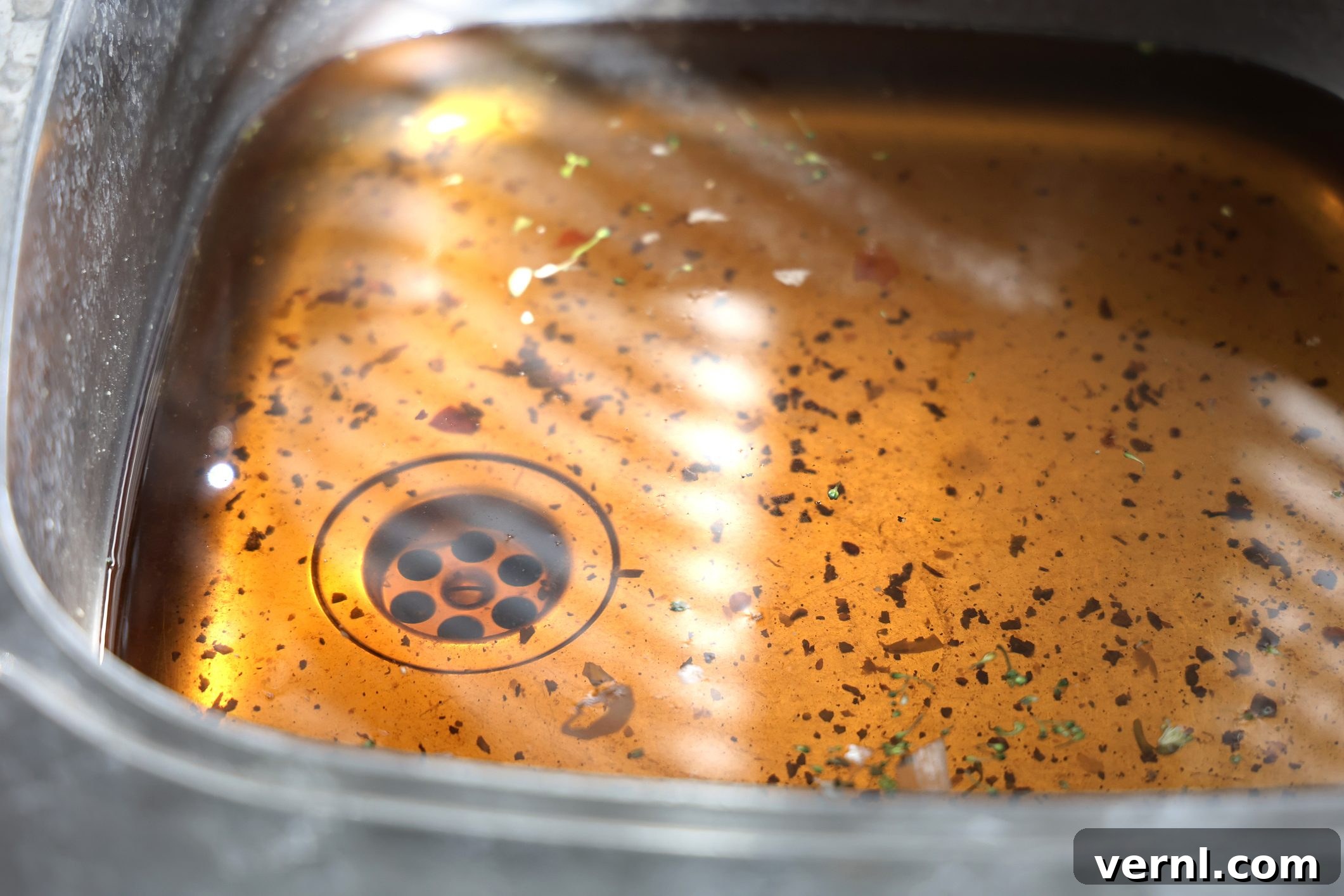
The most obvious sign of a clogged drain is standing water. This can occur in any fixture: a sink, bathtub, shower, or even on the basement floor. The location of the standing water can often indicate the location of the clog.
- Sinks, Tubs, and Showers: Standing water in these fixtures usually indicates a clog in the P-trap or further down the drainpipe. A plunger or drain snake often resolves these types of clogs. For easier access, you might try disassembling and cleaning out the P-trap manually.
- Basement Floor: Standing water on the basement floor often signals a more serious issue, potentially a clog in the main sewer line. This could be caused by tree roots infiltrating the pipes or, in some climates, frozen pipes. It’s best to consult a plumber to diagnose and address this problem.
Important Note: While chemical drain cleaners are readily available, avoid using them for standing water. They often contain harsh chemicals that can damage your pipes, and they can be dangerous to handle.
Unsavory Odors
A persistent musty or foul odor emanating from a drain is another strong indication of a clog. These smells arise from the buildup of decomposing organic matter.
To address this, try the following:
- Use a Zip-It tool: This simple tool can effectively remove hair and other gunk that accumulates near the drain opening.
- Deep Clean with Baking Soda and Vinegar: Pour half a cup of baking soda down the drain, followed by half a cup of vinegar. The resulting fizz helps to break down the clog and neutralize odors.
Bugs Around the Drain
The presence of fruit flies, drain flies, or even cockroaches around your drains is a clear sign of a problem. These pests are attracted to the food particles and decaying matter that accumulate in clogged drains.
To eliminate this issue:
- Baking Soda and Vinegar Treatment: The baking soda and vinegar solution can often clear away the attractants, disrupting the bugs’ food source.
- Garbage Disposal Maintenance: If you have a garbage disposal, clean the rubber splash guard to remove food particles. Grind up lemon or orange peels to help freshen and clean the unit, and then run the baking soda/vinegar treatment.
Drain Gurgles While Draining
A gurgling sound as water drains from your sink, tub, or shower indicates a partial clog that’s restricting water flow. This trapped air bubbles up through the drain and produces the gurgling noise.
To address this:
- Enzyme-Based Drain Cleaner: Try an enzyme-based drain cleaner. These cleaners contain enzymes that break down organic matter in the pipes. Follow the product’s instructions and allow it to work for several hours.
Drain Gurgles When You Flush the Toilet
If you hear gurgling sounds in your sinks or shower every time you flush the toilet, the problem is often related to a clog further down the line or a potential blockage in the vent system.
To troubleshoot:
- Check for Clogs: Cover all the drains in the bathroom with duct tape, and then plunge the toilet. The tape prevents the pressure from the plunger from dissipating, directing it directly at the clog.
- Inspect the Vents: If the gurgling persists, the issue might be a blocked vent.
Understanding the Role of Vents: A Critical Component
Beyond clogs, blocked plumbing vents are another common cause of unpleasant drain odors. The vent pipe allows air into the system, equalizing pressure. If the vent is blocked, the vacuum created by draining water can suck the water out of the P-trap, allowing sewer gases to escape and causing foul odors.
A blocked vent is often caused by debris accumulation on the roof. In winter, ice can block the vent. To address this:
- Roof Inspection: Check the vent opening on your roof. If you can safely access it, you may be able to clear any debris. If the roof is snow-covered or unsafe, call a professional.
- Attic Inspection (for Ice): In the attic, find the vent pipe and carefully use a hair dryer to melt any ice buildup.
By understanding the mechanics of your drainage system and recognizing these common signs of trouble, you can take proactive steps to maintain healthy, free-flowing drains and prevent costly plumbing problems. Regular maintenance, such as avoiding putting grease down the drain and using drain screens, can help you avoid clogs. Don’t hesitate to call a professional plumber if you encounter persistent problems or if you’re unsure how to proceed.