
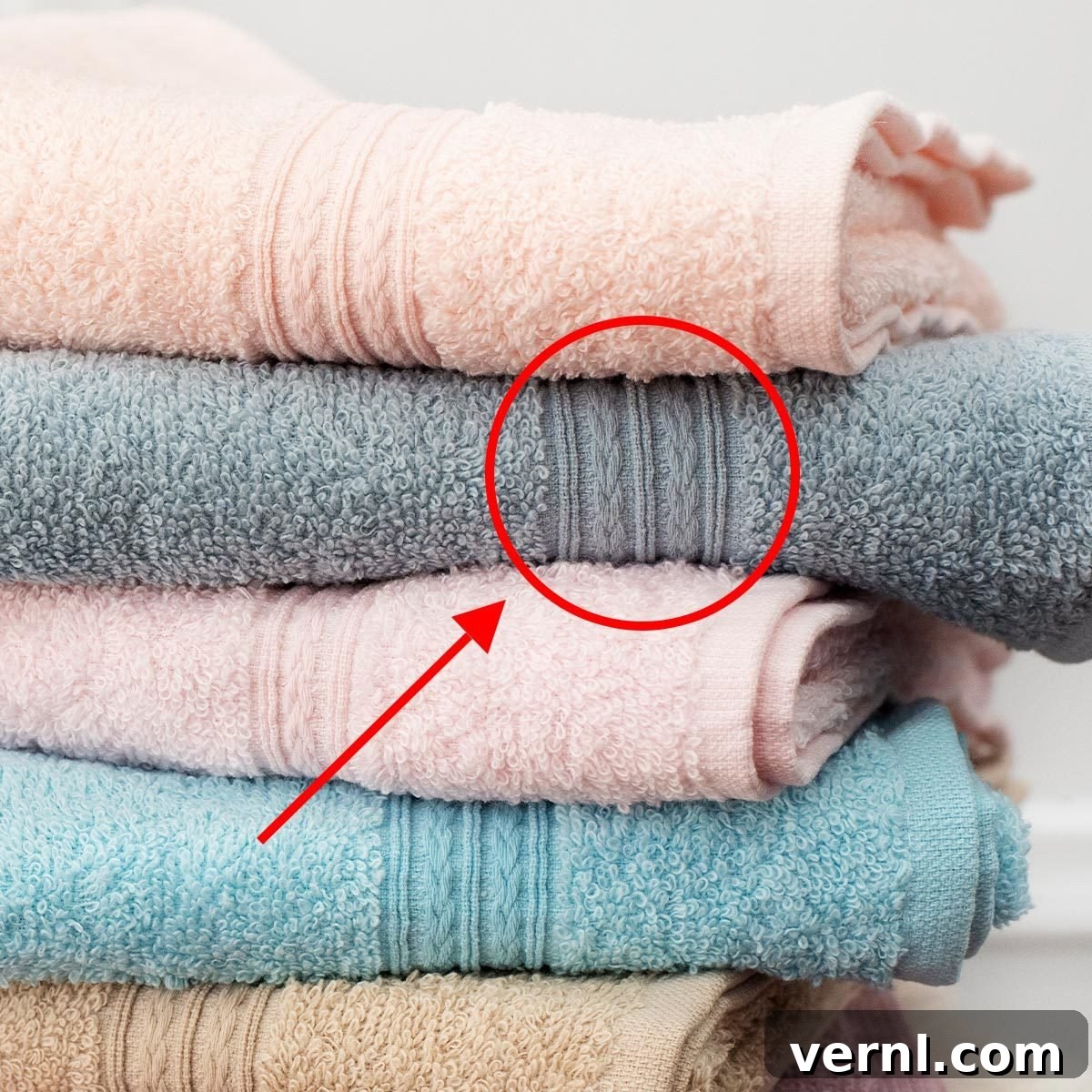
Dobby Border Towels: Understanding the Woven Stripe
We often judge our bath towels based on their softness or if they complement our bathroom decor. However, there’s a key design element that contributes significantly to a towel’s quality and performance: the dobby border. This article delves into the purpose, benefits, and significance of dobby borders, helping you make informed choices for your bathroom essentials.
What is a Dobby Border?
The dobby border is the decorative, woven stripe found near the bottom edge of many bath towels. This feature, which can include stripes, patterns, or geometric designs, is a signature element that adds a touch of style and functionality to your towels. It’s often denser and less absorbent than the main towel fabric.
The History of the Dobby Border
The origins of the dobby border can be traced back to the invention of the dobby loom in 1843. This advanced technology enabled weavers to create more complex designs and patterns efficiently. As a result, the dobby border became a staple in towel manufacturing, offering both aesthetic appeal and enhanced durability.
What Does a Dobby Border Do? Function and Benefits
Beyond its aesthetic value, the dobby border provides several practical benefits:
- Enhanced Durability: The denser weave of the dobby border helps towels maintain their shape, preventing uneven shrinkage and edge curling after washing.
- Improved Shape Retention: The structured design minimizes fraying and makes the towel more resistant to wear and tear.
- Easier Hanging: The reinforced edge often makes it easier to hang towels on a clothesline or towel rack.
- Brand Signature: Dobby borders allow towel brands to incorporate unique patterns, often acting as a signature design element.
Dobby Border vs. No Border: What’s the Difference?
The choice between a towel with or without a dobby border often comes down to personal preference and the desired aesthetic. Here’s a comparison:
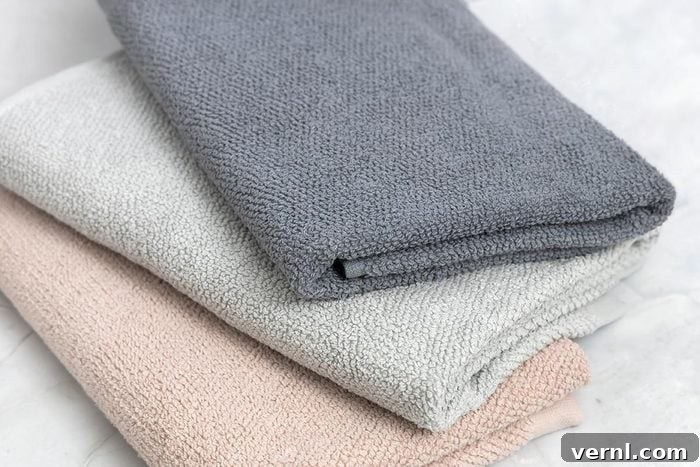
- Towels with Dobby Borders: Often provide more structure and durability, potentially leading to a longer lifespan. They can also offer a more classic or traditional look. However, low-quality borders might shrink or pucker if not pre-shrunk properly.
- Towels without Dobby Borders: Usually offer a more modern and minimalist appearance. They may feel larger and are sometimes available at a slightly lower price point. However, they can be more prone to fraying or curling at the edges over time.
Do Dobby Border Towels Cost More?
The price of a towel can be influenced by the presence of a dobby border, especially when complex patterns or high-quality materials are involved. While the difference is often marginal, luxury brands frequently incorporate dobby borders to elevate their towel’s appeal. In many cases, you’re paying for a more durable and well-crafted product that offers a higher level of performance and longevity. You often get a higher quality of cotton for the extra cost.
Choosing the Right Dobby Border Towel for You
When selecting towels with dobby borders, consider the following factors:
- Material Quality: Look for towels made from high-quality cotton, such as Egyptian or Turkish cotton.
- Weave Density: A denser weave typically indicates better durability and absorbency.
- Pattern and Design: Choose patterns and colors that match your bathroom decor and personal style.
- Pre-Shrinking: Check if the towel has been pre-shrunk to prevent excessive shrinkage after washing.
Where to Buy Dobby Border Towels
Dobby border towels are readily available at various retailers, including department stores, home goods stores, and online marketplaces. You can also explore specialty linen shops for a wider selection and higher-quality options.
Conclusion
The dobby border is more than just a decorative element; it’s a critical component in the design and functionality of a bath towel. By understanding its purpose and benefits, you can choose towels that are not only aesthetically pleasing but also durable and long-lasting. Whether you’re upgrading your bathroom or simply seeking a better towel experience, consider the advantages of the dobby border, and make an informed decision that suits your needs.
Frequently Asked Questions About Dobby Borders
- What is a dobby border made of?
Dobby borders are typically made from the same material as the main towel fabric, often cotton, but woven in a denser pattern.
- Do dobby borders make towels more absorbent?
No, the dobby border is generally less absorbent than the main part of the towel because of its denser weave. Its primary function is to provide structure and durability.
- How do I care for towels with dobby borders?
Wash your towels according to the care instructions on the label. Generally, wash in warm water with mild detergent and tumble dry on low heat. Avoid using fabric softeners, as they can reduce absorbency.
- Can the dobby border shrink after washing?
Lower-quality dobby borders may shrink if they aren’t pre-shrunk during manufacturing. It’s best to choose towels from reputable brands and follow the washing instructions.
- Are dobby border towels considered luxury towels?
Dobby borders are often found on luxury towels, but the “luxury” aspect depends on the material quality and design complexity. High-end towels often feature dobby borders made from premium cotton with intricate patterns.
About the Experts
Gretchen Rivera is owner and principal designer at Casa Casual Interiors in Alexandria, Virginia. She has more than two decades of experience as a conceptual artist and designer. Instagram: @casacasual_interiors.
Belinda Jacobs is a product developer and technical designer at Tech Packs Co., where she helps fashion brands bring their products to life. She has 15 years of experience in fashion and manufacturing.
Related Articles
- The Real Reason Aluminum Foil Has a Shiny Side and a Dull Side
- Think Adirondack Chairs Are Uncomfortable? You’re Using Them Wrong
- Why You Shouldn’t Crush Aluminum Cans Before Recycling