Master Your Holiday Energy Bills: Smart Savings for a Joyful Season
The holiday season is a time for warmth, joy, and cherished traditions. From dazzling light displays and festive gatherings to heartwarming family visits, this special period fills our homes with an undeniable cheer. However, beneath the festive glow, many households face a less joyful reality: soaring utility costs. With energy prices constantly on the rise, being mindful of your holiday energy usage isn’t just a smart move; it’s a necessary one. If you’re like many, you’d much rather allocate your hard-earned money towards meaningful gifts for loved ones than contribute to exorbitant energy bills. The excellent news is that achieving significant savings doesn’t require drastic changes. A few simple, intentional adjustments can lead to remarkably noticeable reductions, offering a welcome relief when that post-holiday credit card statement arrives.
To help you navigate the season without breaking the bank, we’ve consulted two distinguished residential energy experts. Their invaluable insights and practical advice will empower you to keep your holiday energy bills comfortably under control, allowing you to focus on what truly matters during this magical time of year.
Illuminating Your Holidays: Energy-Smart Lighting & Decorations
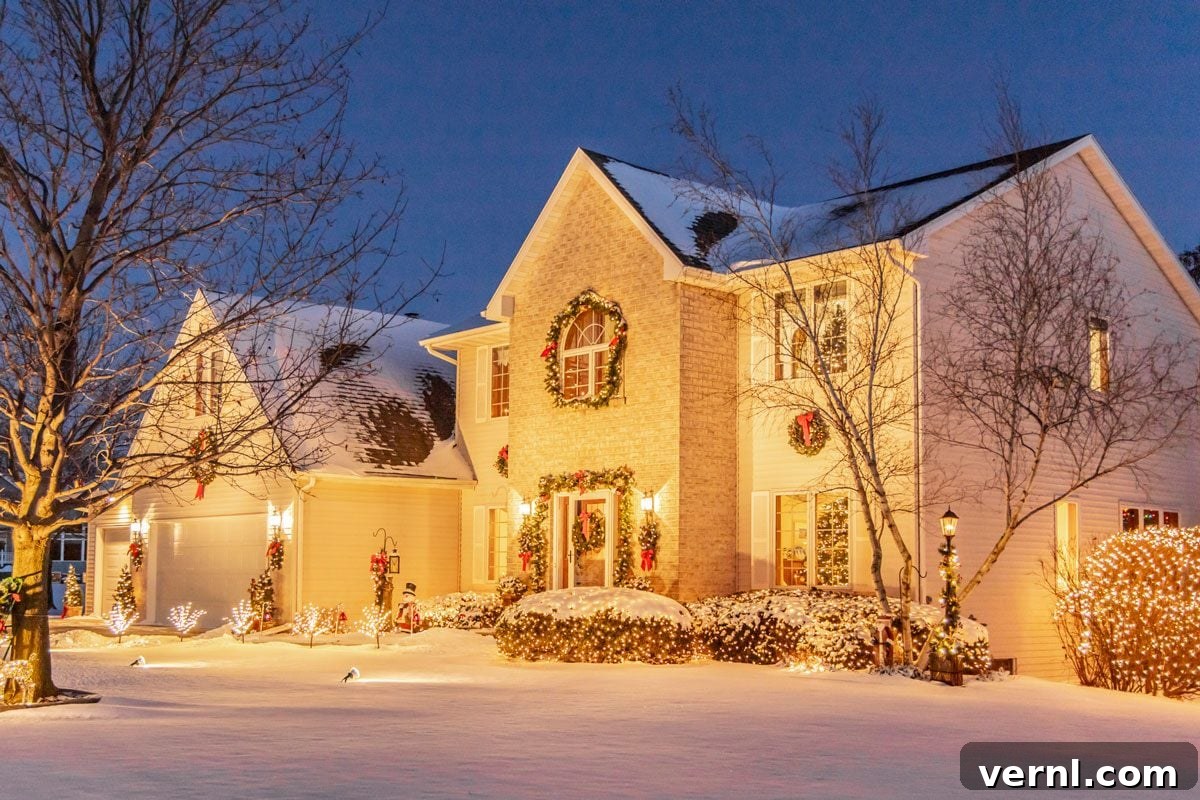
Showcasing your holiday spirit doesn’t have to come at a high energy cost. With a thoughtful approach to your lighting and decorations, you can create a brilliant display while keeping energy expenses remarkably low. Here’s how to brighten your home efficiently:
Embrace the Efficiency of LED Lights
You’re likely already familiar with the benefits of LED holiday lights, but if you haven’t made the switch, now is the perfect time. J.P. Blackwood, an expert in consumer utilities, firmly asserts that the initial investment in LED lights is profoundly worthwhile. “LED lights, in general, consume an astonishing 80 to 90 percent less electricity than traditional incandescent bulbs,” he explains. “This single change alone can result in a tremendous amount of energy savings over the holiday season.” Beyond their energy efficiency, LEDs offer superior durability, a wider range of vibrant colors, and a significantly longer lifespan, meaning less frequent replacements and less waste. For an even greater leap in energy independence and environmental friendliness, Bethany Kitch, a Senior Program Manager for residential energy programs, suggests exploring solar-powered string lights, especially for outdoor displays where direct sunlight is abundant. These lights charge during the day and automatically illuminate at dusk, costing absolutely nothing to operate once installed.
Optimize with Smart Timers and Controls
One of the easiest ways to curb energy waste from holiday lighting is to manage when your lights are on. Always employ a timer to ensure your holiday lights illuminate only when desired and reliably switch off at night or while you’re away. The market offers a variety of timers, from simple mechanical plug-ins to advanced digital and Wi-Fi-enabled smart plugs. Smart timers provide added convenience, allowing you to control your lights from your smartphone, set intricate schedules, and even simulate occupancy for enhanced home security when you’re traveling. It’s also crucial to be selective with your timers, as some older or less efficient models can consume more energy themselves. Furthermore, consider unplugging larger lighted decorations, inflatable yard ornaments, and animatronics when they’re not actively being enjoyed. Kitch warns that “some decorations may pull phantom loads, even when turned off,” continuously drawing small amounts of power and adding to your bill unnecessarily.
Mindful Display Design: Quality Over Quantity
While a grand holiday display can be tempting, scaling back can lead to surprisingly noticeable energy savings without diminishing your festive cheer. Fewer string lights, strategically placed lighted decorations, and a reduction in spotlights can significantly impact your electricity consumption. Kitch provides a compelling comparison: “A typical strand of LED lights costs around $1 to $2 per season to operate, whereas incandescents can run you $10 to $15 per season.” Imagine the cumulative savings across multiple strands! Embracing a “less is more” philosophy not only saves energy but can also create a more elegant and impactful display, focusing attention on key decorative elements. Complement your lighted decor with natural elements like garlands, wreaths, and pinecones that inherently bring holiday charm without requiring electricity. Consider DIY decorations using recycled materials or crafts that require no power, adding a personal and eco-friendly touch to your home.
Cozy & Cost-Effective: Holiday Heating Strategies
Whether you’re traveling to visit loved ones or hosting a bustling holiday gathering, maintaining a comfortable home temperature without incurring exorbitant heating bills is a top priority. Here’s how to keep the warmth in your wallet this season:
Smart Thermostat Management While Away
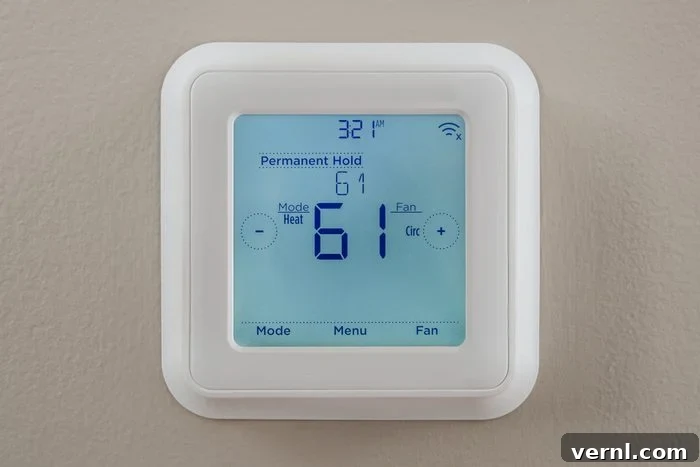
One of the most effective ways to slash your heating costs is to adjust your thermostat settings while you’re away from home. The Department of Energy suggests setting your thermostat around 68 degrees Fahrenheit when occupied, but the real savings come from reducing it when no one is home. Kitch points out a crucial detail: “Every degree you turn your unit down can save three percent on your energy bill.” This seemingly small adjustment can accumulate into significant savings over several days or weeks. Blackwood offers a practical lower limit for unoccupied homes, recommending not going below 55 degrees Fahrenheit to prevent potentially disastrous issues like freezing pipes, which can lead to costly repairs. Investing in a programmable or smart thermostat can automate this process, allowing you to set schedules or control your home’s temperature remotely, ensuring warmth upon your return without wasting energy while you’re gone.
Maintaining Comfort During Gatherings
When your home fills with guests, it’s not just the oven that generates heat. “If you have a lot of people over, they’re like little heat engines,” Blackwood cleverly notes. Each person emits body heat, collectively raising the ambient temperature of a room. To maintain a comfortable environment without overheating and wasting energy, “keep the thermostat lower than you normally would,” typically between 60 and 65 degrees Fahrenheit. Many people instinctively turn up the heat before guests arrive, only to find themselves opening windows later to cool down, which is a significant and unnecessary waste of energy. By setting your thermostat a few degrees lower than usual, you leverage the natural warmth generated by your guests, ensuring everyone remains cozy without your heating system working overtime.
Fireplace Efficiency & Alternatives
A roaring fire undeniably adds a quintessential holiday ambiance, casting a warm glow and a festive scent. However, relying on a fireplace to heat your home is often counterproductive and an energy drain. Blackwood explains, “Even with a fire in it, fireplaces don’t produce much heat, and most of that warmth goes right up and out of the chimney.” Fireplaces create a strong draft that pulls heated air from your home directly outside, essentially acting as an open window in your heating system. After you’ve enjoyed the visual charm of the fire, it’s absolutely crucial to close the fireplace damper as soon as the embers are completely out and safe. Leaving the damper open is akin to leaving a window open to the cold, leading to chronic heat loss. For those seeking the ambiance without the heat loss, consider electric fireplaces, which provide realistic flames and some supplemental heat without the energy inefficiency, or simply use LED candles for a safe and charming glow.
Seal Out Drafts for Maximum Warmth
Even if your heating system is running efficiently, drafts can silently steal warmth from your home, forcing your furnace to work harder. Take a few minutes to identify and seal any noticeable drafts around windows and doors. Simple, inexpensive solutions like temporary window insulation kits, door sweeps, and weatherstripping can make a remarkable difference in retaining heat. Check electrical outlets on exterior walls as well, as these can be surprising sources of drafts, easily remedied with foam gaskets. By blocking these tiny leaks, you prevent precious heated air from escaping, ensuring a more consistent and comfortable temperature throughout your home.
Dress for the Season, Inside and Out
This might seem obvious, but it’s an often-overlooked and free way to save energy. Encourage everyone in your household to dress in layers or wear warmer clothing indoors during the colder months. A cozy sweater or thick socks can make a significant difference in personal comfort, allowing you to set your thermostat a degree or two lower without feeling chilled. This simple behavioral change can contribute noticeably to overall energy savings throughout the winter.
Culinary Savings: Smart Holiday Cooking & Baking
The holidays are synonymous with abundant cooking and baking, filling homes with delectable aromas. However, the kitchen can be a major energy consumer during this season. By adopting smart cooking habits, you can keep your holiday energy bills as delightful as your dishes.
Minimize Oven Door Openings
It’s tempting to peek inside the oven to check on your culinary creations, but resist the urge to open the door. Instead, utilize the oven light and look through the glass. Kitch explains the costly consequence of opening the door: “Every time you open your oven, you lower the temperature inside by about 25 degrees.” This sudden drop forces your oven to work harder and consume significantly more energy to reheat to the desired temperature, extending cooking times and wasting power. Plan your cooking schedule so you can minimize checks and only open the door when absolutely necessary, such as to baste or remove food.
Harnessing Residual Heat
Once your cooking or baking is complete, don’t let that warmth go to waste. If it’s safe to do so within your environment, consider leaving the oven door slightly ajar after turning it off to allow the residual warm air to escape into your living space. “If it’s safe in your environment, this is a way to heat up that space without turning up the thermostat,” Kitch advises. This can provide a gentle, free boost of warmth to your kitchen or adjacent rooms. However, always exercise extreme caution, especially if you have young children, rambunctious pets, or elderly guests in your home who might accidentally touch the hot oven. Alternatively, you can use the residual heat to warm serving dishes, proof bread dough, or gently dehydrate herbs, getting extra utility from the energy already expended.
Embrace Smaller, Efficient Appliances
Don’t feel constrained to solely using your large oven for all holiday cooking. Smaller kitchen appliances are often far more energy-efficient for specific tasks. “Smaller appliances can be a really big help to saving energy,” Kitch highlights. “Crock-Pots, pressure cookers, electric roaster ovens, and air fryers are typically on for a shorter period of time and don’t use a ton of electricity compared to heating up a big oven.” A Crock-Pot or slow cooker is ideal for stews, braises, and side dishes, gently cooking for hours on minimal power. Pressure cookers drastically reduce cooking times, saving both energy and your precious holiday hours. Air fryers are excellent for smaller batches of roasted vegetables or appetizers, while electric roasters can handle turkeys or hams with greater efficiency than a full-sized oven, especially if your oven is already occupied with other dishes. Even a toaster oven is more efficient for reheating leftovers or baking a small batch of cookies than preheating your main oven.
Strategic Meal Planning and Preparation
Efficient meal planning can dramatically reduce your energy consumption in the kitchen. Plan your holiday menu to maximize oven space and minimize repeated heating cycles. Try to cook multiple dishes simultaneously if they require similar temperatures. Consider preparing certain components of your meal in advance or opting for dishes that don’t require oven use at all. Microwaves, while not ideal for all cooking, are highly efficient for reheating and certain quick tasks, consuming power only when active. Batch cooking and freezing components beforehand can also reduce last-minute energy spikes.
Oven Maintenance for Peak Performance
A well-maintained oven operates more efficiently. Regularly clean your oven, especially the door seals, to ensure they remain intact and create a tight seal when closed. Gaps in the seal allow heat to escape, forcing the oven to work harder. Keeping your oven’s interior clean also helps it reflect heat more effectively, contributing to better energy performance.
Hot Water, Cool Savings: Optimizing Usage
Hot water usage can also contribute significantly to your holiday utility bills, particularly if you have a house full of guests or are preparing for travel. Being mindful of how you heat and use water can lead to noticeable savings.
Water Heater Settings for Travel
If your holiday plans include a trip out of town, consider adjusting your water heater. For shorter trips (less than a month), turn your water heater down to its lowest setting or engage the “vacation” mode if your model offers this feature. Vacation mode typically maintains a minimal temperature to prevent pipes from freezing without expending energy to keep a full tank of hot water ready for use. For longer trips exceeding a month, it’s advisable to turn off the power supply to the water heater entirely and shut off the cold water supply valve. This prevents any phantom energy draw and safeguards against potential leaks or issues while you’re away, offering complete peace of mind.
Efficient Dishwashing Habits
With holiday feasts often come mountains of dishes. Maximize the efficiency of your dishwasher by only running it when it’s completely full. Use the “eco” or “energy-saving” cycle if available, which typically uses less hot water and extends the wash time slightly to compensate. Whenever possible, allow dishes to air dry instead of using the heated dry cycle, which consumes a considerable amount of energy. For handwashing, avoid letting the hot water run continuously; fill a basin with soapy water for washing and another with rinse water.
FAQ
What is the ideal thermostat setting when hosting a large gathering?
When hosting a large gathering, indoor temperatures between 60 and 65 degrees Fahrenheit are often ideal. The collective body heat of numerous guests will naturally raise the ambient temperature in your home, making a lower thermostat setting perfectly comfortable. This prevents overheating and avoids wasting energy by not requiring your heating system to work excessively.
Should I turn off my water heater if I leave for a long holiday trip?
Yes, for longer trips, it’s highly recommended. If you plan to be out of town for less than a month, turn your water heater down to its lowest temperature setting or activate its ‘vacation’ mode if your model includes this feature. For any trip longer than a month, it is best practice to turn off the main power supply to the water heater and also shut off the cold water supply valve. This completely eliminates energy consumption from the unit and provides an extra layer of protection against potential plumbing issues while your home is unoccupied.
About the Experts
- J.P. Blackwood is the Legislative and Public Affairs Liaison for the Ohio Consumers’ Counsel, a state agency dedicated to representing consumer rights regarding utility services.
- Bethany Kitch serves as the Senior Program Manager of Residential Programs for Tennessee Valley Authority, which stands as the nation’s largest public power provider. TVA supplies power to seven states, offers some of the country’s lowest power rates, and proudly generates 50 percent of its electricity carbon-free.