

In an era marked by fluctuating fuel prices, the pressing concern of climate change, and whispers of potential winter shortages, enhancing our homes' energy efficiency has become more critical than ever before. The encouraging news is that achieving significant reductions in energy consumption doesn't always demand extensive, costly overhauls. Often, a combination of simple, affordable adjustments and strategic utilization of federal tax credits and rebates can lead to substantial savings and a greener footprint.
"The climate-related provisions within the landmark Inflation Reduction Act (IRA) are specifically designed to empower homeowners to significantly lower their energy consumption and dramatically boost their homes' overall efficiency," explains Mallory Micetich, a respected home expert at Angi. "However, it's crucial for homeowners to be aware that many of the IRA's financial incentives and benefits are income-dependent. Consequently, households with higher earnings might not meet the specific eligibility criteria for certain programs."
Even if your household income levels prevent you from fully leveraging the benefits offered by the IRA, it's important not to be discouraged. Many states and local utility providers have their own robust programs, incentives, and rebates that mirror or complement federal initiatives. "Diligently research available options and don't hesitate to engage your contractors about the various programs they might be familiar with or can recommend," advises Sara Baldwin, director of electrification at Energy Innovation. "Irrespective of your current income bracket, investing in energy efficiency is consistently a shrewd decision that yields impressive long-term financial and environmental dividends, paying off significantly over time."
Embarking on a journey to a more energy-efficient home not only contributes to a healthier planet but also translates directly into tangible savings on your monthly utility bills. Below, we delve into some of the most impactful, yet surprisingly affordable, strategies you can adopt to significantly cut down your household energy expenses and enhance your home's comfort and value.
Unlock Savings with a Comprehensive Home Energy Audit
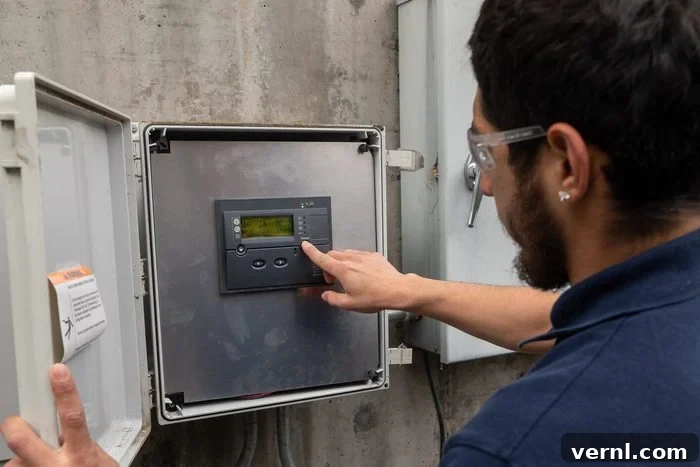
Before making any significant investments in energy-saving upgrades, the single most effective step you can take is to conduct a professional home energy audit. This crucial assessment pinpoints precisely which areas of your home are most in need of an efficiency upgrade, ensuring that your efforts and investments are directed where they will yield the greatest return. A comprehensive energy audit typically involves a thorough, room-by-room inspection, meticulously examining everything from the integrity of door and window seals to the operational efficiency of your major appliances and HVAC systems. Auditors often utilize advanced tools like blower door tests to detect air leaks and thermal imaging cameras to identify areas of inadequate insulation.
While a professional energy audit typically costs between $200 and $600, the Inflation Reduction Act offers a valuable incentive by providing up to $150 toward the cost of such an audit. This significantly offsets the initial expense, making this foundational step even more accessible. The insights gained from an audit are invaluable, providing a prioritized list of improvements that will save you the most money and enhance comfort.
To locate reputable local energy audit services, start by contacting your local power company or your state or local government energy office, as they often maintain lists of qualified professionals or offer their own assessment programs. Additionally, robust federal programs such as the U.S. Department of Energy's Home Energy Score program and the Home Performance with Energy Star initiative provide reliable resources and certified auditors to help you embark on your energy efficiency journey with confidence.
Master Home Weatherization: Seal Out Waste, Seal In Comfort
Once you understand your home's energy weaknesses, weatherization emerges as one of the most impactful and cost-effective strategies for reducing energy loss and enhancing indoor comfort. This process primarily involves two key components: boosting your home's insulation levels and meticulously sealing air leaks around all windows, doors, and other penetrations. By preventing unwanted air infiltration and exfiltration, you effectively keep conditioned air inside where it belongs during extreme weather, dramatically reducing the workload on your heating and cooling systems.
"When it comes to foundational energy efficiency, insulating the attic, walls, and crawlspace or basement, coupled with comprehensive air sealing, is absolutely paramount," emphasizes Nate Burger of Eco Handyman in Boulder, Colorado. He advocates for prioritizing these weatherization efforts even before considering more significant investments like replacing windows or upgrading to advanced systems like air source heat pumps or solar panels. The logic is simple: there's no point in installing a highly efficient heating or cooling system if your home is leaking conditioned air like a sieve.
The Inflation Reduction Act generously supports weatherization efforts, offering a substantial $1,200 annual tax credit for qualified improvements, with an additional $1,600 rebate potentially available for deeper efficiency upgrades down the line. This makes investing in weatherization more financially appealing than ever. The U.S. Department of Energy provides a comprehensive and exceptionally handy guide filled with practical tips and step-by-step instructions on how to effectively weatherize your home, making many tasks achievable for motivated DIY enthusiasts. For those who prefer professional assistance or have larger projects, hiring a skilled contractor ensures the job is done correctly and thoroughly, maximizing your energy savings and long-term comfort.
Illuminate Smarter: The Power of LED Lighting
One of the simplest, quickest, and most cost-effective changes you can make to immediately reduce your home's energy consumption is upgrading your lighting to Light Emitting Diodes (LEDs). Swapping out outdated incandescent bulbs for modern LEDs is a low-effort, high-impact improvement. "You've likely heard this advice a multitude of times, and for good reason," states Mallory Micetich. "However, the landscape of LED lighting has evolved dramatically. Today, there's an enormous variety in color temperatures, brightness levels, and bulb sizes, ensuring that you can find the perfect LED for every fixture and ambiance in your home."
The initial investment in LEDs has also significantly decreased over the years, eliminating any lingering financial barrier. LEDs consume up to 80-90% less energy than traditional incandescent bulbs, drastically cutting down on electricity usage specifically for lighting. Beyond energy savings, LEDs boast an exceptionally long lifespan, often lasting 10 to 25 times longer than incandescents, which means fewer bulb replacements and less waste. They also produce very little heat, contributing to a cooler home in warmer months and reducing the load on your air conditioning system. To further encourage this transition, many states and numerous electric utility companies offer financial incentives, rebates, or discounted LED bulbs, making the switch even more attractive and affordable.
Embrace Intelligence: Smart Controls for Optimal Energy Use
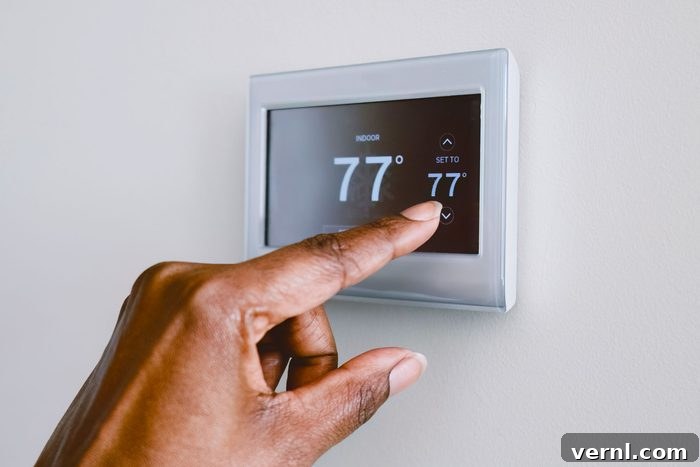
The advent of smart home technology has brought about a revolutionary approach to managing household energy consumption. Smart controls, encompassing devices like programmable smart thermostats, smart plugs, and integrated home energy management systems, offer unprecedented levels of precision and convenience in optimizing your electricity usage. Brands like Kasa Home and Nest lead the way in providing intuitive platforms that allow homeowners to intelligently use less electricity during peak demand times when utility rates are typically higher and more expensive.
"This represents a true breakthrough for the energy industry and for individual consumers," remarks Panama Bartholomy, director of the Building Decarbonization Coalition. He highlights practical applications, explaining, "For instance, you can program your smart thermostat to pre-cool your home before you even arrive home from work, ensuring maximum comfort upon entry while taking advantage of potentially lower off-peak electricity rates. Similarly, you can schedule your smart water heater to heat your water in the middle of the day when electricity is cheaper, then store it efficiently for your evening showers and dishwashing needs." Beyond individual savings, the collective adoption of smart controls also plays a vital role in enhancing grid stability, particularly during periods of high demand, such as intense heat waves, by strategically shifting energy loads.
Smart controls also offer invaluable insights into your energy consumption patterns, often providing detailed reports and real-time data that empower you to identify and address energy waste. Many devices can be controlled remotely via smartphone apps, offering peace of mind and convenience, allowing you to adjust settings whether you're at home or away. The initial investment in smart controls is quickly recouped through consistent energy savings and increased home comfort.
Rethink Your Kitchen: The Efficiency of Electric Cooking
For decades, gas stoves have been a kitchen staple, but a growing body of evidence suggests they are not only less efficient than modern electric alternatives but also contribute negatively to indoor air quality. Gas combustion releases pollutants such as nitrogen dioxide (NOx), carbon monoxide (CO), and formaldehyde into your home, which can exacerbate respiratory issues. The Inflation Reduction Act is actively encouraging a shift away from gas, offering rebates for homeowners who make the move to an electric range, particularly highly efficient induction models.
If you're not yet ready to completely replace your gas stove, there are excellent transitional steps you can take. Consider investing in an induction hob countertop burner or an electric kettle. An affordable double hob induction burner, costing around $200, offers a fantastic way to experience the benefits of induction cooking firsthand. "It provides a wonderful opportunity to truly fall in love with the speed, precision, and safety of induction before committing to giving up your traditional gas stove," says Panama Bartholomy. "In the interim, these smaller electric appliances will already provide you with notable efficiency gains and contribute to significantly cleaner air within your home." Induction cooking uses electromagnetic fields to directly heat the cookware, resulting in faster cooking times, superior temperature control, and significantly less wasted heat compared to gas or traditional electric resistance coils. This means more efficient energy use and a cooler kitchen.
Embrace Innovation: Heat Pump Water Heaters
When your existing water heater inevitably reaches the end of its lifespan, transitioning to a heat pump water heater (HPWH) represents a major leap in energy efficiency. Unlike conventional electric resistance or gas water heaters that generate heat, HPWHs work by transferring heat from the surrounding air to the water in the tank, using electricity to move heat rather than create it. This makes them incredibly efficient, often two to three times more efficient than standard models.
Recently, companies like Rheem have introduced game-changing innovations. Rheem, for instance, has pioneered the first 120-volt heat pump water heater. This breakthrough design means that the unit can simply be plugged into a standard electrical outlet, eliminating the need for a dedicated 240-volt circuit breaker and significantly simplifying the installation process, especially for those replacing gas units. This ease of installation reduces upfront costs and makes the upgrade more accessible to a wider range of homeowners.
Starting in January, the Inflation Reduction Act will further sweeten the deal by offering a substantial $2,000 tax credit for the installation of a qualified heat pump water heater. This incentive, combined with the long-term energy savings on your hot water bills, makes an HPWH an exceptionally smart investment for both your wallet and the environment. While the upfront cost might be higher than a conventional unit, the significant operational savings quickly recoup the initial expenditure, often within a few years.
Optimize Comfort and Efficiency with Heat Pump HVAC Systems
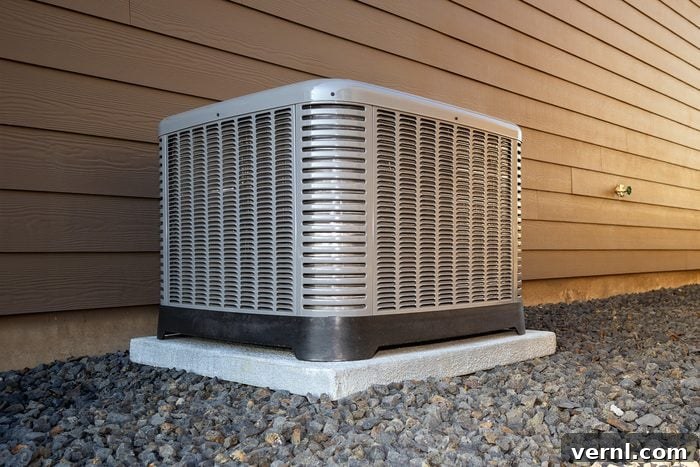
For homeowners looking to significantly upgrade their heating and cooling infrastructure, or those considering adding air conditioning for the first time, a heat pump HVAC system stands out as a superior, all-in-one solution. While the initial investment for these systems can range from approximately $10,000 to $18,000, they are an exceptionally wise long-term investment, delivering unparalleled efficiency and comfort.
"There are an extraordinary number of benefits associated with a modern heat pump HVAC unit," notes Panama Bartholomy. "You gain the dual functionality of both heating and air conditioning within a single, integrated system. These units are remarkably quiet in operation, incredibly energy-efficient, and engineered to perform optimally across virtually every climate zone, from mild to extremely cold." The efficiency of heat pumps stems from their mechanism: instead of generating heat through combustion or electric resistance, they simply move heat from one place to another. In winter, they extract heat from the outside air (even cold air) and transfer it indoors; in summer, they reverse the process, moving heat from inside your home to the outside. This ingenious technology can slash energy costs for heating and cooling by an impressive 50 percent or more compared to conventional systems, making the savings accumulate rapidly over the years.
Heat pump systems are versatile and available in various configurations to suit different home layouts and needs, including ducted central systems, ductless mini-split wall units, and even window-mounted units. Starting in January 2023, these highly efficient systems are eligible for generous IRA tax credits of $2,000, further reducing the financial barrier to adoption. While some minor components might be DIY-friendly, the complex installation of a full heat pump system absolutely requires professional expertise to ensure proper sizing, efficient operation, and compliance with all local codes. To find a qualified contractor, check with local incentive programs, which often list preferred installers, or directly contact manufacturers for recommendations in your area. Investing in a heat pump is an investment in consistent comfort, lower bills, and a more sustainable home.
The Power of Prevention: HVAC and Water Heater Maintenance
Often overlooked, routine maintenance of your home's major energy-consuming systems – particularly your HVAC unit and water heater – is a simple yet profoundly effective way to ensure they operate at peak efficiency and enjoy an extended lifespan. "Schedule a professional check-up for your air conditioning unit and furnace at least once a year," advises Sara Baldwin. "This ensures they're functioning as efficiently as possible, catching minor issues before they escalate into costly breakdowns." During these annual visits, technicians clean coils, check refrigerant levels, inspect electrical connections, and calibrate thermostats, all contributing to optimal performance.
Beyond professional tune-ups, there are critical maintenance tasks homeowners can perform themselves. Changing your HVAC filters regularly is paramount. Baldwin recommends replacing them once every three months as a general rule, or even more frequently if your household includes pets, allergy sufferers, or if your area experiences periods of poor air quality due to events like wildfires. "These seemingly small actions are truly 'low-hanging fruit' that can deliver immediate and consistent savings on your energy bills year-round when performed routinely," she explains. "Just as you periodically tune your car to ensure its longevity and performance, you should treat your HVAC system with the same proactive care. It will undeniably last longer and save you a significant amount of money over time."
Another often-neglected area is your water heater's thermostat setting. Most water heaters are factory-set to a default temperature that is often excessively high, leading to dangerously scalding hot water and unnecessary energy waste. A slight adjustment downwards – typically to around 120°F (49°C) – can make a substantial difference in energy consumption while still providing ample hot water for household needs. This simple tweak is a quick, free way to enhance safety and reduce energy costs.
Crucial Check: Electrical Panels and Service Upgrades
As you transition towards an all-electric home and introduce more energy-efficient electrical devices, it's absolutely crucial to assess your home's existing electrical infrastructure. Many older homes, designed for lower electrical loads, may find their current electrical panel and wiring insufficient to support high-demand appliances like modern heat pumps, induction cooktops, or even electric vehicle (EV) chargers. Failing to plan for these needs can lead to significant delays and unexpected costs.
"It's vital to get a clear understanding of your current electrical capacity and future requirements," cautions Panama Bartholomy. "You absolutely want to avoid a scenario where you've disconnected your old furnace or air conditioner, only to realize, 'Oh, no, I need to embark on a lengthy process with my utility company to upgrade my entire electrical panel and service before I can even install the new, efficient system.'" This oversight can leave you without essential heating or cooling for an extended period, in addition to incurring extra expenses for panel upgrades, new wiring, and potentially higher electrician fees. Proactively researching whether a heat pump, induction cooktop, or other energy-efficient electrical device requires additional amperage in your electrical panel or upgraded wiring is a smart move. Consult with a qualified electrician early in your planning process to ensure your home's electrical system is robust enough to handle the demands of a modern, energy-efficient lifestyle and to prevent any last-minute complications.
The Ultimate Vision: Achieving an All-Electric, Sustainable Home
After meticulously weatherizing your home and optimizing its insulation, the ultimate strategic goal for maximizing energy efficiency and embracing a truly sustainable lifestyle is the gradual transition of every appliance to electric power. An all-electric home represents the pinnacle of modern, eco-conscious living, offering profound benefits not only for the environment but also for your long-term financial well-being.
"An all-electric house is unequivocally the best kind of house, both for the health of our planet and for your personal wallet," affirms Panama Bartholomy. The inherent advantage of an all-electric setup lies in its flexibility and future-proofing. The electricity grid, unlike reliance on a single fossil fuel, can be powered by a diverse and increasingly clean array of energy sources—including abundant solar, wind, hydroelectric, and geothermal power. As more homes adopt electric appliances, the collective demand shifts towards electricity, which in turn accelerates the decarbonization of the grid itself. "If everyone intelligently uses electric appliances, the grid gains the ability to become progressively cleaner over time and can dynamically adjust its input sources as needed, moving away from fossil fuels," Bartholomy explains. This creates a virtuous cycle where individual choices contribute to a larger, cleaner energy ecosystem.
Beyond the core appliances, homeowners can further enhance their electric living with innovative solutions like installing a solar-powered air conditioner, directly harnessing the sun's energy to keep cool without drawing from the grid. An all-electric home offers enhanced indoor air quality, reduced reliance on volatile fossil fuel markets, and a significant contribution to combating climate change, making it a powerful testament to sustainable living and intelligent home management.
Frequently Asked Questions About Home Energy Efficiency
How can I improve my home’s energy efficiency without major renovations?
While a comprehensive overhaul can yield dramatic results, many impactful energy-saving improvements don't require major renovations. Renovation expert Scott McGillivray provides excellent starting points: "Focus on sealing drafts around windows and doors with caulk and weatherstripping, upgrade all your incandescent bulbs to energy-efficient LEDs, install smart thermostats to intelligently manage your heating and cooling schedules, and insulate your water heater tank and pipes to prevent heat loss." Additionally, regular maintenance of your HVAC system and cleaning refrigerator coils are simple, effective steps. These small changes, often requiring minimal time and investment, can collectively lead to significant reductions in your monthly utility bills without the disruption or cost of extensive remodeling.
What are the biggest energy consumers in a typical home?
In most homes, the heating and cooling (HVAC) system is by far the largest energy consumer, often accounting for 40-50% of your total energy bill. Following HVAC, water heating is typically the second-largest energy hog, consuming about 15-20% of household energy. Other significant contributors include major appliances like refrigerators, washers, and dryers, as well as lighting and electronics. Targeting improvements in these top categories will yield the most substantial energy savings.
How can I track my home’s energy usage effectively?
Tracking your energy usage is crucial for identifying patterns and potential areas for improvement. Many utility companies offer online portals or apps that provide detailed breakdowns of your electricity and gas consumption over time. Smart home devices, such as smart thermostats and smart plugs, can also monitor and report the energy usage of individual appliances or entire systems. Additionally, energy monitors that clip onto your electrical panel can provide whole-home real-time consumption data, helping you become more aware of your energy habits and pinpoint energy-hungry devices.
About the Experts
- Mallory Micetich is a seasoned home expert providing valuable insights at Angi.
- Sara Baldwin serves as the director of electrification at Energy Innovation, driving sustainable energy solutions.
- Nate Burger is an experienced professional working with Eco Handyman, based in Boulder, Colorado.
- Panama Bartholomy is the director of the Building Decarbonization Coalition, advocating for carbon-free buildings.
- Scott McGillivray is a highly respected triple-threat expert in real estate, renovation, and finance, boasting decades of hands-on experience in the field. He is widely recognized as the host of the award-winning series Income Property, and currently hosts At Home With Family Handyman’s Ask… Scott McGillivray.