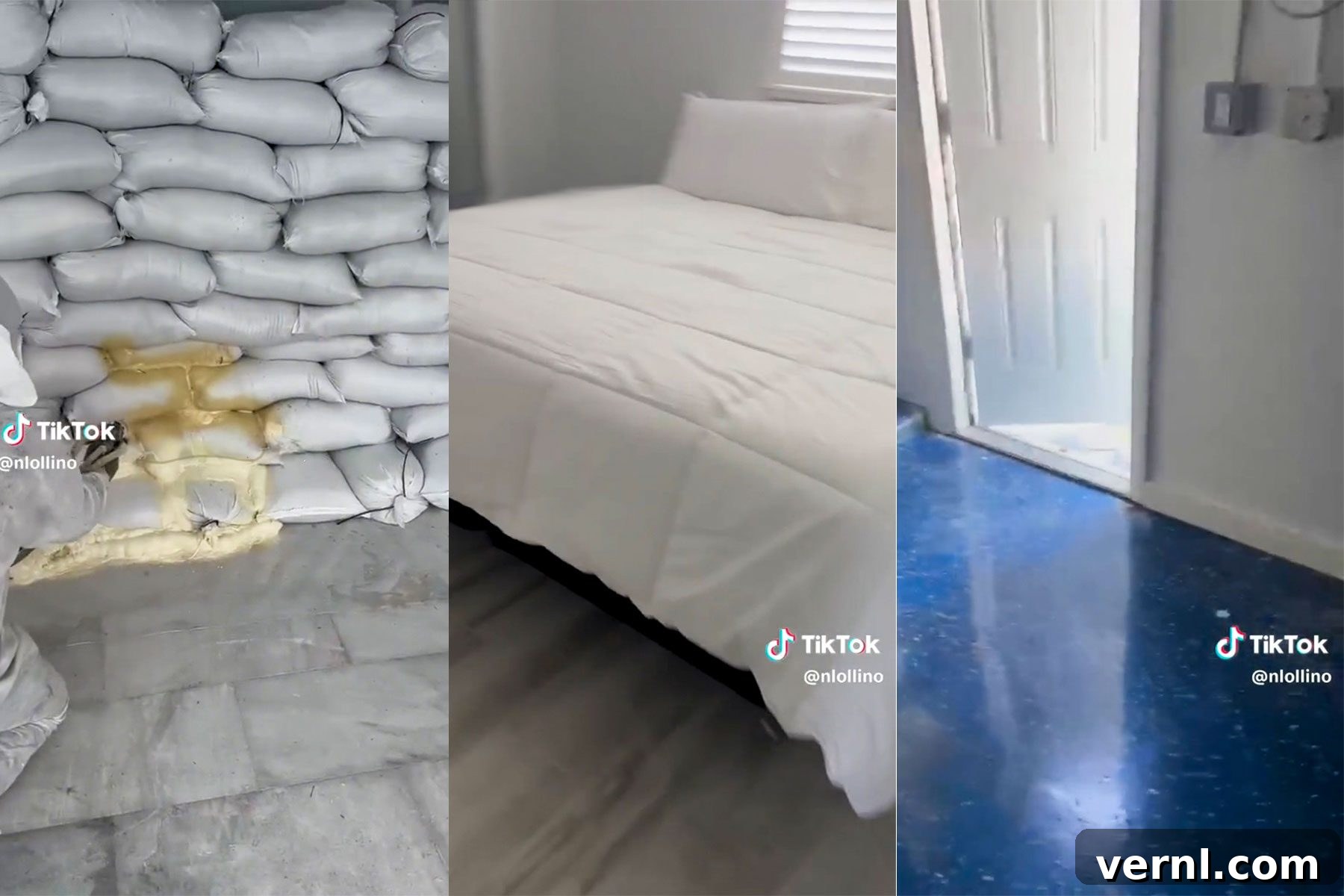
For over a decade, Flex Seal has established itself as an indispensable product in the realm of DIY home repairs, particularly for weatherproofing and waterproofing tasks. Its versatility and effectiveness have made it a household name, trusted by homeowners for a wide array of projects. From mending a leaky gutter system to sealing troublesome plumbing pipes, or even patching up a recreational canoe, Flex Seal has consistently proven its worth as a reliable, go-to solution. Many enthusiastic DIYers, like myself, swear by keeping a can or two on hand for those unexpected household emergencies.
In recent years, the escalating frequency and intensity of extreme weather events, coupled with the corresponding rise in flood occurrences, have elevated Flex Seal’s role to a more critical level: protecting homes against significant water intrusion. The demand for robust, accessible flood protection solutions has never been higher, and Flex Seal has risen to the challenge. This comprehensive guide will delve into how you can effectively utilize Flex Seal products to safeguard your home from potential water damage, drawing insights directly from Phil Swift, the visionary inventor and Chief Executive Officer of the Flex Seal Family of Products.
Understanding Flex Seal: The Science Behind the Seal
At its core, Flex Seal is not just a single product but a diverse line of innovative sealant and adhesive solutions designed to create a “watertight, flexible, rubberized coating that stops leaks fast,” as explained by Phil Swift. This unique formulation allows it to adhere to a multitude of surfaces, creating a durable, yet pliable barrier that moves with your home’s structure without cracking or peeling. This flexibility is crucial, as many traditional sealants can become brittle over time, losing their effectiveness. Flex Seal’s rubberized composition ensures a long-lasting, resilient seal capable of withstanding various environmental stresses, including temperature fluctuations and everyday wear and tear.
The product line encompasses several forms, each tailored for specific applications. The original Flex Seal spray offers a convenient way to coat large or irregular surfaces quickly. Liquid Flex Seal can be brushed or rolled on for a thicker, more robust coating, ideal for larger areas needing maximum protection. Flex Paste provides a thick, trowelable compound perfect for filling large cracks, holes, and gaps, offering immediate sealing capabilities. Lastly, Flex Tape offers an instant, super-strong, waterproof bond for emergency repairs or quick fixes. This diverse range ensures that there’s a Flex Seal product suitable for virtually any waterproofing or weatherproofing project imaginable around your home, from foundational repairs to attic insulation.
Can Flex Seal Protect Your Home from Floodwaters?
The straightforward answer is yes; various Flex Seal products can indeed play a significant role in sealing your home against encroaching floodwaters. However, to address the specific challenges posed by flooding, the company has innovated further by launching its specialized Flood Protection System. This system was meticulously developed with low-level flooding in mind, a category that, according to Swift, “accounts for 90 percent of all floodwater intrusion.” This statistic highlights the critical importance of having an effective defense against these more common, yet still highly damaging, flood scenarios.
The key distinction between the general Flex Seal product line and the Flood Protection System lies in its intended application and duration. While many standard Flex Seal products are designed for permanent applications, offering long-term solutions for leaks and weatherization, the Flex Seal Flood Protection System is engineered as a temporary barrier. This crucial design feature means it can be readily applied before a flood event and then easily removed once the floodwaters have receded, allowing homeowners to restore their property without extensive cleanup or permanent alterations.
The Flood Protection System is comprehensive, comprising a combination of spray, liquid, paste, and tape formats. Swift emphasizes the synergy of these products: “When used in combination, they provide multiple layers of flood protection for a wide range of openings where water could enter.” This multi-layered approach is vital for achieving optimal protection. Imagine the vulnerable points in your home: the often-overlooked gaps under and around doors and windows, the thresholds that might not offer a perfect seal, the intricate brick molding, susceptible door jambs, essential but exposed vents and ducts, easily compromised basement windows, and even hidden crawlspaces. The system is designed to create a robust, temporary seal across all these potential entry points, offering peace of mind when a storm is on the horizon. By utilizing the specific properties of each product – the filling capability of the paste, the broad coverage of the spray, the thick coating of the liquid, and the instant seal of the tape – homeowners can construct a formidable, yet reversible, defense against flood damage.
Important Considerations for Using Flex Seal in Flood Prevention
While Flex Seal offers a powerful tool for preventing water damage, particularly in flood scenarios, it is crucial to approach its application with realistic expectations and an understanding of its limitations. As Phil Swift wisely points out, “Obviously, no solution can guarantee full flood prevention, particularly with huge storms like [Hurricanes] Helene and Milton.” Flex Seal products, especially the Flood Protection System, are designed to mitigate water intrusion from low-level flooding and extreme weather, not to withstand the catastrophic force of flash floods or unprecedented surges.
A critical factor for the maximum effectiveness of the Flex Seal Flood Protection System is proper lead time. These products are not instantaneous barriers; they require a specific period—typically 24 to 48 hours—to fully cure before being exposed to water. Attempting to apply them just hours before a flash flood or during rapidly rising waters will severely compromise their ability to seal effectively. Therefore, proactive planning and timely application are paramount. Homeowners must stay informed about incoming weather events and act well in advance to ensure the products have ample time to cure and form a durable, watertight seal. This preventative approach transforms Flex Seal from a simple repair product into a strategic component of a home’s overall flood preparedness plan.
Essential Tips for Using Flex Seal to Prevent Water Damage
Protecting your home from the destructive force of water damage requires more than just purchasing the right products; it demands careful planning and meticulous application. By following these expert tips, you can significantly enhance your home’s resilience before the next storm system arrives, leveraging the full potential of Flex Seal products.
- Be Prepared and Plan Ahead: Timely action is the cornerstone of effective flood protection with Flex Seal. As Swift advises, “Stay informed about incoming storms and weather events, so you have time to apply them before floodwaters arrive.” This means actively monitoring weather forecasts, understanding the risks specific to your area, and having your Flex Seal products ready long before storm warnings are issued. Create a detailed home protection checklist, identifying all vulnerable points, and assign responsibility for each task. Remember, the 24 to 48-hour curing time is non-negotiable for optimal performance, so last-minute applications will likely be ineffective.
- Accurately Assess Needs and Buy Enough Product: Before any application, conduct a thorough inspection of your home. Carefully note all doors, windows, foundational cracks, wall penetrations, vents, and any other seams or gaps where water could potentially enter. Measure the linear feet of these openings and estimate the square footage for broader areas. Then, purchase a sufficient quantity of Flex Seal products, including spray, liquid, paste, and tape, to adequately cover all identified surfaces. It’s always better to have a little extra than to run out mid-application, especially when time is of the essence. Consider keeping an emergency flood kit stocked with these essential items.
- Utilize Multiple Product Layers for Superior Protection: The Flex Seal Flood Protection System is engineered for synergy, meaning its components work best when applied in concert. For most vulnerable openings, especially those with larger gaps or uneven surfaces, begin by applying Flex Paste. This thick, malleable compound is excellent for filling significant voids and creating an initial robust barrier. Once the paste has begun to set, follow up with layers of Liquid Flex Seal or Flex Seal Spray. These liquid and spray formulas are ideal for sealing any smaller, remaining gaps, creating a smooth, impermeable top coat that enhances the overall watertight integrity. This multi-layered approach builds a defense that is significantly more resilient than a single product application.
- Thoroughly Prepare Surfaces for Optimal Adhesion: The effectiveness of any sealant hinges on proper surface preparation. For the best adhesion and a truly watertight seal, ensure that all surfaces slated for Flex Seal application are meticulously clean, dry, and free of any loose debris, dust, grease, oil, or existing peeling paint. Use a stiff brush or power washer for cleaning if necessary, and allow ample time for the surfaces to dry completely. Applying Flex Seal to a dirty or wet surface will compromise its ability to bond effectively, leading to potential leaks and wasted effort. Adhere to temperature guidelines specified on the product packaging for optimal application conditions.
- Apply Overlapping Layers with Adequate Dry Time: When using multiple layers or applying products to adjacent areas, it is crucial to ensure each subsequent layer overlaps the previous one. Aim for each new layer to be slightly wider than the layer beneath it, creating a gradual, robust seal that minimizes any potential weak points. This technique ensures comprehensive coverage and enhances the structural integrity of the barrier. Equally important is allowing for adequate dry time between the application of each layer. Rushing the process can prevent proper curing and adhesion, significantly reducing the system’s effectiveness. Always refer to the specific product instructions for recommended drying and curing times. This patience will be rewarded with a much stronger and more reliable flood barrier.
- Consider Regular Inspections and Maintenance: Even the most robust flood protection system benefits from ongoing attention. After the threat of flooding has passed and the temporary Flex Seal barriers are removed, or for permanent applications, consider making regular inspections a part of your home maintenance routine. Check for any signs of wear, degradation, or new vulnerabilities that might emerge over time. Addressing these promptly ensures your home remains prepared for future weather challenges.
About the Expert
Phil Swift is recognized globally as the visionary inventor and Chief Executive Officer of the Flex Seal Family of Products. His dedication to developing innovative, accessible, and highly effective sealing solutions has transformed the DIY home repair market and provided countless homeowners with the means to protect their properties against water damage and environmental elements. Swift’s commitment to quality and practical solutions continues to drive the evolution of the Flex Seal brand.