Mastering Delicate Garment Care: Your Comprehensive Guide to Washing “Dry Clean Only” Clothes at Home
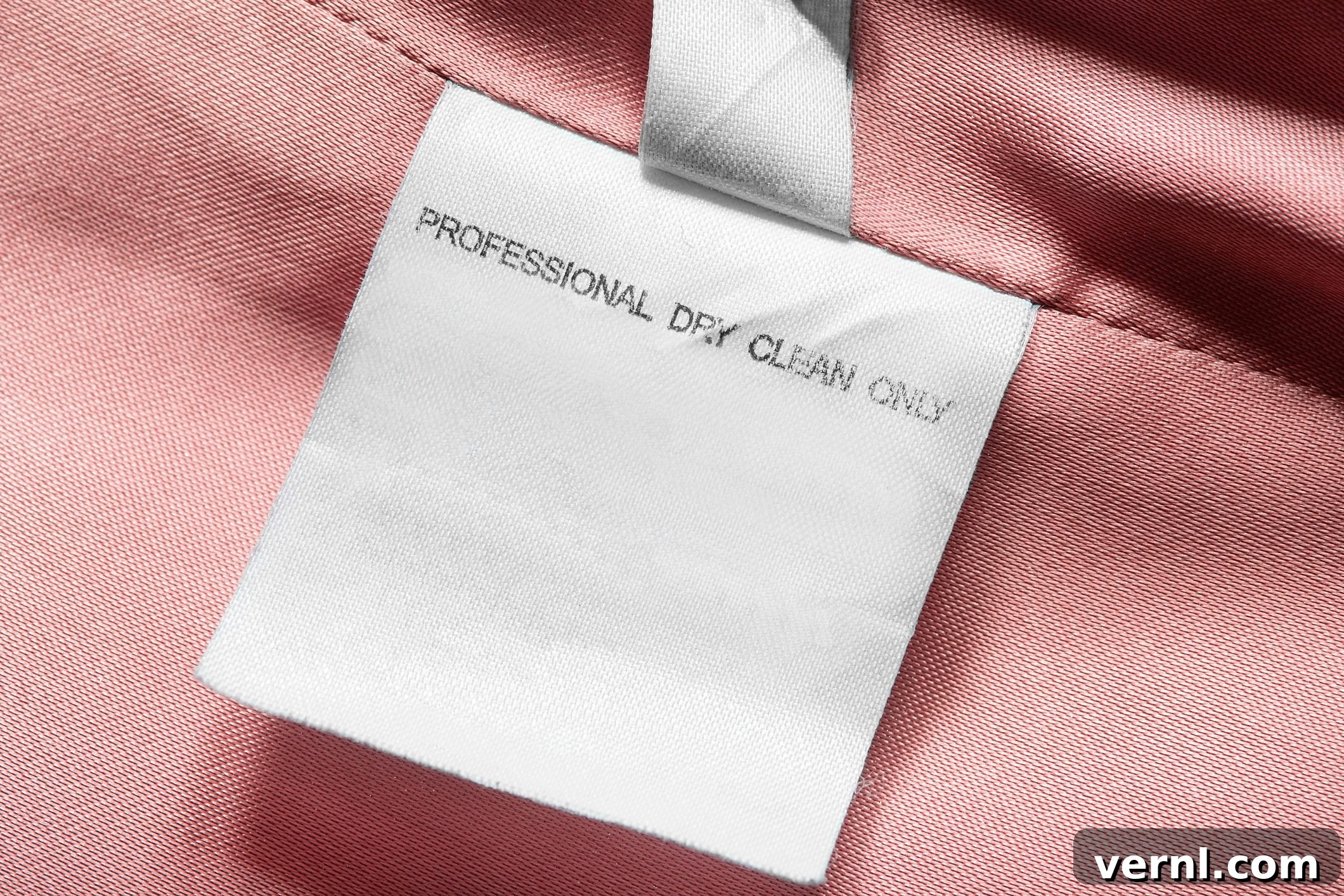
Navigating the world of garment care can often feel like a puzzle, especially when confronted with the elusive “dry clean only” label. For many, the traditional dry cleaning process presents several drawbacks: it’s notoriously expensive, often involves inconvenient turnaround times, and can even be a logistical nightmare to fit into a busy schedule. Beyond these practical concerns, there’s a growing awareness about the environmental and garment-specific downsides.
As Frej Lewenhaupt, a respected textile expert with Steamery, highlights, “Traditional dry cleaning often uses harsh chemicals that can harm the environment and linger on your garments, so it should be done sparingly.” He further debunks a common misconception, adding, “There’s also a common misconception that dry cleaning is more gentle than other washing methods, but frequent dry cleaning can actually wear garments out faster.”
Given these compelling reasons, it’s understandable why the idea of tackling “dry clean only” items at home is so appealing. But when is it truly safe to bypass the professionals, and when should you absolutely defer to their expertise? This comprehensive guide will equip you with the knowledge to make informed decisions, helping you save money, extend the life of your wardrobe, and adopt more sustainable laundry practices.
What Exactly Is Dry Cleaning and Why Is It Used?
At its core, dry cleaning is a specialized method of cleaning garments and textiles without the use of water. Instead of H₂O, professional dry cleaners employ powerful chemical solvents to loosen and remove dirt, oils, and stains from fabric fibers. The most well-known traditional solvent is perchloroethylene, often abbreviated as Perc. While highly effective, Perc has faced scrutiny due to environmental and health concerns, leading to the rise of modern, more eco-friendly alternatives like liquid silicone, hydrocarbon, and even CO2-based cleaning systems.
The primary reason certain garments are designated “dry clean only” is due to the delicate nature of their fabrics or construction. Many natural fibers, such as silk and wool, can shrink, stretch, or lose their shape and luster when exposed to water and the mechanical agitation of a typical washing machine. Synthetic blends with specific finishes, elaborate embellishments like beads or sequins, intricate tailoring, or structured components (like shoulder pads or interfacings) can also be easily damaged by traditional wet washing. Dry cleaning provides a gentle, controlled environment that cleans these items without compromising their integrity, shape, or appearance. However, as Lewenhaupt pointed out, even this method, when done too frequently, can take its toll on textiles, making smart home care an attractive alternative for suitable items.
Can You Safely Wash “Dry Clean Only” Clothes at Home? Deciphering Care Labels
The short answer is: sometimes. While a garment’s care tag might emphatically state “dry clean only,” this label is often a conservative recommendation by manufacturers to prevent liability for accidental damage from home washing. It doesn’t always mean that water is completely off-limits. Understanding the nuances of care labels and fabric types is key to making an informed decision.
When Home Washing is a Viable Option
Certain natural and synthetic fabrics are surprisingly resilient and can often be safely hand-washed at home, provided you exercise caution and use the correct techniques. According to Ira Lysa, founder of Imperial Alterations, the best candidates for DIY cleaning include:
- Silk: Plain silk garments like blouses or camisoles can often be hand-washed. The key is gentle handling to preserve its delicate sheen and feel.
- Wool (including Cashmere): Unstructured wool sweaters, scarves, or plain knits can often be hand-washed using cold water and specific wool detergents. Aggressive agitation or hot water can cause irreversible shrinkage and felting.
- Synthetics (e.g., Rayon, Viscose, Modal): Many delicate synthetics, often used to mimic natural fibers, can tolerate gentle handwashing. However, they can be prone to stretching or distortion if not dried correctly.
“‘Dry clean only’ tends to be a conservative label,” says Lysa. “A plain silk camisole? Probably fine. A silk jacket with shoulder pads or lining? Best left to the pros.” This distinction between simple garments and complex ones is crucial.
When to Always Stick with Professionals
Despite the temptation, there are specific garments and fabric types that should never be attempted at home, as the risk of irreversible damage is simply too high. J. Michael Jackson of CD One Price Cleaners warns that even seemingly handwash-friendly fabrics like silk, wool, cashmere, velvet, and acetate have delicate weaves and natural oils that can be irrevocably altered by water and friction. They are susceptible to shrinking, changing texture, or losing their color vibrancy. Furthermore, items with complex construction are particularly vulnerable:
- Structured Garments: Tailored suits, blazers, lined jackets, and garments with padded shoulders rely on internal supports, interfacings, and precise stitching to maintain their crisp shape. Water can cause these inner structures to collapse, leading to misshapen pieces with saggy collars or distorted silhouettes.
- Embellished Items: Clothes adorned with beads, sequins, embroidery, lace, or delicate appliques are often glued or stitched with threads that can dissolve, bleed, or detach when exposed to water.
- Leather and Suede: These materials are highly susceptible to water damage, which can cause them to warp, stiffen, crack, or develop irreparable stains. Never attempt to wash leather or suede at home.
- Multi-layered or Lined Garments: Different fabrics within a single garment can react differently to water, leading to uneven shrinkage, puckering, or discoloration between layers.
- Velvet and Acetate: These fabrics are particularly sensitive to water and friction, often leading to crushing of the pile, water spots, or changes in texture.
A vital distinction to note is the difference between a care tag that reads “dry clean” and one that states “dry clean only.” As Jackson clarifies, “If a care tag reads ‘dry clean’ vs. ‘dry clean only,’ that means dry cleaning is a recommendation, not a mandate.” In such cases, home washing might be a safer bet. Regardless of the label, Jackson advises, “Always perform a spot test on an inconspicuous seam to check for colorfastness before washing the entire piece.” This simple step can save you from a ruined garment.
The Art of Handwashing “Dry Clean Only” Clothes at Home
If you’ve determined that your “dry clean only” garment is a suitable candidate for home washing, follow these meticulous steps to ensure the best possible outcome. Patience and gentleness are your greatest allies.
1. Preparation and Spot Testing
- Read the Label (Again): Double-check the care label for any specific fiber content or warnings.
- Choose the Right Detergent: Opt for a mild, pH-neutral detergent specifically designed for delicates, wool, or silk. Baby shampoo can also be a gentle alternative. Avoid harsh chemicals or conventional laundry detergents that can strip natural oils or damage delicate fibers. Both Steamery and Charlie’s Soap offer excellent mild detergents suitable for such tasks.
- Perform a Colorfastness Test: This step is non-negotiable. Select an inconspicuous area of the garment (like an inside seam or hem). Apply a small drop of cold water mixed with a tiny amount of your chosen detergent. Gently blot the area with a clean white cloth. If any color transfers to the cloth, the item is not colorfast and should not be washed at home.
2. Handwashing Technique
- Prepare Your Wash Basin: Fill a clean basin or tub with cool to lukewarm water (never hot, especially for wool or silk, as this can cause shrinkage). Add a small amount of your delicate detergent, ensuring it’s fully dissolved before adding the garment.
- Submerge and Swish Gently: Carefully submerge the garment into the water. Gently swish it back and forth for a few minutes. Avoid any aggressive scrubbing, twisting, or wringing, as friction is a primary cause of damage, pilling, and stretching. The goal is to allow the water and detergent to penetrate the fibers and lift dirt, not to mechanically remove it.
- Soak (Optional): For lightly soiled items, a short soak (5-10 minutes) might suffice. For more stubborn areas, a slightly longer soak (up to 30 minutes) can be considered, but never leave delicate items soaking for hours.
3. Rinsing Thoroughly
- Rinse in Clean Water: Drain the soapy water. Refill the basin with clean, cool water. Gently press the garment to release soapy water and then lift it, allowing it to re-submerge in the fresh water. Repeat this process until all detergent residue is gone and the water remains clear. Again, avoid squeezing or twisting the fabric harshly.
4. Drying with Care
- Remove Excess Water: Do NOT wring the garment. Instead, gently press the item against the side of the basin or lay it flat on a clean, thick towel. Carefully roll the garment up in the towel, applying gentle pressure to absorb as much water as possible. You might need to repeat this with a second dry towel.
- Shape and Air Dry: For knits, silks, and other delicates prone to stretching, lay them flat on a clean, dry towel or a mesh drying rack. Gently reshape the garment to its original dimensions. Avoid hanging these items, as the weight of the water can cause them to stretch out of shape. Ensure good air circulation around the garment.
- Avoid Direct Heat and Sunlight: Never put “dry clean only” garments in a machine dryer, as the high heat will almost certainly cause shrinkage, damage fibers, or alter the fabric’s texture. Also, avoid direct sunlight, which can fade colors or weaken fibers. Allow items to air dry completely, which can take 24-48 hours depending on the fabric and humidity.
Effective Spot Cleaning Techniques for Minor Stains
Sometimes, a full wash isn’t necessary; a small spill or mark might just require a targeted spot clean. For “dry clean only” garments, this method can be a lifesaver. According to Taylor Sutherland, president of Charlie’s Soap, the process involves using a mild soap. Gently blot the stain with a soft, wet cloth, or for more embedded marks, scrub gently with a soft-bristled toothbrush. Always work from the outside of the stain inwards to prevent spreading. Rinse the treated area under a gentle stream of running water, again being careful not to rub or agitate aggressively. Remember to perform a spot test for colorfastness on an inconspicuous area before attempting to treat the visible stain.
Beyond Washing: Extending the Life of Your Garments
The best way to care for delicate “dry clean only” items, whether you wash them at home or not, is to reduce the frequency of full washes. Frej Lewenhaupt of Steamery offers excellent advice for prolonging the life of wool, cashmere, and silk:
- Airing Out: Many natural fibers don’t need a full wash after every wear. Simply hanging them in a well-ventilated area (perhaps outdoors on a mild day, or near an open window) can significantly refresh them, allowing odors to dissipate and fibers to breathe.
- Steaming: A garment steamer is a fantastic tool for delicate items. Steaming not only helps to remove wrinkles without harsh heat but also effectively kills surface bacteria and freshens garments, removing odors and prolonging the time between washes.
- Proper Storage: Store delicate items in breathable garment bags to protect them from dust and moths. Avoid cramming them into tight spaces, which can cause wrinkles and stress fibers.
- Immediate Stain Treatment: Address spills and stains as quickly as possible. The sooner you treat a stain, the higher the chance of successful removal without resorting to a full wash or dry cleaning.
Frequently Asked Questions About “Dry Clean Only” Garments
Q: What characteristics make clothes “dry clean only”?
A: Garments are typically labeled “dry clean only” due to their delicate fabric composition (e.g., specific types of silk, wool, velvet, acetate), intricate details (like elaborate embroidery, beadwork, sequins, or specialized lace), or their structured construction (tailored suits, lined jackets, garments with interfacings or shoulder pads). These elements are prone to damage, shrinkage, distortion, or bleeding when exposed to water and mechanical agitation, making chemical-based dry cleaning the safer professional option.
Q: What happens if I wash “dry clean only” clothes in a washing machine?
A: Washing “dry clean only” clothes in a conventional washing machine is a high-risk gamble that can lead to irreversible damage. As Ira Lysa bluntly puts it, “Maybe you can pull it off once, or wreck the piece completely.” Common outcomes include severe shrinkage, especially for wool and silk; color bleeding or discoloration; changes in the fabric’s texture or drape; and distortion of tailored shapes or embellishments. The harsh agitation and high temperatures of a machine wash are particularly detrimental. “And don’t even get me started on the dryer,” Lysa adds, emphasizing that machine drying is an absolute no-go for such items.
Q: Is handwashing always safe for “dry clean only” clothes?
A: Handwashing can be safe for *some* “dry clean only” items, but it’s not a universal solution. It depends entirely on the fabric type, construction, and embellishments. Frej Lewenhaupt notes, “Certain delicate fabrics like silk and wool can benefit from being handwashed over dry cleaning.” However, caution is paramount, and a thorough spot test for colorfastness is always required. When handwashing, it’s crucial to use a laundry detergent specifically developed for delicate fabrics to protect their integrity and natural oils. If in doubt about a specific garment, consult your local dry cleaner; they can often provide tailored advice or offer alternative wet cleaning services.
Q: What fabrics or garment types should absolutely never be handwashed?
A: There are certain materials and garment constructions that should never be handwashed, as the risk of irreparable damage is too high. Foremost among these are suede and leather; water will almost certainly cause them to warp, stain, stiffen, or crack permanently. Lysa also stresses that “overly ornamental or structured pieces like beaded gowns, interfaced blazers, and lined jackets are also risky.” Water can damage their internal structure, causing glues to dissolve, backings to loosen, or the garment to lose its intended shape. For these items, professional dry cleaning or specialized leather cleaning services are the only safe recourse.
About the Experts
- Ira Lysa is a distinguished fashion designer and the visionary founder of Imperial Alterations in Hoboken, New Jersey. With over 15 years of hands-on experience, she specializes in working with delicate fabrics and intricate designs, including couture bridal wear and high-end tailoring.
- Frej Lewenhaupt is a renowned textile expert and the co-founder of Steamery, a leading Scandinavian clothing care brand. Steamery offers innovative products like steamers and fabric shavers, designed to enhance the way we treat our clothes. Frej holds a degree in textile engineering from the University of Borås in Sweden.
- J. Michael Jackson serves as a field consultant for CD One Price Cleaners, a prominent dry-cleaning franchise operating across the Chicago area and beyond. Bringing more than 15 years of invaluable experience in the dry-cleaning industry, he offers expert insights into garment care. For more information, visit https://cdonepricecleaners.com/.
- Taylor Sutherland is the president of Charlie’s Soap, a company celebrated for its natural cleaning products and scent-free laundry powder. As the third generation to lead the company, Taylor has been at its helm for over 20 years, continuing its legacy of eco-friendly cleaning solutions.
Related Articles You Might Enjoy
- The Real Reason Aluminum Foil Has a Shiny Side and a Dull Side
- Think Adirondack Chairs Are Uncomfortable? You’re Using Them Wrong
- Why You Shouldn’t Crush Aluminum Cans Before Recycling