
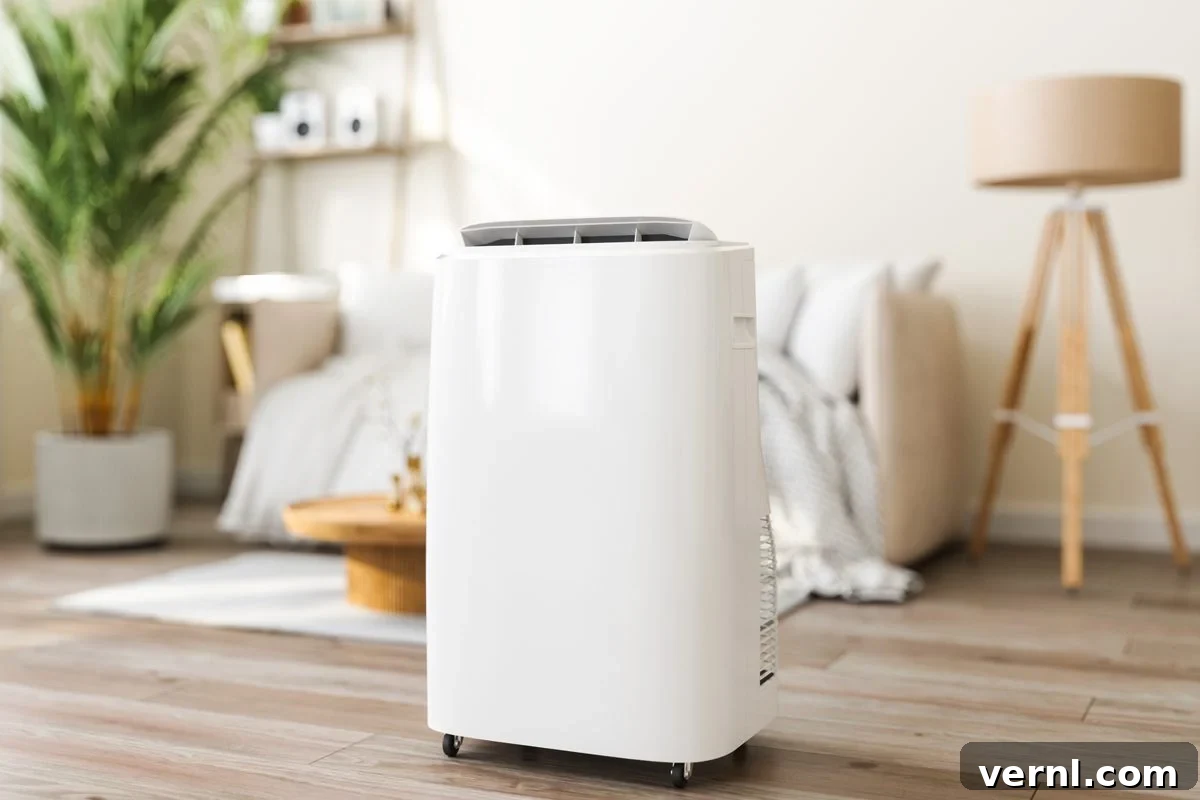
Portable Heat Pumps: A Comprehensive Guide to Cost-Effective Heating
Central heat pumps and mini-split systems have gained popularity as energy-efficient alternatives to traditional heating systems. While they offer significant energy savings, the installation costs can be a barrier for many homeowners. This article explores the viability of portable heat pumps as a budget-friendly heating solution, providing insights and expert opinions to help you determine if they’re the right choice for your home.
We’ll delve into the pros and cons, considering factors like climate, heating needs, and overall cost-effectiveness. The goal is to equip you with the knowledge to make an informed decision about whether a portable heat pump can meet your heating requirements without breaking the bank.
Can a Portable Heat Pump Heat Your Entire Home?
The short answer is: likely not. Portable heat pumps are generally designed for smaller spaces. The capacity of a portable heat pump is measured in BTUs (British Thermal Units), which indicates its heating or cooling output. The unit tested for this article was rated at 14,000 BTU, which effectively heated a room of approximately 500 to 700 square feet.
While it quickly heated a moderately sized room, the outside temperature was relatively mild (around 45°F). This highlights a crucial point: the effectiveness of a portable heat pump is significantly influenced by the climate.
According to Glenn Wiseman, an HVAC professional from Ottawa, Canada, portable heat pumps are best suited for mild climates or as a supplementary heating option. In regions with harsh winters, their performance may be limited.
Andrew Hancock, an HVAC expert from Virginia, echoes this sentiment, recommending portable heat pumps for rooms between 300 and 600 square feet, particularly in areas where winter temperatures rarely drop below 40°F.
Considering these expert opinions, and the limitations observed during testing, it’s clear that relying on a single portable heat pump to heat a large house, especially in a cold climate, is not advisable.
Advantages of Portable Heat Pumps
Portable heat pumps offer several attractive benefits, making them a compelling option for certain situations. These advantages include:
- Energy Efficiency: One of the primary advantages of heat pumps is their energy efficiency. Unlike traditional electric heaters that generate heat directly, heat pumps transfer heat. This process is more efficient, consuming less electricity to achieve the same level of warmth. For instance, the Frigidaire unit tested used only 1,050 watts compared to a typical 1,500-watt resistive heater.
- Portability: The ability to move the unit from room to room is a significant advantage. This flexibility allows you to heat only the spaces you’re using, maximizing energy savings. Whether you’re working in a home office or relaxing in the living room, you can easily relocate the heat pump to where it’s needed most.
- Cooling Mode: A portable heat pump serves a dual purpose. In the summer, it functions as an air conditioner, providing cooling relief. This versatility eliminates the need for a separate cooling unit, offering year-round climate control.
- Dehumidification: Heat pumps remove moisture from the air during the heating process. This can be beneficial in humid environments, reducing the risk of mold and mildew growth. While the dehumidifying effect can be a slight drawback in overly dry climates, the benefits often outweigh the potential downsides.
Disadvantages of Portable Heat Pumps
While portable heat pumps have several advantages, it’s important to acknowledge their limitations. Understanding these drawbacks is crucial to making an informed decision about whether a portable heat pump is suitable for your needs.
- Venting Requirement: Portable heat pumps require venting to exhaust cold air outside. This typically involves connecting a vent hose to a window. This requirement limits the portability of the unit, as it must be located near a window. Improper sealing of the vent can lead to heat loss, reducing the efficiency of the system. The vent hose itself can also be an aesthetic concern, detracting from the room’s decor.
- Performance in Cold Climates: As mentioned earlier, portable heat pumps are less effective in extremely cold weather. Their performance diminishes as temperatures drop. In areas with harsh winters, a portable heat pump may struggle to provide adequate heating, or even become nearly useless, as stated by experts.
- Drainage Needs: During operation, heat pumps extract moisture from the air, which results in condensation. Most units have drainage openings to remove this water. This water must be drained manually or, more commonly, through a drain hose. This drainage requirement adds an extra step to the operation and maintenance of the unit, and requires consideration for where to direct the hose.
- Noise Levels: The compressor in a portable heat pump can produce noise levels comparable to those of a standard air conditioner, which is significantly louder than a typical space heater. This is an important consideration for those sensitive to noise, especially in quiet environments like bedrooms or home offices.
Is a Portable Heat Pump a Smart Investment?
The answer to this question depends on your individual circumstances. If you live in a moderate climate and have a smaller space to heat, a portable heat pump can be an excellent investment.
For example, if you’re looking to replace a less energy-efficient space heater, a portable heat pump could significantly reduce your energy bills. Based on tests, energy savings of up to two-thirds are possible. The unit may also keep the room warmer, which is a significant factor in comfort and overall efficiency.
However, if you live in a large house in a cold climate, a portable heat pump is unlikely to be a suitable primary heating source. But even in these situations, a portable heat pump can still have a role.
As suggested by Glenn Wiseman, a portable heat pump could work well as a supplementary heating system to boost an underperforming central heating system. It may be particularly effective in situations where a conventional heat pump is less efficient, such as during freezing weather. By drawing heat from the slightly warmer indoor air, the portable unit may be more efficient than a heat pump that relies on extracting heat from the cold outdoor air.
In conclusion, a portable heat pump offers a cost-effective heating solution for certain situations. It’s crucial to assess your climate, heating needs, and the size of the space you want to heat before making a purchase. When used appropriately, a portable heat pump can provide efficient, flexible, and affordable heating.
Meet the Experts
The following experts contributed their knowledge and perspectives to this article:
- Glenn Wiseman, Sales Manager at Top Hat Home Comfort Services, providing HVAC service and repair and general home improvement services.
- Andrew Hancock, CEO of Gilman Heating, Cooling & Plumbing, a home comfort services company.
- Myles Robinson, a home improvement specialist and CEO of UK Composite Doors.