

Outsmarting Sellers: 10 Common Tricks to Watch For When Buying a Home
Buying a home is undeniably one of the most significant financial and emotional investments you’ll ever make. This monumental decision demands meticulous attention to detail and unwavering diligence to ensure you’re making a sound choice. Unfortunately, not all home sellers operate with complete transparency. Some may employ subtle or even deceptive tactics to mask underlying property issues, hoping to speed up a sale or avoid costly repairs. Recognizing these common seller tricks is your first line of defense in safeguarding your investment and securing a home that genuinely meets your expectations. This comprehensive guide will equip you with the knowledge to identify the 10 most prevalent seller ploys and empower you to outsmart each one, ensuring a smooth and honest home-buying journey.
1. Painting Over Problem Areas
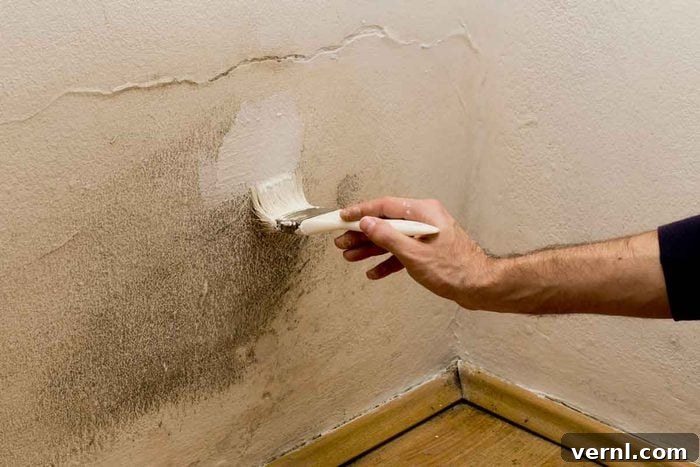
A fresh coat of paint can significantly enhance a home’s appeal, making rooms look brighter and more modern. While often a legitimate update to improve aesthetics, it can also serve as a convenient disguise for more serious structural or maintenance issues. Dishonest sellers might strategically apply fresh paint to conceal water stains from leaks, evidence of mold growth, cracks in drywall or plaster, or even minor foundation cracks. The goal is to present a pristine surface that distracts buyers from probing deeper.
As Nick Gromicko, founder of the International Association of Home Inspectors, points out, “Many honest sellers use paint to update or freshen up walls.” However, he advises caution: “I’d just take note if many areas were recently painted and mention that to your home inspector.” A professional inspector can identify subtle inconsistencies in paint application, look for new paint on old fixtures or trim, and use moisture meters to detect dampness behind freshly painted surfaces. Always inquire about the history of any recent painting; asking the seller for before-and-after photos can sometimes reveal what was being covered. Pay close attention to areas like ceilings, basements, and bathrooms, where water damage and mold are most common. Don’t be shy about smelling for musty odors, which paint cannot fully hide.
2. Remaining in the Dark About Potential Problems
In many jurisdictions, sellers are legally protected from liability for issues they genuinely weren’t aware of. This loophole sometimes leads to a tactic where sellers purposefully avoid conducting tests or inspections that might reveal problems, effectively allowing them to claim ignorance. They might even explicitly state that they don’t want to know the findings of any pre-sale inspections or refuse to conduct common pre-listing tests like mold or radon tests. Their rationale is that if they don’t know, they don’t have to disclose.
This approach places the full burden of discovery on the buyer. It highlights why it’s absolutely critical for prospective buyers to secure a thorough and independent home inspection. This inspection should be comprehensive and, if deemed necessary based on the property’s age, location, or visual cues, include specialized tests for mold, radon, asbestos, and lead paint. Never rely on the seller’s assurances or lack of knowledge. Your independent inspection is your safeguard, providing an objective assessment of the property’s true condition and protecting you from undisclosed liabilities.
3. Not Mentioning Issues by Former Occupants
The history of a home’s occupancy can significantly impact its current condition, yet sellers might conveniently omit details about past residents that could raise red flags. For instance, rental properties often endure more wear and tear than owner-occupied homes due to less personal investment in maintenance by tenants. Similarly, a “flipped” home—one purchased, renovated, and resold in a short timeframe—may have been in a state of severe disrepair before its cosmetic overhaul. The quick turnaround in such cases often prioritizes superficial improvements over deeper, more costly structural or system repairs.
When dealing with a rental history or a recent flip, it’s crucial to exercise extra vigilance. Superficial renovations can hide critical issues such as faulty plumbing, outdated electrical wiring, pest infestations, or structural weaknesses that were merely papered over. Researching the property’s history, asking pointed questions about past occupancy, and seeking any available inspection reports from previous transactions can provide invaluable insights. Your home inspector should also be aware of the property’s history, as they can specifically look for signs of quick fixes or underlying issues common in such scenarios, ensuring the renovations are more than just skin deep.
4. Downplaying Any Concerns You Raise
A significant red flag to watch for is a seller who dismisses or minimizes any questions or concerns you bring up about the property. This evasive behavior often signals an unwillingness to acknowledge or address deferred maintenance and necessary repairs. Sellers might try to brush off issues as “minor,” “cosmetic,” or “typical for a house of this age,” hoping to divert your attention from potential problems that could significantly impact the home’s value or safety.
If a seller consistently downplays your observations, it’s essential to amplify your scrutiny. Look for undeniable signs of neglected maintenance, such as consistently old or dirty air filters, visibly broken appliances, crumbling masonry, signs of water leaks, or outdated fixtures. Request documentation for any recent repairs, including receipts, warranties, and information about the contractors used. A seller who is upfront and transparent about maintenance history is likely more trustworthy. Conversely, a defensive or dismissive attitude should prompt you to rely even more heavily on your home inspector’s impartial assessment and consider getting independent quotes for potential repairs before finalizing an offer.
5. Strategically Placing Decor Over Problem Areas
Some sellers employ a subtle but effective trick: strategically positioning furniture, artwork, rugs, or decorative items to obscure imperfections or potential problems. This tactic is designed to prevent potential buyers from noticing issues such as wall cracks, water stains, damaged flooring, or non-functional outlets. As Gromicko observes, some sellers might even “stack moving boxes around areas they don’t want potential buyers to see,” creating artificial barriers.
During your walkthroughs, cultivate a keen eye for anything that seems out of place or purposefully positioned. Is a large painting covering a peculiar spot on a wall? Is an oversized rug concealing an unusual area of the floor? Don’t hesitate to politely ask the seller or your real estate agent if you can temporarily move items to get a clearer view. This isn’t about being intrusive but about conducting necessary due diligence for a major investment. A thorough home inspector will also be trained to look behind such strategic placements and use specialized tools, if necessary, to uncover what might be hidden, ensuring no detail goes unnoticed.
6. Disguising Problems With New Carpet
Similar to fresh paint, new carpeting can be a legitimate upgrade, but it can also be used to conceal underlying problems. “Carpet can reveal a lot — if there were pets in the house, if a sewage backup occurred or if the house had mold,” says Gromicko. Installing new carpet is a relatively inexpensive way to refresh a home’s interior, making it appear cleaner and more modern, while simultaneously hiding issues with the subfloor.
New carpeting can mask a multitude of sins, including pet urine damage that has permeated the subfloor, evidence of past flooding or water damage, lingering mold or mildew odors, or even uneven or damaged subflooring. While new carpet doesn’t automatically imply deceit, it warrants extra investigation. During your inspection, pay attention to any lingering odors that the carpet might not completely mask. If possible and with permission, gently lift a corner of the carpet in an inconspicuous area to inspect the subfloor for any signs of water damage, staining, or structural issues. Most importantly, carefully review the seller’s disclosure statement for any mentions of water incidents, pet damage, or known issues with the flooring or subfloor. Discrepancies between the disclosure and your observations should be thoroughly investigated by your home inspector, who can utilize moisture meters and other tools to check for hidden problems beneath the new surface.
7. Using New Construction as a Decoy
A home that has recently undergone significant renovations might seem like a dream come true – modern, updated, and requiring little immediate work. However, if you notice an abundance of new drywall, fresh tiling, or other signs of a rapid remodel, it’s wise to approach with a degree of healthy skepticism. Dishonest sellers sometimes embark on a home improvement spree not just to increase value, but to camouflage deeper, more expensive issues with superficial fixes. This is often referred to as putting “lipstick on a pig.”
Such quick renovations can mask a range of problems, from outdated electrical systems and plumbing behind new walls to structural weaknesses or persistent water intrusion issues that were simply covered up. It’s crucial to ask the seller about the reasons for the renovation and to inform your home inspector about the recent work. A key step is to check with the local building department for permits related to any major renovations. A lack of proper permits can indicate that work was done improperly, without code compliance, or by unlicensed individuals, potentially leading to future safety hazards and legal complications. As Gromicko advises, “Hire a certified master home inspector,” noting that licensing requirements for inspectors vary widely by state. A certified master home inspector, typically boasting at least three years of experience and a significant number of inspections, possesses the expertise and specialized tools to see beyond the fresh facade and uncover hidden deficiencies, ensuring that the new construction is sound, not just superficial.
8. Removing Evidence of Damage
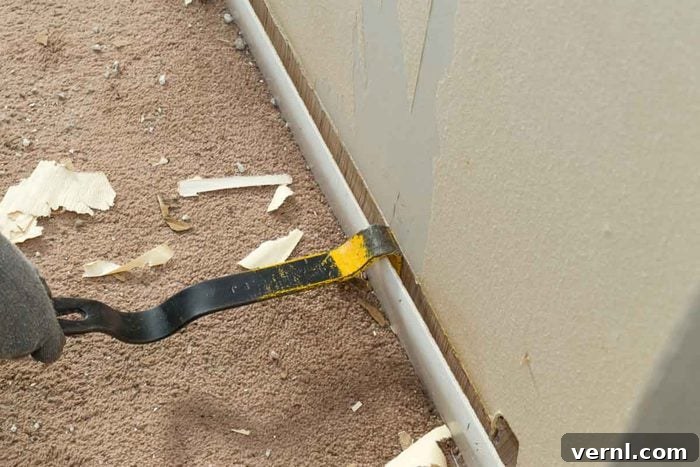
One of the most insidious tactics sellers employ is the outright removal of evidence of damage, making it incredibly difficult for buyers to detect problems. This could involve removing water-stained drywall, replacing termite-damaged baseboards, or clearing away damp cardboard boxes that once hinted at a leaky basement. The goal is to eliminate any visible trace of issues like water damage from leaks, termites, rodents, or structural deficiencies, creating a seemingly clean slate.
Because there’s no way to detect issues if the physical evidence has been removed, buyers must rely on advanced detection methods and the expertise of their home inspector. Gromicko strongly suggests hiring an inspector who utilizes an infrared camera. “An infrared camera can detect mold, overheated wires, termite damage and water damage,” he explains. These thermal imaging devices can identify subtle temperature differences that indicate moisture behind walls, pest activity, or electrical hotspots, even when no visible signs are present. Other tools like moisture meters and boroscopes (small cameras on flexible tubes) can also be invaluable in probing areas where evidence might have been removed, offering a glimpse into areas that are otherwise hidden from plain sight.
9. Playing “Dumb”
Another common tactic is for sellers to feign ignorance about key aspects of the home’s history or maintenance. You might encounter statements like “I can’t remember when the roof was replaced,” “I’m not sure about the age of the HVAC system,” or a vague “ballpark guess” that’s intentionally optimistic. Flippers, in particular, often claim they never lived in the house and therefore “don’t know anything” about its systems or past issues, effectively disclaiming any responsibility for disclosures.
This tactic is problematic because it prevents buyers from assessing the remaining lifespan of critical components like the roof, furnace, water heater, and major appliances. Without this information, it’s impossible to budget for future repairs or replacements. In such instances, it’s crucial to push for answers. If the seller genuinely doesn’t know, or refuses to provide details, make sure your home inspector provides a thorough assessment. A skilled inspector can often estimate the age and condition of major systems and structural components, providing an educated guess on when they might need replacement. Additionally, you may consider making specific disclosures or warranties about these components a part of your purchase agreement, or adjust your offer to reflect the increased risk and potential costs of unknown system lifespans.
10. Restricting Access
Perhaps the most blatant red flag a seller can wave is restricting access to certain areas of the home. If a seller prevents you or your home inspector from examining attics, circuit breaker panels, crawl spaces, basements, utility closets, or even behind locked doors, it should immediately trigger extreme caution. Areas like crawl spaces and attics are often where major structural, plumbing, electrical, and pest issues manifest, and restricting access almost always means there’s something significant they are trying to hide.
Any attempt to limit access to any part of the property you are considering purchasing is a serious concern. This is not just an inconvenience; it’s a direct impediment to your ability to perform adequate due diligence. Do not proceed with an offer or close on a home if you or your inspector are denied unfettered access to all areas. Make full access a non-negotiable contingency in your purchase agreement. If the seller remains unwilling to grant complete access, it is a strong indicator that the hidden problems could be substantial and costly. In such cases, it is often wise to walk away from the deal rather than risk buying a property with potentially catastrophic undisclosed issues.