
As far as I’m concerned, one of the perks of buying a new car is the familiar “new car” smell. I enjoy it, though some people describe it as a strong mix of industrial chemicals. Either way, that scent fades over time, and most later odors in a vehicle are introduced by items owners bring inside. Still, many drivers notice unusual smells that seem to originate from the car itself and wonder whether they indicate a problem.
“If you’re noticing a strange smell,” says automotive repair technical advisor Steve Haney, “it’s usually a sign that something within the car needs attention. Like most vehicle issues, these problems shouldn’t be ignored. The longer you wait, the more complex and expensive the issue becomes to fix. And depending on the smell, you could be causing extensive damage to the engine.”
In this article, Haney and automotive information provider Jon Vorisek explain common car odors, likely causes, and what they might mean for your vehicle.
Why Paying Attention to Smells Matters
Most modern cars have sophisticated diagnostics that monitor systems for faults, but they don’t catch everything. Human senses still provide valuable information. “Smells in particular can tell us a lot about what’s happening, and they often mean there’s a problem,” Vorisek says. Recognizing and addressing odors early can prevent more serious and costly repairs.
How to Diagnose a Car Smell
Diagnosing unusual smells starts with being observant: identify the scent, try to locate its source, and look for visible signs like leaks or smoke. Sometimes you can trace a smell yourself by checking under the hood, inspecting beneath the vehicle, or following the odor into the cabin. Other times you’ll need professional help.
For example, if you smell gasoline and see fluid dripping under the car, a fuel-system leak is the likely culprit. If there are no visible drips, the smell might originate in the engine compartment. That could mean a rich fuel mixture, a leaking fuel line, or another mechanical issue that requires a mechanic’s attention.
Common Car Smells and What They Mean
Sweet / Syrup-Like Smell
A sweet or syrup-like odor usually indicates an antifreeze (coolant) leak. Possible sources include a cracked hose, a damaged radiator, or a leaking heater core. Continued driving with a coolant leak can lead to overheating and more serious engine damage.
Burning Oil Smell
A burning oil smell often results from oil contacting hot engine surfaces because of a spill or a failing gasket. While typically not an immediate emergency, persistent oil leaks should be inspected. Severe leaks can pose a fire risk, so have a professional check the engine if you can’t identify the source.
Rotten Egg / Sulfur Smell
A sulfur or rotten-egg odor often points to a failing catalytic converter or problems with the vehicle’s battery. If the smell is strongest at the tailpipe, suspect the catalytic converter; a lit Check Engine Light is common in that situation. If the smell is near the battery, it may be caused by corroded terminals or a leaking battery, and replacement is usually necessary.
Burning Rubber Smell
Burning rubber may come from engine belts, hoses, or other rubber components that are overheating or rubbing against hot parts. It can also stem from tires, brakes, or suspension components—underinflated tires can be an easy suspect to spot. Inspect belts and hoses under the hood and check tire condition and pressure.
Burning Plastic Smell
A burning plastic odor typically indicates an electrical issue. Wiring insulation can melt or burn when a circuit overheats. You may also notice flickering lights or malfunctioning electrical components. Do not delay repairs: electrical problems can escalate into fires and require diagnostic equipment to locate and fix the fault.
Musty / Moldy Smells
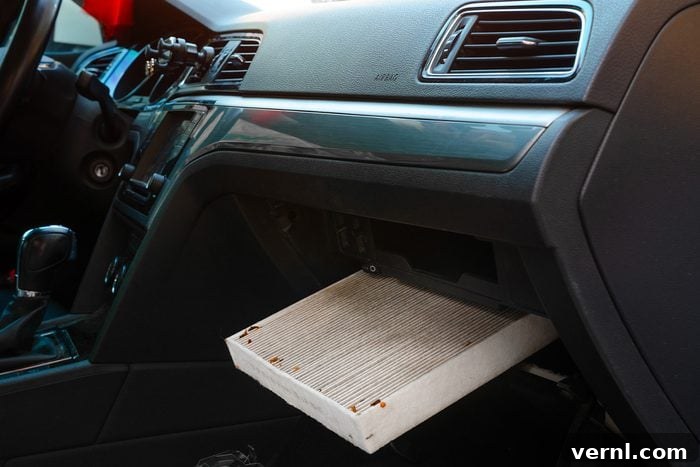
Musty odors are often caused by trapped moisture from leaks or from the HVAC system, especially if the cabin filter is dirty. Water can soak into carpets and padding, creating mold and mildew. While not usually mechanically dangerous, moldy air is unhealthy for passengers, particularly those with respiratory issues, so addressing leaks and drying affected areas is important.
Gasoline Smells
Gasoline odors can indicate a fuel leak, but they may also arise from a loose gas cap or a faulty EVAP system. If there’s no visible leak and the vehicle is running normally, the issue may be minor—but repeated gasoline smells while driving are a health concern and should be inspected promptly.
Preventative Maintenance to Avoid Bad Smells
Regular professional maintenance helps prevent many odor-causing issues. During routine services such as oil and filter changes, technicians can spot developing problems before they worsen. Moisture-related smells are often the easiest to prevent: replace the cabin air filter when needed, keep leaves and debris from accumulating, and clean up spills quickly to allow fabrics to dry.
Vorisek advises maintaining filters and clearing debris to reduce odor risks, while Haney emphasizes that catching issues early saves money and reduces the chance of more serious damage.
FAQ
Is it normal for a car to have any smell?
Once the “new car” scent fades, most vehicles smell relatively neutral. However, a closed cabin traps scents people bring in—groceries, pets, cleaning products, and other everyday items can be noticeable. Unusual or persistent smells, however, often warrant investigation.
Can weather or seasons affect car smells?
Seasonal conditions influence odors. Wet seasons can increase trapped moisture and promote mold, while hot weather intensifies smells and raises the risk of overheating. Heat can amplify coolant, rubber, and plastic odors and exacerbate underlying problems.
About the Experts
- Steve Haney, with over 35 years of hands-on automotive repair experience, serves as a corporate technical trainer at Bosch Mobility Aftermarket.
- Jon Vorisek is the founder of Repair Surge, an automotive service information provider covering thousands of vehicle models, and has more than twenty years in the industry.