
Grow Your Own Sunshine: The Complete Guide to Indoor Lemon Tree Care
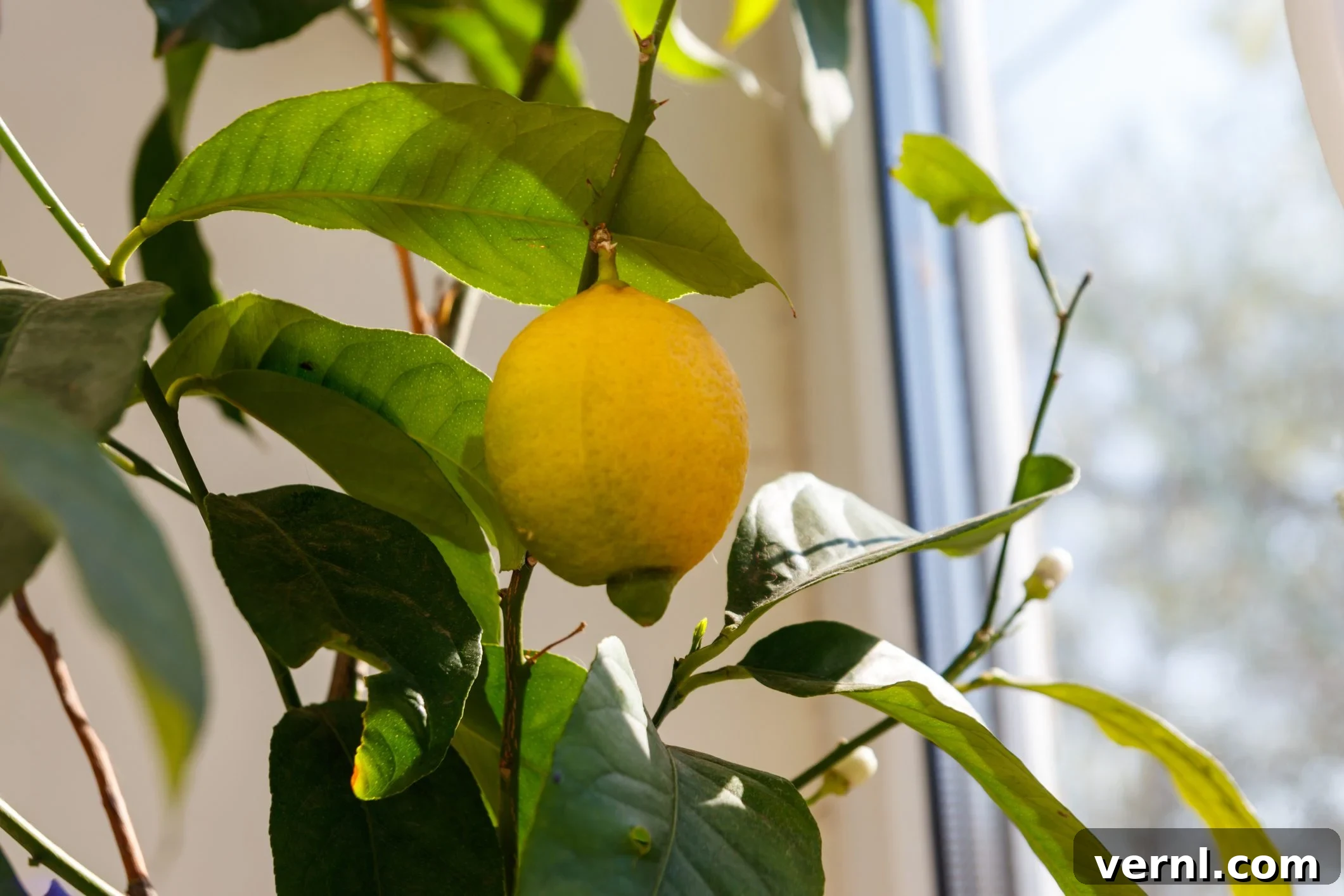
Imagine plucking a fresh, fragrant lemon from your very own tree, right in the comfort of your home. Unless you reside in a perpetually warm climate zone, transitioning your lemon trees indoors for the winter months isn’t just a suggestion—it’s a critical step for their longevity and vibrant health. Far from being a chore, cultivating an indoor lemon tree offers a multitude of rewards. These delightful plants are remarkably easy to care for, introduce a refreshing splash of glossy green to your winter decor, fill your living space with a sweet, intoxicating aroma, and, most excitingly, generously bear delicious fruit year-round!
We’ve consulted with leading horticulture experts to gather their invaluable tips, ensuring you have all the knowledge needed to nurture a robust and fruitful lemon tree right inside your home.
Choosing the Perfect Lemon Tree for Indoor Cultivation
The journey to a successful indoor lemon harvest begins with selecting the right variety. “Given the optimal conditions, few indoor plants can rival the beauty and utility of a lemon tree, offering lovely foliage, shiny green leaves, wonderfully fragrant flowers, and delectable edible fruit,” enthuses Raffaele Di Lallo of Ohio Tropics, a premier online resource for houseplant enthusiasts. “What more could a plant lover ask for?”
Lisa Eldred Steinkopf, the seasoned expert at The Houseplant Guru, underscores the paramount importance of sunlight. “For successful flowering, citrus trees grown indoors demand full, direct sun,” she advises. “Provide adequate light, and your tree will blossom, revealing why it’s such an exceptional houseplant.”
Beyond their practicality, indoor lemon trees offer numerous benefits that make them ideal companions for any home:
- Effortless Growth: With the right environment and consistent care, lemon trees thrive splendidly indoors.
- Lustrous Green Foliage: The leaves of a lemon tree possess a natural sheen, appearing almost as if they’ve been perfectly polished.
- Enchanting Fragrance: “The captivating scent emanating from their blossoms will infuse your entire home with an intoxicating aroma,” says Steinkopf, transforming your space into a sensory haven.
- Abundant Fruit Production: Indoor lemon trees are prolific bearers, often producing ripe fruit up to four times annually, ensuring a steady supply for your culinary adventures.
While standard lemon varieties can reach heights of six to ten feet, dwarf cultivars are specifically bred to maintain a more manageable size, typically leveling off a few feet shorter, making them perfect for indoor settings. When visiting your local garden center, seek expert recommendations for popular dwarf lemon tree varieties. Excellent choices often include the Dwarf Meyer Lemon, known for its sweeter, less acidic fruit, or the Dwarf Ponderosa Lemon, which yields larger, thick-skinned lemons.
Consider other dwarf citrus options as well, such as Dwarf Eureka or Dwarf Lisbon, both classic choices for their tart, juicy fruit. Always inquire about the specific characteristics of the available varieties, including their mature size, fruiting habits, and any unique care requirements, to ensure a perfect match for your indoor gardening aspirations.
Setting Up Your Indoor Lemon Tree for Optimal Success
Once you’ve chosen your ideal lemon tree, the next crucial step is establishing the right environment. Thoughtful setup is key to encouraging vigorous growth and bountiful harvests.
Meeting Lighting and Temperature Demands for Indoor Lemon Trees
When it comes to indoor lemon trees, sunlight is non-negotiable. Think of it as their lifeblood. “Here Comes the Sun” should be your guiding melody as you scout for the perfect, brightest spot in your home. These sun-worshippers require consistent light to truly flourish, making meticulous lemon tree maintenance indoors a rewarding endeavor.
Di Lallo strongly recommends positioning your lemon tree in the sunniest window available. For those in the Northern Hemisphere, an unobstructed southern-facing window is unequivocally the best choice, providing the most intense and prolonged direct sunlight. Should a southern exposure not be feasible, he notes that “an eastern- or western-facing window would be the next best alternative,” offering several hours of direct morning or afternoon sun, respectively.
Lemon trees generally need a minimum of 6-8 hours of direct sunlight daily to produce flowers and fruit. If natural light is insufficient, Steinkopf advises supplementing with a high-quality grow light positioned directly above the tree. Modern LED grow lights are energy-efficient and highly effective. Ensure the light covers the entire canopy of the plant. To promote uniform growth and flowering across all branches, “remember to rotate your plant frequently,” she emphasizes. “Without regular turning, only one side of the plant may receive enough light to bloom and bear fruit.”
As spring transitions into warmer weather, typically after the last frost risk has passed and outdoor temperatures consistently stay above 50°F (10°C), your lemon tree will greatly benefit from a move outdoors. However, this transition requires careful acclimation. “When relocating your plant from the controlled indoor environment to the intense outdoor light, gradual acclimation is absolutely essential to prevent severe leaf burn,” Di Lallo cautions. “Begin by placing your lemon tree in full shade outdoors for approximately one week. Over the subsequent few days, progressively increase its exposure to direct sunlight, slowly moving it into brighter spots, until it is comfortably situated in a location receiving full sun.” This “hardening off” process allows the plant’s leaves to adjust to the stronger UV rays, wind, and temperature fluctuations.
Conversely, as autumn approaches and temperatures begin to dip, bring your lemon tree back inside before the first forecast of freezing temperatures. Lemon trees are tolerant of a broad range of indoor temperatures. Generally, if your home’s thermostat is set at a comfortable range for human occupants and pets—typically between 60°F (15°C) and 75°F (24°C)—your lemon tree will thrive. Avoid placing your tree near drafty windows, heating vents, or exterior doors where it might experience sudden temperature shifts, as this can cause stress and leaf drop.
Optimal Pot and Soil Choices for Your Lemon Tree
When cultivating any plant indoors, particularly a tree, its entire survival hinges on the choices you make regarding its environment. Selecting the right type of pot and soil is fundamental for your lemon tree’s long-term health and productivity.
Begin your setup with an unglazed clay pot, often referred to as terra-cotta. “Terra-cotta pots are exceptionally beneficial for citrus plants because their porous nature allows for superior airflow, delivering more oxygen directly to the root system,” Di Lallo explains. “Citrus plants are notoriously susceptible to root rot, a common issue caused by various pathogens. The excellent aeration provided by terra-cotta significantly mitigates this risk.” The inherent evaporative properties of terra-cotta also play a crucial role in managing soil moisture, an advantage we’ll delve into further when discussing watering techniques.
While the instinct might be to purchase a pot much larger than your current tree anticipates future growth, it’s best to resist this urge. Instead, opt for a container that is “just big enough for the tree and its existing root system.” This might seem counterintuitive, but it’s a critical strategy for citrus health.
Due to citrus trees’ susceptibility to root pathogens, Di Lallo stresses the importance of keeping them “slightly under-potted” to ensure the potting mix can dry out thoroughly between waterings. Transplanting your lemon tree into a pot that is too large, a process known as “up-potting” prematurely, often results in the soil remaining excessively wet for prolonged periods. This creates an anaerobic environment that actively encourages the proliferation of harmful fungi and bacteria, drastically increasing the risk of root disorders, including the dreaded root rot.
When your citrus plant eventually becomes root-bound—a sign that its roots are circling the inside of the pot and it genuinely needs more space—it’s crucial to only increase the pot size incrementally. “Anytime your citrus has become root-bound and requires a larger pot, advance by only one pot size,” Di Lallo advises. “For instance, if your lemon tree is currently in a four-inch diameter pot and needs to be repotted, select a six-inch pot, not an eight or ten-inch one.” This gradual approach allows the root system to expand into fresh soil without being overwhelmed by an excessive volume of moisture-retaining potting mix. To facilitate easier rotation and movement of your increasingly heavy plant, especially when it needs to be moved outdoors or turned for even light exposure, consider adding a wheeled plant caddy beneath the pot.
Complementing the right pot, your lemon tree absolutely requires a well-draining potting mix. This is paramount for the same moisture regulation and root rot prevention concerns. Both Di Lallo and Steinkopf highly recommend using potting mixes specifically formulated for citrus plants, as these are designed with the ideal balance of aeration and moisture retention. If a specialized citrus mix isn’t available, an all-purpose potting mix can be adapted. However, Di Lallo cautions that it must be made more porous by incorporating soil amendments like perlite, pumice, or even pine bark fines. These additives improve drainage and aeration significantly. Additionally, the ideal soil pH for a healthy lemon tree falls between 5.5 and 6.5, a slightly acidic range that facilitates optimal nutrient uptake. Regular monitoring and occasional adjustment of soil pH may be necessary.
Watering and Fertilizing Lemon Trees Indoors
“Citrus can be a bit particular when it comes to its water requirements,” remarks Steinkopf. The key to successful watering lies in a delicate balance: the roots must remain relatively dry to prevent fungal issues, but you must never allow the soil to completely dry out, especially during critical periods like flowering. “If the soil becomes too dry while the tree is blooming, the flowers may wilt prematurely and even fall off,” she explains, “thereby preventing any fruit from setting.”
This is where a terra-cotta pot proves especially useful. Its porous walls allow for visual cues regarding soil moisture; the bottom of the pot will appear darker and feel cooler to the touch if the soil within is still moist, gradually lightening as it dries. Di Lallo advises waiting until the top inch or two of the potting mix feels dry to the touch before watering thoroughly again. When you do water, do so slowly and deeply, allowing water to drain out of the bottom of the pot. Ensure you discard any excess water collected in the saucer to prevent the roots from sitting in standing water.
“It is generally safer to err on the side of keeping your plant slightly on the drier side,” he suggests. “However, make every effort to avoid letting the potting mix become completely bone dry to the point where the plant visibly wilts, as this extreme stress can cause irreversible damage.” Adjust your watering frequency seasonally; lemon trees typically require less water in the cooler, darker winter months when their growth slows down.
How to Fertilize a Lemon Tree for Abundant Fruit?
If your goal is to enhance the yield and quality of your homemade lemons, regular fertilization is not just a good idea—it’s essential. Strategic feeding will not only stimulate more prolific fruit production but also contribute significantly to the overall health, vigor, and lushness of your lemon tree.
Considering that you will eventually consume the fruits of your labor, Di Lallo strongly recommends opting for an organic granule fertilizer specifically formulated for citrus plants. These fertilizers typically offer a balanced nutritional profile with essential micronutrients that are vital for citrus health. “Simply sprinkle the recommended amount of granules evenly onto the surface of the potting mix, gently incorporate it into the top layer of soil, and then water thoroughly,” he instructs. This method allows the nutrients to slowly release into the soil as you water, providing a consistent supply to the roots.
Di Lallo advises initiating your fertilization regimen in the spring. This timing coincides with the plant’s natural growth cycle when it begins to “flush” with new foliage and develop its first wave of fragrant flowers. Continue fertilizing consistently throughout the growing season, which extends through early autumn, adhering strictly to the dosage and frequency instructions provided on your chosen fertilizer label. Generally, citrus trees benefit from feeding every 4-6 weeks during active growth. As winter approaches and growth naturally slows, reduce or cease fertilization until the following spring.
By following this careful watering and feeding schedule, your lemon tree will be perfectly primed for its indoor winter stay, ready to offer cheerful color, delightful fragrance, and the unparalleled satisfaction of fresh, home-grown fruit all season long.
Essential Pruning and Pollination for Indoor Lemon Trees
Beyond watering and feeding, two often-overlooked aspects of indoor lemon tree care are crucial for maximizing health and fruit production: pruning and pollination.
The Art of Pruning Your Indoor Lemon Tree
Pruning is vital for maintaining the shape, size, and health of your indoor lemon tree, as well as encouraging better air circulation and more fruit. The best time to prune is in late winter or early spring, just before the vigorous new growth cycle begins. Start by removing any dead, diseased, or crossing branches to improve light penetration and prevent fungal issues. You can also prune to maintain a desired shape, whether a compact bush or a small tree form. Pinching back new growth on young trees can encourage bushiness and more branching. Always use clean, sharp pruning shears to make clean cuts, which heal faster and reduce the risk of infection.
Hand Pollination for Indoor Lemon Fruit
Unlike outdoor lemon trees, which rely on bees and other insects for pollination, indoor trees lack these natural helpers. Therefore, manual pollination is often necessary to ensure fruit set. When your tree is in bloom, gently use a small, soft paintbrush or a cotton swab to transfer pollen from one flower to another. Swirl the brush inside each flower, gently dabbing the pollen-laden anthers (the male parts) and then transferring that pollen to the sticky stigma (the female part) in the center of the same or different flowers. Repeat this process every few days while the tree is actively flowering to significantly increase your chances of successful fruit development.
Troubleshooting Common Indoor Lemon Tree Issues
Even with the best care, indoor lemon trees can sometimes encounter issues. Understanding how to diagnose and address these problems promptly is key to maintaining a healthy, vibrant plant.
Yellowing Leaves: A Common Indicator
Yellowing leaves, also known as chlorosis, are a frequent concern for indoor lemon tree owners and can signal several underlying problems. The most common cause is often related to improper watering—either overwatering or underwatering. To address this, rigorously adhere to your watering routine, only watering when the top one to two inches of soil are dry. Overwatering can lead to root rot, which impedes nutrient uptake and causes yellowing. Nutrient deficiencies, particularly a lack of iron, nitrogen, or magnesium, can also cause leaves to yellow. If the edges or veins turn yellow while the rest of the leaf remains green, it might be a magnesium deficiency, which can sometimes be alleviated by adding a small amount of Epsom salt (magnesium sulfate) to your watering schedule. Ensure your fertilizer provides a complete spectrum of micronutrients. Temperature fluctuations or insufficient light can also stress the plant, leading to discoloration.
Leaf Drop: A Sign of Stress
Leaf drop can be alarming and, if not addressed quickly, potentially fatal for your lemon tree. This problem typically indicates significant environmental stress. The primary culprits include sudden changes in light intensity (e.g., moving the tree to a much darker spot), drastic temperature fluctuations, or inconsistent watering (both too much and too little). To mitigate leaf drop, ensure your plant is situated in a consistent, bright location, ideally receiving 6-8 hours of direct sun daily, and strictly maintain a well-established watering routine. Keep the ambient temperature stable, avoiding cold drafts or extreme heat. Severe pest infestations can also trigger leaf drop, so inspect your plant thoroughly for any signs of pests.
Managing Increasing Pests: A Proactive Approach
Where there is greenery, pests are an ever-present and very real possibility. Indoor lemon trees are particularly susceptible to common houseplant pests such as spider mites, mealybugs, scale insects, and aphids. Early detection and consistent treatment are crucial. To deal with these unwelcome guests, regularly inspect the undersides of leaves and stems. For initial infestations, gently wipe the leaves with a damp cloth or a cotton swab dipped in rubbing alcohol to physically remove pests. For more persistent issues, treat your plant with neem oil, an organic insecticide and repellent, by thoroughly wiping down all leaf surfaces. It’s also wise to isolate any infested plant from your other houseplants in a non-humid spot to prevent further spread and promote faster recovery. Consistent application of neem oil or insecticidal soap every 7-10 days until the pests are gone is often necessary.
Brown Leaves: Understanding the Cause
Brown leaves on your lemon tree can result from several factors. One common cause is salt buildup in the soil, which can occur from concentrated fertilizers or municipal tap water over time. To prevent this, make sure to “flush” your soil every month or two: water the plant deeply and slowly for several minutes, allowing a significant amount of water to drain out, which helps wash away accumulated salts. Nutrient burn from over-fertilization can also cause brown, crispy leaf tips. Another reason for brown leaves, particularly dry, crispy tips, is often low humidity, especially prevalent in heated indoor environments during winter. To combat this, mist the leaves regularly with water, or place the pot on a humidity tray filled with pebbles and water (ensuring the pot itself doesn’t sit in the water). Underwatering can also lead to brown, shriveled leaves, emphasizing the importance of consistent moisture.
Frequently Asked Questions About Indoor Lemon Trees
What type of lemon tree is best suited for growing indoors?
While standard lemon trees can certainly grow indoors and look magnificent if you’re fortunate enough to have soaring ceilings, dwarf lemon trees are overwhelmingly the best and most practical choice for indoor cultivation. These specially hybridized plants are specifically bred to remain compact and respond exceptionally well to indoor care conditions and typical household atmospheres. Their manageable size, combined with their propensity to produce fruit indoors, makes them the superior option for most home gardeners. Always remember to consult with a horticultural expert at your local nursery before making a purchase to ensure you select a variety perfectly matched to your specific environment and expectations.
How much sunlight does an indoor lemon tree truly need to thrive?
To ensure robust growth, vibrant foliage, and consistent fruit production, your indoor lemon plant must receive a minimum of 6 to 8 hours of direct, uninterrupted sunlight each day. This intense light exposure is absolutely critical for the photosynthesis process, which fuels the plant’s energy production and ensures its supremely stable and healthy growth. Since sunlight patterns can vary throughout the day and with seasons, make it a habit to regularly rotate and occasionally reposition your lemon tree. This ensures all sides of the plant receive adequate light, promoting balanced growth and maximizing its potential to shine and yield beautiful fruit.
Can an indoor lemon tree genuinely produce fruit?
Absolutely! This is, without a doubt, one of the most compelling and rewarding reasons to welcome a lemon tree into your home. Indoor lemon trees are fully capable of producing delicious fruit. However, it’s important to set realistic expectations; the overall production might be slightly lower than what an outdoor tree in an ideal climate would yield. The quantity and quality of fruit produced depend on a multitude of factors, including the specific variety of the plant, its mature size, the amount and quality of light it receives, your diligent care routine (watering, fertilizing, pruning), and whether manual pollination is performed. With proper care, you can look forward to a regular supply of fresh, homegrown lemons.
About Our Esteemed Experts
- Raffaele Di Lallo, founder of Ohio Tropics, is a highly regarded online houseplant resource. He has personally researched, cultivated, and expertly nurtured a vast array of indoor plants, offering practical and insightful guidance to enthusiasts worldwide.
- Lisa Eldred Steinkopf is the distinguished resident expert at The Houseplant Guru. With a passion for botanical experimentation, she frequently explores innovative methods for successful indoor plant cultivation and care.
Sources:
- Martha Stewart: “How to Grow a Lemon Tree Indoors for Delicious Citrus Year-Round”
- Birds & Blooms: “How to Grow an Indoor Lemon Tree”