
How to Know If Redistricting Affects You
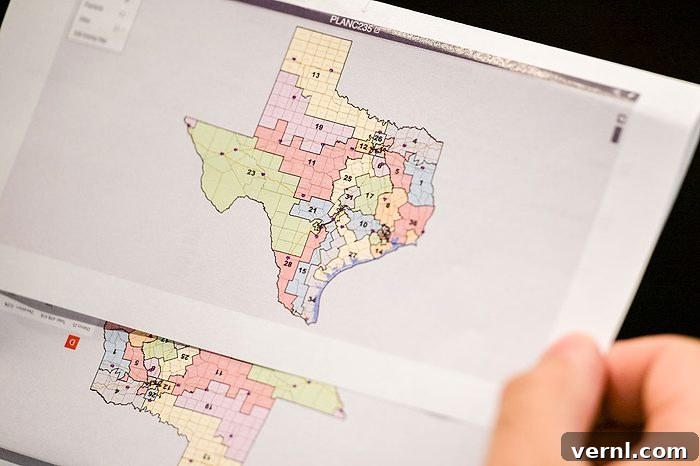
Redistricting is a term that has been appearing frequently in news reports, social media conversations, and community discussions. While it may sound technical, the concept is straightforward: redistricting adjusts the boundary lines that determine which voters are assigned to particular political districts. Even if your home, street address, and ZIP code remain the same, the lines on a map can move — and that can change the contests that appear on your ballot.
Because boundary changes can shift your home into a different congressional, state legislative, or local district, it’s important to confirm which districts you’re currently in before an election. Doing so ensures you know which candidates and measures you will be voting on, where to vote, and whether any notices you received are accurate.
How Redistricting Can Affect Your Home and How to Check
Redistricting is the process of redrawing district boundaries used for elections. Maps are updated periodically to reflect changes in population, legal rulings, or legislative decisions. When those maps are redrawn, a residence that was once in one district can be reassigned to another. That shift can change your federal, state, or local representation and alter the selection of candidates or ballot measures you will see on Election Day.
Because of these potential changes, it’s a good idea to verify your assigned polling place and district information before heading to the polls. Election officials and civic resources often recommend checking your polling location ahead of time — even if you haven’t moved. While some voters receive mailed voter information cards or notices when boundaries change, not everyone receives direct notice, so it’s best not to rely solely on mail delivery.
How to Confirm Your Ballot and Get Help
Your state or local election office is the most reliable source for up-to-date information about your precinct, assigned district, and polling place. Many states and counties provide online lookup tools where you can enter your residential address to confirm your registration details and current districts. These tools typically require you to enter an address and may ask for additional information to verify identity, such as a name or date of birth.
When you use these official tools you can usually find the following information: the precinct where you vote, the polling location for your precinct, the congressional and state legislative districts that include your address, and any local districts or special election jurisdictions that apply to you. If anything appears missing or incorrect, contact your county or city election office directly to have the record reviewed and corrected if necessary.
For voters who want additional confirmation of what will appear on their ballot, many jurisdictions publish official sample ballots prior to elections. A sample ballot shows the specific races, candidate names, and ballot measures that will be available to voters at a particular address or precinct. Reviewing a sample ballot in advance helps you prepare for Election Day and reduces the chance of surprises at the polling place.
If you have moved recently — even across town or across state lines — double-check your registration and district information. Moving may change not only your address but the set of offices and representatives you are eligible to vote for. If you’ve moved to a new state, you will need to register in that state according to its rules and deadlines to participate in upcoming elections there.
When in doubt, calling your local election office or visiting its official website is the best way to get accurate guidance. Election officials can confirm registration status, explain how redistricting affects specific addresses, provide sample ballots, and direct you to the correct polling location and hours. Verifying this information ahead of Election Day helps ensure you can vote confidently and without unexpected issues.
Sources and Where to Find Help
For official information, consult your state and local election offices and the federal resources that list state election contacts and services. Useful resources include the U.S. Election Assistance Commission, directories of state and local election offices, tools to find your polling place, guidance on sample ballots, and the congressional representative lookup service. The U.S. Census Bureau also provides information about redistricting data programs and the role of population data in drawing district boundaries.