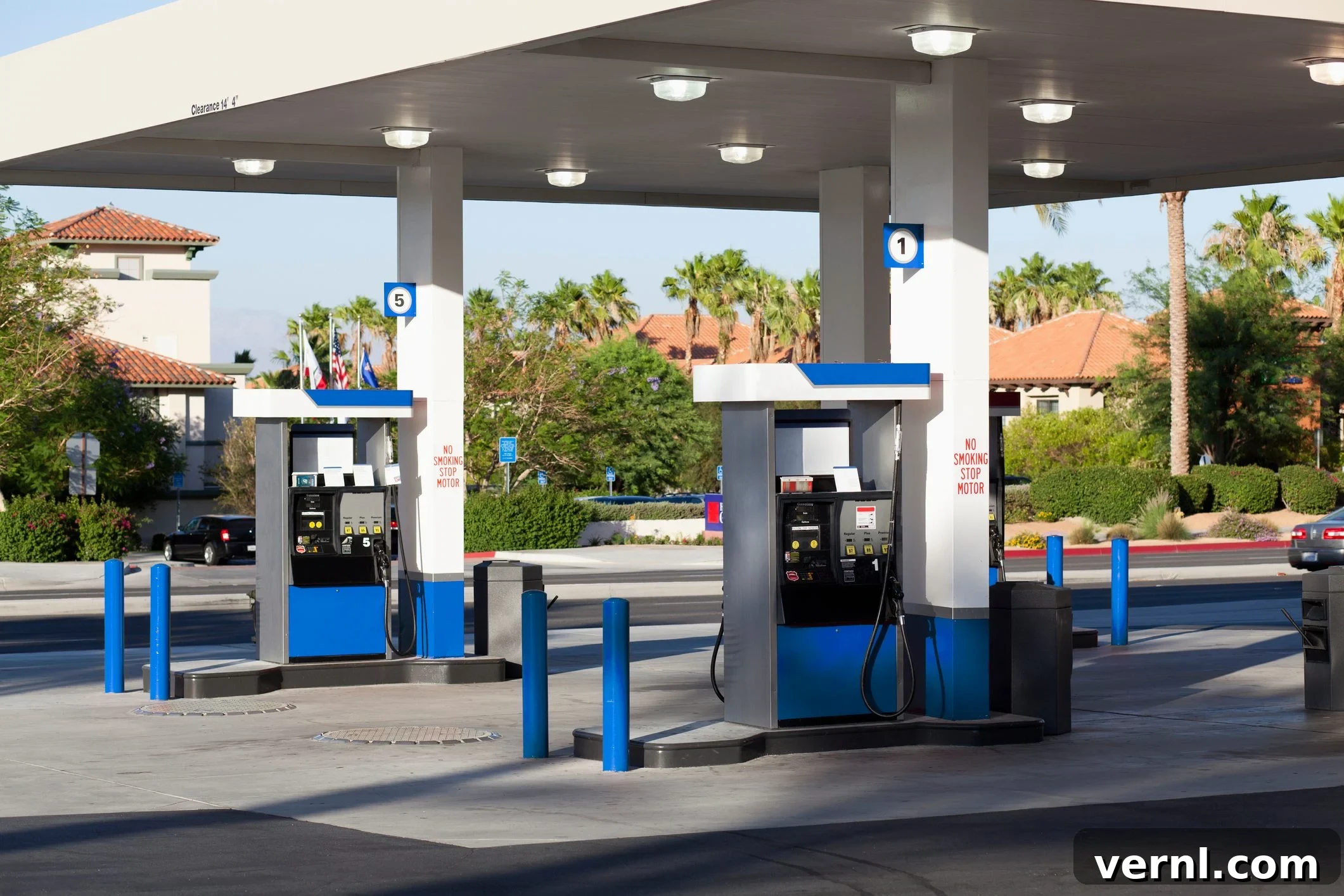
The rumor mill churns constantly, and one popular automotive conspiracy theory suggests that gas stations “water down” their fuel. While the idea of a local station intentionally diluting gasoline with water might spark curiosity, the reality is far less dramatic – and much more complex. Modern gasoline is a carefully engineered blend, and while water isn’t an intentional additive, a host of other compounds play a critical role in your vehicle’s performance and the longevity of its engine.
“Today’s fuel is altered in a way that it can have a great impact on your vehicle’s performance and durability,” explains Alan Gelfand, owner of German Car Depot. With extensive experience servicing high-performance vehicles, Gelfand observes firsthand how the right fuel can significantly extend an engine’s life, while the wrong choices can lead to premature wear and costly repairs. Understanding these additives is crucial for every vehicle owner.
Let’s dive deep into the world of gasoline additives, separating myth from reality and exploring their profound effects on your cherished vehicle.
Do Gas Stations Add Water to Gasoline? Dispelling a Common Myth
The short and definitive answer is no, gas stations do not intentionally add water to gasoline. From a practical standpoint, water neither burns nor mixes effectively with fuel, making it a counterproductive and damaging contaminant. Attempting to “water down” gasoline would quickly lead to severe engine problems for customers, making it a self-defeating and illegal business practice.
However, water can and sometimes does unintentionally find its way into gasoline. Common culprits include condensation forming inside large underground storage tanks due to temperature fluctuations, or leaks within these tanks or their associated piping systems. Even minimal amounts of water in your fuel can be detrimental, leading to issues like fuel system corrosion, engine misfires, reduced lubrication, and in severe cases, fuel pump failure or significant damage to fuel injectors. This highlights the importance of regular fuel filter maintenance and buying gas from reputable stations that ensure their tanks are well-maintained and free from water contamination.
Can Gasoline Be Diluted With Other Additives? The Truth About Modern Fuel
Yes, gasoline is frequently and intentionally “diluted” or, more accurately, blended with a variety of additives. However, unlike water, these substances are carefully formulated to enhance fuel quality, improve vehicle performance, reduce emissions, and protect your engine. Far from being a negative, these beneficial additives are essential for modern vehicles.
“In fact, the best gas for your vehicle has additives,” confirms Melanie Musson, an auto industry expert with Autoinsurance.org. She emphasizes the tangible benefits: “For example, cars that use only gas from Top Tier stations have better performance and reliability than cars that use gas that doesn’t have the additives.” Top Tier gasoline goes above and beyond the minimum quality standards set by the Environmental Protection Agency (EPA), incorporating higher concentrations of essential detergents and other protective agents.
One notable exception to the general rule of beneficial additives is ethanol, as explained by Chris “Moose” Pyle, a master-certified technician with JustAnswer. While ethanol does offer certain advantages, it also comes with caveats. “Ethanol does not make as much power as gasoline, so even though it is a tad cheaper to buy, you get fewer miles per tank, so the benefits are not really there,” Pyle notes. This lower energy density means you might save a few cents at the pump, but your effective fuel economy could decrease, potentially negating any cost savings and sometimes even leading to a net loss.
How Do Additives Impact Gas Quality and Engine Longevity?
The impact of additives on gasoline quality and, consequently, on your engine’s health and performance, is significant. “They impact it big time,” states Alex Black of EpicVIN. “Good additives maintain your engine, keeping it clean and running smoothly, and even improve mileage by a little. Bad or missing additives cause deposits and reduce performance.”
High-quality additives are formulated to perform several critical functions: they clean vital engine components, prevent harmful deposit buildup, inhibit corrosion within the fuel system, and improve fuel stability. These actions collectively lead to better fuel efficiency, smoother engine operation, reduced emissions, and a longer lifespan for your vehicle. Conversely, using fuel lacking these crucial additives can lead to carbon buildup on intake valves and fuel injectors, decreased engine power, rough idling, increased exhaust emissions, and even premature component failure. This underscores the value of investing in quality fuel with a robust additive package.
As mentioned, ethanol is a common additive that warrants special consideration. “Not all cars, boats and small engines can use high levels of ethanol,” Pyle cautions. Its unique properties, while beneficial in some aspects, can pose challenges for certain engine designs and older vehicles, necessitating careful fuel choice.
Essential Additives in Your Gasoline: A Detailed Look
Ethanol: The Double-Edged Sword
Ethanol, an alcohol-based fuel, is one of the most prevalent additives in gasoline, with the overwhelming majority of fuel sold in America containing up to 10% ethanol (E10). It serves as a cleaner-burning fuel, contributing to decreased emissions and extending overall fuel supplies by acting as a renewable component. It also boosts octane, which can improve engine performance and reduce knocking.
However, ethanol’s properties present significant drawbacks for certain engines and fuel systems. Black explains that it “is also a moisture absorber, so it can destroy older engines, boats and smaller equipment like lawnmowers.” This hygroscopic nature means ethanol readily absorbs and holds water, which can lead to phase separation in fuel tanks (where water and ethanol separate from gasoline), causing rust and corrosion. Furthermore, ethanol can degrade certain rubber and plastic components commonly found in older fuel systems, leading to leaks and fuel delivery issues. Its lower energy content compared to pure gasoline also translates to slightly lower miles per gallon (MPG), effectively reducing fuel economy.
How ethanol impacts gas quality: It lowers energy content (and therefore overall MPG) and can create fuel system issues, especially in older vehicles and small engines. Its moisture-absorbing qualities promote corrosion and degradation of certain fuel system materials. “You can actually test the fuel at home with a beaker to see the percentage of ethanol in your fuel,” says Pyle, suggesting it as a quick, easy, and informative project.
Detergents: The Engine Cleaners
Detergents are arguably the most crucial additives for maintaining engine health and efficiency. Their primary role is to prevent and remove carbon deposits from critical engine components, particularly intake valves and fuel injectors. These deposits, if left unchecked, can disrupt the precise spray pattern of fuel injectors, reduce air intake, and lead to decreased fuel economy, power loss, rough idling, and increased emissions.
By keeping these components clean, detergents ensure optimal fuel atomization and combustion, which translates to smoother engine operation and sustained performance over the vehicle’s lifespan. Most Top Tier gas stations incorporate robust detergent packages that significantly exceed EPA minimum requirements, offering superior cleaning power.
How detergents impact gas quality: They maintain engine cleanliness, prevent deposit buildup, and preserve optimal fuel system function, directly improving gas mileage and long-term performance. While using excessively high doses in aftermarket products might occasionally affect lubrication if not properly formulated, the detergents in pump gasoline are carefully balanced to be beneficial.
Corrosion Inhibitors: Rust Protection for Your Fuel System
Corrosion inhibitors are vital for protecting the metal components of your vehicle’s fuel system – including the fuel tank, lines, and injectors – from the damaging effects of rust and oxidation. Water, acids, and even ethanol (due to its hygroscopic nature) can contribute to corrosion, which can lead to clogged fuel filters, damaged injectors, and even holes in fuel lines or tanks. These inhibitors work by forming a protective film on metal surfaces, shielding them from corrosive agents.
They are particularly beneficial for vehicles that are stored for extended periods, used in humid environments, or frequently run on ethanol-blended fuels, as ethanol can accelerate corrosive processes. By preventing rust, corrosion inhibitors ensure the integrity and longevity of the entire fuel delivery system.
How corrosion inhibitors impact gas quality: Black emphasizes that keeping your fuel system free of rust helps maintain gas cleanliness, preventing particulate contamination and preserving fuel system components. This directly contributes to reliable engine operation and avoids costly repairs.
Octane Boosters: Preventing Engine Knock
Octane boosters are additives designed to increase the octane rating of gasoline, which measures a fuel’s resistance to premature ignition (autoignition) under compression. If fuel ignites too early in the combustion cycle, it causes an audible “knocking” or “pinging” sound, known as engine knock or pre-ignition. This phenomenon can lead to power loss, reduced fuel efficiency, and severe engine damage over time.
Compounds like Toluene, often found in octane boosters, help prevent this knocking, allowing the engine to operate efficiently, especially under high load or in high-performance engines. They are particularly beneficial for high-compression engines, turbocharged, or supercharged vehicles that specifically require premium (higher octane) gasoline to prevent detonation and maximize power output. For vehicles not designed to run on premium fuel, adding an octane booster provides no significant benefit and is often a waste of money.
How octane boosters impact gas quality: They improve fuel’s resistance to knocking, enhancing performance and protecting engines designed for higher octane fuels. However, Gelfand points out a negative side: some compounds, such as MMT (Methylcyclopentadienyl manganese tricarbonyl), a common gasoline octane enhancer, can harm spark plugs, oxygen sensors, and catalytic converters over time, leading to costly maintenance and emission control system issues.
Lubricants: Protecting Fuel System Components
While gasoline itself possesses some lubricating properties, certain additives specifically enhance the lubrication within the fuel system. This is particularly crucial for components like the fuel pump, injectors, and the upper cylinder areas where friction can occur. “The ethanol has a tendency to dry out things to some extent, and these keep fuel system parts and seals lubricated,” Black explains.
Ethanol can strip away some of the natural lubricating agents in gasoline, making additional lubricants important, especially in older engines with rubber and plastic components that may not be as resistant to ethanol’s drying effects. By maintaining proper lubrication, these additives help to reduce wear and tear on moving parts, prevent premature failure of seals and O-rings, and ensure the smooth operation of the fuel delivery system.
How lubricants impact gas quality: They help preserve sensitive rubber and plastic parts, especially on older engines, by counteracting the drying effects of ethanol and ensuring all moving fuel system components operate smoothly and efficiently, thereby extending their lifespan.
Fuel Stabilizers: Preserving Fuel Freshness
Fuel stabilizers are indispensable for vehicles and equipment that experience long periods of inactivity. Gasoline, being an organic compound, naturally degrades over time through oxidation, leading to the formation of gums, varnishes, and other deposits. This degradation can cause clogged carburetors and fuel injectors, making starting difficult or impossible, and reducing engine performance.
Fuel stabilizers work by slowing down this chemical breakdown process, ensuring that the gasoline remains viable and effective for extended periods – typically months or even up to a year. They are highly recommended for seasonal vehicles like motorcycles, classic cars, RVs, boats, as well as lawnmowers, generators, and other small engines that may sit idle for a month or two at a time.
How fuel stabilizers impact gas quality: They prevent fuel degradation, gum formation, and varnish buildup, ensuring that stored fuel remains fresh and ready to use, which in turn prevents starting issues and protects delicate fuel system components from damage caused by stale fuel.
Demulsifiers: Separating Water from Fuel
Demulsifiers are critical additives designed to prevent water from mixing or emulsifying with gasoline. While corrosion inhibitors protect against the effects of water, demulsifiers actively work to keep water and fuel separated. This separation is vital because it allows fuel filters to more easily capture and remove water before it can reach and damage the engine. Water in the fuel system can cause significant issues, including engine stalling, misfires, reduced power, and severe corrosion within injectors and other precision components.
By ensuring that water remains in a distinct layer from the fuel, demulsifiers provide an extra layer of protection, especially important in environments where condensation or accidental water intrusion is a risk.
How demulsifiers impact gas quality: Black states that they help avoid stalling or catastrophic engine ruin resulting from water-contaminated fuel. By facilitating water separation, they protect the engine from the myriad problems associated with water in the combustion process.
Fragrance Additives: A Niche Aesthetic
Less common in everyday gasoline, fragrance additives are occasionally found in certain boutique or racing fuels. Their sole purpose is to alter the smell of the exhaust or the fuel itself, offering an aesthetic experience rather than any performance benefit. They do not significantly impact the fuel’s quality or engine performance.
How fragrance additives impact gas quality: They have minimal to no impact on fuel quality or engine performance, serving primarily an aesthetic role.
Cold Flow Additives: Essential for Diesel in Winter
While not directly related to gasoline, cold flow additives are crucial for diesel fuel, particularly in colder climates. Diesel fuel contains paraffin wax, which can crystallize and cause the fuel to “gel” or become cloudy at low temperatures. This gelling can clog fuel filters and lines, preventing the engine from starting or operating properly.
Cold flow additives modify the size and shape of these wax crystals, preventing them from agglomerating and maintaining the fuel’s fluidity even in sub-freezing conditions. This ensures reliable engine function for diesel vehicles and equipment during harsh winters.
How cold flow additives impact gas quality: (Specific to diesel) They ensure diesel fuel remains liquid and pumpable in cold weather, preventing gelling and maintaining engine functionality and reliability.
Dyes: For Regulatory Identification
Fuel dyes are used primarily for identification and regulatory purposes. For instance, off-road diesel fuel is typically dyed red. This dye serves two main functions: it allows for easy monitoring for tax purposes, as off-road diesel is often taxed differently than on-road diesel; and it clearly signifies that the fuel is illegal for use in on-road vehicles. The dyes themselves are inert and do not impact the quality or performance of the fuel in any way.
How dyes impact gas quality: They do not affect fuel quality, performance, or engine function; their purpose is solely for identification and regulatory compliance.
Frequently Asked Questions About Gas Additives
What Additives Does Each Gas Station Use? Decoding Fuel Brands
The brand of fuel you choose can indeed make a noticeable difference in your car’s performance, cleanliness, and long-term reliability. Not all gasoline is created equal, particularly concerning its additive package.
“Gas stations that sell fuel cheap or fuel at a discount are usually giving you the most basic fuel,” explains Pyle. “It is still good fuel and meets the requirements of the law, but may not have additives to help for winter use, nor additives to help clean the fuel system.” While basic fuels are legally compliant, they often lack the advanced detergent formulations and protective agents found in premium or Top Tier fuels.
Conversely, Top Tier certified stations are committed to exceeding EPA standards, incorporating advanced additive packages that offer superior benefits for your vehicle. Here’s a look at some major brands and their notable additive technologies:
- Shell: Known for its “nitrogen-enriched” detergents, Shell V-Power NiTRO+ fuels are designed to actively clean critical engine parts like intake valves and fuel injectors, preventing deposit buildup and enhancing the flow of fuel for optimal combustion and improved engine responsiveness.
- Chevron: Chevron’s Techron additive technology is widely recognized and highly regarded for its comprehensive cleaning capabilities. Gelfand notes that Techron is “widely known for its ability to prevent rust and is recommended for use to avoid clogging of the engines,” effectively protecting the entire fuel system from harmful deposits and corrosion.
- Costco: Despite often being perceived as a discount retailer, Costco gasoline is Top Tier certified, meaning it contains a high level of detergents and other beneficial additives. “Interestingly, Costco uses Top Tier gasoline from other refineries, so the gas at Costco may be exactly the same as the fuel from ExxonMobil, Shell and so on, depending on the location and contract,” Musson reveals. This means consumers can often get premium-quality fuel at a competitive price.
- BP: BP utilizes its “Invigorate” technology, specifically engineered to prevent the formation of deposits on fuel injectors and intake valves. This helps to maintain optimal engine performance, fuel efficiency, and reduce harmful emissions over the vehicle’s lifetime.
- ExxonMobil: ExxonMobil’s Synergy additives claim to enhance mileage by keeping engines cleaner and running more efficiently. Their blend of detergents and friction modifiers works to reduce internal friction and deposit formation, contributing to better fuel economy and overall engine health.
For owners of German cars and other high-precision vehicles, Gelfand offers specific advice: “As for the drivers of German cars, I would suggest using premium fuels with good detergent treatment from good gas stations.” He emphasizes that “Your engine is a delicately constructed unit; therefore, it is important to use the right fuel for your car as opposed to thinking all fuel is the same.” Choosing the appropriate fuel with a robust additive package is not just about performance; it’s about safeguarding the intricate engineering and ensuring the longevity of your vehicle’s engine.
About the Experts
- Chris “Moose” Pyle is a master-certified technician with over 20 years of automotive experience. He has provided expert insights for JustAnswer, the expert on-demand platform, since 2006, guiding countless individuals through complex vehicle issues.
- Alan Gelfand is the esteemed owner of German Car Depot, an independent automotive service center based in Hollywood, Florida. His establishment specializes in the expert service and repair of high-performance German vehicles.
- Melanie Musson is a recognized authority in the auto industry, contributing her expertise to Autoinsurance.org for nearly a decade, where she helps consumers understand complex automotive and insurance topics.
- Alex Black serves as the chief marketing officer at EpicVIN. With more than 15 years of experience as a car expert, he has a rich background working across various sectors of the automotive industry, including car auctions and vehicle history providers.