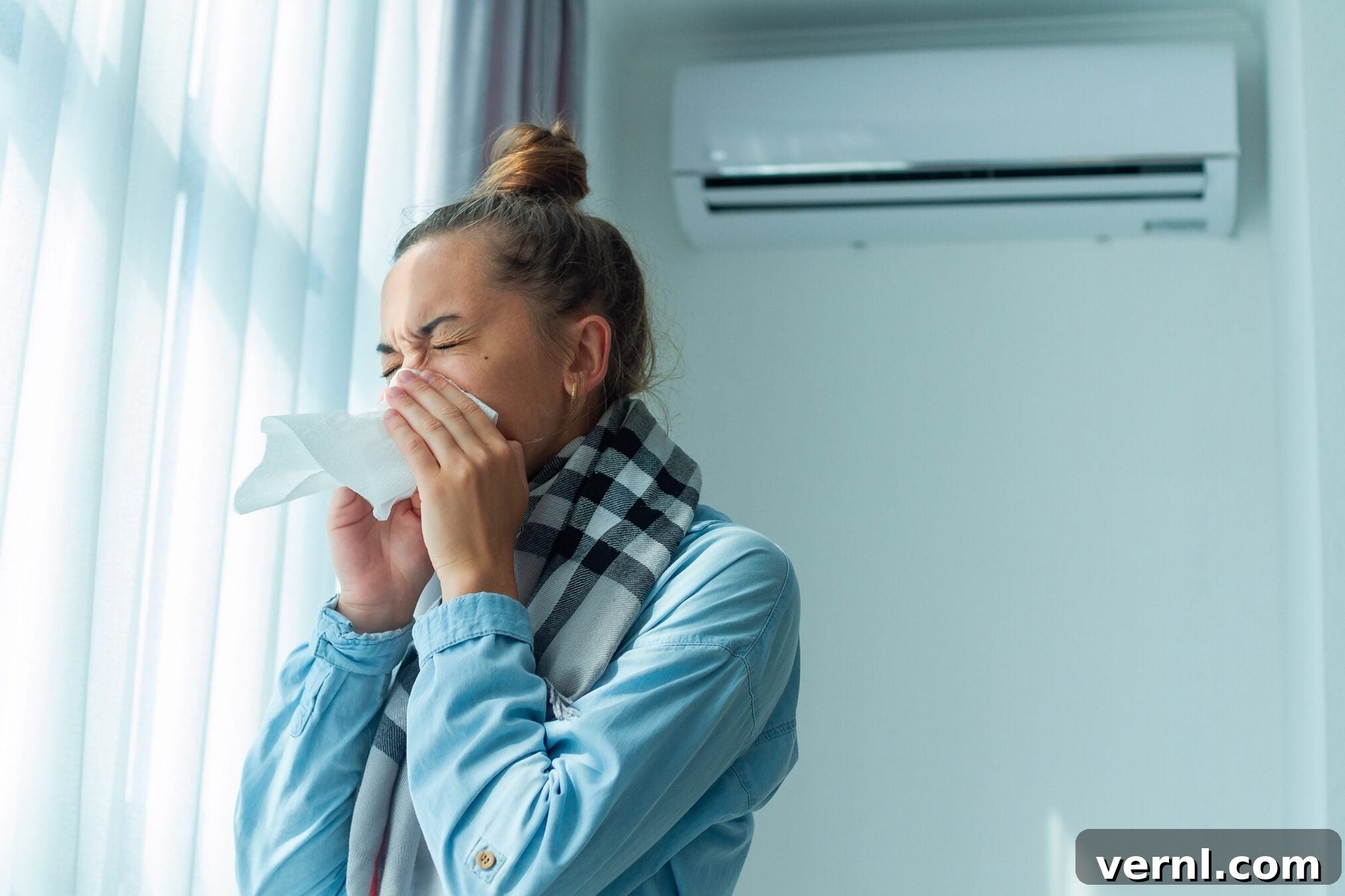
HVAC systems are essential components of modern homes, designed to maintain comfortable temperatures and, ideally, improve indoor air quality. However, when these complex systems are not properly installed, regularly maintained, or correctly operated, they can inadvertently become agents for spreading allergens and pollutants throughout your living space. Instead of acting as air-cleaning allies, a neglected HVAC system can actively degrade the air quality in your home, exacerbating allergy symptoms for residents.
“The impact of poor indoor air quality can manifest in a wide range of symptoms that are often misattributed,” explains Michael Rubino, a leading air-quality expert. “If you’re experiencing persistent fatigue, mental fog, digestive discomfort, skin irritations, unexplained mood swings, or any other chronic symptoms, it’s crucial to consider evaluating your home environment and, specifically, your HVAC system for potential underlying issues.”
Understanding the connection between your heating, ventilation, and air conditioning (HVAC) system and your allergic reactions is the first step toward creating a healthier indoor environment. This comprehensive guide will help you determine if your HVAC system is contributing to your allergies and provide actionable solutions to mitigate these issues, ensuring your home truly supports your well-being.
Why Can HVAC Systems Worsen Allergy Symptoms?
HVAC systems fundamentally operate by circulating existing indoor air; they don’t inherently create “fresh” air. This crucial distinction means they possess a dual capacity: either to effectively filter out microscopic dust, pet dander, mold spores, pollen, and other common allergens, or to indiscriminately distribute these particles throughout every room in your house. The effectiveness of your HVAC in managing allergens hinges entirely on its condition and maintenance.
For instance, consider a typical scenario: “If there are accumulated pet hairs in the living room, dormant mold spores in a damp basement, or pollen tracked into the hallway, the return ducts of your HVAC system are designed to draw in all of that air,” clarifies Russ Teaca, an experienced HVAC specialist. “Consequently, it will then efficiently pick up and transport these various allergens, potentially depositing them into every bedroom, living area, and even the kitchen.”
HVAC systems are particularly prone to exacerbating allergies under several common conditions:
- Accumulated Dust and Debris in Ducts: Over time, air ducts can become repositories for vast quantities of dust, dirt, pet dander, insect remains, and other airborne particulates. When the system activates, these accumulated pollutants can be dislodged and propelled into your home’s atmosphere.
- Mold and Mildew Formation on AC Coils: The cooling coils within your air conditioning unit often become damp due to condensation. This moisture, combined with the presence of dust and biological particles, creates an ideal breeding ground for mold and mildew. As air passes over these contaminated coils, spores can be released and circulated.
- Dirty, Low-Quality, or Improperly Fitted Air Filters: The air filter is your HVAC system’s primary defense against airborne allergens. A filter that is clogged with debris, made from ineffective materials, or poorly installed (allowing air to bypass it) cannot adequately capture particles, leading to their widespread distribution.
The consequences of a poorly functioning HVAC system can be even more pronounced in modern residential and commercial buildings. These structures are frequently designed with advanced sealing techniques to maximize energy efficiency, which is beneficial for utility bills but can inadvertently lead to reduced natural ventilation and a buildup of indoor air pollutants. “This enhanced sealing makes effective filtration absolutely critical,” emphasizes Dr. John McKeon, an allergy and air-quality expert. “Particles that manage to enter these tightly sealed indoor environments may linger for much longer periods if they are not consistently and efficiently removed by the HVAC system.”
How to Tell If Your HVAC System Is Contributing to Your Allergies
Recognizing the signs that your HVAC system might be worsening your allergies is crucial for prompt intervention. Pay attention to these common indicators:
Periodic Congestion and Respiratory Symptoms
One of the most telling signs is a noticeable change in your allergy symptoms when you alter your environment. If you find your nasal congestion, sneezing, or watery eyes improve significantly or disappear entirely when you leave your home, or if your symptoms extend beyond typical seasonal allergy periods, your indoor environment is likely a factor. Furthermore, if your allergic reactions consistently worsen immediately after your HVAC system turns on, it’s a strong indication of a system-related issue.
“I affectionately refer to this phenomenon as the ‘sneezing alarm clock’,” says Teaca. “If you or your children reliably begin to sneeze, cough, or develop stuffy noses shortly after the heat or air conditioning unit kicks into operation, that is an unmistakable and significant red flag signaling a problem with your HVAC system’s air quality.” These symptoms suggest that the system is distributing irritants rather than filtering them.
Dusty Ceiling Fans and Vents
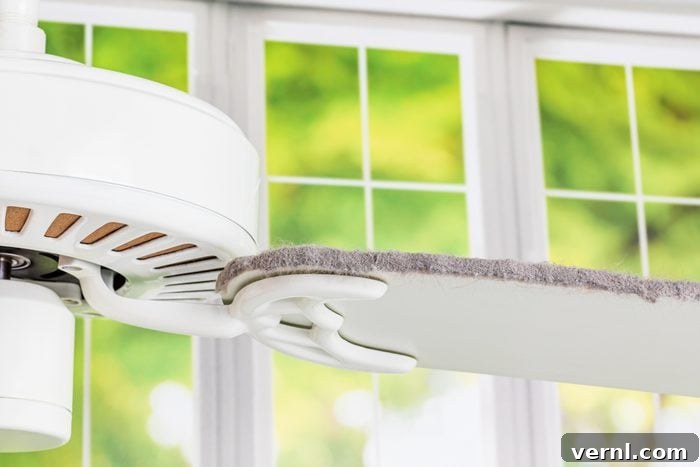
Visibly dusty ceiling fan blades and the louvers of your HVAC vents are often more than just a housekeeping nuisance; they are frequently direct evidence of compromised indoor air quality. Such dust accumulation typically points to dirty HVAC ducts that are recirculating particulate matter, or it could indicate another substantial source of dust within your home that your system isn’t effectively handling. “Moreover, if you notice that dust rapidly reappears on surfaces mere hours or days after you’ve thoroughly cleaned them, it’s a clear signal that your HVAC system is likely failing in its filtration duties and is instead actively redistributing particles throughout your living spaces,” explains Caleb Caviness, an HVAC expert. This constant redistribution prevents surfaces from staying clean and keeps allergens suspended in the air.
Unpleasant Odors
Distinct, persistent odors emanating from your HVAC vents, especially immediately after the unit activates, are reliable indicators that something is amiss within the system. A dusty or stale odor often suggests a significant accumulation of debris within the ducts, or it could mean your air filters are heavily clogged and no longer allowing proper airflow or filtration. “If the air circulating through your home carries a distinct scent reminiscent of a damp basement, particularly during the first 30 seconds after your air conditioning unit cycles on, this is a classic sign of bacterial or fungal growth occurring on the evaporator coils,” Caviness warns. These musty smells are not only unpleasant but also signify the presence of mold spores that can trigger severe allergic reactions.
Weak Airflow and System Strain
A noticeable reduction in the strength of air blowing from your vents, or weak airflow, is a critical symptom of an ailing HVAC system. If you inspect your air filter and find it visibly dirty, dark, or densely clogged with dust and debris, it means the filter is overloaded and can no longer perform its function efficiently. This condition not only severely restricts airflow, leading to uneven temperatures and discomfort, but also allows a greater number of harmful particles to bypass the filter and enter your indoor air. Furthermore, a clogged filter forces your HVAC system to work considerably harder to push air through, leading to increased energy consumption, unnecessary wear and tear on components, and significantly reducing the overall lifespan of the unit.
Effective Strategies to Mitigate HVAC-Related Allergies
Addressing HVAC-related allergies requires a multi-faceted approach, combining regular maintenance with strategic upgrades. Here are the most effective tips:
Use the Correct Air Filter
The air filter is your HVAC system’s first line of defense against allergens. It’s imperative to choose filters with the highest Minimum Efficiency Reporting Value (MERV) rating that your specific HVAC unit is approved to handle. MERV ratings range from 1 to 20, with higher numbers indicating better filtration of smaller particles. Generally, for residential systems, a MERV rating between 11 and 13 offers an optimal balance between superior filtration and adequate airflow. Crucially, never exceed the MERV rating recommended by your HVAC system’s manufacturer, as filters with excessively high MERV ratings can restrict airflow too much, causing your system to overwork and potentially damaging it over time.
Beyond the MERV rating, ensure the filter fits snugly within its slot, leaving no gaps that would allow air to bypass it. Dr. McKeon advises looking for filters certified as Asthma & Allergy Friendly (AAFA) by Allergy Standards Ltd. “Do not rely solely on vague marketing terminology,” he cautions. “Terms such as ‘hypoallergenic’ can be unregulated and lack specific performance criteria, whereas independent certifications like AAFA require rigorous, measurable proof of a product’s effectiveness in reducing allergens.”
Replace Air Filters Regularly
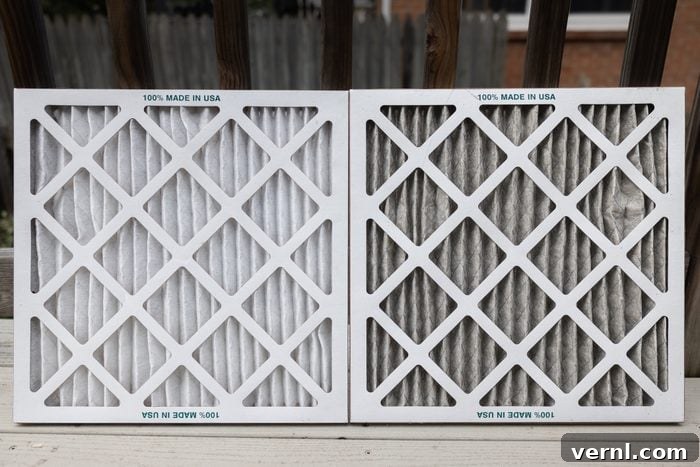
Consistent filter replacement is paramount for maintaining healthy indoor air quality. Always adhere to the replacement schedule recommended by the filter manufacturer, which typically ranges from every 1 to 3 months. However, several factors can necessitate more frequent changes. If you have pets, residents with severe allergies or asthma, or live in an area with high outdoor pollen counts, significant construction, or heavy pollution, consider replacing your filters monthly. Rick Hoskins, an HVAC filter expert, suggests a practical approach: “Set up a recurring reminder on your smartphone or opt for an automatic delivery service from your filter provider to ensure you never miss a crucial replacement date.” A clean filter protects both your health and your HVAC system’s efficiency.
Schedule Professional System Servicing
Regular professional maintenance of your HVAC system is an investment in both your health and the longevity of your equipment. Michael Rubino strongly recommends scheduling this service annually, ideally in the spring before you transition from heating to consistent air conditioning usage. “During this comprehensive service, the technician should not only perform routine checks but also proactively test for the presence of mold, meticulously clean the evaporator coil and blower assembly, inspect and clean the furnace components, and ensure the entire system is operating at peak efficiency,” Rubino explains. Professional servicing can identify and rectify potential issues before they escalate, preventing allergen buildup and costly repairs.
Support Your System with Diligent Home Cleanliness
Your HVAC system’s job of filtering air is made significantly easier and more effective when supported by consistent home cleanliness. By proactively reducing the amount of dust, dander, and other particulates within your home, you lessen the burden on your HVAC unit’s filtration system. “Pay particular attention to soft, fabric surfaces such as curtains, upholstered furniture, and carpets,” advises Hoskins. “These materials act as prime collection points where dust, pet dander, and other allergens readily settle and can be easily stirred back into the air.”
In addition to regular cleaning:
- Keep Windows and Doors Closed: When outdoor air quality is poor due to high pollen counts, pollution, or smog, keep windows and doors securely closed to prevent external allergens from entering your home.
- Strategic Storage: Avoid storing belongings, especially textiles or cardboard boxes, directly near air supply and return vents. Obstructions can impede airflow and accumulate dust.
- Maintain Optimal Indoor Humidity: Aim to keep your indoor humidity levels consistently between 35% and 50%. This range is crucial for preventing the growth of mold, mildew, and dust mites, which thrive in higher humidity environments. A dehumidifier or humidifier can help achieve this balance.
Inspect and Seal Your Ductwork
Over time, most residential duct systems develop leaks, cracks, or loose connections. These imperfections are problematic because they allow unconditioned and unfiltered air to be drawn into your system. “Leaky ducts can suck in dust, fiberglass particles, and other contaminants from dirty crawl spaces and attics, as well as moisture-laden air and potential mold spores from basements,” warns Teaca. This not only introduces allergens directly into your living spaces but also leads to significant energy loss as conditioned air escapes. “One of the most effective things you can do for both your allergies and your energy bill is to meticulously seal your ducts using mastic sealant or heavy-duty foil tape,” he recommends. Properly sealed ducts ensure that only filtered, conditioned air circulates throughout your home.
Consider Strategic Upgrades for Enhanced Air Quality
For those with persistent allergy challenges, upgrading certain aspects of your HVAC system or incorporating supplemental air purification technologies can provide significant relief.
- Whole-Home or Individual Air Purification Systems: Installing a whole-home air purification system, which integrates directly with your HVAC ductwork, or placing individual room air purifiers in key areas, can significantly enhance allergen reduction. These systems often utilize advanced HEPA filters, activated carbon, and other technologies to capture ultrafine particles, volatile organic compounds (VOCs), and odors that standard HVAC filters might miss.
- UV-C Light Installation: Consider having a UV-C germicidal light installed directly over the indoor coil of your HVAC system. “This powerful light actively kills mold, bacteria, and viruses right where they originate – on the wet coil – before they have a chance to enter your air ducts and spread throughout your home,” explains Teaca. Caviness also suggests installing a UV germicidal light inside the air handler for comprehensive microbe eradication.
- Ductless Mini-Split Heat Pumps: For individuals suffering from severe asthma and allergies, switching to a ductless mini-split heat pump system might be a transformative solution. “These systems offer instant and highly effective cleaning and conditioning of the air specifically within the room where they are situated,” Teaca notes. “This targeted approach to air quality is precisely why they have become exceptionally popular in master bedrooms, where occupants require the purest possible air for restorative sleep.” Mini-splits also often feature advanced multi-stage filtration built directly into the unit.
About the Experts
- Dr. John McKeon, MD, is the CEO of Allergy Standards Ltd. (ASL), a core part of the iAIR Group. This international organization is dedicated to advancing healthier indoor environments through rigorous research, the development of robust standards, and comprehensive educational initiatives.
- Michael Rubino is a globally recognized mold and air-quality expert, a passionate environmental wellness advocate, and the founder of HomeCleanse. He is also the innovative creator of the Guardian, which stands as the world’s inaugural indoor air quality security system.
- Caleb Caviness serves as the general manager of AryCo, a respected and comprehensive HVAC, plumbing, and electrical services company based in North Texas.
- Rick Hoskins is a distinguished expert in HVAC air quality and filtration. He is the CEO at FilterKing, a company renowned for providing bespoke filtration solutions for a diverse range of applications, including residential homes, commercial buildings, healthcare facilities, and industrial operations.
- Russ Teaca holds the position of director and lead technician at Reliable Heating and Air, a team of dedicated HVAC specialists proudly serving the communities of Los Angeles and Ventura counties.