
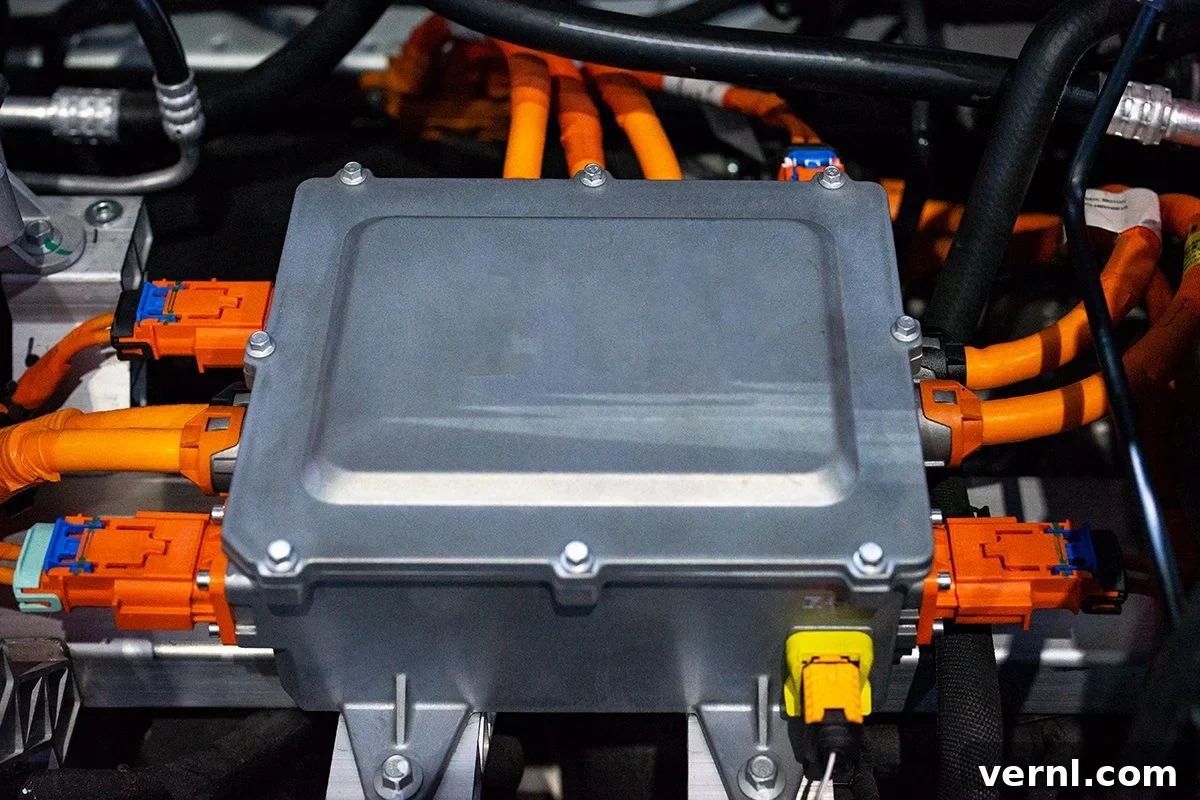
In an age increasingly powered by advanced technology, lithium-ion batteries have become ubiquitous, fueling everything from our smartphones and laptops to electric vehicles and e-bikes. Their impressive energy density and rechargeable nature make them indispensable. However, alongside their convenience, a growing concern has emerged: the risk of lithium-ion battery fires. Recent high-profile incidents, from electric vehicles catching fire after collisions to e-bike shops engulfed in flames, have understandably raised alarms.
It’s natural to feel apprehensive when these incidents dominate headlines, especially as more households embrace electronic devices and electric mobility. This raises a critical question: What is the true extent of the lithium battery fire risk? Are these isolated incidents, or is there an inherent danger we all need to be aware of?
Dr. Xiaoliang Wang, a distinguished expert in lithium-ion technology and a professor of atmospheric sciences at the University of Nevada, Reno, sheds light on the matter. “As the use of lithium-ion batteries increases, we hear more about incidents involving battery fires,” he observes. Unfortunately, Wang confirms that this heightened media attention isn’t mere sensationalism. “Lithium-ion batteries do carry a higher risk of fires than other battery types. This is primarily because these battery cells inherently contain both fuels and oxidizers and are engineered to store a substantial amount of energy within a remarkably small footprint.”
This reality prompts an urgent need for understanding and proactive safety measures. To demystify these risks and empower you to safeguard your home and devices, Dr. Wang and Jason Fladhammer, the director of quality assurance at Batteries Plus, offer their expert insights.
Why Do Lithium-Ion Batteries Catch Fire? Understanding Thermal Runaway
The primary mechanism behind lithium-ion battery fires is a dangerous phenomenon known as “thermal runaway.” Dr. Wang explains, “Thermal runaway occurs when reactions between the components and fuels inside the battery cause the battery temperature to rise uncontrollably.” This isn’t a gradual warming; it’s a rapid, self-accelerating chain reaction. Once initiated, thermal runaway becomes incredibly difficult, if not impossible, to halt, quickly leading to extreme heat, smoke, flames, and potentially explosions.
Several factors can trigger this critical thermal runaway event, as Dr. Wang elaborates:
- Mechanical Damage: Physical trauma to the battery cells, such as punctures, crushing, or significant impacts from a crash, can compromise the internal separators. This allows the anode and cathode to come into direct contact, leading to an internal short circuit. Water intrusion, particularly in the aftermath of a flood, can also trigger internal damage and subsequent thermal runaway.
- Electrical Damage: Issues like external or internal short circuits, overcharging, or excessive discharge can critically destabilize the battery. An electrical short circuit can rapidly generate immense heat within the battery, quickly escalating to a fire or even an explosion. This process often releases highly toxic gases and particulate matter, alongside a substantial amount of heat.
- Overheating: Exposing batteries to high external temperatures, such as direct sunlight, leaving them in a hot car, or charging them under flammable materials (like pillows or blankets), can cause their internal temperature to rise beyond safe operating limits, initiating thermal runaway.
- Overcharging: Continuously charging a battery beyond its full capacity forces more energy into the cells than they can safely store. This can lead to the plating of metallic lithium on the anode, a highly reactive and unstable condition that significantly increases the risk of internal short circuits and thermal runaway.
- Product Defects: Manufacturing flaws, poor quality control, or the use of substandard materials can result in internal imperfections that lead to localized heating or internal short circuits, increasing the inherent risk of fire even under normal operating conditions.
Can Lithium-Ion Batteries Spontaneously Combust When Not In Use?
While the prospect of a dormant battery suddenly igniting can be alarming, experts assure us that spontaneous combustion of properly handled lithium-ion batteries is highly unlikely. “If the batteries are used and stored according to the manufacturer, then lithium batteries are not more likely to catch on fire than other batteries,” affirms Jason Fladhammer. Most incidents attributed to dormant batteries are, in fact, due to improper storage or misuse that occurred prior to storage or during periods of inactivity.
Common scenarios leading to problems include leaving a substandard charger and battery plugged in for extended periods – sometimes days or weeks – without supervision, or placing a charging battery on or under flammable materials like bedding or upholstery. Extreme environmental conditions during storage, such as direct exposure to intense heat or freezing temperatures, can also degrade battery integrity over time, making them more susceptible to failure when later put into use or recharged.
Essential Strategies to Prevent Lithium-Ion Battery Fires in Electronics
Lithium-ion batteries are an ideal power source for a vast array of electronics and power tools, from smartphones and laptops to drills and leaf blowers. Their lightweight nature and impressive energy density make them incredibly efficient. However, it’s crucial not to be complacent based on their size; lithium battery fire risks are not dependent on the physical dimensions of the battery, as they all share similar internal components and chemistry. Safeguarding your home and devices requires consistent vigilance and adherence to proven safety practices:
- Protect the Battery from Physical Damage: Treat your batteries with care. Avoid sudden impacts, drops, crushing, or puncturing the battery casing. Even a seemingly minor external dent can cause internal damage, leading to shorts and thermal runaway. Ensure batteries are stored in a place where they won’t be easily damaged.
- Maintain Optimal Room Temperature: “Do not expose batteries to excessive heat or direct sunlight,” advises Dr. Wang. High temperatures accelerate chemical degradation within the battery and can quickly push it towards thermal runaway. Likewise, avoid charging devices under your pillow, on a bed, or a couch, as these surfaces can trap heat, causing the battery to overheat significantly. Extreme cold can also degrade battery performance and safety over time.
- Always Use the Proper Charger: This is a critical safety rule. Always use the charger that originally came with your electronic equipment. If a replacement is needed, purchase one directly from the equipment manufacturer or a reputable third-party brand explicitly recommended by them. Generic or uncertified chargers may not deliver the correct voltage or current, lack crucial safety features, and can lead to overcharging or overheating, posing a serious fire risk.
- Avoid Deep Draining and Overcharging: While modern batteries and chargers often have built-in protection circuits, it’s best practice to avoid completely draining the battery to zero percent frequently. Similarly, avoid leaving batteries plugged in and charging indefinitely once they reach 100%. Both extremes put undue stress on the battery cells, accelerating their degradation and increasing the potential for hazardous conditions.
- Invest in Reputable, Certified Batteries: “Use batteries recommended by equipment manufacturers and certified by a nationally recognized testing laboratory,” emphasizes Dr. Wang, citing organizations like UL. Fladhammer further advises, “Make sure that the battery is from a reputable supplier and does not have a history of manufacturing defects, poor quality cells or counterfeit cells.” Counterfeit batteries often lack internal safety features, use inferior materials, and can be highly unstable and prone to failure.
Advanced Prevention Strategies for Electric Vehicle (EV) Battery Fires
For electric vehicles, battery safety takes on an even greater dimension. Preventing an EV battery from igniting in your garage or driveway is not just about protecting your substantial investment; it’s vital for safeguarding your entire home and family. While the general safety principles for electronics apply, EVs present unique considerations due to the sheer size and energy density of their battery packs. Here are specific precautions for EV owners:
- Monitor Battery Management System (BMS) Outputs: High-quality lithium-ion batteries in EVs incorporate sophisticated Battery Management Systems (BMS) equipped with multiple safety features, including thermal fuses, pressure vents, and protective circuitry designed to mitigate the risk of fire or explosion. Dr. Wang recommends regularly checking the outputs and alerts from your vehicle’s BMS. Consult your vehicle manual to understand what settings or warnings to look for and how to interpret them.
- Be Mindful of Weather and Surroundings During Charging: “Always charge the battery in a safe environment, specifically avoiding extreme temperatures,” advises Fladhammer. Charging during severe thunderstorms can expose your vehicle to dangerous power surges. Similarly, avoid charging when temperatures are consistently below freezing or soar above 100 degrees Fahrenheit, as these extremes can stress the battery and charging system.
- Heed Any Physical Battery Changes: Pay immediate and close attention to any unusual signs emanating from your EV battery. Dr. Wang lists indicators such as a noticeable “odor, color change, excessive heat, visible swelling of the battery pack, leaking fluids, or popping sounds.” If you detect any of these alarming changes, immediately move away from the vehicle to a safe distance and contact emergency services, such as the fire department, without delay.
- Utilize Approved Charging Equipment: If you own a plug-in EV, always use the charging cable and equipment that came with your vehicle. For home charging installations, ensure you install a listed (certified) 240-volt system that is explicitly approved for your specific vehicle model and meets all local electrical codes. Never be tempted to use illegal, unlisted, or uncertified aftermarket car chargers, which often lack the necessary safety standards and protective mechanisms.
- Prevent Overloading the Charging Circuit: When plugging in your EV, ensure the dedicated charging circuit is not shared with other high-power tools or high-amp equipment. Overloading an electrical circuit can lead to overheating of wiring, tripping breakers, and potentially fire. This is especially critical if you have installed a fast-charging (240-volt) system, which draws significant power. Ensure your home’s electrical wiring is up to code and capable of handling the sustained load.
- Prioritize Regular Maintenance for Battery Health: Consistent maintenance is key to prolonging your EV battery’s life and ensuring its safe operation. Take your car to a qualified EV mechanic or authorized dealer for routine maintenance checks and crucial Battery Management System (BMS) software upgrades. Regularly consult your vehicle manual for the manufacturer’s recommended service schedule, and promptly address any recalls or upgrade notifications related to the battery system.
Responding to a Lithium-Ion Battery Fire: What You Need to Know
Witnessing a lithium-ion battery fire can be a frightening experience, and it’s natural to be hesitant about engaging with one directly. The unique chemical properties of these batteries make firefighting a distinct challenge. As Dr. Wang explains, “Firefighting involves the removal of one or more of the elements of fire: heat, oxygen, or fuel. To fight lithium-ion batteries, one needs to not only put out the flame but also cool the battery to prevent thermal runaway propagation and reignition. However, there are no clear guidelines on fighting lithium-ion battery fires at present for the general public.”
Given the complexity and potential danger, what is the best course of action if you encounter a lithium-ion battery fire? In all circumstances, your immediate first step should be to **call 911 (or your local emergency number) immediately.**
For smaller devices, some guidelines exist. “The National Fire Protection Association (NFPA) recommends using water or water mist to extinguish lithium-ion battery fires and cool the battery,” states Dr. Wang. He notes that for small electronics fires on airplanes, the Federal Aviation Administration (FAA) advises flight staff to use a regular fire extinguisher first, then use water or other non-flammable liquid to cool the battery, submerging it if possible to prevent reignition.
However, for larger battery fires, particularly those involving electric vehicles, the situation is far more challenging. Jason Fladhammer acknowledges that while water is effective, “you would need a large volume of water to extinguish a lithium fire.” The National Transportation Safety Board (NTSB) has highlighted that extinguishing an EV fire can require tens, and even hundreds, of thousands of gallons of water – a volume far beyond what any individual can provide. Therefore, if your electric car ignites, the paramount advice is to prioritize your safety: **get out of the vehicle immediately, move far away to a safe distance, and allow professional firefighters to manage the incident.** Attempting to extinguish a large EV battery fire yourself is extremely dangerous due to the intense heat, toxic fumes, and potential for reignition or explosion.
About Our Esteemed Experts
The valuable insights in this guide are provided by leading authorities in the field of lithium-ion battery technology and safety:
- Dr. Xiaoliang Wang serves as the director of the Atmospheric Sciences Graduate Program at the University of Nevada, Reno, and the Desert Research Institute. As the principal investigator for critical projects focused on studying lithium-ion battery fire emissions and suppression techniques, Dr. Wang has authored over 100 peer-reviewed journal articles and holds three patents in related fields.
- Jason Fladhammer holds the position of director of quality assurance at Batteries Plus, a prominent retailer of batteries throughout the United States. In his role, Fladhammer oversees all product testing protocols and quality assurance teams, in addition to managing relationships with both domestic and international vendors. He holds a degree in molecular cellular biology.
Sources:
- Xiaoliang Wang, director of the Atmospheric Sciences Graduate Program at the University of Nevada, Reno, and Desert Research Institute; email interview, February 24, 2024.
- Jason Fladhammer, director of quality assurance at Batteries Plus; email interview, February 26, 2024.
- Mitsubishi Electric Critical Power Solutions: “Thermal Runaway: What is It and How to Prevent It”
- National Transportation Safety Board (NTSB): “Electric Truck-Tractor Roadway Departure and Postcrash Fire”
- United States Fire Administration: “Battery Fire Safety”