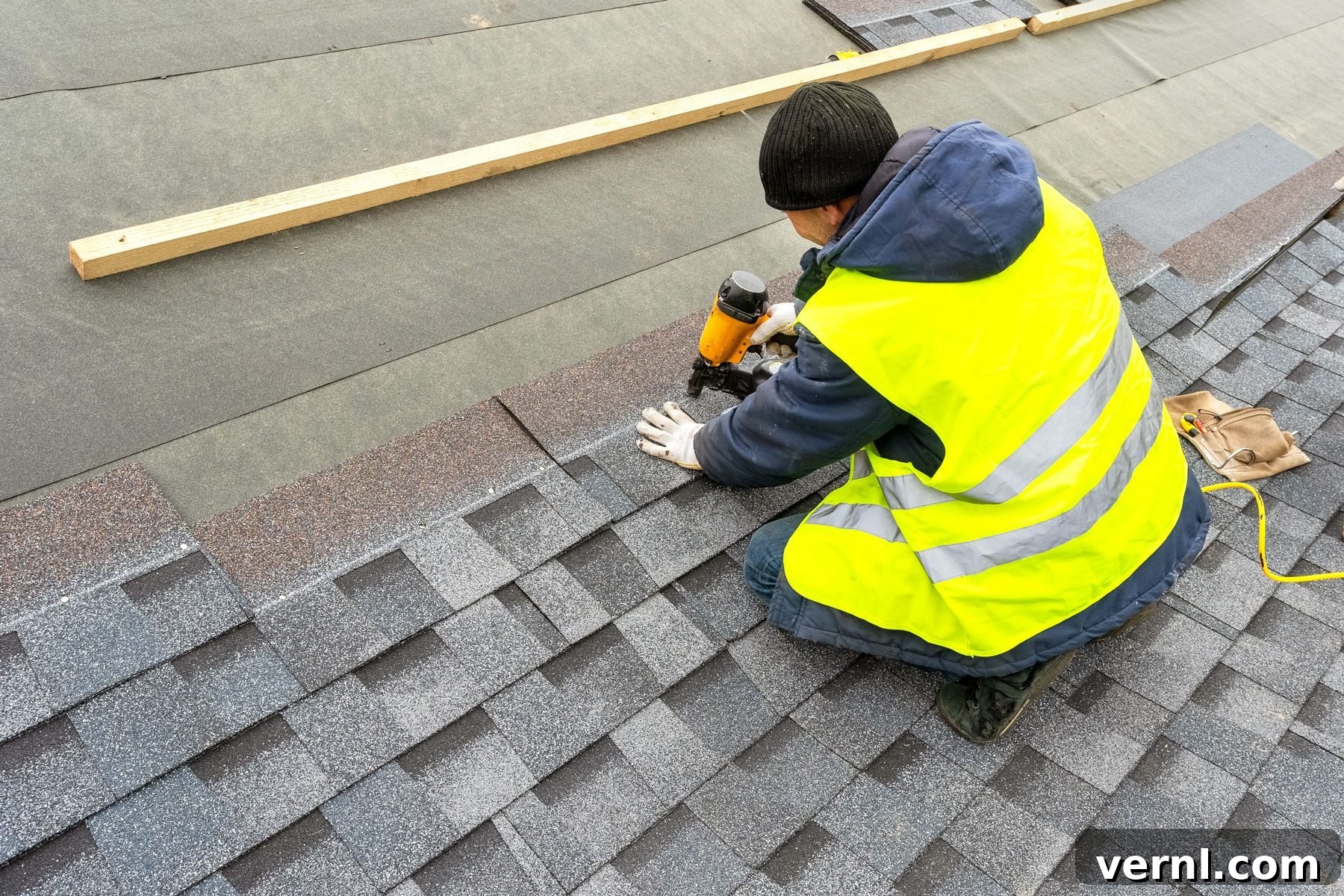
A roof over your head isn’t just a saying; it’s the fundamental symbol of shelter, security, and protection for your home and family. While the roofs guarding our homes are built for durability and longevity, they are not impervious to the relentless assault of nature and time. Every roof has a lifespan, and eventually, the question arises: repair or replace? This decision carries significant weight, not just for your home’s integrity but also for your wallet. A complete roof replacement is a substantial investment, often ranging between $8,500 and $25,000, with national averages hovering around $10,000. Therefore, the allure of a simpler, more cost-effective repair is understandable. However, there comes a point when a repair is merely a temporary band-aid on a much larger problem, and delaying a necessary replacement can lead to more extensive and expensive issues down the line.
The dilemma of whether to opt for roof repair or a full replacement often begins with the sight of a few damaged shingles. “A few damaged shingles can certainly be repaired,” states Korey Gregory, a seasoned expert from Arizona-based ASAP Restoration. “But how many damaged shingles does it take to consider replacement?” He explains that the tipping point is reached “when the amount of work and the cost of fixing damaged shingles starts to approach the cost for a total roof replacement.” At this juncture, a full replacement becomes the more sensible and economically sound choice. Gregory further points out a critical underlying factor: “Besides, if the shingles are in that bad a state of disrepair, then odds are strong other issues need to be addressed, too.” This highlights that visible shingle damage is often a symptom of deeper, systemic problems within the roofing system.
Extensive shingle damage is, without a doubt, a significant indicator for replacement, but it’s not the only warning sign. Niki O’Brien, Operations Manager for Custom Exteriors in Denver, emphasizes another grave concern: “A sagging roof will require extensive repair in the best case and a roof replacement in the worst case.” A sagging roof is a clear signal of structural compromise, which can stem from various causes including prolonged water damage, excessive weight accumulation (such as heavy snow loads), flaws in the original structural design, or simply the inevitable effects of age and material degradation. Ignoring a sagging roof is not an option; it poses a serious safety risk and demands immediate professional attention.
Navigating the decision between repairing your damaged roof and investing in a complete overhaul can be daunting. Homeowners are often left with a multitude of questions about the extent of damage, the potential costs, and the long-term implications of each choice. To help shed light on these critical concerns, our roofing experts provide invaluable insights and answers to the most common questions, guiding you toward an informed decision for the future of your home.
Assessing Shingle Damage: When Is It Too Much?
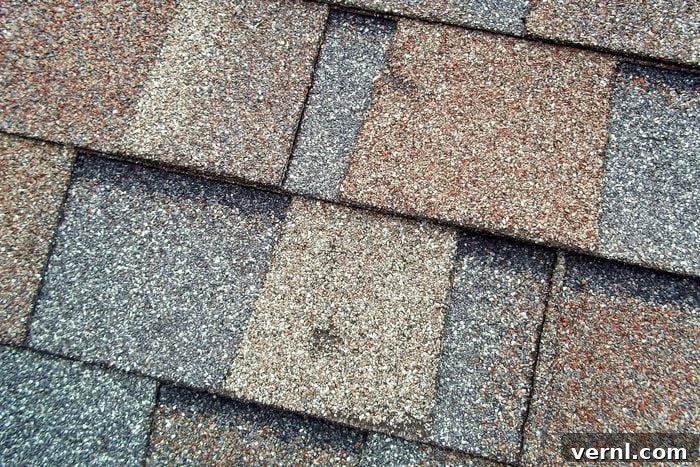
As the primary protective layer of your home, shingles bear the brunt of environmental exposure. They are constantly subjected to the harsh realities of wind, hail, scorching heat, freezing temperatures, mold, and the simple passage of time. While isolated damage can often be addressed with targeted repairs, there comes a critical juncture where repairs become insufficient, and a full replacement is the only viable solution. This threshold is not always determined solely by the homeowner’s assessment; sometimes, local regulations and insurance policies dictate the course of action.
“The criteria for a roof replacement, particularly the number of missing or damaged shingles, are often subject to local jurisdiction and insurance coverage policies,” explains Niki O’Brien. She elaborates, “For instance, some local jurisdictions mandate a total replacement if a certain amount of shingles (typically defined as one square, equivalent to 100 square feet) is deemed damaged beyond repair.” This highlights the importance of understanding local building codes and consulting with your insurance provider early in the assessment process. These external factors can significantly influence your repair-or-replace decision, potentially turning what seems like a minor issue into a comprehensive project.
Mike Powell, a certified home inspector based in Florida, offers a more specific example from his state. “Florida statutes require that if the damage is confined and not widespread, repairs might suffice. However, if the damage to the shingles extends beyond a certain threshold, which is currently pegged at 25% of the total roof area, then replacement is required by law.” Such regulations are in place to ensure the structural integrity and long-term safety of homes, preventing piecemeal repairs from compromising the entire roofing system. Therefore, a thorough professional inspection that considers both visible damage and local mandates is crucial.
So, what specific types of shingle damage signal trouble? Here’s a detailed list of common issues that can lead to the need for repair or replacement:
- Cracking: Shingles, particularly asphalt shingles, are highly susceptible to cracking due to continuous exposure to extreme temperature fluctuations – from intense summer heat to freezing winter cold. This constant expansion and contraction cause the material to become brittle over time, leading to visible cracks. Once cracks appear, they create direct pathways for water to seep beneath the shingle layer, potentially damaging the underlayment and decking, leading to leaks and rot within your attic and home interior.
- Wind Damage: High winds are one of the most destructive forces a roof can face. Strong gusts can lift shingles, causing them to delaminate from the roof deck, or even blow them completely off. When wind pries a shingle upwards, it often loosens or extracts the nails holding it in place. Each disturbed nail hole becomes a potential entry point for water, even if the shingle appears to settle back into place. Furthermore, persistent high winds can compromise the adhesive sealant that helps keep shingles securely bonded, significantly increasing the likelihood of flapping, tearing, and widespread damage during subsequent wind events.
- Missing Granules: Asphalt shingles are topped with a protective layer of crushed stone granules. These granules serve a dual purpose: they reflect harmful UV rays, protecting the asphalt core from accelerated deterioration, and they add weight and texture. Over time, and particularly with exposure to strong winds, heavy rain, snow, and hail, these granules naturally erode and fall off. You might notice them accumulating in your gutters or around your downspouts. When a significant amount of granules is lost, the underlying asphalt is exposed to direct sunlight, causing it to heat up more intensely, become brittle, and deteriorate at an accelerated rate. This reduces the shingle’s lifespan and its ability to protect your home.
- Hail Damage: “In Colorado, hail damage is the primary cause of roof replacement,” emphasizes Niki O’Brien, highlighting the regional impact of certain weather phenomena. Hailstones, ranging from pea-sized to golf ball-sized or larger, can inflict severe damage upon impact. They knock off protective granules, create visible indentations or “bruises,” cause cracking in the shingle material, and in severe cases, can create actual holes. These impacts weaken the shingle’s integrity and create vulnerable spots where water can easily penetrate, leading to leaks and potential structural damage. Hail damage is often subtle and requires a trained eye to detect, making professional inspection essential after a significant hailstorm.
- Curling: Shingles that exhibit curling, either upward at the edges (cupping) or downward in the middle (clawing), are almost exclusively found on older roofs. This phenomenon is often a clear sign of advanced deterioration. Causes can include significant loss of granules, excessive heat buildup in the attic due to poor ventilation (which bakes the shingles from below), or, most commonly, the growth of mold or other biological organisms beneath the shingles. Curling shingles compromise the roof’s ability to shed water effectively, creating channels for water intrusion and indicating a significant reduction in the material’s protective capabilities. Needless to say, curled shingles are beyond simple repair and usually necessitate replacement.
- Mold, Algae, and Fungi: Mold, algae, and fungi (often appearing as dark streaks or green patches) tend to accumulate on roofs that are frequently shaded, particularly on north-facing slopes or beneath overhanging trees. If left unaddressed, these biological growths can do more than just cause unsightly discoloration; they retain moisture, fostering an environment conducive to shingle deterioration. The organisms can feed on the limestone filler in asphalt shingles, breaking down the material and leading to significant damage over time. The best prevention is to clean any signs of mold stains on your roof promptly and consider trimming overhanging branches to increase sunlight exposure and improve air circulation.
Understanding these specific forms of damage is crucial for homeowners. Early detection and intervention can sometimes prevent minor issues from escalating into major expenses. It’s also worth learning whether solar roof shingles may be a good fit for your home, offering both energy efficiency and modern protection.
The Impact of Ice Dams: A Winter Threat
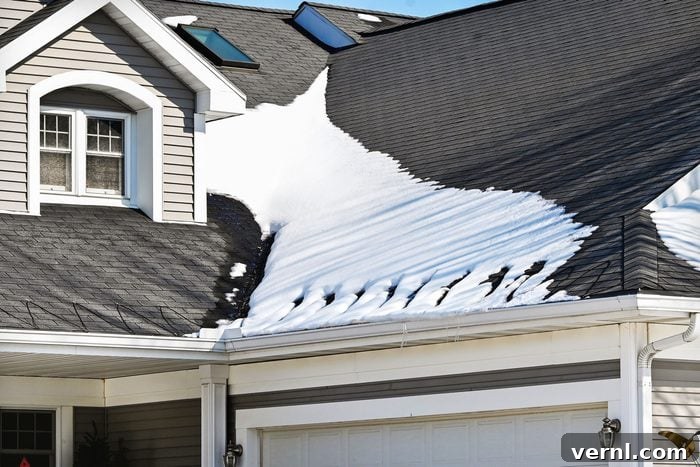
Ice dams are a common winter nuisance, particularly in colder climates, and can lead to significant roofing issues if not properly managed. An ice dam forms when the lower edge of the roof, typically at the eaves, remains cold enough to freeze melted snow, while the upper parts of the roof are warm enough to melt the bottom layer of accumulated snow during the day. This melting snow flows down the roof until it hits the colder edge, where it refreezes, creating a ridge of ice. The primary culprits behind this phenomenon are insufficient attic ventilation and clogged gutters, which prevent proper drainage and allow heat from the home to escape into the attic, warming the roof deck unevenly.
As more snow accumulates and the melt-freeze cycle continues, the ice dam grows larger and thicker. The sheer weight of this accumulated ice and trapped water, combined with the constant pressure it exerts, can wreak havoc on your roofing system. It can force water under shingles, saturate the roof decking, insulation, and even drip into the wall cavities and ceilings of your home, causing water stains, mold growth, and structural damage. While the immediate damage can be alarming, Niki O’Brien offers a reassuring perspective: “Ice damming is usually not a direct cause for immediate roof replacement.” However, Korey Gregory points out that the long-term, cumulative damage from repeated ice dam events can indeed lead to a critical point. “To determine if one ice dam is too many completely depends on how well the roof survived the event,” he explains. “If the roof layers didn’t begin to delaminate, then it might be safe for another season.” This means that while a single event might not warrant replacement, recurring ice dams weaken the roof’s components over time, potentially accelerating its deterioration.
The bottom line for homeowners dealing with ice dams is to assess the aftermath carefully. “If you don’t see mold growing down your walls inside where the dam occurred, your ice dam may not have damaged anything structurally critical,” Gregory advises. However, even in the absence of obvious internal leaks or mold, it is always prudent to “still get a professional to inspect the attic and roof to make sure.” A professional inspection can identify hidden moisture, compromised insulation, or subtle shingle damage that might not be immediately apparent. Moreover, “Having an ice dam should also serve as a crucial warning that your gutters need to be cleaned,” as clogged gutters are a major contributing factor. Beyond gutter cleaning, proper attic insulation and ventilation are key preventative measures to ensure your roof maintains a consistent temperature, reducing the likelihood of ice dam formation.
Flashing Issues: The Unsung Hero of Roof Protection
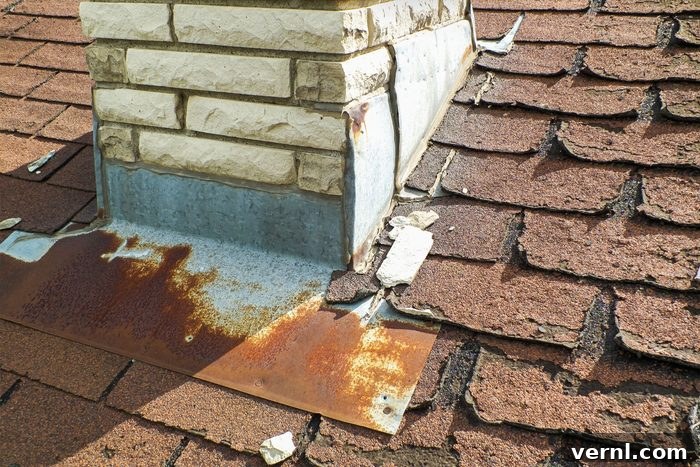
Often overlooked but critically important, flashing is a material, usually made of thin metal sheets (like aluminum, copper, or galvanized steel), designed to prevent water damage at vulnerable areas of your roof. A typical roof system incorporates various types of flashing, each meticulously installed to create a watertight seal around interruptions and transitions, protecting the underlying roof decking and the interior of your home from insidious moisture intrusion. These are points where water is most likely to penetrate if not properly sealed. The different types of flashing include:
- Drip Edge: This L-shaped or T-shaped metal flashing is installed along the lowest edge of the roof, at the eaves and rake edges. Its primary function is to direct water away from the fascia and into the gutters, preventing it from seeping under the roof edge and protecting the underlying wooden components from rot and water damage. A properly installed drip edge also helps to protect the roof deck from wind-driven rain.
- Vent Flashing: Every roof has penetrations for plumbing vents, attic vents, and sometimes even gas vents. Vent flashing, typically a boot-like metal piece with a rubber gasket, surrounds these pipes and shafts to create a watertight seal. Over time, the rubber seals can degrade due to UV exposure and temperature extremes, leading to cracking and potential leaks around these crucial openings.
- Dormer and Chimney Flashing: These are complex areas requiring multiple pieces of flashing for comprehensive protection. Step flashing consists of individual L-shaped pieces woven in with each shingle course along the sloped sides of a chimney or dormer. This allows for movement without breaking the seal. At the bottom edge, a larger apron flashing directs water away. Without proper installation or if this flashing corrodes or is damaged, these areas are highly susceptible to leaks, as they are natural collection points for rainwater and snowmelt.
- Valley Flashing: Roof valleys are critical junctures where two sloped roof sections meet, forming an inward angle. These valleys serve as natural channels for rainwater and snowmelt, carrying a significant volume of water. Valley flashing, often a continuous piece of metal, is installed underneath the shingles in these channels to provide an extra layer of protection, ensuring water flows smoothly off the roof without penetrating the underlying structure. Damage to valley flashing can lead to extensive and rapid water infiltration.
Over time, flashing can deteriorate, rust, or become dislodged due to factors like high winds, the expanding and contracting forces of ice dams, or even the subtle movements of the shingles themselves. Fortunately, issues with flashing can often be repaired or replaced independently without requiring a complete roof overhaul. In some cases, a high-quality sealant can provide a temporary or even long-term fix for minor flashing problems. However, the critical caveat arises if the decking or structural wood components underneath the damaged flashing have succumbed to rot from prolonged moisture exposure. In such instances, simply replacing the flashing isn’t enough; the compromised wood must also be replaced. This often necessitates removing at least a section of the roof, and depending on the extent of the rot, it could escalate to a more substantial partial or even full roof replacement. Therefore, routine inspection of flashing is paramount to catch issues before they lead to structural damage.
The Roof Is Sagging: A Critical Structural Alert
If you observe any noticeable dips or “valleys” forming between the rafters when looking at your roofline, or if the ridge line appears to be less than perfectly straight, your roof is likely sagging. This is not merely an aesthetic imperfection; it is a grave structural warning sign that demands immediate and serious attention. As Korey Gregory starkly warns, “Sagging rooflines mean that the underlayment, the trusses, or the joists are beginning to fail.” These components form the very skeleton of your roof, providing its structural integrity and supporting the immense weight of the roofing materials, snow, and wind loads.
A sagging roof is an unequivocal distress signal from your home. “This is a warning from the roof that a collapse is not long off,” Gregory emphasizes, highlighting the inherent danger. Postponing action on a sagging roof can have catastrophic consequences, leading to partial or complete roof collapse, which poses extreme safety risks to occupants and results in exponentially higher repair costs. Therefore, “immediate action is the best approach to avoid even more destruction and keep everyone safe.”
The underlying causes of a sagging roof can vary but often include prolonged exposure to excessive weight (such as heavy snow or ice loads that exceed the roof’s design capacity), chronic water damage that weakens wooden components, dry rot, insect infestation, or original design flaws and inadequate structural support. Age and material fatigue can also play a significant role, as timbers and fasteners lose their strength over decades.
When faced with a sagging roof, the remedy is rarely simple or inexpensive. As Niki O’Brien confirms, “A sagging roof will require extensive repair in the best case and a roof replacement in the worst case.” The “best case” scenario might involve reinforcing existing trusses or joists, replacing localized sections of compromised decking, and ensuring proper support is restored. However, if the structural damage is widespread or severe, or if the original design is inherently weak, a complete tear-off and replacement of the roof structure, including new trusses and decking, may be the only safe and durable solution. This is a complex project that must be handled by experienced structural engineers and reputable roofing contractors to ensure the long-term safety and stability of your home.
FAQs: Your Roofing Questions Answered
How much does it cost to replace a roof?
The cost of a complete roof replacement can vary significantly based on numerous factors. For a standard shingle roof, you can generally expect to pay anywhere from $8,000 to $25,000. Key determinants include the overall size and pitch (steepness) of your roof, the complexity of its design (e.g., multiple valleys, dormers, chimneys), the specific type and quality of shingles or roofing materials chosen, the current market rates for labor in your geographic area, and the extent of any underlying decking or structural repairs needed. Larger, steeper, or more complex roofs require more materials, specialized equipment, and increased labor time, all contributing to higher costs. Always obtain multiple quotes from reputable, licensed roofing contractors for an accurate estimate tailored to your specific home.
Can a DIYer tackle a roof repair?
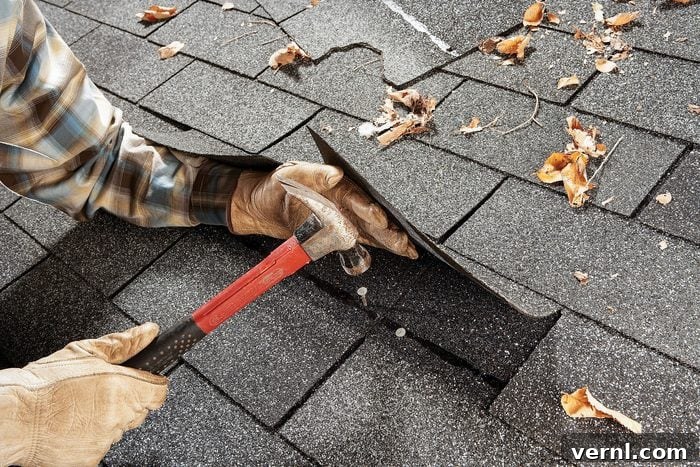
While some minor roof repairs, such as replacing a single damaged shingle or applying sealant to a small crack, can be tempting DIY projects, caution is paramount. Yes, a moderately skilled DIYer *can* tackle certain repairs, but it comes with significant risks. The most critical factor to consider is safety. Roofing work involves working at heights, which is inherently dangerous. Professionals consider any roof with a pitch greater than 8/12 (meaning an eight-inch vertical rise for every 12 inches of horizontal run) unsafe for walking without specialized safety equipment. Even at lower pitches, falls are a serious risk. As a personal guideline, I draw the line at 6/12; having experienced a fall once, I understand the dangers and strongly advise against unnecessary risks. If you lack proper safety gear, experience, or confidence, or if the repair involves anything more than the most basic surface-level fix, it’s always safer and wiser to hire a professional. Improperly executed repairs can lead to leaks, further damage, and voided warranties, costing you more in the long run.
What should you do if you have an active leak in your roof?
An active roof leak requires immediate attention to minimize damage. The first challenge is often pinpointing the source of the leak, which can be surprisingly difficult. Water often travels along the roof decking, rafters, and interior structures, dripping far from its original entry point. If the leak is obvious and localized (e.g., a visible hole or crack), you might be able to temporarily plug it with a specialized roof sealant or flashing tape to prevent further water ingress until a professional can assess it. However, if you can’t find the source, or if the leak is substantial, you need to call a professional roofing contractor without delay. While waiting for help, take steps to protect your home: move furniture and valuables away from the leak area, place buckets or tarps to catch dripping water, and cover items in the house to keep them dry. If the ceiling is bulging with water, carefully puncture a small hole to relieve the pressure and allow the water to drain into a container, preventing a larger, more damaging collapse. On the exterior, if safe to do so, you can cover the general roof area where you suspect the leak to be with a large tarp, securely weighted down, to provide temporary protection from the elements.
About the Experts
- Korey Gregory is a licensed contractor and the Construction Superintendent for ASAP Restoration, LLC, a highly regarded restoration company based in the Phoenix, AZ, area. With extensive experience in various aspects of construction and restoration, Korey brings a wealth of practical knowledge to the roofing industry. Prior to joining ASAP Restoration, Korey successfully owned and operated his own company, KG Custom Interiors, in Washington, specializing in custom interior solutions.
- Niki O’Brien serves as the Operations Manager for Custom Exteriors LLC, a leading roofing company headquartered in the Denver, CO, area. Niki plays a pivotal role in ensuring the efficient execution of roofing projects and maintaining high standards of customer satisfaction. Custom Exteriors LLC is a proud member of the Colorado Roofing Association, an organization dedicated to empowering homeowners with the information and resources needed to make informed decisions regarding the replacement, maintenance, and overall health of their roof systems.
- Mike Powell is a distinguished professional engineer, certified home inspector, and the owner/trainer at Red Flag Home Inspection, based in Tampa, Florida. Mike possesses over two decades of experience as a forensic engineer, meticulously determining the cause and origin of failures in buildings and building components, primarily within residential settings. His deep understanding of structural integrity and material science makes him an invaluable resource for assessing the true condition and longevity of roofing systems.