Maple stands as a truly exceptional and versatile timber among American hardwoods, renowned for its remarkable balance of strength, aesthetic appeal, and workability. As one of the hardest domestic timbers available, it paradoxically remains reasonably easy to machine, making it a favorite for a vast array of applications. Woodworkers, builders, and designers consistently seek out maple for its inherent strength, impressive stiffness, and notable density. Beyond its robust physical properties, maple also captivates with some of the most stunning and unique grain patterns, including highly prized variations like fiddleback, quilted, and bird’s eye figure. This comprehensive guide will walk you through everything you need to know about maple wood, equipping you with the knowledge and confidence to seamlessly integrate it into your next woodworking project, be it a cherished piece of furniture or a durable flooring solution.
Understanding Maple Wood: A Hardwood Powerhouse
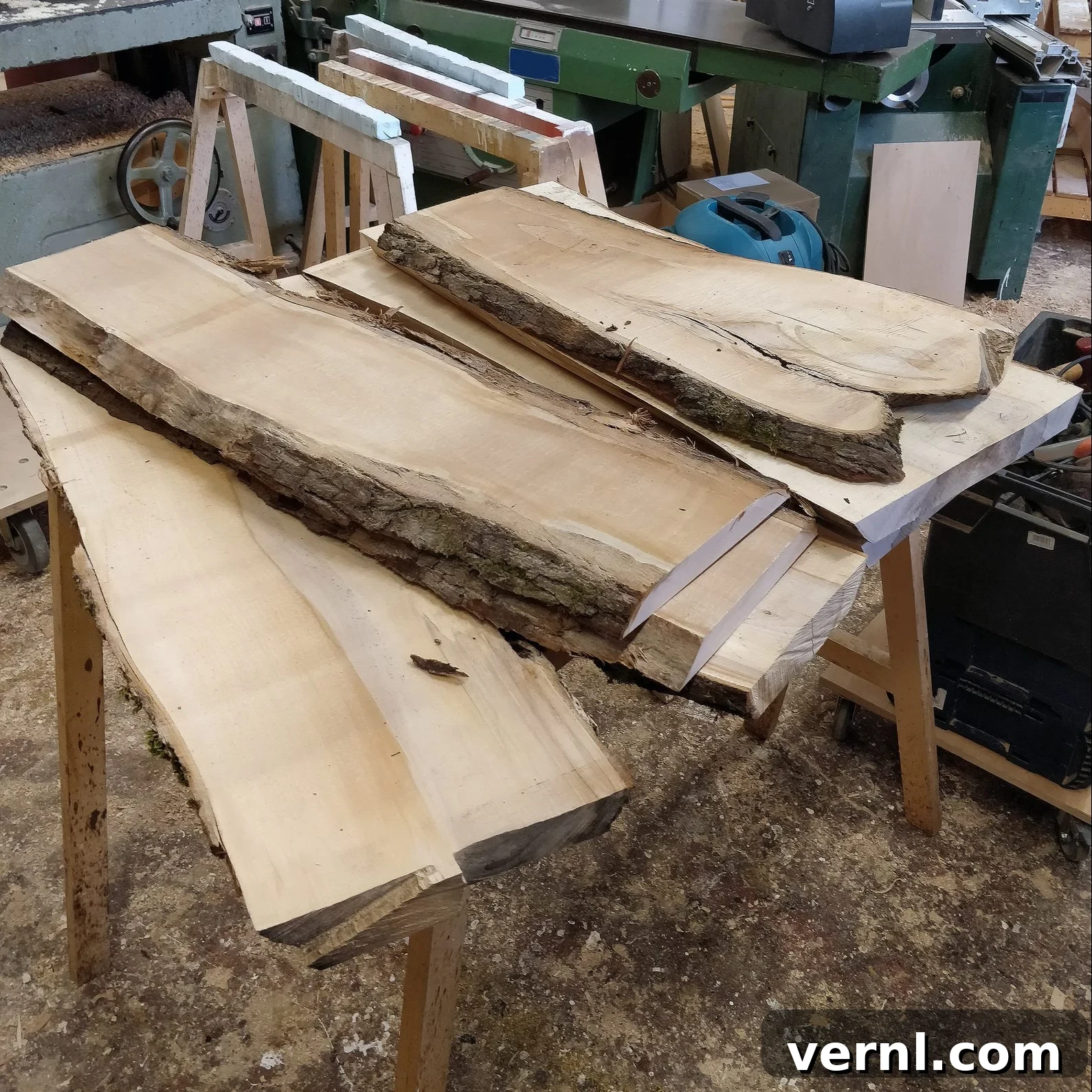
Maple is fundamentally a hardwood, derived from deciduous trees belonging to the Acer genus, most notably the sugar maple (Acer saccharum), which is also the source of much of the world’s maple syrup. These trees shed their leaves each autumn, a defining characteristic of hardwoods. When processed into lumber, maple exhibits distinct color variations. The heartwood, which is the older, inner core of the tree, typically displays a beautiful reddish-brown hue. In contrast, the sapwood, the younger wood closer to the bark, ranges from a nearly pure white to a creamy off-white, often featuring subtle golden undertones. Interestingly, maple is often harvested specifically for its sapwood due to its lighter color and clean appearance, which is highly sought after in many woodworking and flooring applications.
Despite its impressive density, maple is generally considered a pleasure to work with, especially when using power tools. It machines exceptionally well, allowing for crisp cuts, smooth routing, and precise joinery. While its high density can make it slightly more challenging to work with hand tools compared to some softer domestic timbers, a sharp blade and proper technique will yield excellent results. Furthermore, maple’s fine and even grain structure allows it to take finishes beautifully, resulting in a lustrous, durable surface that enhances its natural beauty without overpowering it.
Exploring the Diverse Types of Maple Wood
While often generalized as “maple,” this timber actually encompasses several species, broadly categorized into two main groups based on their density and properties. Understanding these distinctions is crucial for selecting the right material for your specific project.
Hard Maple: The Strength of Sugar Maple
- Sugar Maple: In its living form, the timber-producing tree is most commonly referred to as the sugar maple. This magnificent tree is famously the primary source of the delicious maple syrup we enjoy. However, when it comes to the processed lumber, this species is predominantly known as hard maple, or sometimes “rock maple” – a testament to its exceptional robustness.
- Density and Hardness: Hard maple stands as one of the most dense and durable American domestic hardwoods. It boasts an impressive Janka hardness rating of 1,450 lbf (pound-force). The Janka hardness test is a standardized measure of a wood species’ resistance to indentation and wear, making it an excellent indicator of durability. To put this in perspective, well-known hardwoods like cherry wood typically register around 950 lbf, while white oak, another highly regarded hard timber, comes in at approximately 1,360 lbf. This superior hardness makes hard maple ideal for applications requiring extreme durability and resistance to impact and abrasion, ensuring longevity and performance in demanding environments.
- Aesthetic Variations: Beyond its strength, hard maple is celebrated for its exquisite figure variations. These include:
- Bird’s Eye Maple: Characterized by small, swirling “eyes” that resemble tiny bird’s eyes, this figure is a rare and highly sought-after pattern, often used in decorative applications and musical instruments.
- Quilted Maple: This pattern features wavy, undulating grain that creates a three-dimensional, rippled effect, often compared to the soft folds of a quilted fabric. It’s particularly popular in guitar making and high-end furniture.
- Fiddleback Maple: Also known as curly maple, this figure displays a series of parallel ripples or stripes across the grain, creating a shimmering effect that shifts with the light. It’s a staple in instrument backs and sides, as well as fine cabinetry.
Soft Maple: Versatility with Relative “Softness”
- Defining Soft Maple: The term “soft maple” doesn’t refer to a single species but rather a broader category of maple lumber that is less dense than hard maple. It’s important to note that “soft” is a relative term in this context; soft maple is still a robust and durable hardwood, significantly harder than many common softwoods. The specific species of soft maple available to you will often depend on your geographical location and the regional lumber supply.
- Common Soft Maple Species: Here are two widely available species found in different regions of the United States:
- Silver Maple (Acer saccharinum): Predominantly growing in the eastern U.S., silver maple earns its name from a beautiful, subtle silvery undertone in its wood. I’ve personally encountered boards with striking wide streaks of silver that, when finished, almost evoke the appearance of a silver ore vein. With a Janka rating of approximately 750 lbf, it is noticeably softer than hard maple but still offers excellent durability for many woodworking projects. Its lighter weight and good workability make it popular for cabinetry and furniture.
- Bigleaf Maple (Acer macrophyllum): True to its name, bigleaf maple is identifiable by its impressively large leaves, which can measure anywhere from six to twelve inches wide. This species thrives in the coastal regions of the Pacific Northwest and is virtually the only commercially harvested maple species in that area. Slightly denser than silver maple, bigleaf maple has a Janka rating of around 850 lbf. It is highly valued, especially when it exhibits figured grain patterns like quilt or fiddleback, for its use in fine furniture, musical instruments, and decorative items.
- Red Maple (Acer rubrum): Another prominent soft maple species, red maple is widely distributed across the eastern and central United States. It offers good strength and workability, with a Janka hardness typically around 950 lbf, placing it closer to cherry wood in terms of density. It’s a popular choice for furniture frames, cabinet components, and interior trim due to its consistent grain and good finishing properties.
The Abundant Advantages of Maple Wood
Maple’s popularity in various industries is no accident; it boasts a formidable list of advantages that make it a premier choice for countless applications:
-
Exceptional Availability: Maple is consistently one of the most common and readily available commercially harvested woods across the U.S. Its widespread growth ensures that you can find it at nearly all lumber suppliers, from specialized hardwood dealers to large big-box home improvement stores. This ease of access simplifies sourcing for projects of any scale.
-
Unmatched Strength and Durability: Particularly hard maple, its density and inherent durability rank among the highest for American hardwoods. This remarkable strength makes it incredibly resistant to dents, scratches, and wear, ensuring that items crafted from maple will withstand the rigors of daily use for decades. Its resilience is a key factor in its suitability for high-traffic areas and heavy-duty applications.
-
Attractive Aesthetics and Versatility: Maple’s clean, light color provides a versatile canvas for design. Its subtle grain patterns offer a modern, understated elegance, while highly figured variations like bird’s eye, quilted, and fiddleback maple add dramatic visual interest, transforming ordinary pieces into works of art. This adaptability allows maple to complement a wide range of interior styles, from contemporary minimalist to classic traditional.
-
Excellent Machinability: Despite its hardness, maple generally machines very well. It holds crisp edges, carves cleanly, and produces smooth surfaces with minimal tear-out when sharp tools are used. This characteristic is highly valued by woodworkers, as it reduces labor and ensures precise, high-quality results.
- Value-Oriented Pricing: For its outstanding qualities, standard maple lumber is often moderately priced, positioning it squarely in the middle range for domestic hardwoods. This makes it an excellent value proposition, offering premium strength and beauty without the prohibitive cost associated with some exotic or rarer timbers.
Considerations and Potential Drawbacks of Maple Wood
While maple offers a wealth of benefits, it’s also important to be aware of certain characteristics that might present challenges or require specific approaches during your project:
-
Challenges with Staining: If your project involves using pigmented stains to alter the wood’s color, you might encounter difficulties with hard maple. Due to its dense, tight grain structure, maple tends to absorb stains unevenly, often resulting in a blotchy or inconsistent appearance. This can be frustrating for those aiming for a uniform, rich color. A simple solution I often recommend is to embrace maple’s natural beauty and avoid deep, pigmented stains, allowing the wood to age gracefully. However, if staining is essential, consider using wood conditioners or gel stains, which sit more on the surface, or opt for dyes that penetrate more evenly. Testing on scrap pieces is always advisable for successful staining maple wood.
- High Density for Hand Tool Users: While its “rock-hard” density is a major advantage for durability, it can present a challenge when working exclusively with hand tools. This exceptional hardness means more effort is required for sawing, planing, and chiseling, and tools must be kept exceptionally sharp to prevent tearing or burning. However, this challenge can be mitigated with sharp tools, proper technique, and patience, ultimately yielding incredibly precise and robust results.
- Cost of Figured Maple: While standard maple is generally affordable, highly figured variations like bird’s eye, quilted, or fiddleback maple command significantly higher prices. These unique aesthetic qualities are rare and thus considered premium, which can make them a substantial investment for projects where such intricate beauty is desired.
Diverse Applications of Maple Wood Across Industries
Maple’s unique combination of strength, beauty, and workability makes it a preferred material across an astonishingly wide spectrum of applications. Its versatility is truly remarkable:
-
Resilient Flooring: From the elegant floors of residential homes to the high-impact surfaces of professional basketball courts and bowling alleys, maple is the wood of choice for any floor that demands exceptional durability and resistance to wear. Its hardness ensures longevity, while its light color helps to brighten spaces and provides a clean, contemporary look. Maple flooring is renowned for its ability to withstand heavy foot traffic and repeated impacts without showing significant signs of distress.
-
Exquisite Musical Instruments: Maple is a firm favorite among luthiers and instrument makers for its tight grain structure, excellent resonance, and captivating visual beauty. It is extensively used for the necks and fretboards of electric guitars, the backs and sides of acoustic guitars, the bodies of violins and cellos, and the shells of drums. Its tonal properties contribute to clear, bright sounds, making it indispensable for instruments where sound quality and aesthetic appeal are paramount.
-
High-Performance Baseball Bats: Over the past two to three decades, maple has surged in popularity to become the wood of choice for the majority of bats used in Major League Baseball. Its density and stiffness provide superior power transmission upon impact, reducing energy loss and allowing for harder hit balls. Furthermore, maple bats are less prone to splintering than traditional ash bats, offering increased safety and durability for professional players.
-
Fine Furniture and Cabinetry: Maple’s combination of durability, smooth finish, and attractive grain makes it an excellent material for high-quality furniture and kitchen cabinetry. It is used to craft everything from sturdy tables and chairs to elegant dressers, bed frames, and intricate built-ins. Its resistance to dents and its ability to hold joinery well ensure that maple furniture pieces are not only beautiful but also built to last for generations.
-
Durable Butcher Blocks and Cutting Boards: Maple’s tight grain and hardness make it exceptionally hygienic and resistant to knife marks, making it the perfect material for butcher blocks and cutting boards. Its non-porous surface helps prevent bacterial growth, and its strength ensures it can withstand countless hours of chopping and prepping in the kitchen, making it a professional and home cook’s favorite.
-
Reliable Tool Handles and Workbenches: Due to its impressive impact resistance and strength, maple is frequently employed in the creation of durable tool handles and robust workbenches. Its ability to absorb shocks without splintering makes it ideal for applications where resilience is key. In the woodshop, maple is also indispensable for crafting precision jigs and fixtures that require stability and accuracy.
-
Artistic Turnings and Carvings: The fine, even grain of maple lends itself beautifully to intricate turning and carving projects. It allows for crisp details and smooth surfaces, making it a favorite for creating decorative bowls, spindles, intricate figurines, and other ornamental pieces where precision and a clean finish are desired.
Maple Wood Cost and Informed Purchasing Decisions
Understanding the cost of maple wood and how to purchase it effectively is crucial for any project planner or woodworker. Generally, hard maple is slightly more expensive than soft maple due to its superior density and demand. You can expect to pay anywhere from $8 to $12 per board foot for standard grades of hard maple, with prices fluctuating based on factors like board width, length, thickness, and overall grade (e.g., FAS – First and Select, or Select and Better for clearer lumber). A board foot is a unit of volume for lumber, equivalent to a piece of wood 12 inches long, 12 inches wide, and 1 inch thick.
For highly figured variations such as bird’s eye maple, quilted maple, or highly curly maple, prices can escalate significantly, often reaching $20 to $30 per board foot, or even higher for truly exceptional pieces. These premium figures are rare and thus command a higher price due to their aesthetic uniqueness and desirability in fine woodworking and musical instrument making. For comparison, most other furniture-grade domestic hardwoods like red oak or poplar typically cost between $5 and $15 per board foot, placing standard maple squarely within a competitive price bracket for its quality.
When purchasing maple, consider visiting a specialized lumberyard rather than solely relying on big-box stores, as lumberyards often offer a wider selection, better quality control, and more competitive pricing for larger quantities. Always inspect the lumber for defects such as warping, knots, cracks, or excessive sapwood if you’re aiming for a clear finish. Discuss your project needs with the supplier, as they can often recommend the best grade and cut for your specific application. Investing in quality maple from the start will save time and frustration during your woodworking journey.