
Ultimate Guide to DIY Pest Control: Say Goodbye to Gnats and Other Unwanted House Bugs
Few things are as irritating as an unexpected invasion of household pests. From tiny, buzzing gnats to scurrying cockroaches, these uninvited guests can quickly turn your comfortable home into a source of frustration. While chemical solutions are available, many homeowners prefer effective, non-toxic, and budget-friendly DIY methods. This comprehensive guide will equip you with the knowledge to tackle common household pests, starting with a remarkably simple yet powerful gnat trap, and extending to strategies for a wide array of other unwelcome critters.

The Unbeatable Gnat Vinegar Trap: Your First Line of Defense
Gnats are notoriously persistent, often swarming around fruit bowls, houseplants, or drains. Their small size makes them hard to catch, but their attraction to fermentation can be their downfall. A homemade gnat vinegar trap offers a brilliant, non-toxic solution that many homeowners swear by for its efficacy.
How to Make and Deploy Your Gnat Trap
Creating this trap is incredibly easy and uses ingredients you likely already have in your kitchen:
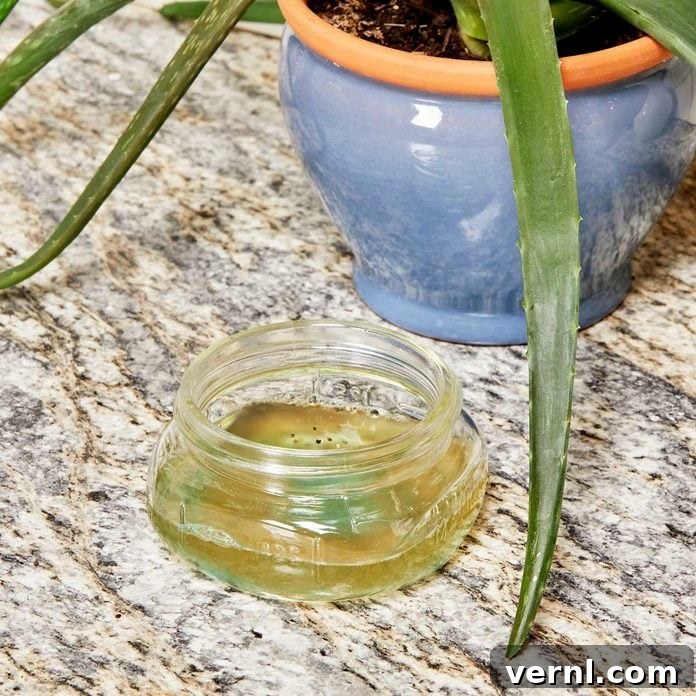
- Gather Your Materials: You’ll need a few small jars (jelly jars or small drinking glasses work perfectly), apple cider vinegar, and liquid dish soap.
- Mix the Solution: Pour approximately 4 tablespoons of apple cider vinegar into each jar. The sweet, fermented scent of the apple cider vinegar is irresistible to gnats, drawing them in like a magnet.
- Add the Secret Ingredient: Swirl in a few drops of liquid dish soap. This isn’t for scent; its crucial role is to break the surface tension of the vinegar. Without the soap, gnats might land on the vinegar, drink, and fly away. With the soap, the surface tension is eliminated, causing them to sink and become trapped.
- Strategic Placement: Place the jars, with their lids off, in areas where you observe the most gnat activity. Common hotspots include kitchens, near fruit bowls, sinks, trash cans, or potted plants (especially if you have fungus gnats).
The results can be astonishingly fast. As Gina Kinnan, a satisfied user, shared, “I set them out one night and the next morning, all the gnats were in the jars!” This non-toxic method provides peace of mind, especially in homes with children or pets, making it a dream solution for quick gnat elimination.
Beyond Gnats: Comprehensive DIY Pest Control Strategies
While the gnat trap is fantastic for its specific target, a truly pest-free home requires a broader approach. Understanding the habits of different pests and employing various strategies can help you maintain control. For more general advice on tackling common household invaders, explore these 11 effective strategies for do-it-yourself pest control.
Tackling the Most Disgusting House Bugs and How to Get Rid of Them
Beyond the common gnat, many other insects and arachnids can become unwelcome residents. Here’s an in-depth look at some of the most common and how to effectively manage them with DIY methods and smart prevention.
Meal Moths (Pantry Moths)
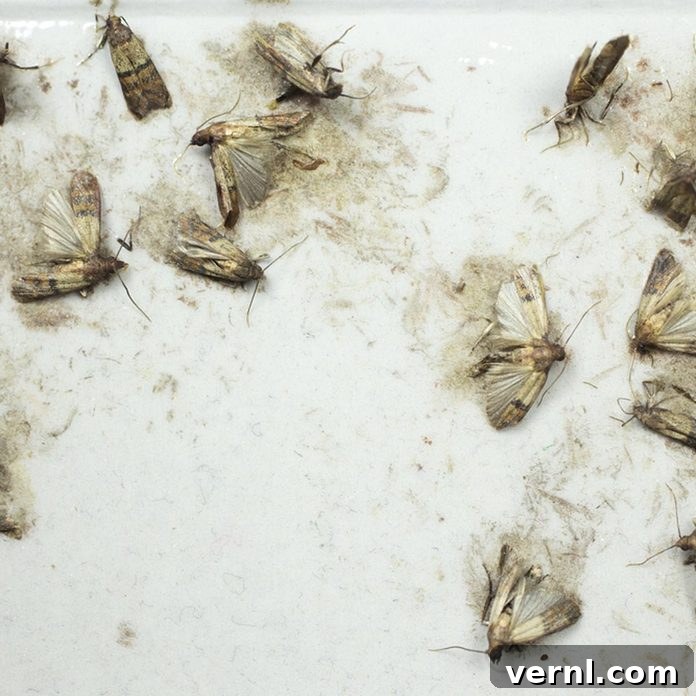
Meal moths, also frequently called pantry moths, are a persistent nuisance in kitchens and food storage areas. These small, winged insects thrive on dry goods such as flour, grains, cereals, beans, dried fruit, pasta, and even pet food. They can even infest non-food items like Christmas ornaments made from food products. While they don’t carry diseases, their presence and larvae can contaminate food, making it unappetizing. Some people choose to salvage infested food by picking out dead bodies and freezing the food for at least four days to kill any remaining eggs or larvae; others prefer to simply discard everything.
How to Get Rid of Them: The key to eliminating meal moths is thorough inspection and sanitation. Remove all dry food items from your pantry. Inspect packages for tiny worms or webbing. Discard any infested items in a sealed bag outside your home. Vacuum the pantry shelves thoroughly, paying attention to cracks and crevices. Wipe down shelves with soap and water or a vinegar solution. Store all dry goods in airtight containers made of glass or sturdy plastic to prevent future infestations. Pheromone traps designed for pantry moths can also help monitor and reduce adult moth populations.
Fruit Flies
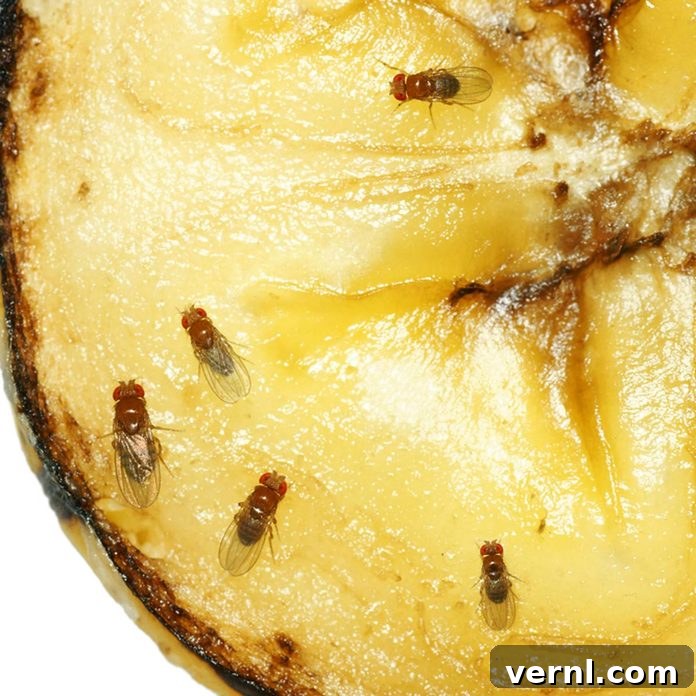
Fruit flies are tiny, reddish-brown insects commonly found hovering around ripe or fermenting fruits and vegetables. They can also breed in drains, garbage disposals, empty bottles, and anywhere moisture and organic matter accumulate. Their rapid reproduction cycle means a small problem can quickly become an infestation. These pests are primarily attracted to the sweet, fermenting smells of sugars and alcohols.
How to Get Rid of Them: Similar to gnats, a simple trap works wonders for fruit flies. Mix a small squirt of dish soap with some apple cider vinegar (or even wine or beer) in a bowl. Cover the bowl tightly with plastic wrap and poke several small holes in the top. The flies will be drawn in by the scent but will get trapped by the soap’s altered surface tension. Beyond trapping, focus on sanitation. Regularly clean up spills, don’t leave overripe fruit on counters, and empty trash cans frequently. Clean your drains to eliminate potential breeding sites. Make sure you never have fruit flies again by being diligent with kitchen hygiene and fruit storage.
Crickets
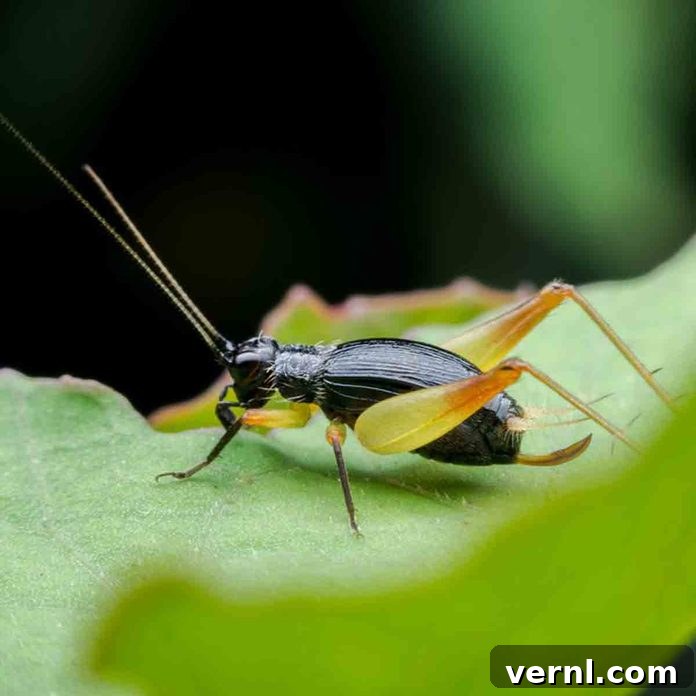
Crickets, particularly house crickets, are known for their distinctive chirping sound, which can be quite disruptive indoors. They often enter homes seeking shelter, warmth, food, or moisture, especially as outdoor temperatures drop. While some species, like the Jerusalem cricket, can bite humans if provoked, bites from common house crickets are extremely rare and generally harmless, as noted by Joseph Spagna, Ph.D., an associate professor of biology: “The cricket species kids run into in North America are basically harmless… I handle the common ‘house cricket’ Acheta domesticus in my behavior classes regularly, with bare hands, and they have never bitten me.”
How to Get Rid of Them: The best approach to crickets is exclusion and habitat modification. Seal cracks and openings in your home’s foundation, around windows, and under doors. Reduce clutter in basements, garages, and around the exterior of your home, as crickets love to hide in dark, damp places. Keep your lawn mowed and remove weeds close to the house. Sticky traps can also be effective for capturing individual crickets.
Beetles
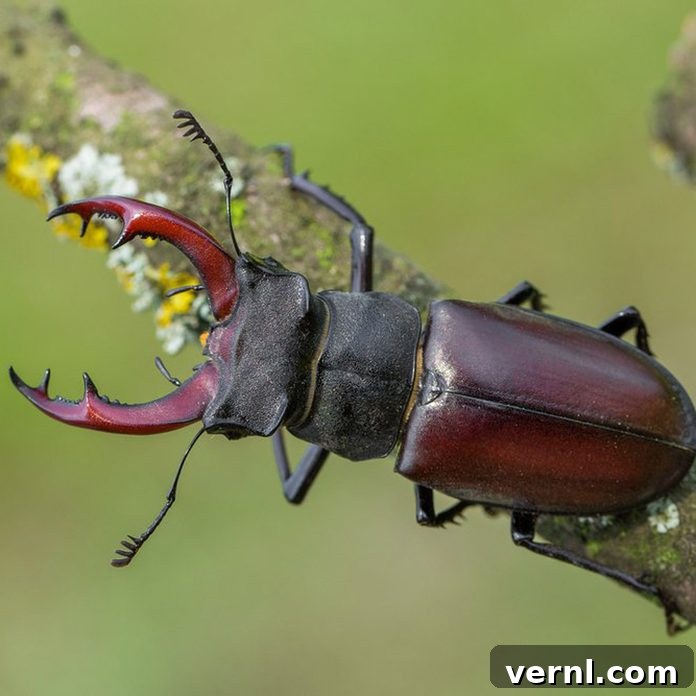
Many types of beetles can find their way into homes, from carpet beetles that feed on fabrics and natural fibers to pantry beetles that infest dry goods. While most household beetles are more of a nuisance or a threat to belongings, some larger species can deliver a pinch. James Daniel Ricci, an entomologist, explains: “Larger beetles, like large stag beetles, can do some damage with their massive mouthparts, usually when they feel threatened or if they’re trying to steady themselves… Usually this is pretty mild, barely more than a stubbed toe or a pinprick.” If a bite occurs, ice the area if bruised and bandage if necessary.
How to Get Rid of Them: Control strategies depend on the type of beetle. For carpet beetles, thorough vacuuming, especially under furniture, rugs, and along baseboards, is essential. Store woolens and other susceptible fabrics in airtight containers. For pantry beetles, follow similar sanitation steps as for meal moths: inspect and discard infested food, clean pantry shelves, and store food in sealed containers. Sealing entry points and using appropriate insecticides (if necessary and carefully) can also help. Learning how to get rid of leaf-eating beetles outdoors can also prevent them from coming inside.
Millipedes
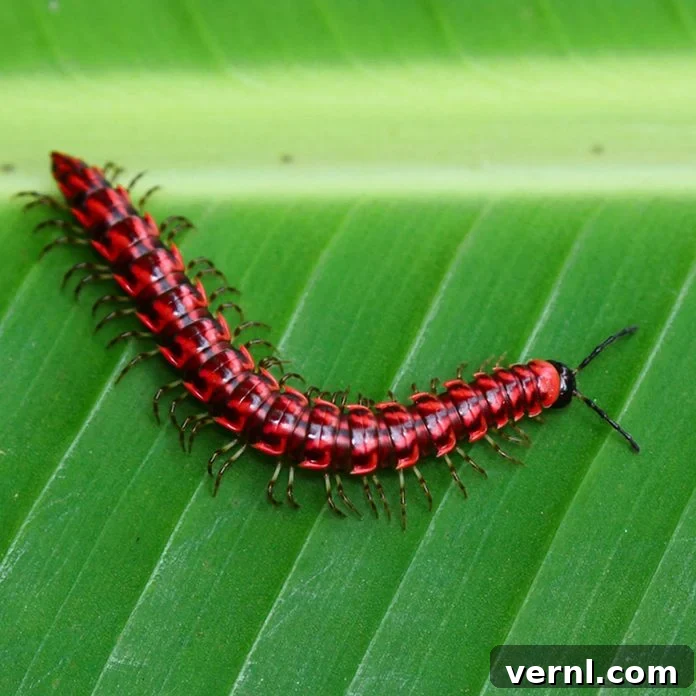
Often mistaken for centipedes, millipedes are multi-legged arthropods that prefer damp, dark environments. They are typically scavengers, feeding on decaying organic matter. While generally docile, they have a unique defense mechanism when threatened. As entomologist James Daniel Ricci points out, “Millipedes, the friendly, docile relatives of centipedes, can hurt humans when they’re threatened… The yellow-spotted millipede will curl into a ball when threatened, and leak hydrogen cyanide, a strong poison, onto the person holding it. This isn’t usually enough to kill a human, but you definitely should wash your hands thoroughly and avoid touching your face or eating food immediately after!”
How to Get Rid of Them: Millipedes typically enter homes seeking moisture. Reduce humidity in basements and crawl spaces with dehumidifiers. Seal cracks and openings in foundations and around ground-level windows and doors. Remove leaf litter, mulch, and other decaying organic matter from around the perimeter of your home, as these provide ideal habitats. Vacuum up any millipedes you find indoors.
Mosquitoes
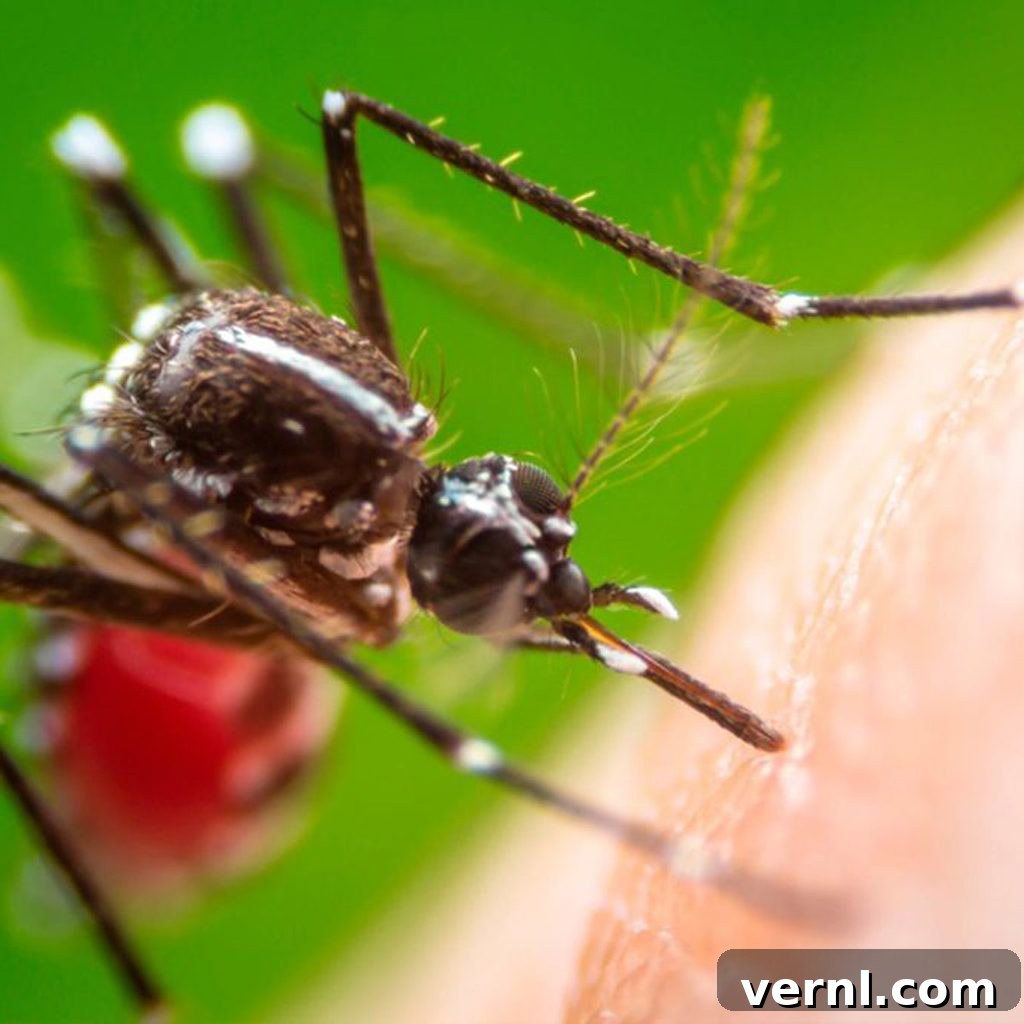
Mosquitoes are more than just annoying; they are a significant public health threat worldwide. These flying insects are vectors for numerous diseases, including West Nile virus, Zika virus, and various types of encephalitis in humans. In the United States, they can also transmit heartworms to pets like dogs and cats. They require standing water to lay their eggs, making stagnant water sources prime breeding grounds.
How to Get Rid of Them: The most effective way to control mosquitoes is to eliminate their breeding sites. Empty any standing water from bird baths, clogged gutters, old tires, pet water bowls, and planters regularly. Ensure window and door screens are intact to prevent them from entering your home. Use insect repellents when outdoors, especially during dawn and dusk. Mosquito dunks (Bti products) can be used in larger water features that cannot be drained.
Centipedes
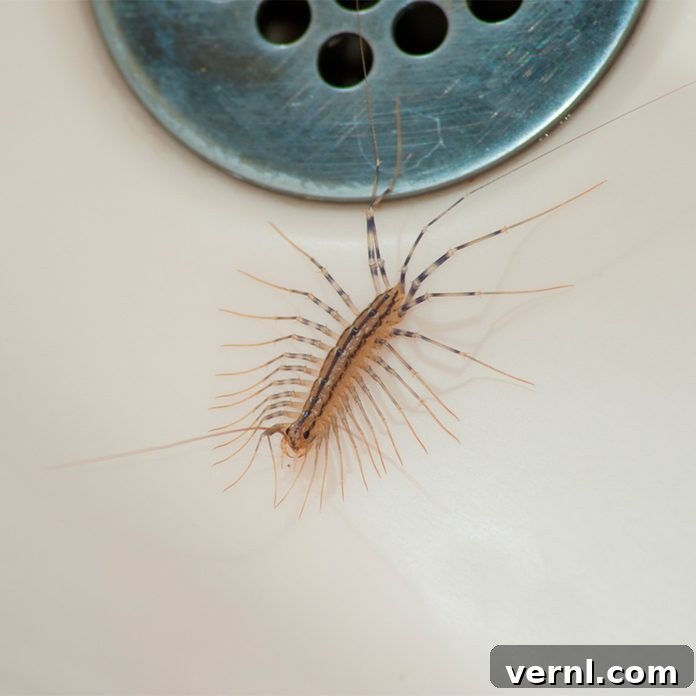
The sight of a house centipede darting across the floor can be startling. With their numerous legs (typically 15 pairs) and incredible speed (up to 1.3 feet per second), they seem impossible to catch. While their appearance can be alarming, house centipedes are actually beneficial predators, feeding on other household pests like spiders, silverfish, and cockroaches. They usually enter homes seeking food (other insects) or moisture.
How to Get Rid of Them: Rather than directly eliminating centipedes, focusing on what attracts them is more effective. Reduce moisture in your home by fixing leaky pipes, using dehumidifiers, and ensuring proper ventilation. Since they feed on other pests, controlling those populations will naturally reduce centipede numbers. Seal cracks and crevices in your foundation and around windows and doors to prevent entry. Learn more with a comprehensive centipede guide.
Fleas
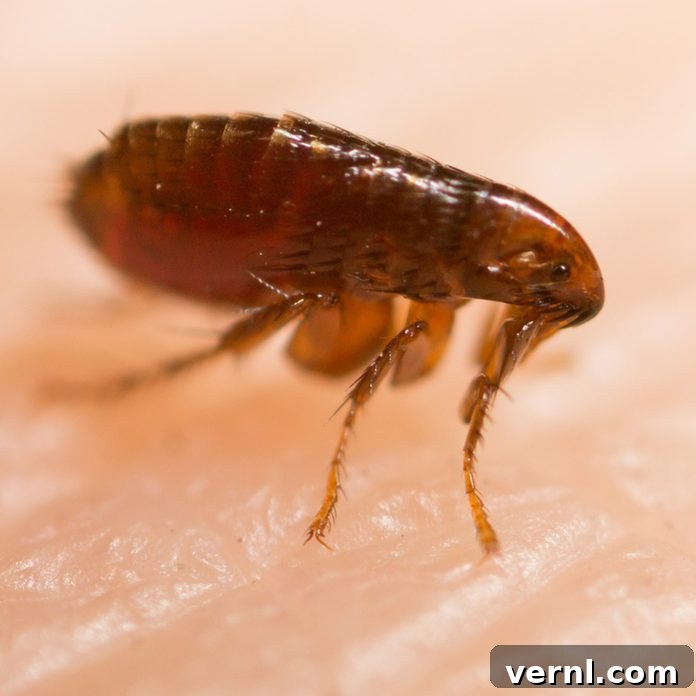
Fleas are tiny, wingless insects known for their ability to jump great distances and their itchy bites. They are most commonly associated with pets, which bring them indoors, but once inside, they can infest carpets, bedding, and furniture. Flea infestations tend to peak in warmer months, causing discomfort for both pets and humans.
How to Get Rid of Them: A multi-pronged approach is essential for fleas. Treat your pets with veterinarian-recommended flea medications. Thoroughly clean your home by vacuuming carpets, rugs, and upholstery daily, discarding the vacuum bag immediately after use to prevent re-infestation. Wash all pet bedding, linens, and curtains in hot water. In severe cases, you may need to use insect growth regulators (IGR) or specific flea treatments for your home. Prevention is key: consistently protect your pets with flea treatments and maintain good hygiene. For a detailed plan, see how to get rid of fleas the right way.
Spiders
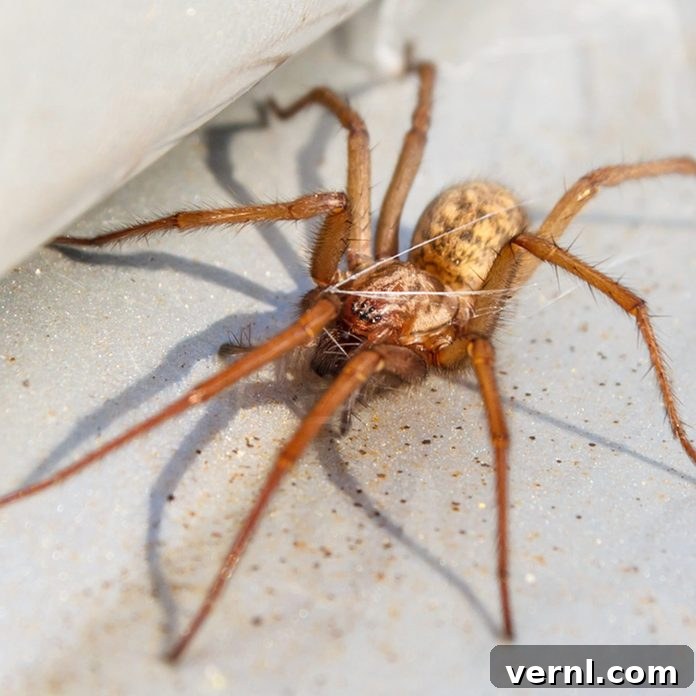
Spiders are often a source of fear or discomfort, even though most house spiders are harmless and can even be beneficial by preying on other insects. They typically enter homes seeking warmth, shelter, or food (other bugs). While they can help control other pest populations, many homeowners prefer not to share their living space with these eight-legged creatures.
How to Get Rid of Them: Reduce spider populations by tackling their food source: other insects. Keep your home clean and clutter-free, especially in basements, attics, and storage areas. Vacuum regularly to remove webs and egg sacs. Seal cracks and crevices in your home’s exterior to prevent entry. Place sticky traps in corners or areas where spiders are frequently seen. You can get rid of spiders with patience and the right tactics—but act quickly before they can lay their eggs!
Flies (General)
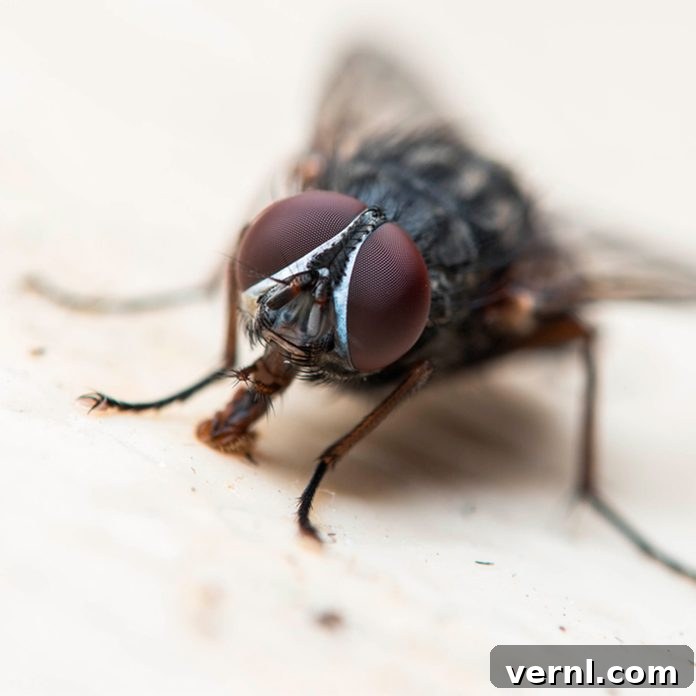
The United States is home to countless species of flies, from drain flies and blowflies to common houseflies. Regardless of their type, flies are universally annoying when they invade your indoor space. More concerning, flies are not only a nuisance but can also carry diseases and pose significant health hazards if an infestation is left unaddressed. They are attracted to decaying organic matter, food spills, and moisture.
How to Get Rid of Them: Sanitation is paramount. Keep your home impeccably clean, especially the kitchen and dining areas. Promptly clean up food spills, keep food stored properly, and empty trash cans regularly, ensuring they have tight-fitting lids. Install screens on windows and doors and repair any existing holes. Fly swatters are effective for individual flies, while fly traps (sticky traps or bait traps) can help control larger populations. Identifying the specific types of flies you’re dealing with can help tailor your approach.
Termites
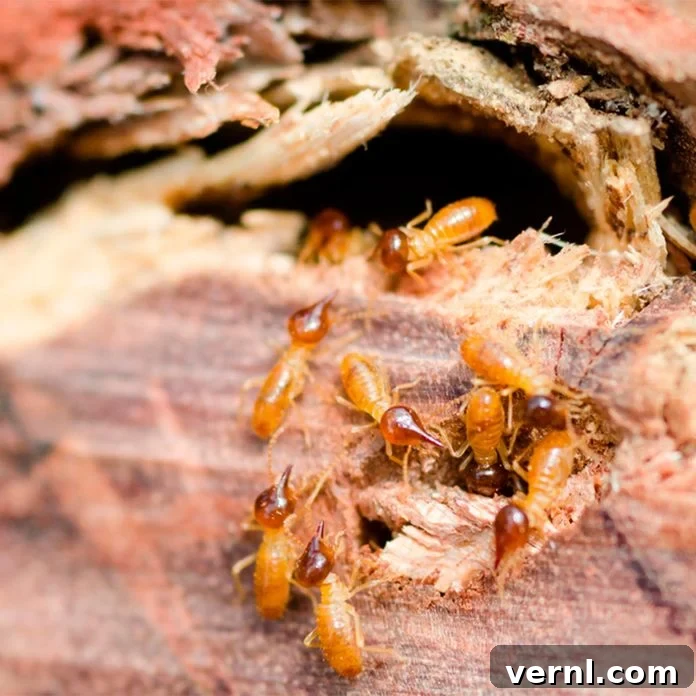
Termites are among the most destructive pests a homeowner can face. These silent destroyers can cause severe structural damage to your home, often unnoticed until the damage is extensive. Termites are notoriously difficult to get rid of completely without professional intervention due to their hidden colonies and relentless feeding habits on wood and other cellulose-based materials. Signs of their activity include mud tubes, discarded wings, and damaged wood that sounds hollow when tapped.
How to Get Rid of Them: If you suspect termites, it is crucial to deal with them immediately. While DIY products exist, they often only treat superficial areas. Professional pest control is highly recommended for effective and long-term eradication. Prevention involves managing moisture around your foundation, ensuring proper drainage, repairing leaky pipes, and keeping wood away from soil contact. Regular inspections are vital, especially in regions prone to termites.
Gnats (Prevention Focus)
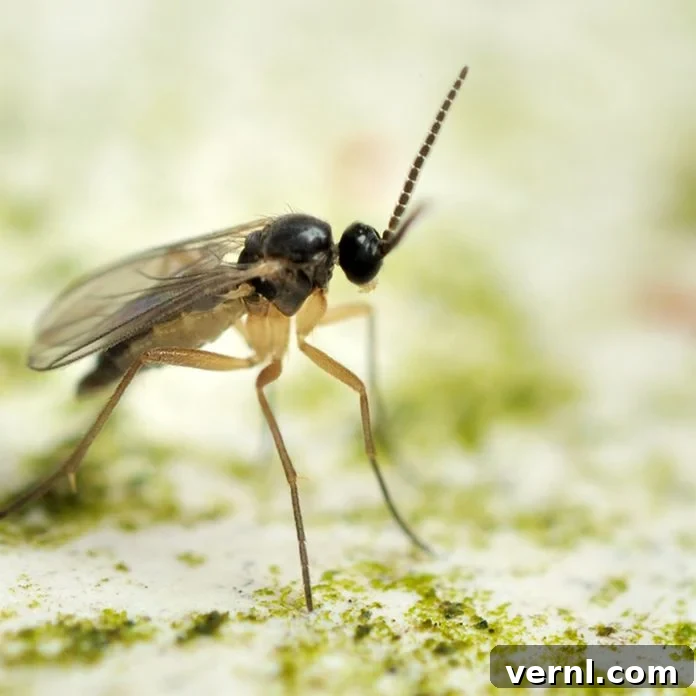
While we’ve covered the gnat trap, understanding gnat prevention is key to long-term control. Gnats, particularly fungus gnats and drain gnats, can become particularly annoying once they establish themselves indoors, often going unnoticed until an infestation is well underway. Gnats have relatively short lifespans, so eliminating their breeding sites is crucial.
How to Get Rid of Them: For fungus gnats, which breed in moist soil, avoid overwatering houseplants and allow the top layer of soil to dry out between waterings. You can also cover the top inch of soil with sand or fine gravel to deter egg-laying. For drain gnats, which breed in the organic film inside drains, regularly clean your drains with a stiff brush and a cleaning solution (like baking soda and vinegar, followed by hot water). Ensure your trash cans are closed tightly and all garbage is thoroughly bagged to prevent any gnats or fruit flies from finding their way to decaying organic matter.
Bed Bugs
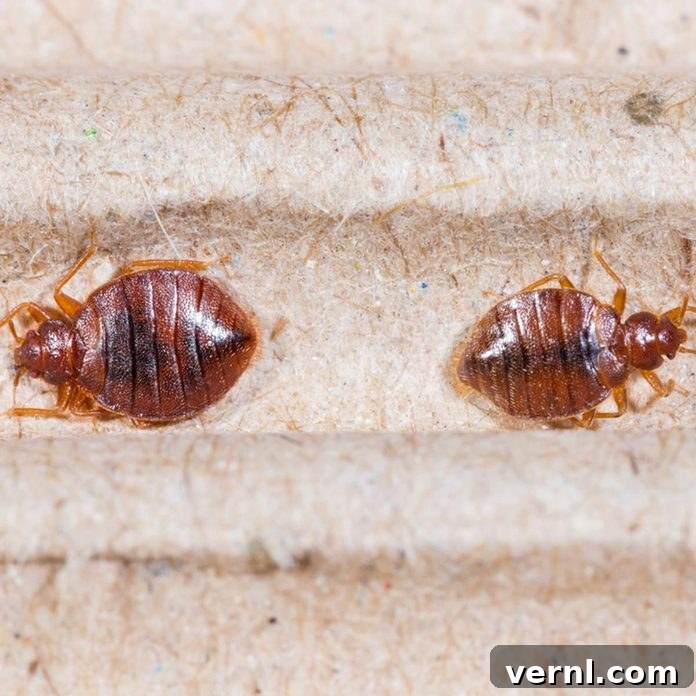
Bed bugs are small, flat, oval-shaped, wingless, and brown insects that feed on the blood of humans and animals. They are notorious for their elusive nature and the difficulty of eradicating them. Bed bugs typically hide in mattresses, bed frames, bedding, furniture, carpets, baseboards, and any bedroom clutter, emerging at night to feed. Bites usually appear as itchy red welts, often in a line or cluster.
How to Get Rid of Them: Preventing a bed bug infestation requires vigilance and a comprehensive approach. Before you can do anything, you must identify them and their hiding spots. Thoroughly inspect mattresses (especially seams), box springs, bed frames, and furniture for live bugs, shed skins, or tiny dark spots (fecal matter). Vacuum regularly and immediately seal and dispose of the vacuum bag outside. Wash all infested bedding and clothing in hot water and dry on the highest heat setting. Steam cleaning can kill bugs and eggs. Encase mattresses and box springs with bed bug covers. Due to their resilience, professional pest control is often necessary for complete eradication.
Cockroaches
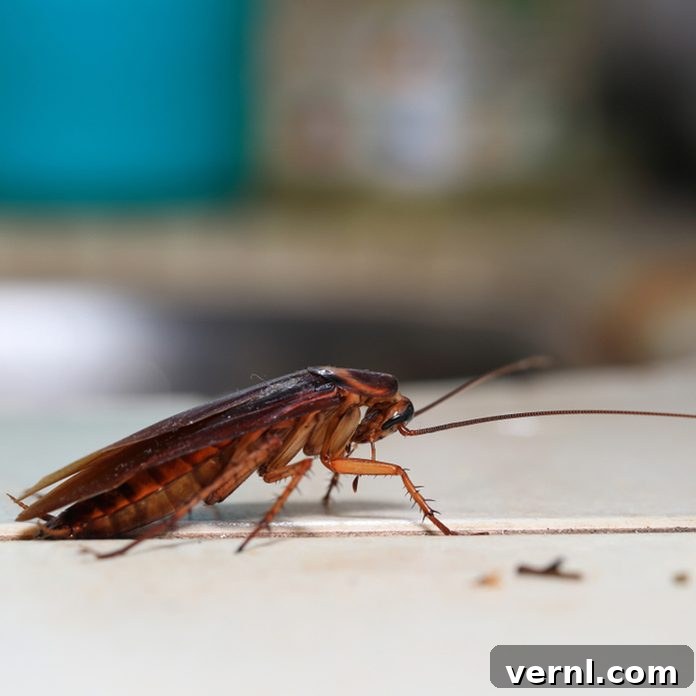
Cockroaches are resilient, nocturnal pests known for being hard to track down and permanently remove. They are attracted to food, water, and shelter, thriving in kitchens, bathrooms, and basements. Cockroaches can spread bacteria and allergens, posing health risks, and their presence is often associated with unsanitary conditions. However, they only linger in areas rich in resources, which is their weakness.
How to Get Rid of Them: The most effective way to get rid of cockroaches is to eliminate their food and water sources and seal entry points. Maintain strict hygiene: clean up food crumbs immediately, store food in airtight containers, wash dishes promptly, and fix any leaky pipes or dripping faucets. Seal cracks and crevices in walls, floors, and around pipes. Use boric acid, gel baits, or sticky traps strategically. As for prevention, don’t give cockroaches any hiding places to run to when discovered. Most importantly, remove any debris or unnecessary supplies from your house, including stacks of cardboard, magazines, and newspapers which cockroaches love. Try to keep everything off the floor unless it is necessary to store it there.
Ants
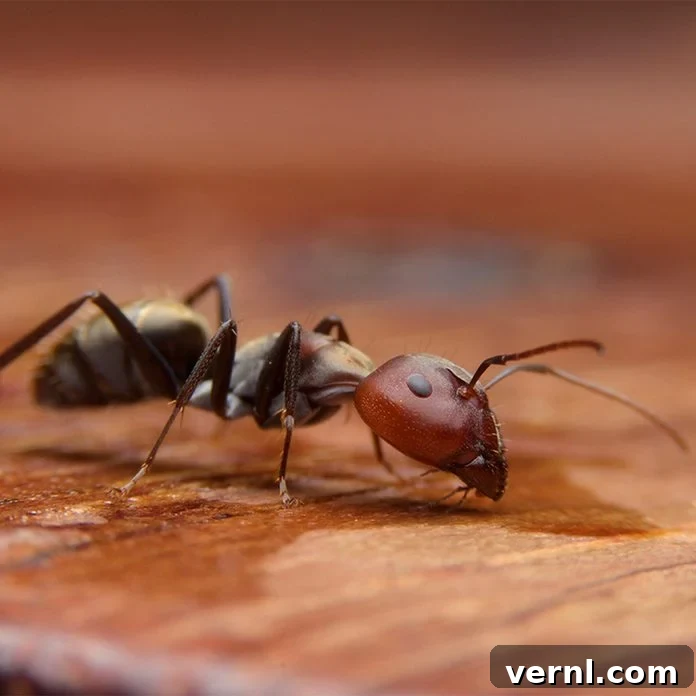
When you spot a single ant, your first instinct might be to squash it. However, that ant is likely a scout, foraging for food to take back to its colony. Killing a scout ant only eliminates one individual; for every ant you see, hundreds more may be hiding within the house. Using these scouts to your advantage is a smarter strategy. Ants are attracted to sweets, greases, and proteins.
How to Get Rid of Them: The goal is to wipe out the entire colony of house bugs. Place ant baits near where you see the ants. The scout ants will take the bait (which contains a slow-acting poison) back to the nest, sharing it with the queen and other ants, effectively eliminating the colony. Simultaneously, remove all visible food sources, clean up spills immediately, and store food in sealed containers. Seal entry points, such as cracks in foundations, gaps around windows, and utility line entry points. For more detailed methods, explore how to get rid of ants.
Ticks
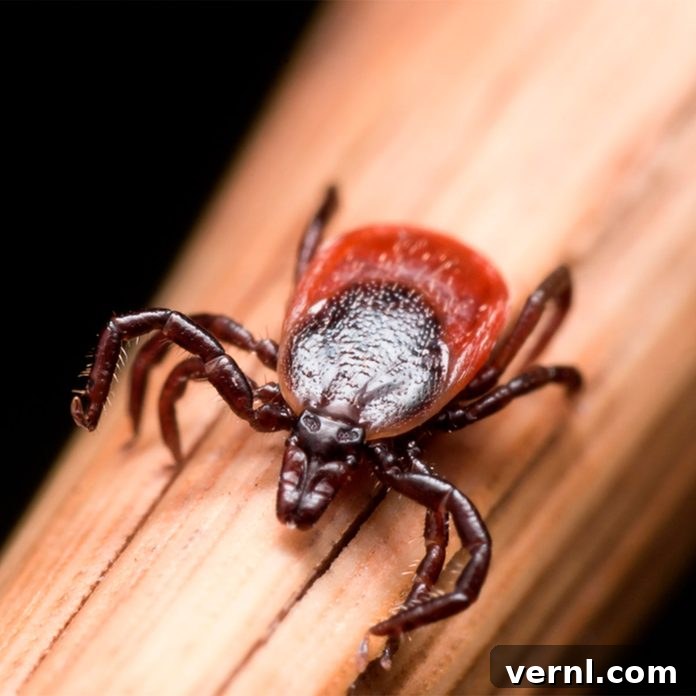
Ticks are dangerous pests to both humans and pets because they can transmit various serious diseases, most notably Lyme disease. They typically latch onto hosts in wooded or grassy areas and can then be brought into homes. Preventing ticks from entering your home and yard is crucial for health and safety.
How to Get Rid of Them: Effective tick control involves managing your outdoor environment and personal protection. Keep your lawn mowed, clear leaf litter, and trim shrubs and tall grasses, especially along property edges. Create a barrier of wood chips or gravel between wooded areas and your lawn. When spending time outdoors, wear long pants and sleeves, and use insect repellent containing DEET or permethrin. Always perform thorough tick checks on yourself, your children, and your pets after outdoor activities. Preparing your home and yard can significantly help keep ticks away. If you find an embedded tick, remove it carefully with tweezers.
Frequently Asked Questions About House Pest Control
Why do bugs come into my house?
Bugs primarily enter your home seeking three things: food, water, and shelter. They might be drawn by crumbs on the floor, leaky pipes providing moisture, or simply looking for a warm, safe place to escape harsh weather conditions outside. Poor sanitation, accessible food sources, and structural vulnerabilities in your home are common attractants.
What natural methods work for repelling bugs?
Many natural methods can effectively repel bugs. One of the most foundational and effective strategies is to keep your home meticulously clean and well-sealed. Vacuum regularly and clean up spills right away, as crumbs and food residues are major attractants. Empty the trash frequently and store it in sealed containers away from your home until disposal. Also, diligently seal any gaps, cracks, or holes in your home’s exterior, including around windows, doors, and utility lines, to prevent bugs from gaining entry. Essential oils like peppermint, tea tree, and lavender can also act as deterrents for some pests when used in sprays or diffusers.
When should I call pest control?
While DIY methods are highly effective for many common pest issues, there are times when professional pest control is necessary. If your DIY efforts have failed to reduce the pest population, if the infestation seems to be growing rapidly, or if you are dealing with dangerous pests like termites, bed bugs, or aggressive spiders, it’s time to call a professional. Experts have specialized knowledge, equipment, and treatments to handle severe or persistent infestations safely and effectively.
How can I prevent future pest infestations?
Prevention is always better than cure. Beyond the methods mentioned above, regularly inspect your home for new cracks or vulnerabilities. Keep your yard tidy, removing debris, standing water, and overgrown vegetation that can harbor pests. Store firewood away from your house. Consider using natural deterrents around entry points. Vigilance and consistent home maintenance are your best allies against future pest problems.
Expert Insights on Pest Management
Our comprehensive pest control advice benefits from the wisdom of leading entomology experts:
- James Daniel Ricci: An accomplished entomologist and the co-founder and chief science officer of Ovipost, a company at the forefront of insect rearing automation. His insights into insect behavior and defense mechanisms are invaluable.
- Ian Williams: A board-certified entomologist specializing in urban entomology, currently serving as a technical services manager for Rollins Inc. His expertise provides practical solutions for pest challenges in residential settings.
- Joseph Spagna, Ph.D.: Formerly an associate professor of biology at William Paterson University, Dr. Spagna’s academic background offers a deep understanding of insect biology and interaction with humans.
These experts contribute to our understanding of pest behavior and guide effective, safe management strategies for your home.