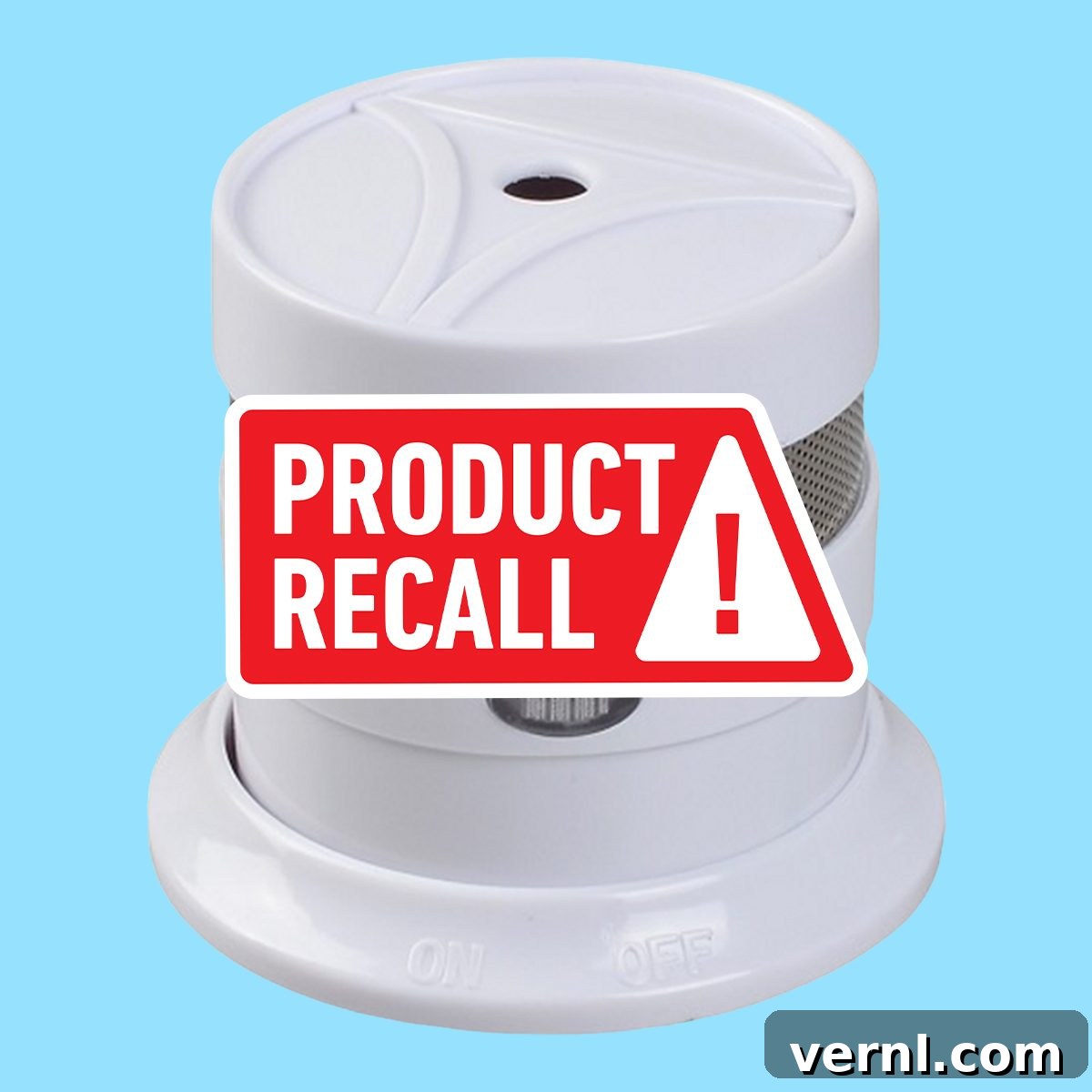
Home safety is a paramount concern for every household, and at its core lies the vigilant protection offered by properly functioning smoke alarms. These devices are designed to be the first line of defense against the devastating threat of fire, providing precious moments for occupants to escape to safety. It is precisely because of their life-saving function that a recent recall involving a popular smoke alarm model, the Samurai Mini Smoke Alarm, has raised serious alarms within the consumer safety community. This isn’t just a minor product defect; it’s a critical malfunction that could render these essential devices utterly useless in a real emergency, effectively defeating their entire purpose.
With over 300,000 units affected across homes nationwide, this is more than just a cautionary tale – it’s an urgent call to action that no homeowner can afford to overlook. The potential consequences of an undetected fire are catastrophic, ranging from severe property damage to tragic loss of life. Therefore, understanding the specifics of this recall and taking immediate preventative steps is not merely recommended; it is absolutely essential for the safety and well-being of you and your loved ones.
This comprehensive guide will walk you through every critical detail of the Samurai Mini Smoke Alarm recall. We will identify the specific models involved, delve into the grave reasons behind the recall, and provide clear, actionable steps you must take if your device is among the affected units. Your proactive response could be the difference between safety and disaster.
Which Smoke Alarms Are Affected by This Urgent Recall?
The recall specifically targets the Samurai Mini Smoke Alarms, a product manufactured by Three61 LLC. These compact and aesthetically designed alarms are identifiable by their approximate dimensions of 2.5 x 2.5 inches and their distinct silver and white coloration. To confirm if your device is part of this recall, locating the model number is crucial. This identifier, SM1, is typically found on the product’s packaging. It is highly advisable to retrieve any original packaging you may still possess to quickly verify this detail.
The scope of this recall is substantial, encompassing an estimated 328,000 units. These alarms were distributed and sold over an extensive period, from July 2020 through November 2024. The primary sales channels for these devices were exclusively through HSN, formerly known as the Home Shopping Network, and its online platform, HSN.com. This long sales window means a significant number of households across various regions could potentially have one of these defective alarms installed.
If you no longer have the original packaging, don’t despair. The model number SM1 might also be printed directly on the back or side of the alarm unit itself. Carefully remove the alarm from its mounting bracket (if safely possible) and inspect the casing for any printed labels or engraved markings that indicate the model number. It’s imperative not to confuse these with other similar-looking smoke alarms or models from different manufacturers, as only the Samurai Mini Smoke Alarm (model SM1) from Three61 LLC is implicated in this recall. Taking the time to accurately identify your alarm is the first and most important step towards ensuring your home’s safety.
Why Are Samurai Mini Smoke Alarms Being Recalled? The Critical Safety Risk Explained
The reason for the recall is profoundly serious: the Samurai Mini Smoke Alarms can malfunction and, critically, fail to alert consumers of a fire. This defect poses an immediate and severe risk of smoke inhalation, injury, or even death in the event of a household fire. The very essence of a smoke alarm is to provide an early warning, giving occupants precious time to react and evacuate. A device that cannot perform this fundamental function is not only ineffective but can foster a false sense of security, potentially leading to tragic consequences.
This alarming defect was brought to light through rigorous testing conducted by the U.S. Consumer Product Safety Commission (CPSC). The CPSC is the federal agency responsible for protecting the public from unreasonable risks of injury or death associated with consumer products. Their investigation confirmed the severity of the issue: during CPSC testing, at least one of the Samurai Mini Smoke Alarms failed to activate and emit an alert sound when exposed to smoke under controlled conditions. This single confirmed failure is enough to warrant a widespread recall, as it indicates a systemic problem in the product’s reliability.
Further solidifying the concerns, Three61 LLC has received eight reports from consumers detailing instances where their Samurai Mini Smoke Alarms reportedly failed to activate when exposed to smoke. While it is fortunate that, as of the time of this recall, no injuries have been reported in connection with this specific defect, the existence of these reports underscores the real-world manifestation of the malfunction. The absence of reported injuries so far should not diminish the urgency or perceived risk. It simply means that, by luck or other safety measures, these failures have not yet resulted in physical harm, but the potential remains terrifyingly high. A smoke alarm’s failure is a gamble with lives, and this recall aims to eliminate that risk entirely.
Understanding how smoke alarms work highlights the gravity of this defect. Most modern smoke alarms use either ionization or photoelectric technology, or a combination of both, to detect smoke particles. An ionization smoke alarm is generally more responsive to fast-flaming fires, while a photoelectric alarm is more responsive to smoldering fires. Regardless of the underlying technology, any malfunction that prevents the sensor from detecting smoke or the alarm from sounding its alert compromises the entire system. In the case of the Samurai Mini, the reported failure indicates a critical breakdown in this life-saving chain of events.
What Steps Should You Take If Your Samurai Mini Smoke Alarm Is Recalled?
If you have identified your smoke alarm as one of the affected Samurai Mini models (SM1), it is absolutely crucial to take immediate action. Three61 LLC has established a clear and straightforward process to ensure that all defective units are replaced promptly and without cost to the consumer. Here’s a step-by-step guide to navigating the recall process:
1. Do Not Remove Your Existing Alarm Yet
This is a critical piece of advice from Three61 LLC: do not immediately remove your defective alarm from its installed location. Keep the potentially faulty alarm installed until you receive your replacement unit. While the existing alarm has a known defect, there’s a chance it might still function, offering at least some level of protection during the interim period. Removing it prematurely would leave your home entirely unprotected, which is a greater risk.
2. Mark Your Defective Alarm
Once you have confirmed your alarm is part of the recall, take a permanent marker and clearly write the word “Recalled” on the alarm’s casing. This marking serves two purposes: it ensures that you won’t accidentally reinstall the defective unit later, and it provides photographic proof for the recall submission process.
3. Submit Your Photo and Information Online
The next step is to submit a photo of your marked alarm through the designated recall website. Visit www.samuraibrands.com/recall. On this website, you will find instructions for uploading the photo of your “Recalled” marked alarm and providing any necessary personal information for shipping your replacement. Ensure the photo clearly shows both the alarm and the “Recalled” marking.
4. Await Your Free Replacement
Upon successful submission of your information and photo, Three61 LLC will process your request and send you a brand-new, compliant replacement alarm. This replacement, along with the shipping, will be provided at no cost to you. Make sure to provide accurate shipping information during your submission to avoid delays.
5. Install Your New Alarm Immediately Upon Receipt
Once your replacement Samurai Mini Smoke Alarm arrives, do not delay. Remove the old, marked alarm and immediately install the new one in its place. Follow the manufacturer’s instructions for proper installation to ensure optimal performance and coverage. After installation, always perform a test by pressing the test button to confirm the new alarm is functioning correctly.
6. Proper Disposal of the Old Alarm
After your new alarm is securely installed and tested, it’s time to dispose of the old, defective unit. It is crucial to comply with all local and state ordinances regarding the disposal of electronic devices, particularly those containing lithium-ion batteries. Lithium-ion batteries, often found in many smoke alarm models, require special handling due to their potential environmental impact and fire risk if improperly disposed of. Do not simply throw the old alarm in your regular household trash. Check with your local waste management facility or municipal recycling programs for specific guidelines on electronic waste or battery disposal. Many communities have designated drop-off points for these items.
Contact Information for Further Assistance
Should you have any questions or require further assistance regarding this recall, Three61 LLC is available to help. You can reach them via email at [email protected] or visit their dedicated recall website at www.samuraibrands.com/recall for additional information, frequently asked questions, and updates.
Beyond the Recall: Essential Home Fire Safety Tips
While addressing this specific recall is critical, it’s also an opportune moment to review and reinforce overall home fire safety practices. Smoke alarms are just one component of a comprehensive fire safety plan.
- Regular Testing: Test all your smoke alarms monthly by pressing the test button. This ensures the batteries and the alarm’s electronic components are working.
- Battery Replacement: Replace the batteries in all battery-powered smoke alarms at least once a year, or immediately if the alarm chirps to indicate low battery power. For alarms with 10-year sealed batteries, replace the entire unit after 10 years or according to the manufacturer’s instructions.
- Placement: Install smoke alarms on every level of your home, including the basement, and inside every bedroom and outside each sleeping area.
- Fire Escape Plan: Develop and practice a home fire escape plan with everyone in your household. Know two ways out of every room and establish a designated outside meeting point. Practice the drill at least twice a year.
- Carbon Monoxide Alarms: Consider installing carbon monoxide alarms alongside smoke alarms, especially if your home has fuel-burning appliances.
- Extinguishers: Keep a functional fire extinguisher in an easily accessible location, such as the kitchen, and know how to use it properly.
The prompt resolution of this recall is a vital step in safeguarding your home and family. By following these instructions and maintaining vigilance over your fire safety measures, you contribute significantly to a safer living environment for everyone. Your proactive engagement in this recall ensures that the devices intended to protect you are indeed reliable when it matters most.
Source
CPSC.gov: “Three61 Recalls Samurai Mini Smoke Alarms Due to Failure to Alert Consumers to a Fire; Sold Exclusively by HSN” (2024)