Luxury Vinyl Plank (LVP) flooring has surged in popularity, celebrated for its stunning aesthetics that mimic natural wood, exceptional durability, and impressive resistance to moisture. It’s an investment that significantly enhances the beauty and functionality of any home. However, to truly preserve its pristine condition and extend its lifespan, proper cleaning and maintenance are paramount. Overlooking the specific care requirements of LVP can lead to unsightly cosmetic damage or even irreversible structural issues, as some homeowners have unfortunately discovered through costly mistakes like using excessive water or harsh cleaning agents.
To ensure your LVP floors remain a showstopper for years to come, we’ve gathered invaluable insights from leading professional house cleaning experts. Alessandro Gazzo of Emily’s Maids in Dallas, and Alex Varela, general manager of Dallas Maids of Frisco in Frisco, Texas, share their industry-tested strategies and product recommendations. Their expertise will guide you through the best practices for cleaning LVP, helping you avoid common pitfalls and maintain your floors’ elegance and integrity.
Understanding Luxury Vinyl Plank (LVP) Flooring: A Foundation for Proper Care
Luxury Vinyl Plank (LVP) flooring stands out in the flooring market due to its advanced construction and versatile design. Unlike traditional sheet vinyl, LVP is engineered in individual planks, often featuring embossed textures that convincingly replicate the look and feel of authentic hardwood or even stone. This layered composition is key to its superior performance.
The Anatomy of LVP: More Than Just Vinyl
LVP typically consists of four primary layers, each contributing to its overall durability and appeal:
- Wear Layer: This transparent top layer is crucial for protecting the floor from scratches, scuffs, and stains. Its thickness varies, with thicker wear layers offering greater resistance and durability, especially important in high-traffic areas.
- Design Layer: Located beneath the wear layer, this is where the high-resolution photographic image of wood grain or stone pattern is applied. This layer is responsible for LVP’s realistic aesthetic appeal.
- Core Layer: The heart of the plank, this layer provides stability and water resistance. Modern LVP often features a rigid core (SPC – Stone Plastic Composite or WPC – Wood Plastic Composite), which significantly enhances its structural integrity and makes it impervious to moisture, unlike traditional laminate flooring with its wood particle core.
- Backing Layer: The bottom layer offers additional stability and can sometimes include an attached underlayment for sound absorption and added comfort underfoot.
The multiple layers make LVP remarkably durable and comfortable to walk on compared to standard vinyl. Furthermore, unlike laminate flooring, whose wood particle core is highly susceptible to water damage, the vinyl or composite core of LVP is engineered to withstand moisture, making it an excellent choice for kitchens, bathrooms, and basements.
Why LVP Cleaning Requires a Specific Approach
Cleaning LVP flooring shares similarities with other plank flooring options such as natural hardwood, engineered hardwood, and laminate. However, there are critical distinctions that necessitate a specialized approach to prevent damage and ensure longevity.
The Hidden Danger of Excess Moisture
While LVP itself is highly water-resistant, the installation method creates seams between individual planks. These seams, though tight, can allow standing water to seep through and potentially damage the subfloor below. This can lead to serious issues such as mold growth, mildew, subfloor rot, or even cause the LVP planks themselves to lift or buckle. Therefore, a cardinal rule for LVP maintenance is to use the absolute minimum amount of liquid when mopping. “Damp” is the keyword, never “soaking wet.”
The Irreversible Nature of Scratches
Another crucial difference lies in LVP’s surface characteristics. Unlike hard flooring options like ceramic tile or natural stone that can withstand more abrasive contact, or natural hardwood that can be sanded and refinished, LVP features a protective wear layer that cannot be repaired once significantly scratched. Dirt, grit, and grime act like sandpaper underfoot, gradually eroding this vital layer. Once the wear layer is compromised, the scratches become permanent and can detract significantly from the floor’s appearance. This makes frequent sweeping or vacuuming an essential preventative measure to keep the surface clear of abrasive particles.
Essential Products for Pristine LVP Floors
According to both Alessandro Gazzo and Alex Varela, maintaining beautiful, dirt-free LVP floors doesn’t require an arsenal of expensive, specialized products. A few basic, high-quality cleaning items are all you need to keep your floors looking their best and protect your investment.
- Broom and Dustpan: Regular sweeping is your first line of defense against scratches. A standard soft-bristle broom is perfectly sufficient for collecting loose dirt, dust, and debris. Consider a broom with an angled head for easily reaching into corners and along baseboards. Models that include a cleaning comb on the dustpan are excellent for removing pet hair and dust bunnies from the broom bristles. For instance, this O-Cedar model is a popular choice due to its ergonomic design and integrated cleaning features.
- Microfiber Mop: Gazzo strongly advises against using traditional string mops, which tend to saturate the floor with too much water. Microfiber mops are superior because their highly absorbent fibers effectively trap dirt and grime while allowing for precise control over moisture application. Look for a mop system with a built-in wringer that lets you squeeze out excess water, ensuring the mop head is just damp, not dripping wet. Our experience with this O-Cedar mop with a bucket wringer has been exceptional, providing optimal dampness for LVP cleaning.
- White or Apple Cider Vinegar: For a natural and effective cleaning solution, standard strength vinegar is an excellent choice. The acidity in vinegar is ideal for cutting through dirt and grime without leaving behind a sticky or dulling residue. Varela particularly recommends apple cider vinegar, noting that it offers the same powerful cleaning properties as white vinegar, plus “a little extra pleasant fragrance,” which can leave your home smelling fresh. Always dilute vinegar with water to prevent any potential damage or dulling over time.
- pH-Neutral Floor Cleaner: While vinegar is great for general cleaning, some prefer a dedicated floor cleaner. It’s crucial to select a pH-neutral option. Standard household cleaners, especially those containing harsh chemicals like ammonia or strong detergents like dish soap, can strip the finish of LVP, leaving behind streaks, dulling the surface, or even causing discoloration. Varela emphasizes the importance of pH neutrality to protect the integrity of your floor’s wear layer. This Bona floor cleaner is a highly recommended pH-neutral solution that is safe for vinyl and laminate floors, and importantly, is ammonia-free.
Products to Strictly Avoid on LVP Flooring:
- Abrasive Cleaners: Powders, scouring pads, or stiff-bristled brushes can scratch the wear layer permanently.
- Ammonia-Based Cleaners: Ammonia can be too harsh for LVP, potentially dulling or discoloring the finish over time.
- Wax or Polish: LVP flooring comes with a factory-applied wear layer that does not require waxing or polishing. Adding these products can create a sticky residue, attract more dirt, and make the floor slippery.
- Steam Mops: The high heat and intense moisture from steam mops can cause the planks to warp, lift, or damage the adhesive, compromising the floor’s integrity.
- Oil-Based Cleaners or Soaps: These can leave a greasy residue that attracts dirt and makes the floor appear dull and streaky.
Step-by-Step Guide: How to Clean Luxury Vinyl Plank Flooring Effectively
Alex Varela affirms that LVP flooring is remarkably easy to clean, provided you follow the correct methods. Regular sweeping and light mopping are often sufficient to ensure your LVP floors maintain their beauty and last for many years. Here’s a detailed approach:
- Initial Dry Cleaning: Sweep or Vacuum Thoroughly:
Begin by meticulously removing all loose sand, dirt, dust, and debris from your LVP floors. This crucial first step prevents abrasive particles from scratching the surface when you proceed to mop. Use a soft-bristled broom or a vacuum cleaner equipped with a “bare floor” setting or a soft brush attachment. Ensure there are no rotating brush bars that could scuff or damage the LVP finish. Pay special attention to corners, edges, and underneath furniture where dust and grit tend to accumulate. This pre-cleaning prepares the surface optimally for wet cleaning.
- Prepare Your Gentle Cleaning Solution:
For an effective yet gentle cleaning solution, Varela recommends a simple mixture. Combine half a cup of apple cider vinegar (or white vinegar) and half a cup of a pH-neutral floor cleaner with one gallon of warm (not hot) water. Stir the solution gently to ensure it’s well mixed. Using warm water helps to dissolve dirt and grime more effectively than cold water, but excessively hot water should be avoided as it can potentially harm the LVP or affect the adhesive over time.
- Mop with Precision: The “Lightly Damp” Technique:
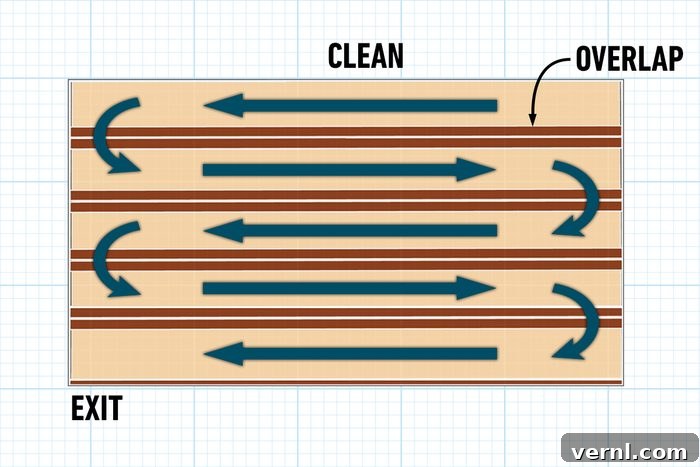
Dip your microfiber mop into the cleaning solution, then wring it out thoroughly until it is just lightly damp, not dripping wet. The goal is to apply only enough liquid to clean the floors without leaving any excess moisture behind. If your mop leaves puddles or streaks, you’ve used too much water. Begin mopping in the furthest corner of the room, working your way backward towards the exit. This prevents you from walking on freshly mopped areas, which could leave footprints or smudges. Varela suggests a specific technique: “Mop your path forward, then move slightly to the side and mop backwards, overlapping the previous path by about half. Repeat this over the entire length of the floor. This way you will cover the entire surface twice, more than enough to clean your floors properly.” For faster drying and to prevent water spots, Varela adds that “leaving your windows open can speed up drying.” Always allow the floor to air dry completely before allowing foot traffic.
How Often Should You Clean Your Luxury Vinyl Plank Flooring?
The frequency of your LVP cleaning regimen largely depends on the specific dynamics of your household. Factors such as foot traffic, the presence of pets or young children, cooking habits, and general activity levels will dictate how often your floors need attention. However, a consistent routine is key to long-term preservation.
Daily to Every Other Day: Essential Dry Cleaning
Sweeping or vacuuming your LVP flooring often is an absolute must, regardless of your household’s activity level. This frequent dry cleaning prevents the accumulation of gritty dirt and sand, which are the primary culprits behind permanent scratches on the wear layer. In high-traffic areas or homes with pets and kids, a quick sweep or vacuum daily is highly recommended. For less active households, every other day might suffice.
Weekly to Bi-Weekly: Damp Mopping for Deeper Clean
When it comes to damp mopping, professional recommendations vary slightly, offering flexibility based on your home’s needs:
- High-Traffic Homes (with pets or children): Mannington, a prominent LVP manufacturer, recommends mopping at least once per week. Alessandro Gazzo concurs, stating that “every other day is fine” for sweeping, and “LVP should also be mopped once a week if you have pets or kids.” This regular wet cleaning helps to lift embedded dirt, spills, and grime that dry sweeping might miss, keeping your floors hygienic and visually appealing.
- Low-Traffic Homes (without pets or children): If your household is quieter, with fewer spills and less tracked-in dirt, you can extend the mopping frequency slightly. Gazzo suggests mopping “at least twice a month if you don’t” have pets or kids. This still provides a sufficient level of cleanliness and ensures the longevity of your flooring without excessive moisture exposure.
Ultimately, observe your floors. If they look dull, feel sticky, or show visible grime, it’s time for a mop, regardless of the schedule. Consistency in cleaning, tailored to your home’s environment, is the best strategy for preserving the beauty and durability of your luxury vinyl plank flooring.
Advanced LVP Maintenance: Tackling Spills and Stains
Despite regular cleaning, accidents happen. Knowing how to quickly and effectively address spills and stains is crucial for preventing permanent damage to your LVP floors.
- Immediate Spill Cleanup: Always tackle spills as soon as they occur. Blot (do not rub) the liquid with a clean, dry cloth or paper towel. For sticky spills, wipe with a damp cloth and a mild solution of pH-neutral cleaner. Prompt action prevents stains from setting in and reduces the risk of moisture seeping into seams.
- Food and Beverage Stains: For common food and drink spills, a diluted mixture of vinegar and water, or your pH-neutral cleaner, should be sufficient. Apply the solution to a clean cloth and gently wipe the stain until it disappears. Rinse the area with a clean, damp cloth and dry thoroughly.
- Grease and Oil Stains: For tougher grease or oil spots, apply a small amount of rubbing alcohol (isopropyl alcohol) to a clean cloth and gently rub the stain. You can also try a small drop of undiluted pH-neutral floor cleaner directly on the spot, letting it sit for a minute before wiping clean. Always rinse and dry the area afterward.
- Ink, Marker, or Scuff Marks: For ink, marker, or stubborn scuff marks (from shoes, for example), rubbing alcohol or a dab of nail polish remover (acetone-free is preferable if available) on a clean white cloth can work wonders. Test on an inconspicuous area first to ensure it doesn’t affect the finish. Wipe gently, then clean with your regular LVP solution, rinse, and dry.
Long-Term Care Tips for Extending Your LVP Floor’s Life
Beyond routine cleaning, incorporating these preventative measures into your household habits will significantly extend the life and beauty of your LVP flooring:
- Use Entry Mats: Place welcome mats at all exterior entrances to trap dirt, moisture, and abrasive particles before they can be tracked onto your LVP floors. This is one of the simplest yet most effective preventative measures.
- Felt Furniture Pads: Apply felt pads to the bottoms of all furniture legs, chairs, and tables. This prevents scratches and gouges when furniture is moved. Regularly check and replace these pads as they wear down.
- Avoid Rolling Chairs with Hard Wheels: If you have office chairs or other furniture with casters, ensure they have soft, rubber wheels designed for hard flooring. Hard plastic or metal wheels can easily scratch LVP. Consider using floor mats under rolling chairs.
- Pet Nail Maintenance: Keep your pets’ nails trimmed short. Long, sharp claws can scratch the wear layer of your LVP over time, especially with active animals.
- Mind Your Footwear: While LVP is durable, high heels or shoes with worn, sharp soles can cause indentations or scratches. Consider removing outdoor shoes indoors, especially those with aggressive treads.
- Protect from Direct Sunlight: Prolonged exposure to intense direct sunlight can sometimes cause fading or discoloration over many years. Use curtains, blinds, or UV-filtering window films during peak sun hours to protect your floors.
- Avoid Dragging Heavy Objects: When moving furniture or heavy appliances, always lift them rather than dragging them across the floor. Use appliance sliders or place plywood sheets down to protect the LVP surface during heavy moving.
By combining consistent, proper cleaning techniques with thoughtful preventative care, your luxury vinyl plank flooring will continue to provide a beautiful, durable, and low-maintenance foundation for your home for many years to come.