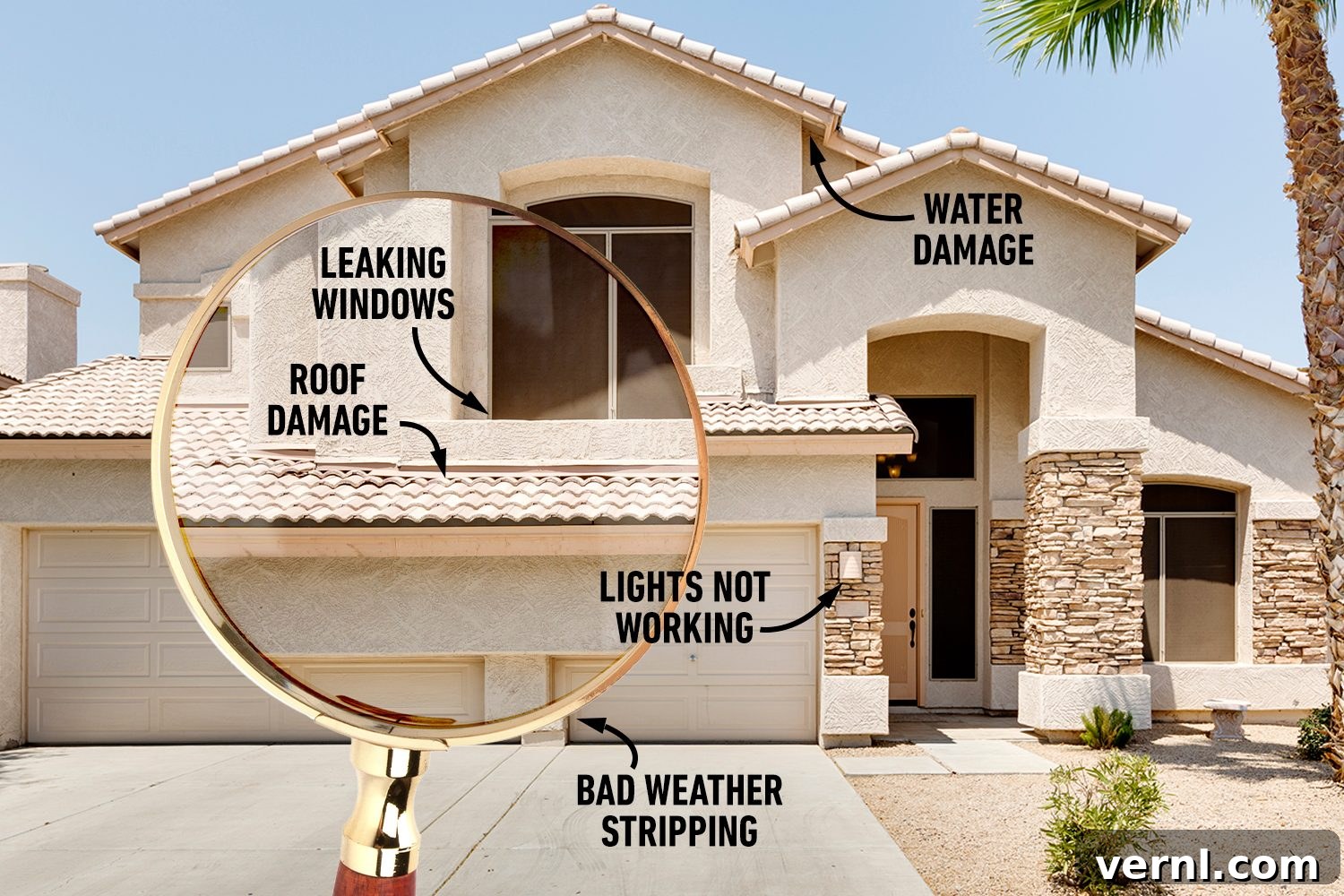
Navigating the real estate market, whether you’re embarking on the exciting journey of selling your home or meticulously searching for your dream property, often feels like a complex maze. In this intricate process, having a trusted advisor can make all the difference, transforming potential pitfalls into smooth transitions. This is precisely where the expertise of a professional home inspector becomes invaluable. Engaging a qualified inspector serves as your ultimate safeguard, helping you uncover hidden issues and avoid unexpected complications that could otherwise surface at the critical closing table.
To gain profound insights into this crucial aspect of real estate, we consulted Chris Meis, the seasoned expert behind Honest Home Inspection. With years of experience spanning various construction and mechanical fields, Chris brings a wealth of knowledge to every inspection. He generously shared the most prevalent problems he encounters, along with practical, actionable advice tailored for both prospective homebuyers and current homeowners looking to sell. His insights, including a detailed look at the essential tools that empower a thorough inspection, are designed to equip you with the knowledge needed to make informed decisions and ensure peace of mind.
Meet the Expert: Chris Meis
Chris Meis is not your average home inspector. His career trajectory is a testament to a deep-seated passion for understanding the intricacies of structures and systems. Before dedicating himself to home inspections, Chris honed his skills through diverse professional experiences. He started in the demanding world of construction, gaining firsthand knowledge of how homes are built from the ground up. This foundation was complemented by a robust career in automotive mechanics, where he developed a keen eye for diagnostics and problem-solving, along with an understanding of complex mechanical systems. Further refining his craftsmanship, he also delved into cabinetry, appreciating the fine details and structural integrity required in finishes. These varied experiences converge in his current profession, making him an exceptionally well-rounded and insightful home inspector. Chris is uniquely positioned to apply and share his comprehensive knowledge, ensuring every client receives the benefit of his extensive, multidisciplinary background.

Unmasking Nuisance Plumbing Leaks: A Silent Threat
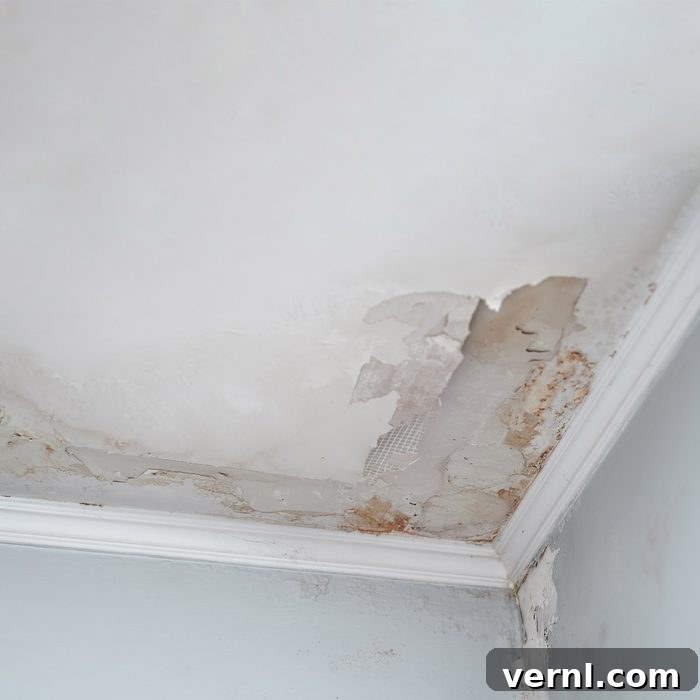
Plumbing leaks, often subtle and insidious, rank among the most frequently discovered issues during home inspections. While they might seem minor, their long-term consequences can be devastating, leading to significant structural damage and health hazards if left unchecked. Chris Meis frequently identifies these “nuisance leaks,” which are more than just an annoyance; they’re a warning sign.
- Misleading Ceiling Stains: A common indicator of a leak is a stain on the ceiling. However, it’s crucial to understand that the source of the water damage may not be directly above the visible stain. Water can travel along joists and structural elements before dripping, making leak detection a nuanced task that often requires professional insight.
- Common Origin Points: Various fixtures and connections are prime suspects for leaks. Sinks, toilets, and bathtubs—especially their seals, supply lines, and drain connections—are all potential sources of water leaks. Even small, slow drips can accumulate substantial damage over time.
- Escalating Consequences: The ramifications of unrepaired leaks extend far beyond mere aesthetic damage. Persistent moisture leads to unsightly water stains, the gradual rotting of floors and framing, and critically, the proliferation of mold. Mold not only compromises indoor air quality and poses health risks but can also significantly devalue a property and become a major point of contention during a sale. Early detection and swift repair are paramount to mitigate these escalating issues.
The Peril of Skipping Your Home Inspection!
In the competitive real estate market, some buyers might be tempted to waive the home inspection contingency to make their offer more attractive. Chris Meis, however, issues a strong warning against this perilous gamble. Skipping an inspection, while seemingly a shortcut, is a dangerous game with potentially catastrophic financial and safety implications.
- A Risky Omission: Unless you possess extensive professional experience in construction, electrical, and plumbing systems, along with the specialized tools and expertise to identify and rectify complex structural and mechanical issues yourself, skipping a home inspection is an ill-advised decision. A home is arguably the largest investment most people will ever make, and foregoing a professional assessment leaves you vulnerable to inheriting costly hidden problems.
- Unforeseen Liabilities: Without an inspection, buyers assume all risks associated with the property’s condition. You could find yourself responsible for thousands, or even tens of thousands, of dollars in unexpected repairs for issues ranging from a failing HVAC system to a compromised foundation or outdated electrical wiring. These unforeseen expenses can quickly erode your budget and transform the joy of homeownership into a financial nightmare.
- Professional Due Diligence: A certified home inspector brings an objective, trained eye and specialized equipment to meticulously examine hundreds of components of a property. They can uncover defects that are not visible to the untrained eye, providing you with a comprehensive understanding of the home’s true condition. This due diligence is indispensable for making an informed purchase decision. Simply put: don’t skip it!
Addressing Faulty Receptacles and Switches: Electrical Safety First
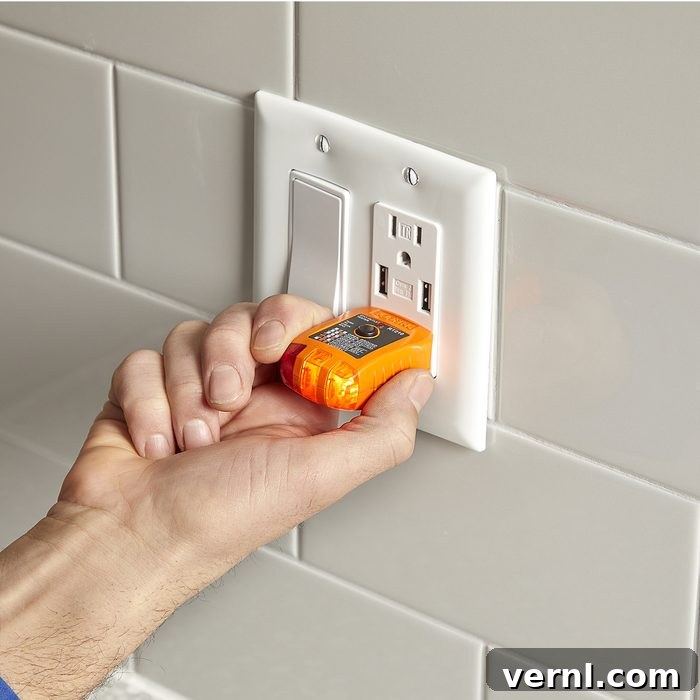
The electrical system is the lifeblood of any modern home, powering everything from lights to appliances. However, faulty wiring in receptacles and switches poses significant safety hazards, including the risk of electrical shock and fire. Chris Meis frequently uncovers critical errors in these common components.
- Common Wiring Errors: Meis routinely identifies instances of dropped grounds (where the ground wire is improperly connected or missing) or swapped wires (where hot and neutral wires are reversed) in electrical outlets and switches. These seemingly minor wiring mistakes can compromise the safety features of your electrical system, leaving occupants vulnerable.
- The Role of GFCI and Standard Receptacles: Ground Fault Circuit Interrupters (GFCIs) are vital safety devices designed to protect against severe electrical shocks, especially in areas where water might be present (kitchens, bathrooms, outdoors). Meis utilizes a specialized circuit tester that quickly and accurately indicates problems with both GFCI and standard receptacles, ensuring they are correctly wired and functioning as intended.
- Proactive Measures: While professional inspection is paramount, homeowners can also invest in an inexpensive outlet tester to perform preliminary checks. However, for any detected issues or for comprehensive assessment, it is always recommended to hire a qualified electrician or a professional home inspector. Electrical work can be dangerous and should only be undertaken by those with appropriate expertise to ensure safety and compliance with building codes.
The Critical Question: Always Ask About Insurance
When selecting a home inspector, their qualifications and experience are certainly important, but one often-overlooked yet absolutely crucial factor is their insurance coverage. This detail can significantly impact your recourse if an error or omission occurs during the inspection process.
- Understanding Errors and Omissions (E&O) Insurance: Not all regions or states mandate that housing inspectors carry Errors and Omissions (E&O) insurance. This type of professional liability insurance protects inspectors against claims of negligence, mistakes, or omissions in their inspection reports. Without it, if an inspector misses a significant defect that later causes you financial hardship, your options for recovery may be severely limited or nonexistent.
- Protecting Your Investment: Imagine purchasing a home only to discover a major structural flaw or a critical system defect shortly after moving in, an issue that a thorough inspection should have revealed. If your inspector lacked E&O insurance, you would likely bear the full financial burden of these repairs yourself, with no legal or financial recourse against the inspector.
- Make an Informed Decision: Chris Meis strongly advises that you always inquire about an inspector’s insurance coverage upfront, before signing any contracts. Ask for proof of their E&O policy and understand what it covers. This proactive step allows you to make an informed decision, ensuring you choose an inspector who not only performs a diligent inspection but also provides a layer of protection for your significant investment.
No Repair? Be Prepared to Negotiate a Lower Price
The home inspection report can be a pivotal document in the real estate transaction. It outlines the property’s condition and highlights areas that may require attention. For buyers, it’s important to understand the seller’s potential responses to these findings and how to strategically navigate the next steps.
- Seller’s Discretion: Buyers must recognize that a seller is not legally obligated to fix every problem identified in the inspection report. Sellers may choose to address some issues, none at all, or offer concessions in lieu of repairs. This is a common part of the negotiation process.
- Buyer’s Opportunity for Negotiation: When a seller opts not to undertake repairs, this presents a significant opportunity for the buyer. Instead of simply accepting the property “as-is,” buyers can use the inspection report as leverage to negotiate a better purchase price. This adjusted price would account for the estimated cost of the repairs the buyer will need to undertake after closing.
- Strategic Negotiation: Arm yourself with professional estimates for the cost of repairs for the most critical items. This tangible data strengthens your position when asking for a reduction in the sale price, a closing cost credit, or an allowance for repairs. A skilled real estate agent can be invaluable in guiding you through these negotiations to ensure you secure the most favorable terms for your investment.
Inadequate Smoke and Carbon Monoxide (CO) Detectors: A Matter of Life and Death
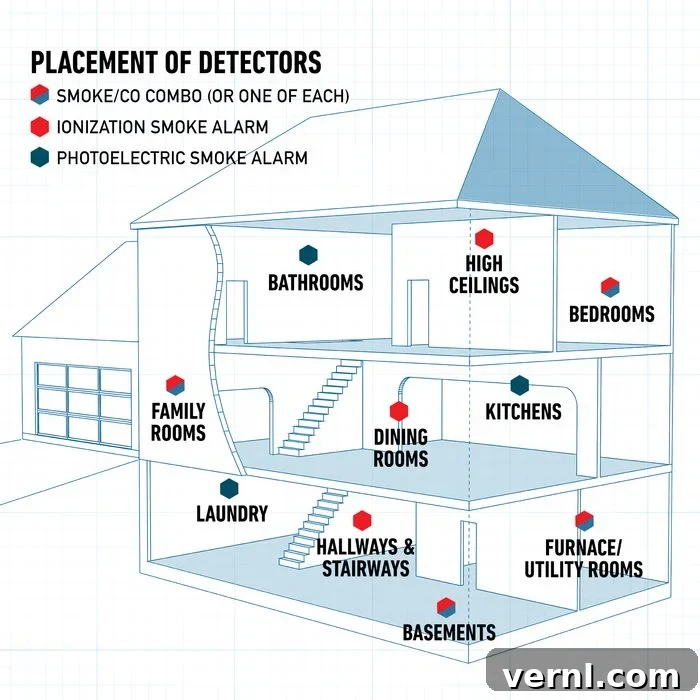
While often overlooked during a home walkthrough, properly installed and functioning smoke and carbon monoxide (CO) detectors are non-negotiable safety features. Chris Meis frequently finds properties with inadequate coverage, putting residents at serious risk.
- Common Deficiencies: Meis routinely identifies homes lacking sufficient smoke and CO detectors, or where existing detectors are improperly placed or non-functional. These critical safety devices are the first line of defense against invisible dangers.
- Smoke Detector Requirements: For optimal protection against fire, your home requires a smoke detector in every bedroom, outside each sleeping area, and on every floor of the home, including the basement. Ensuring they are interconnected so all alarms sound simultaneously is also highly recommended.
- Carbon Monoxide Detector Placement: Carbon monoxide is an odorless, colorless, and highly toxic gas. A CO detector must be strategically placed within 10 feet of every bedroom to detect gas leaks before they become life-threatening. Regularly testing and replacing these detectors according to manufacturer guidelines is crucial for ongoing safety.
Prioritizing Repairs: Which Issues Do You Need to Tackle First?
Congratulations, you’ve closed on your new home! While the excitement is palpable, the reality of homeownership often includes addressing issues identified during the inspection. It can feel overwhelming, but Chris Meis emphasizes a strategic approach to tackling these repairs.
- Formulating a Post-Inspection Plan: Meis takes pride in assisting his clients in developing a practical, actionable plan to address the deficiencies uncovered during the home inspection. This post-purchase roadmap is essential for managing repairs efficiently and effectively.
- Strategic Prioritization: The key is not to fix everything at once. Meis advises prioritizing projects based on safety, potential for further damage, and budget. For instance, addressing an electrical hazard or a significant roof leak should take precedence over cosmetic updates.
- Creating a Phased Repair Plan: Develop a repair plan that aligns with your timeline and financial capacity. Categorize issues into “immediate attention,” “high priority,” and “long-term projects.” This phased approach allows you to spread out costs and effort, making the repair process manageable and less stressful.
The Roof: Your Home’s Ultimate Guardian
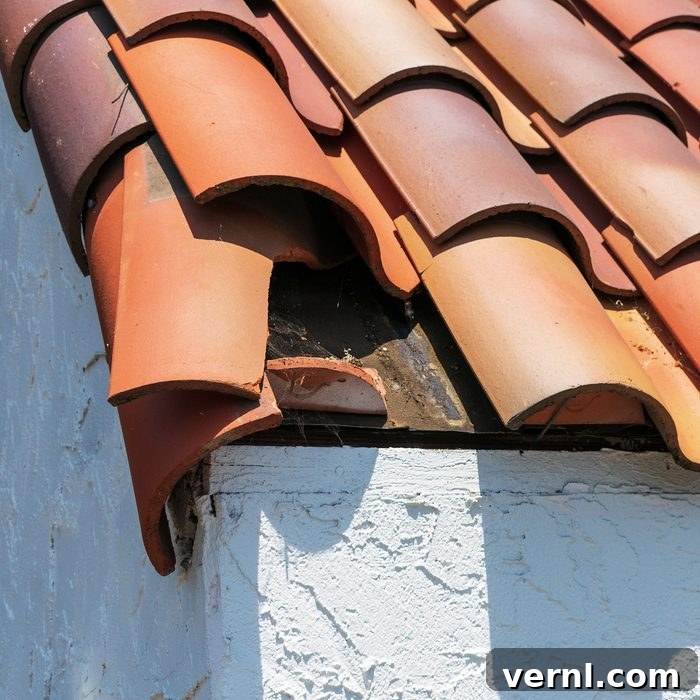
Often considered the most critical protective element of any house, the roof is perpetually exposed to the elements, making it highly susceptible to wear and damage. Chris Meis routinely uncovers a multitude of problems related to roofing, underscoring its importance in a home’s overall health and structural integrity.
- Vulnerable Points: Beyond the shingles or tiles themselves, several components of a roof are potential weak spots. These include vents (for plumbing and attic ventilation), chimneys (where brickwork and flashing can deteriorate), and flashing (metal strips designed to divert water away from critical junctions). Deterioration in any of these areas can lead to significant water intrusion.
- Storm Damage and Wear: While all roofs are subject to general wear and tear over time, specific types, like tile roofs, require vigilant monitoring for storm damage. High winds, hail, and heavy rains can dislodge or crack tiles, compromising the roof’s protective barrier. Similarly, asphalt shingles can curl, crack, or lose granules due to age and sun exposure.
- Consequences of Neglect: A compromised roof can lead to extensive interior damage, including ceiling leaks, attic mold, structural rot, and damaged insulation. Given the expense and complexity of roof repairs or replacement, regular professional inspections are crucial for early detection of issues, extending the roof’s lifespan, and preventing more costly problems down the line.
DIY or Hire a Pro? Making the Right Repair Choice
Once inspection issues are identified, homeowners face a critical decision: which tasks can be confidently handled as a DIY project, and which are best left to licensed professionals? Making the right choice is crucial for safety, effectiveness, and avoiding costly mistakes.
- Assessing Your Skill Set: Honestly evaluate your own expertise, experience, and access to the necessary tools and safety equipment. Some tasks, like painting, basic landscaping, or minor drywall repairs, are often well within the capabilities of a handy homeowner.
- When to Call the Experts: Chris Meis strongly advises that certain areas of home repair and maintenance are unequivocally best left to the professionals. This includes:
- Roofing: Working on roofs presents significant fall hazards, and improper repairs can lead to leaks, further damage, and voided warranties. Professional roofers have the training, safety equipment, and specialized knowledge to ensure repairs are done correctly and safely.
- Electrical Work: Dealing with electricity is inherently dangerous and can result in severe injury, fire, or even death if not handled correctly. Licensed electricians understand complex wiring, code requirements, and proper safety protocols. Even seemingly simple tasks like replacing an outlet can have hidden dangers.
- Plumbing: While unclogging a drain might be a DIY task, significant plumbing repairs—such as fixing burst pipes, installing water heaters, or repairing sewer lines—require a licensed plumber. Improper plumbing work can lead to extensive water damage, mold growth, and costly structural repairs.
- Long-Term Value: Investing in professional services for critical systems ensures that repairs are performed to code, are durable, and often come with warranties, ultimately preserving your home’s value and safety.
Be Proactive: The Value of Regular Home Check-ups
While often associated with buying or selling a property, a professional home inspection offers immense value even if you’re not planning a move. Think of it as an annual health check-up for your most significant asset.
- Gauging Home Health: A proactive home inspection provides a comprehensive “health report” of your property. It identifies minor issues before they escalate into major, expensive problems, helping you understand the current condition of your home’s structure, systems, and components.
- Preventative Maintenance: By highlighting potential vulnerabilities, an inspection allows you to implement preventative maintenance measures. Catching a small roof leak early, addressing deteriorating caulk, or identifying aging electrical components can save you thousands in future repair costs and extend the lifespan of your home’s systems.
- Protecting Your Investment: Regular inspections ensure your home remains safe, functional, and maintains its value over time. They help you stay ahead of maintenance, giving you peace of mind and protecting your long-term investment.
Mastering Exterior Water Management: Protecting Your Foundation
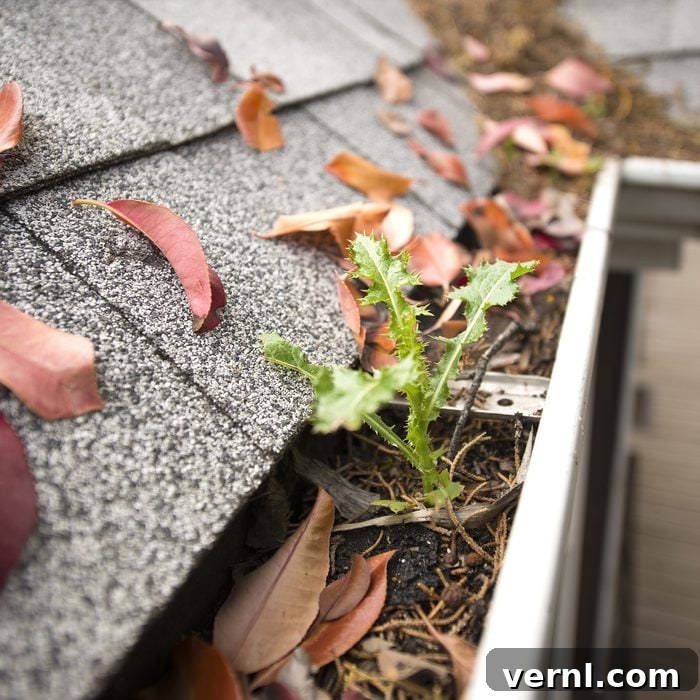
One of the most insidious threats to a home’s structural integrity and indoor air quality is poor exterior water management. Chris Meis frequently encounters deficiencies in this critical area, emphasizing that effective water diversion is paramount for a healthy, dry home.
- Common Issues: Meis often observes homes where exterior water is not adequately managed, leading to a cascade of problems. The primary culprits are often clogged or damaged gutters, improper downspout extensions, and poor grading around the foundation.
- The Gutter’s Role: When gutters are full of leaves and debris, they cannot effectively channel rainwater away from the house. Instead, water overflows, cascading directly down the siding and pooling at the foundation. This allows water to seep into the basement or crawl space, leading to dampness, mold growth, and eventual structural damage.
- Achieving a Dry Basement: Maintaining clean, intact gutters with properly directed downspouts that extend several feet away from the foundation is a fundamental step towards a dry basement and a healthy house. Additionally, ensuring that the ground slopes away from the foundation helps prevent surface water from collecting near your home. These simple, yet crucial, preventative measures are essential for protecting your property’s long-term health and value.
Gaining an Advantage: Do a Presale Inspection
For homeowners looking to sell, a presale, or pre-listing, inspection is a powerful strategic tool that can significantly streamline the selling process and ultimately lead to a more successful transaction. It’s about taking control of the narrative before potential buyers even step through the door.
- Positioning for a Smooth Sale: By investing in a pre-listing inspection, sellers proactively identify and address any issues with their home before it goes on the market. This foresight allows you to position yourself for a quicker and happier sale, reducing the likelihood of unexpected complications.
- Avoiding Last-Minute Surprises: One of the biggest stressors for sellers is when a buyer’s inspection uncovers major defects that were previously unknown. These last-minute surprises can derail a sale, lead to contentious negotiations, or even cause buyers to walk away. A presale inspection highlights any issues upfront, giving you the time to either repair them or disclose them transparently.
- Building Buyer Confidence: Presenting a clean inspection report, or one that clearly details disclosed issues and associated repair estimates, instills confidence in potential buyers. It demonstrates honesty and proactivity, often leading to stronger offers and smoother closing processes, free from last-minute haggling over repair costs.
Uncovering Hidden Secrets: Pet Stains
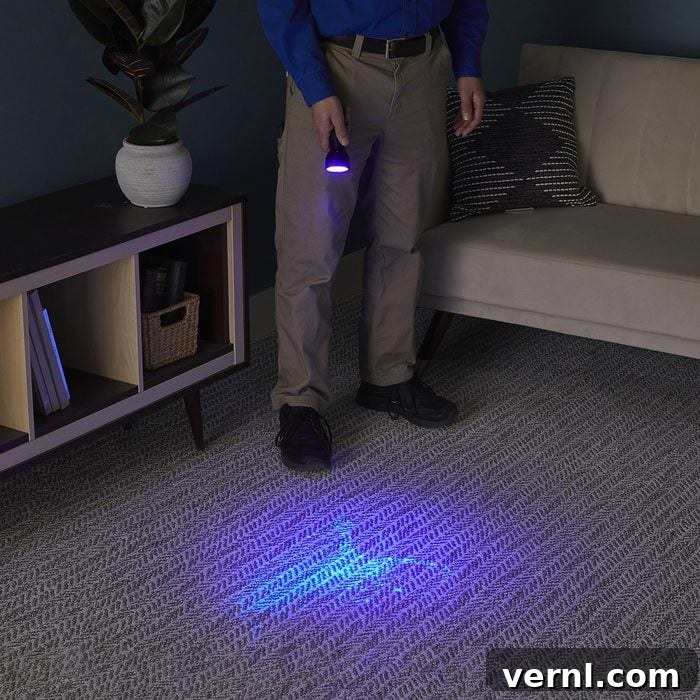
While sellers often go to great lengths to present their home in the best possible light, some issues can persist unnoticed by the casual observer. Pet stains are a prime example of a hidden problem that can significantly impact buyer perception and even structural integrity.
- Masking the Evidence: It’s a common practice for sellers to have their carpets professionally cleaned just before showings begin. While a freshly cleaned carpet may appear spotless to the naked eye, it doesn’t always eliminate the underlying evidence of pet accidents.
- The Dirty Little Secret: Despite thorough cleaning, carpets can still harbor odors and residual pet stains that become apparent under specific conditions. These aren’t just cosmetic; long-term pet urine can penetrate carpet padding, subflooring, and even compromise structural wood, leading to pervasive odors and potential rot.
- The Black Light Reveal: Chris Meis, equipped with specialized tools, uses a black light during his inspections to uncover evidence of pet stains that are invisible in normal lighting. The fluorescent glow of urine residue under a black light can be quite an eye-opener for buyers, revealing a “dirty little secret” that might otherwise be missed. This discovery can be a significant turn-off and a potential deal-breaker for many buyers.
The Menace of Mold: Identifying and Addressing Contamination
Mold is more than just an unsightly patch; it poses serious health risks and can cause significant structural damage to a home. Its presence is often a major concern for buyers and can easily become a deal breaker in a real estate transaction.
- The Challenge of Selling with Mold: Attempting to sell a home with active mold contamination is notoriously difficult. Buyers are increasingly aware of mold’s health implications and the high cost of remediation, making them hesitant to proceed with a purchase.
- Common Hideouts: Mold thrives in damp, dark environments with organic material to feed on. It is most commonly found in attics (due to ventilation issues or roof leaks), basements (from foundation leaks, high humidity, or flooding), and bathrooms (due to inadequate ventilation and consistent moisture). However, it can appear anywhere there is persistent moisture.
- Professional Mold Inspection: If you suspect your home has mold contamination—perhaps due to a musty odor, visible growth, or a history of water issues—Chris Meis strongly recommends scheduling a comprehensive mold inspection right away. A professional mold inspector can accurately identify the presence of mold, determine the extent of the problem, and suggest appropriate remediation strategies.
- Proactive Remediation: It is always in the seller’s best interest to address and remediate any mold issues before listing the home for sale. This transparency not only helps in achieving a smoother sale but also prevents potential liabilities and ensures the health and safety of future occupants.
Go-to Home Inspection Tools: The Inspector’s Arsenal
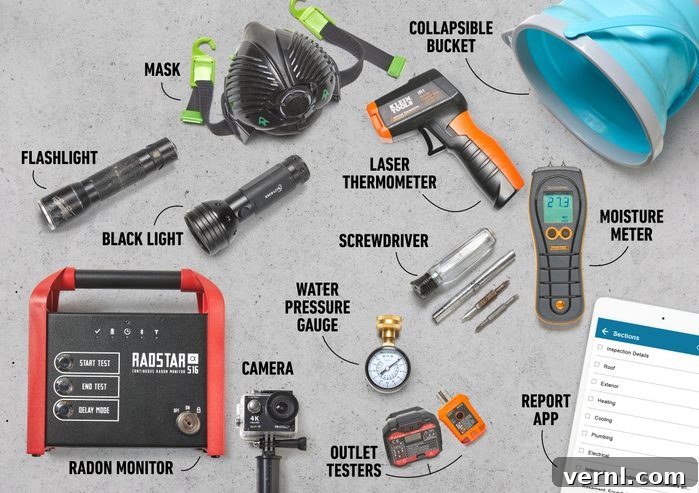
A home inspector’s effectiveness is greatly enhanced by the quality and specificity of their tools. Chris Meis relies on a well-curated collection of essential equipment that he carries with him every day. These tools allow him to delve beyond surface observations, uncover hidden issues, and provide thorough, accurate reports to his clients.
Mask / Respirator
Home inspection can often be a dirty and potentially hazardous business. Inspectors frequently encounter dusty attics, moldy basements, or areas with airborne particulates like fiberglass insulation or lead paint dust. Chris Meis protects his respiratory health with a professional-grade Rikon half mask respirator (approximately $50). This vital piece of personal protective equipment ensures he can safely assess environments that might be unsafe for unprotected individuals, allowing him to focus on the inspection without compromising his well-being.
Black Light
As mentioned earlier, some of a home’s “dirty little secrets” are only visible under specific conditions. Even after professional carpet cleaning, pet stains and other organic residues can still be detected with a powerful black light. This tool illuminates bodily fluids, certain types of mold, and other biological contaminants that are otherwise invisible to the naked eye. It’s not for the faint of heart, but it’s an indispensable tool for uncovering hidden issues that could impact a buyer’s decision or indicate deeper problems.
Flashlight
Visibility is paramount during an inspection. Inspectors must often navigate dark basements, crawl spaces, and attics. A reliable, powerful flashlight is absolutely essential. Chris Meis has trusted his rechargeable lithium-ion flashlight from Milwaukee (around $80 online) for years. Its durability, brightness, and long battery life ensure he can illuminate every nook and cranny, revealing details that might otherwise be missed in dimly lit areas.
Radon Monitor
Radon is a naturally occurring radioactive gas that can seep into homes from the ground and is a leading cause of lung cancer among non-smokers. Detecting it is critical for occupant health. Chris Meis uses a professional RadStar monitor (approximately $1,400) not only to test for radon levels but also to gain insights into other environmental variables like temperature and humidity, providing a more holistic view of the indoor environment’s health.
Camera
Detailed documentation is a cornerstone of a comprehensive home inspection report. Inspectors need to capture photographic evidence of both positive findings and identified deficiencies. A high-quality digital camera is thus essential for Meis and his crew to document everything clearly and accurately. These images are crucial for illustrating findings to clients and for providing a visual record of the property’s condition at the time of inspection.
Collapsible Bucket
Preparedness is key in home inspection. An inspector never knows when a utility sink might need to be tested, a small leak observed, or a contained area requiring water. A lightweight, space-saving collapsible bucket is a surprisingly versatile tool that fits easily in an inspector’s toolbox. It’s perfect for containing small spills or for carrying tools, proving its utility in unexpected situations.
Laser Thermometer
Temperature differentials can indicate a range of issues, from insulation deficiencies to active radiant heating systems. A laser thermometer (also known as an infrared thermometer) helps Meis determine whether in-floor heating is functioning correctly, identify cold spots that suggest missing insulation, or detect overheating electrical components. Expect to pay about $45 for a reliable model, making it an accessible yet highly informative tool.
Moisture Meter
Water damage, particularly from leaks or condensation, can often be hidden behind walls, under flooring, or within ceilings, leading to mold growth and structural decay. A Protimeter moisture meter (starting at $400 online and up for professional models) is an invaluable diagnostic tool. If water damage is not visible, this sophisticated device will detect elevated moisture levels within various building materials, pinpointing areas of concern that require further investigation.
Screwdriver
Sometimes, the most basic tools are the most indispensable. A sturdy screwdriver, or a set, is absolutely essential for an inspector. It’s used for safely removing electrical panel covers (only by qualified individuals), checking the integrity of fasteners, opening access panels, and performing minor adjustments. Simple? Yes. Indispensable? Absolutely! It’s a testament to the fact that even with advanced technology, fundamental tools remain critical.
Report App
In today’s digital age, efficiency and professionalism in reporting are paramount. Chris Meis leverages a specialized report app on his smartphone or tablet to compile detailed, comprehensive inspection reports. This allows him to generate reports on-site, incorporating photos and specific notes, and deliver them to his clients via email promptly. This modern approach ensures quick communication and easy access to critical inspection findings.
Water Pressure Gauge
Adequate water pressure is essential for a home’s plumbing system and occupant comfort. A Rain Bird water pressure gauge (around $65 online) provides Meis with an accurate reading of the water pressure throughout the house. This helps identify issues like low water pressure (which could indicate pipe blockages or municipal supply problems) or excessively high pressure (which can damage fixtures and appliances).
Outlet Tester
Electrical safety starts at the outlet. This simple, inexpensive device (available at any hardware store) quickly and clearly reveals whether an electrical outlet has a dropped ground, reversed polarity (swapped hot and neutral lines), or other wiring errors. It’s a quick and effective way to ensure that outlets are properly wired for safe operation and protection against electrical hazards.