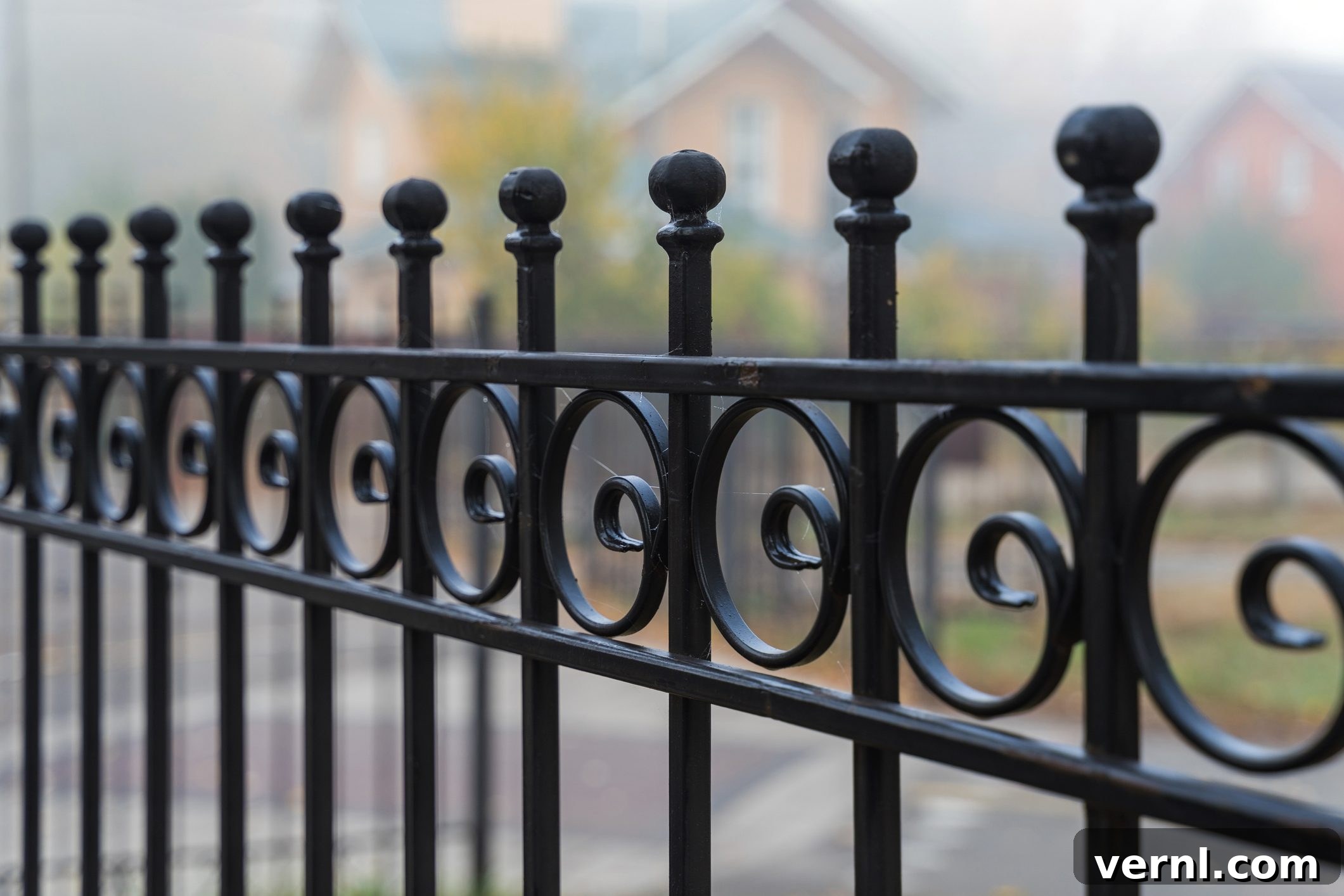
Centuries ago, the sight of a wrought-iron fence adorning a property was a powerful symbol of wealth and high social standing. Crafted by skilled blacksmiths, these intricate metal barriers were rare and exceptionally expensive. However, as the 19th century progressed and more artisans adopted and refined wrought-iron production techniques, what was once an exclusive luxury began to gain broader appeal and accessibility. Yet, even as it became more commonplace, its inherent elegance and perceived value never truly diminished.
Today, metal fencing, including variations inspired by classic wrought iron, is far from the prohibitively expensive rarity it once was. Modern manufacturing processes have made it more attainable for a wider range of homeowners. Despite its increased availability, it retains an undeniable air of sophistication and expense, which remains a significant part of its enduring appeal. This unique blend of aesthetic grandeur and enhanced affordability makes metal fencing a highly attractive option for those looking to elevate their property’s curb appeal and security.
The vast majority of contemporary metal fencing draws its inspiration from wrought iron but is primarily fabricated from more accessible and adaptable materials such as steel or aluminum. These materials are processed in large-scale factories, allowing for consistency, efficiency, and a broader array of styles. Beyond the classic wrought-iron aesthetic, the world of decorative metal fencing has expanded dramatically. While chain link fencing largely serves utilitarian purposes, modern decorative metal fences boast diverse shapes and styles that bear little resemblance to traditional wrought iron. These innovative designs often feature sleek horizontal or vertical balusters, clean slats, or creative combinations thereof, offering homeowners an extensive palette for personalizing their outdoor spaces.
A notable advantage of many modern metal fencing options is their availability in convenient kits, complete with fencing panels and posts. For homeowners with a DIY spirit, purchasing such a kit, especially those with spiked posts designed for direct ground insertion, can make self-installation a feasible and rewarding project. Whether you opt for the hands-on approach of a DIY installation or choose the expertise of a professional installer, the numerous benefits and diverse styles of metal fencing undoubtedly warrant a closer look for your property’s enclosure needs.
The Unrivaled Advantages of Metal Fencing
Metal fencing stands apart as a premier choice for property owners, offering a compelling blend of aesthetic versatility, robust durability, and practical low maintenance. Whether you envision a fence painted in a sleek metallic gray, a bold jet black, or a custom hue, and whether your preference leans towards crisp, clean lines or elegantly ornate curves, metal possesses an aesthetic appeal that is simply unmatched by most other fencing materials. This inherent visual sophistication is a major selling point, but it’s just one facet of metal fencing’s extensive benefits.
Here are several other compelling reasons why metal fencing continues to be a top choice for discerning homeowners:
- Exceptional Durability and Longevity: Metal is renowned for being one of the most resilient fencing materials available today. Its inherent strength and resistance to various environmental stressors contribute to an impressive lifespan. Hollow steel fences, when properly maintained with their protective coatings, can easily last upwards of 20 years. Solid metal and iron fences, along with aluminum varieties, boast an even longer lifespan, often lasting a lifetime with minimal fuss. Unlike wood, metal doesn’t rot, splinter, or succumb to insect infestations, making it a virtually indestructible barrier against the elements and pests.
- Remarkably Low-Maintenance Requirements: For homeowners seeking a visually appealing fence without the constant upkeep, metal fencing is an ideal solution. Apart from periodic repainting or touch-ups necessary for steel fences to prevent rust, metal fences typically demand very little attention. They are impervious to staining from dirt or algae, do not rot like wood, and are completely resistant to damage from termites, carpenter ants, or other common garden pests. This translates to more time enjoying your outdoor space and less time spent on laborious maintenance tasks.
- A Smart and Cost-Effective Investment: While metal fencing may not always be the absolute cheapest option upfront when compared to some basic wood or vinyl fences, it certainly isn’t the most expensive either, especially when considering its long-term value. The market offers a wide spectrum of metal fencing options, ranging from economical aluminum kits to high-end custom wrought iron, ensuring that a suitable solution exists for virtually every budget. Its incredible longevity and minimal maintenance requirements often mean that over its lifespan, a metal fence proves to be a more cost-effective choice than materials requiring frequent repairs, replacements, or intensive upkeep.
- Feasible for DIY Installation: For homeowners who enjoy tackling home improvement projects, many metal fencing kits are designed with DIY installation in mind. These kits typically involve setting posts and then easily screwing or bolting pre-fabricated panels to them. Depending on the weight of the panels and the method chosen for setting the posts (e.g., driving spiked posts into the ground versus concreting them), a homeowner can often manage the installation themselves, saving significantly on labor costs. However, it’s important to note that heavier steel and authentic wrought-iron fences, due to their substantial weight and often intricate assembly, frequently require professional installation, sometimes involving heavy equipment for lifting and precise placement.
- Enhanced Property Security (with heavier options): While lightweight aluminum fences prioritize aesthetics and ease of installation, heavier gauge steel and traditional wrought iron fences offer a significant boost in property security. Their robust construction and formidable strength make them exceptionally difficult to breach, serving as a strong deterrent against intruders. For properties where security is a paramount concern, investing in these more substantial metal fencing options provides peace of mind.
- Environmentally Conscious Choice: Many metal fencing materials, particularly aluminum and steel, are highly recyclable. Choosing a metal fence contributes to sustainable building practices, as these materials can be reprocessed at the end of their long service life, reducing landfill waste and conserving natural resources.
Potential Drawbacks of Metal Fencing
Despite its many advantages, metal fencing, like any building material, comes with certain considerations that homeowners should be aware of before making a decision. While the DIY installation is possible for some lighter kits, professional installation for heavier options often adds significantly to the upfront costs. Furthermore, metal fencing presents a couple of other key drawbacks:
- Limited Privacy for Many Styles: One of the primary characteristics of conventional metal fencing, especially those featuring pickets, balusters, or semi-transparent decorative panels, is their open design. These styles are predominantly chosen for their decorative appeal and their ability to define boundaries without obstructing views. Consequently, they offer minimal privacy. While some solid aluminum panels or horizontal slat designs can provide a degree of seclusion, achieving full visual privacy typically requires integrating additional elements like dense landscaping, privacy screens, or choosing other fencing materials altogether.
- Variable Security Levels: The security provided by a metal fence can vary significantly depending on the material and design. Lightweight aluminum fencing, while durable and rust-proof, can be more susceptible to forced entry or damage compared to robust materials like heavy-duty wood or composite fences. Its lighter gauge and assembly methods, designed for ease of installation, can sometimes compromise its resistance to determined efforts to breach. In contrast, solid steel and authentic wrought-iron fences offer formidable security due to their sheer mass and strength, but this enhanced protection comes with a substantially higher price tag, making them a less accessible option for many budgets.
- Upfront Cost Can Be Higher: Although metal fencing offers excellent long-term value, the initial investment can be higher than that of basic wood or vinyl alternatives. The material costs, particularly for custom designs, heavier gauges, or specialized finishes, can add up. This higher initial outlay can be a barrier for homeowners working with very tight budgets.
- Maintenance for Steel Fences: While often touted as low-maintenance, steel fences do require proactive care to prevent rust. If the protective powder coating or paint finish is compromised, exposed steel will eventually corrode. This means periodic inspections and prompt touch-ups are necessary to preserve the fence’s integrity and appearance, adding a maintenance task that aluminum fences, for example, do not share.
Exploring the Diverse Types and Styles of Metal Fences
The world of metal fencing is rich with diversity, offering an extensive range of materials and aesthetic expressions to suit any architectural style or personal preference. The fundamental materials include aluminum, steel, and iron, each offering unique properties. Regardless of the base metal, most modern decorative metal fences feature a durable powder-coat finish, expertly applied to provide enhanced protection against rust, chipping, and fading, ensuring their beauty lasts for years. Beyond the material, the styles are incredibly varied, ranging from timeless classics to cutting-edge contemporary designs.
Many metal fences are modern interpretations of traditional wrought-iron fences, characterized by their classic picket designs. These enduring styles continue to be popular for their elegance and structural integrity. Among the various picket styles available, you’ll find:
- Straight Pickets with Decorative Terminations: These are typically square or sometimes round cross-section pickets that rise vertically, culminating in a distinctive top. Common decorative terminations include elegant spears, classic balls, or ornate fleur-de-lis motifs, adding a touch of traditional grandeur.
- Alternating Looped Pickets: This design introduces a visually interesting rhythm where some pickets extend straight upwards, while intermediate ones are gracefully curved to form decorative loops over the adjacent, taller pickets. This creates a charming and dynamic pattern.
- Pickets with Dual Top Rails and Integrated Designs: Some designs feature straight pickets that terminate below a pair of parallel top rails. The space between these top rails is then often enhanced with integrated design features, such as perfectly formed circles, intricate crosses, or other custom patterns, adding an extra layer of artistry.
- Intricate Curved Infill Designs: To truly capture the complex and artistic essence of vintage wrought iron, some modern metal fences incorporate curved shapes that elegantly crisscross the spaces between the vertical pickets. These elaborate infill designs mimic the detailed scrollwork and delicate patterns characteristic of historical blacksmithing, creating a fence that is both robust and visually delicate.
Beyond these faux wrought iron designs, metal fences increasingly embrace more contemporary styles that resonate with modern architectural trends. These contemporary options are perhaps even more prevalent today, offering clean lines and innovative forms. Among them are:
- Sleek, Featureless Balusters: A hallmark of minimalist design, these fences feature straight, unadorned balusters that extend uniformly between a clean top and bottom rail. This style emphasizes simplicity, creating an uncluttered and sophisticated boundary.
- Privacy Panels with Vertical or Horizontal Slats: Mimicking the appealing appearance of a wood fence, these metal designs incorporate solid vertical or horizontal slats. These panels are specifically engineered to provide enhanced privacy, making them an excellent choice for yards or areas where seclusion is desired without sacrificing the durability of metal.
- Corrugated Metal Panels: A more industrial-chic option, corrugated metal panels offer a unique textural element. These panels are increasingly utilized for both aesthetic appeal and practical applications, including robust privacy fencing, contributing to a distinctive and modern landscape.
- Laser-Cut Semi-Transparent Designs: For a truly cutting-edge look, some metal fences feature panels or screens with intricate laser-cut designs. These semi-transparent patterns can range from abstract geometric shapes to natural motifs, allowing light to filter through while creating striking visual effects. Some of these designs impart a distinctively futuristic or art-inspired aesthetic to the fencing.
Understanding the Cost of a Metal Fence
The investment required for a metal fence can vary significantly, reflecting the wide array of materials, styles, and installation complexities available. Understanding these cost factors is crucial for budgeting your fencing project effectively.
At the more accessible end of the spectrum, metal fencing can be surprisingly competitive with other popular materials. Tubular steel or aluminum fencing kits, which typically include all necessary posts, panels, and hardware for assembly, generally range from $20 to $35 per linear foot. This cost compares quite favorably to that of a good quality wood, vinyl, or composite fence, making metal an attractive option for homeowners seeking durability without breaking the bank.
Should you decide against a DIY approach and opt for professional installation, you’ll need to factor in additional labor costs. These can range from $35 to $75 per hour, depending on your location and the complexity of the job. Translated into linear footage, this often adds an extra $20 to $25 per linear foot. For a typical 200-foot fence perimeter, this could mean an additional $4,000 to $5,000 in labor costs, bringing the total project price into perspective.
Moving towards the higher end, metal fencing truly enters a price class of its own. A tall, robust aluminum fence or a solid steel fence, known for its superior strength and longevity, can command material costs of $60 or more per linear foot. The installation costs for these heavier and more intricate systems are also proportionally higher, as the job demands greater skill, specialized equipment, and more time. For those with a taste for genuine wrought iron, be prepared for a substantial investment; materials alone for authentic wrought iron can soar to as much as $125 per linear foot, often making it the most expensive fencing option available. Factors like custom designs, specialized finishes, gates, and challenging terrain can further influence these costs, potentially pushing them even higher. It’s always advisable to obtain multiple quotes from reputable installers to get an accurate estimate for your specific project.
Essential Metal Fence Maintenance
While metal fences are often lauded for their low maintenance, understanding the specific needs of different metal types is crucial for ensuring their longevity and preserving their aesthetic appeal. Proactive maintenance can prevent costly repairs and extend the life of your investment.
For steel fences, maintaining the integrity of the factory-applied finish is absolutely critical. This protective coating, typically a powder coat or specialized paint, is the primary defense against corrosion. Unfortunately, this finish does not last indefinitely, and over time, it can chip, scratch, or degrade due to exposure to the elements. Once the underlying metal is exposed to moisture and oxygen, rust will inevitably begin to form. If left unaddressed, this rust can spread and cause irreversible damage, compromising the structural integrity and appearance of your fence.
Fortunately, restoring the finish on a steel fence is a relatively straightforward task for most homeowners. The process typically involves cleaning the affected area, lightly sanding any rusted spots to remove loose particles and create a smooth surface, and then applying a rust-preventative primer followed by a matching spray paint or brush-on paint. Catching minor chips and scratches early is key; a quick touch-up with a can of rust-inhibiting spray paint can effectively seal the metal and prevent rust from taking hold. Regular inspections, perhaps once or twice a year, will help identify these vulnerable spots before they become major issues.
Aluminum fences offer a distinct advantage in terms of maintenance because they do not rust. Aluminum naturally forms an oxide layer that protects it from further corrosion, making it inherently resistant to rust even when scratched. Therefore, the primary maintenance for an aluminum fence revolves around preserving its aesthetic appeal. From time to time, you may wish to touch up any areas where the color has faded or chipped to restore its original vibrancy. However, if you choose to skip these aesthetic touch-ups, you don’t have to worry about the material deteriorating structurally due to rust, which offers significant peace of mind. General cleaning with mild soap and water is usually sufficient to keep aluminum fences looking their best.
Navigating Metal Fence Installation
The installation of a metal fence can range from a manageable DIY project to a complex undertaking best left to seasoned professionals. The scope and difficulty largely depend on the type and weight of the metal, as well as the specific characteristics of your property.
For homeowners who are comfortable with basic construction tasks and don’t mind the physical effort of digging fence post holes, assembling a lightweight aluminum or tubular steel fence kit can be a very achievable DIY project. These kits are often designed with homeowner convenience in mind, featuring pre-fabricated panels and straightforward attachment mechanisms. However, precision is paramount in this type of installation. The posts must be accurately placed and perfectly aligned for the pre-drilled brackets on the panels to fit seamlessly between them. Getting the spacing and plumb of the posts just right is arguably the most critical step. Once the posts are securely set and accurately positioned, the remainder of the job typically involves attaching the panels to the posts with a drill/driver, making it a relatively quick and satisfying process.
Despite the potential for DIY savings, most homeowners ultimately opt for professional installation for their metal fences, particularly for larger projects or more demanding materials. Here are several compelling reasons why professional expertise is often preferred, if not essential:
- Volume and Logistics: A typical fence project often calls for a substantial number of panels. Transporting these panels, which can be long and unwieldy, and then physically carrying and positioning them around the property, can be an exhausting and time-consuming endeavor for an individual homeowner. Professionals have the necessary vehicles, equipment, and manpower to handle these logistics efficiently.
- Specialized Mounting Requirements: In many cases, fence posts may need to be mounted directly onto existing concrete slabs, brick walls, or other hardscapes. This requires specialized building techniques, including core drilling, using specific anchors, or even custom fabrication. These tasks often exceed the capabilities and specialized toolset of the average homeowner.
- Handling Heavy Materials: Heavy-gauge steel or genuine wrought-iron panels are incredibly substantial. Their sheer weight necessitates the use of mechanical lifting equipment, such as cranes or specialized hoists, to safely lift, maneuver, and precisely position them during installation. Attempting to manage these heavy panels without the right equipment is not only impractical but also extremely dangerous.
- Racking Panels for Sloped Terrain: Properties with uneven or sloping ground present a unique challenge known as “racking.” This involves arranging fence panels to follow the natural slope of the terrain while maintaining even gaps and a consistent appearance. Racking requires exceptional precision, specialized cutting or fabrication, and experienced workmanship to achieve a professional and aesthetically pleasing result. Incorrect racking can lead to an unprofessional look, uneven gaps, and even structural instability.
- On-Site Fabrication for High-End Fences: Some high-end and custom metal fences are not manufactured as pre-assembled panels. Instead, they are constructed on-site, piece by intricate piece, to perfectly fit the unique contours and design specifications of a property. This bespoke fabrication work undeniably requires the skills of experienced artisans and is definitively a job for a professional fencing contractor.
- Permits and Property Lines: Professional installers are typically knowledgeable about local building codes, setback requirements, and the need for permits. They can also assist in ensuring the fence is installed correctly regarding property lines, preventing potential disputes with neighbors.