The Definitive Guide to Eradicating Mold and Mildew from Your Home
Mold and mildew are pervasive household nuisances, often lurking in damp corners and surprising spaces. Experts suggest that a significant majority of U.S. households, potentially up to 70 percent, harbor some form of mold. While these fungi are undoubtedly unwanted and aesthetically unpleasing, their impact extends far beyond mere surface appearance. Unchecked mold growth can trigger a host of health issues, including allergies, asthma attacks, upper respiratory infections, skin irritation, headaches, and general fatigue. Therefore, understanding how to effectively remove mold isn’t just about maintaining a clean home; it’s a critical step toward safeguarding your family’s health and well-being.
Though often used interchangeably, mold and mildew are distinct entities, presenting different challenges when it comes to identification and removal. This comprehensive guide will illuminate their key differences, delve into their causes and growth patterns, and provide actionable strategies to eliminate mold and mildew from your living spaces for good, ensuring a healthier and more comfortable home environment.
What Exactly Is Mold?
Mold is a natural, microscopic fungus that plays a vital role in outdoor ecosystems by breaking down dead organic matter. Indoors, however, it becomes a problem. It thrives in environments where moisture, oxygen, and a food source are readily available. These resilient organisms reproduce by releasing tiny spores that travel through the air or water, seeking new places to colonize. Common outdoor habitats include soil, plants, and decaying wood. Indoors, mold can proliferate on almost any organic material, including wood, drywall, carpet, paper products, insulation, upholstery, and even certain foods. Its presence often indicates an underlying moisture problem, which must be addressed to prevent recurrence.
Understanding Mildew: An Early Stage of Fungal Growth
Mildew is essentially a specific type of early-stage mold, typically appearing as a superficial fungal growth. Unlike more invasive molds, mildew tends to grow on flat, moist surfaces, rarely penetrating deep into materials. This makes it generally easier to clean and manage than established mold colonies. You’ll commonly find mildew on surfaces exposed to high humidity and condensation, such as shower walls, windowsills, bathroom ceilings, and fabric surfaces. Both mold and mildew are sometimes broadly referred to as blight, fungus, must, or decay, all pointing to unwanted microbial growth.
Mold vs. Mildew: A Comparative Guide to Identification
While mildew is a form of mold, several distinct characteristics help differentiate the two, guiding your approach to removal. Knowing these distinctions is crucial for effective remediation.
Colors: The Easiest Visual Cue
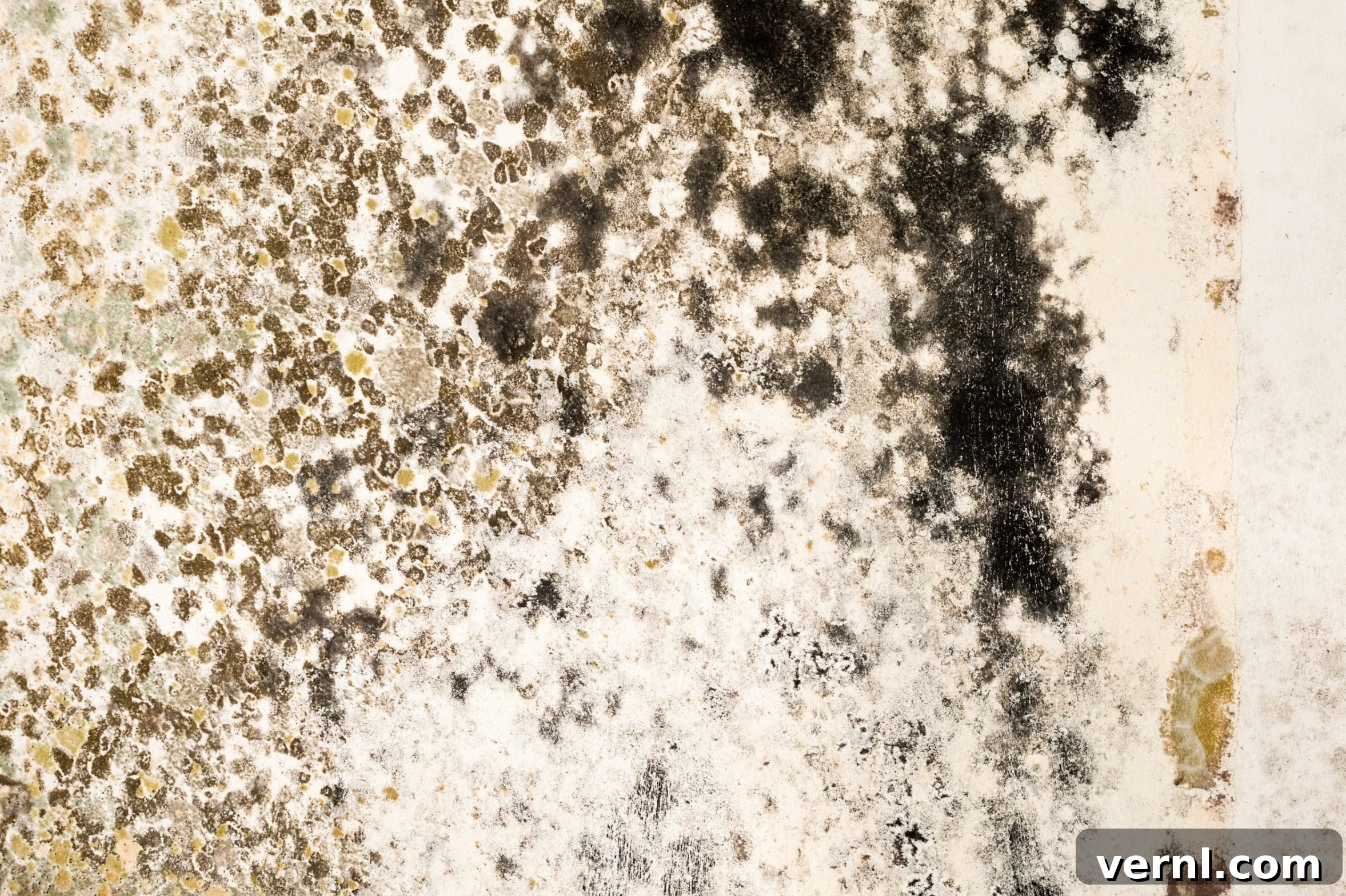
The most straightforward way to distinguish between mold and mildew is by their color. Mildew typically presents itself in shades of white, gray, or sometimes yellowish. In contrast, mold exhibits a much wider and often more vibrant spectrum of colors, including green, red, blue, brown, and commonly, black. The presence of black mold, while not always the highly toxic “Stachybotrys chartarum,” should always be treated with caution.
Texture: A Tactile Indicator
Texture provides another key indicator. Mildew generally has a dry, powdery, or sometimes even fluffy appearance, almost like a thin layer of dust. When you rub it, it often flakes off easily. Mold, on the other hand, tends to have a more defined, often slimy, fuzzy, or velvety texture. Its growth can be more three-dimensional, sometimes resembling a patch of moss.
Growth Pattern and Height: Surface vs. Deep Penetration
One subtle but important difference lies in their growth pattern. Mildew typically appears as a flat, superficial growth that adheres closely to the surface. It doesn’t penetrate deeply into materials. Mold, conversely, often grows in a raised, irregular pattern, and its root-like structures (hyphae) can penetrate deep into porous materials, making it more challenging to remove completely.
Underlying Causes: The Ubiquitous Role of Moisture
Despite their differences, both mold and mildew share the same primary culprit: moisture. Any damp environment, whether inside or outside your home, can become a potential breeding ground. Common moisture sources include roof leaks, foundation leaks, plumbing issues, excessive interior humidity (especially above 60%), overflowing washing machines or dishwashers, condensation on cold surfaces, and general flooding. Poor ventilation in bathrooms and kitchens also contributes significantly to moisture buildup, providing ideal conditions for fungal growth.
Distinctive Odors: Follow Your Nose
Your sense of smell can also help identify and differentiate these unwelcome guests. Mildew usually emits a milder, musty odor, often likened to damp socks or old books. This smell can be subtle at first. Mold, especially as it grows and becomes more established, tends to produce a much stronger, more pungent, earthy, or even acrid smell. A strong, persistent musty or damp odor in your home, even without visible growth, is often a strong indicator of hidden mold.
Temperature Tolerance & Environmental Factors
Both mold and mildew flourish in warm, humid conditions, typically thriving in temperatures above 70°F (21°C). Areas around heat-generating appliances, like refrigerators or washing machines, can be particularly optimal for their growth. Fungal growth generally slows or stops when temperatures drop below 40°F (4°C) or climb above 140°F (60°C). However, it’s important to note that while growth may cease, the spores can often survive these extreme temperatures, reactivating once conditions become favorable again.
Preferred Habitats: Where They Choose to Grow
Mold is incredibly versatile and can infest a wide range of porous organic materials, including paper products, cardboard, ceiling tiles, wood products, drywall, wallpaper, upholstery, and dusty surfaces. It frequently appears in areas prone to leaks, such as around roofs, windows, or pipes. Mildew can also grow in many of these places, but it has a strong preference for flat, non-porous or semi-porous surfaces like untextured ceilings, painted walls, shower tiles, and windowsills, making its initial removal generally less complicated.
How They Spread: The Silent Invasion of Spores
Mold and mildew are highly prolific reproducers. They propagate by releasing millions of microscopic spores into the air. These spores are invisible to the naked eye and can travel long distances via air currents or water. Once these airborne spores land on a suitable damp surface with an organic food source, they can quickly germinate and establish new colonies, leading to incredibly fast growth within a matter of days if conditions are right.
Effective Strategies for Mold and Mildew Removal
Given their differences, mold and mildew often require varying cleaning approaches. Safety should always be your top priority, so ensure adequate ventilation and wear protective gear like gloves, masks, and eye protection, especially when dealing with larger mold infestations.
Mildew Removal: A Straightforward Approach
If you’re confident you’re only dealing with superficial mildew, the removal process is typically less rigorous. A good quality store-bought mildew cleaner, combined with a sturdy scrubbing brush, usually does the trick. Simply spray the cleaner onto the affected area, allow it to sit for five to 10 minutes to penetrate the growth, then scrub thoroughly. Finish by wiping off any remaining residue with a clean paper towel or cloth. Always follow the manufacturer’s instructions for the cleaning product you choose.
Tackling Mold: A More Intensive Process
Mold, due to its deeper penetration and more varied forms, demands a more thorough cleaning process. As Zach Houghton, CEO of Loftera, a U.K.-based construction and renovation company, explains, you can attempt the mildew removal method for small, superficial mold patches, or opt for a homemade solution for more effective remediation.
DIY Cleaning Solutions for Mold
Houghton suggests a powerful homemade solution for tackling mold: “A spray bottle containing two teaspoons of borax mixed with 1/2 cup of white vinegar can be used. Spread the mixture generously over the mold and allow it to dry for approximately 30 minutes. In combination, the borax acts as a natural fungicide, while the white vinegar effectively eliminates both mildew and mold from the surface.” After the solution has dried, rinse the area with clean water and ensure it dries thoroughly to prevent further growth. For tougher stains, a light scrub might be necessary.
Other DIY options include a bleach solution (1 cup bleach per gallon of water for non-porous surfaces, but use with extreme caution and never mix with vinegar), or hydrogen peroxide (3% solution sprayed directly on the mold). Always test any cleaning solution on an inconspicuous area first to prevent discoloration or damage.
When to Call the Professionals
While DIY methods are effective for small areas, Houghton strongly advises professional help for larger or persistent mold problems. “It is advisable to call an expert to inspect any significant or recurring mold issue you have in the long run,” he states. “Molds are still capable of producing toxic spores even when dead, so simply cleaning them doesn’t always eliminate their harmful effects or prevent future health risks.” Professional mold remediators have specialized equipment and expertise to safely remove mold, address the root cause, and prevent its return, especially for areas larger than 10 square feet, recurring growth, or if you suspect hidden mold behind walls.
Proactive Measures: Preventing Mold and Mildew Growth
Prevention is undoubtedly the best strategy when it comes to mold and mildew. By proactively managing moisture and environmental conditions, you can significantly reduce the chances of these fungi taking hold in your home.
Controlling Indoor Humidity Levels
One of the most crucial preventive steps is to maintain indoor humidity levels below 60 percent, ideally between 30-50 percent. High humidity creates an ideal breeding ground for mold. You can effectively manage humidity with a dehumidifier, particularly in basements, bathrooms, and other naturally damp areas. Using a hygrometer to monitor humidity levels will help you keep them in the optimal range.
Enhancing Ventilation Throughout Your Home
Proper ventilation is key to circulating air and preventing moisture buildup. Always run exhaust fans in bathrooms during and after showers or baths for at least 15-20 minutes. Similarly, use exhaust fans or open windows when cooking or washing dishes to vent steam and moisture outdoors. Consider opening windows periodically to allow for cross-ventilation, especially on dry days. Ceiling fans can also help improve air circulation in various rooms.
Regular Cleaning and Maintenance Schedule
A consistent cleaning regimen can significantly deter mold growth. Make it a habit to clean your home at least twice a month, paying close attention to areas prone to dampness. Regularly wipe down shower walls, curtains, and tiles after use. Clean and dry refrigerator drip pans, washing machine seals, and the insides of window frames. Don’t forget to check less obvious spots like under sinks or behind appliances for any hidden moisture or growth.
Promptly Addressing Water Leaks and Damage
Any source of water intrusion or leakage must be addressed immediately. This includes repairing leaky roofs, plumbing pipes, or foundation cracks. After any spills, floods, or minor water damage, ensure that affected areas are thoroughly dried within 24-48 hours to prevent mold from taking root. If items like carpets or drywall have been saturated for longer, they might need to be removed and replaced.
Proper Insulation and Condensation Prevention
Good home insulation plays a role in preventing condensation, especially on windows, walls, and pipes. Insulating cold surfaces can keep them above the dew point, thereby reducing the moisture available for mold growth. Ensure your attic and crawl spaces are properly insulated and ventilated to prevent condensation and moisture accumulation.
By understanding the differences between mold and mildew, recognizing their signs, and implementing these comprehensive removal and prevention strategies, you can maintain a healthy, dry, and comfortable home environment. Taking proactive steps not only protects your property but, more importantly, safeguards the health of everyone living within its walls.