Mastering Mulch: Your Ultimate Guide to Smarter, Low-Maintenance Gardening
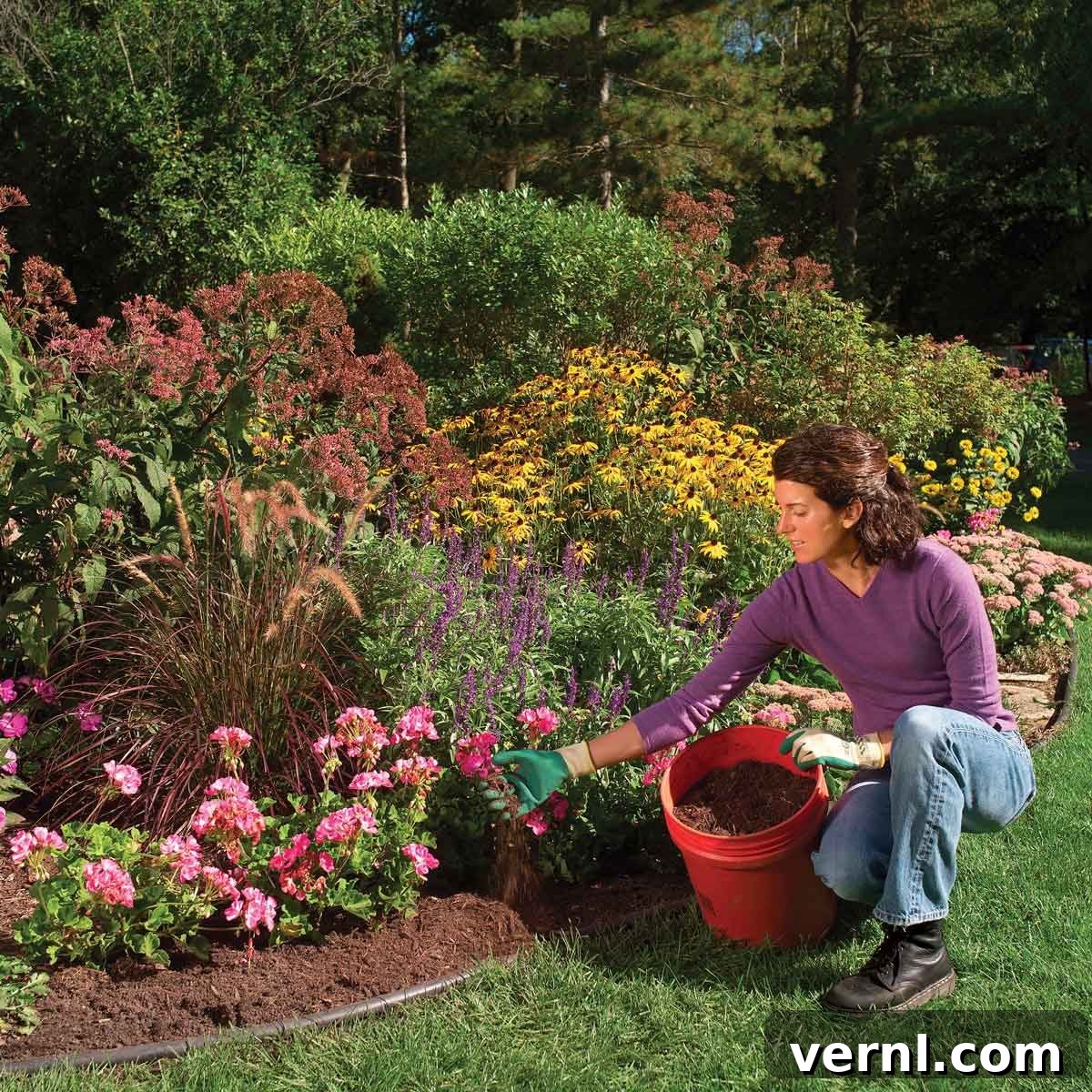
Mulch is more than just a decorative top layer for your garden beds; it’s a fundamental gardening practice that significantly enhances plant health, conserves resources, and dramatically reduces maintenance efforts. For both seasoned horticulturists and casual gardeners, the strategic application of mulch can revolutionize the way you care for your landscape. By effectively mulching your garden and lawn areas, you unlock a cascade of benefits: minimized water evaporation, robust weed suppression, improved soil quality, and an undeniably attractive finish that elevates your outdoor space. It’s an accessible, cost-effective, and powerful tool for achieving a thriving, beautiful, and healthier garden with less effort.
The Multifaceted Benefits of Mulching Your Garden
Mulch refers to any material spread over the soil surface to protect and enhance garden beds. While commonly associated with organic materials such as wood chips, cedar bark, and nutrient-rich compost, it also includes inorganic options like decorative stone and gravel. Regardless of the type you choose, incorporating a suitable layer of mulch offers profound advantages, simplifying your gardening tasks and fostering robust plant growth:
- Exceptional Water Conservation: A layer of mulch acts as a natural shield, drastically slowing down moisture evaporation from the soil. This crucial function means your plants stay hydrated for longer periods, reducing the frequency of watering, especially during dry spells or hot summer months. It also enhances water absorption, ensuring that rain or irrigation penetrates deeply into the soil where it’s needed, rather than merely running off the surface.
- Powerful Weed Suppression: One of the most celebrated benefits of mulch is its ability to inhibit weed growth. By blocking sunlight, mulch creates an unfavorable environment that prevents most weed seeds from germinating and establishing themselves. This translates into significantly less time spent on manual weed removal, allowing your cultivated plants to thrive without competition for essential water, light, and nutrients.
- Enhanced Soil Health and Fertility: Organic mulches are true champions of soil improvement. As these materials gradually decompose, they continuously release vital organic matter and essential nutrients into the underlying soil. This process actively improves soil structure, increases beneficial microbial activity, and enhances drainage and aeration. Over time, this leads to a richer, more fertile, and healthier growing medium that supports vigorous plant development.
- Critical Temperature Regulation: Mulch serves as an insulating blanket, effectively shielding plant roots from extreme temperature fluctuations. In the heat of summer, it keeps the soil cooler, protecting sensitive roots from scorching. Conversely, in colder months, it provides a layer of warmth, safeguarding plants from freezing temperatures and sudden cold snaps that can cause significant damage.
- Elevated Garden Aesthetics: Beyond its practical benefits, mulch provides a clean, uniform, and polished appearance to your garden beds. It adds texture, depth, and a touch of sophisticated color, creating an attractive backdrop that allows your plants and flowers to truly stand out and enhances the overall visual appeal of your landscape.
- Reduced Soil Erosion: On sloped terrains or in areas prone to heavy rainfall, mulch plays a vital role in stabilizing the soil. Its protective layer prevents erosion, safeguarding precious topsoil and vital nutrients from being washed away.
Embracing mulch means less time dedicated to watering, weeding, fertilizing, and general upkeep, providing you with more time to simply relax and enjoy your beautiful, thriving garden.
Exploring the Diverse Types of Mulch for Every Landscape Need
The vast array of mulch materials available means there’s a perfect option for nearly every gardening goal and aesthetic preference. Understanding the distinct characteristics of each type is crucial for making an informed choice that best suits your specific landscape and plant requirements.
Organic Mulch: The Nurturer of Soil
Organic mulches are derived from natural, plant-based materials and are highly valued for their ability to decompose over time, enriching the soil with valuable organic matter and nutrients. This makes them an exceptional choice for improving soil structure, boosting fertility, and supporting overall plant vigor. Organic mulches are generally categorized by their state of decomposition:
Aged Organic Mulch (Partially Composed)
Aged organic mulches, often referred to as composted wood products or garden compost, have already undergone significant decomposition. This pre-breakdown means they release nutrients more readily and are less likely to draw nitrogen from the soil during their initial stages, which can be a concern with fresh mulches. They significantly enhance soil structure, foster beneficial microbial activity, and provide a slow-release source of nutrients for robust plant growth. Aged mulch is often sold in bulk, offering an economical solution for larger landscaping projects. You might collect it yourself from a local yard or arrange for convenient delivery by the truckload.
Fresh Organic Mulch (Wood Chips, Bark, and More)
Fresh organic mulches, such as newly chipped wood or bark, are typically used where the primary goals are weed suppression, moisture retention, and aesthetic enhancement, rather than immediate soil improvement. These are ideal for applications around trees and shrubs, along pathways, or in garden beds where existing soil health is already good. While they decompose slower than aged mulches, they still contribute to soil enrichment over their lifespan, requiring less frequent replenishment. Popular fresh organic mulch types include:
- Wood Chips: A versatile and widely available option, wood chips come in various tree species (e.g., oak, maple) and sizes. They offer excellent weed suppression, superb moisture retention, and a rustic aesthetic.
- Bark Mulch: Varieties like pine bark nuggets, cedar bark, and shredded hardwood bark are highly decorative and generally boast a longer lifespan due to their tougher, more fibrous composition. Pine bark is particularly popular for its attractive reddish-brown color and slow decomposition rate. Cedar mulch is often favored for its aromatic properties, which are believed to deter some garden pests, though its effectiveness varies.
- Shredded Hardwood/Softwood Mulch: These finely shredded materials tend to interlock, making them exceptionally effective for stabilizing mulch on slopes where larger pieces might wash away. They decompose faster than chunky bark, leading to quicker soil enrichment.
- Straw and Hay: Frequently used in vegetable gardens, straw (ensure it’s seedless to avoid introducing new weeds) provides excellent insulation, weed suppression, and moisture retention. It’s lightweight, easy to apply, and breaks down relatively quickly, adding valuable organic matter back into the soil.
- Shredded Leaves: A readily available and free mulch, shredded leaves are perfect for overwintering perennial beds, enriching soil, and creating a natural forest-floor aesthetic.
- Compost as Mulch: While primarily a soil amendment, a 1-2 inch layer of finished compost can also serve as a top-dressing mulch, offering unparalleled nutrient density and a boost of beneficial microorganisms directly to the soil surface.
For specialized applications, such as nourishing a productive vegetable garden, certain mulches may offer superior benefits. Explore the best mulch options for your vegetable garden to maximize your harvest potential.
Stone Mulch: The Durable and Decorative Inorganic Choice
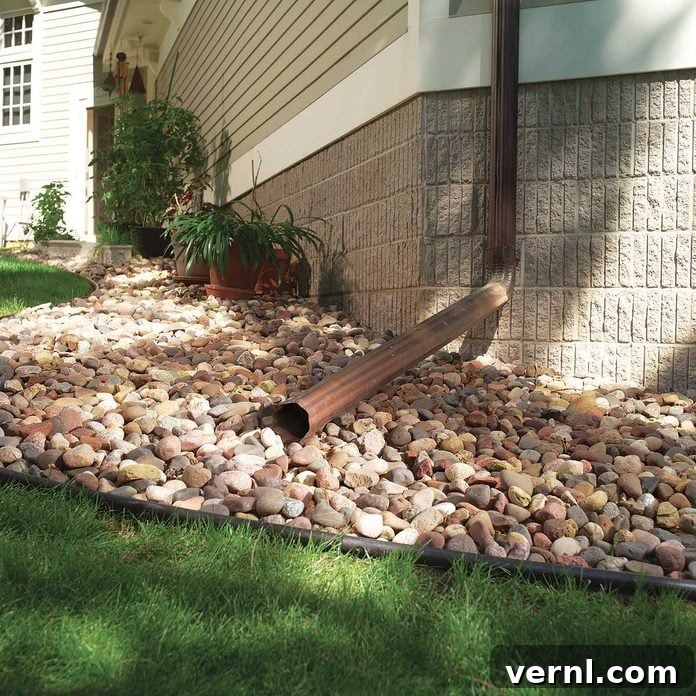
Unlike organic mulches, stone mulch — encompassing gravel, pebbles, river rock, and lava rock — is an inorganic material that does not decompose. This inherent characteristic makes it an incredibly durable, long-lasting, and low-maintenance choice for specific landscape applications. Stone mulch is particularly well-suited for:
- Stabilizing Erosion-Prone Areas: Its weight and stability make stone mulch ideal for hillsides, around downspouts, in dry riverbeds, or other drainage areas where soil erosion is a significant concern.
- Enhancing Modern and Xeriscape Designs: Stone offers a sophisticated, clean, and contemporary aesthetic. Available in a vast array of colors, shapes, and sizes, it can beautifully complement various garden styles, from minimalist designs to drought-tolerant xeriscapes.
- Creating Low-Maintenance Pathways and Borders: Stone mulch is perfect for defining garden edges, constructing durable pathways, or filling areas where organic matter and decomposition are not desired or practical.
While stone mulches do not contribute to soil fertility, their permanence and striking visual appeal offer distinct advantages in the appropriate landscape context.
Mulch Longevity and Color Retention: What to Expect
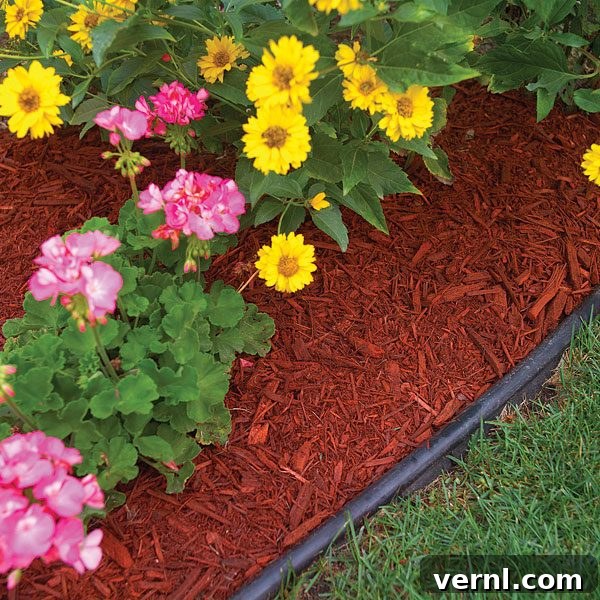
The duration of a mulch’s vibrant color and its overall lifespan can vary significantly based on its type, composition, and exposure to environmental elements. For gardeners who prioritize the visual impact of their landscape, understanding these characteristics is key to selecting the most suitable option.
Natural Organic Mulches: The Cycle of Fading
Most natural organic mulches, such as untreated wood chips and bark, will gradually lose their initial vibrant color and weather into a subdued grayish-brown hue over approximately one year. This natural fading is an inherent part of their decomposition process, coupled with exposure to UV radiation from sunlight, rain, and other weather elements. While this change in appearance does not diminish their effectiveness in terms of moisture retention or weed suppression, it does alter their aesthetic contribution to the garden. To maintain a fresh look, a light top-dressing of new mulch can be applied annually or every other year, effectively rejuvenating the garden beds.
Custom-Colored Organic Mulches: Lasting Vibrancy
For those seeking a more enduring and striking color to accent their plants and flowers, custom-colored organic mulches are an excellent choice. These mulches, such as the vivid red-dyed variety often seen, are processed with non-toxic, vegetable-based dyes available in a spectrum of hues, including rich reds, deep blacks, and earthy browns. You can expect their color to remain vibrant for two to three years, offering a significantly longer period of aesthetic appeal compared to natural options. The dyes used are generally safe for plants, pets, and the environment, though it’s always prudent to verify product specifications. While highly pigmented mulches might experience minor “run-off” during exceptionally heavy rains, this minimal color transfer typically washes off nearby hardscapes without causing permanent staining. Colored mulches often possess a finer, more shredded texture, which helps them interlock and mat together. This characteristic makes them particularly effective for retaining their position on sloped areas, resisting wind and water erosion. Inquire about the variety of colored mulch options available at your local garden center or nursery.
Stone Mulches: Eternal Color
Stone mulches offer unparalleled color stability. Their natural mineral composition means that their inherent colors will not fade, bleach, or diminish over time, providing a consistent and unchanging aesthetic for many years, if not decades. However, lighter-colored stone varieties may show dirt, algae, or fallen leaf debris more readily. To maintain their pristine appearance, periodic cleaning is often necessary. This typically involves rinsing with a garden hose to remove dust and dirt, or using a leaf blower/vacuum to clear away accumulated organic matter, ensuring your stone beds always look fresh and vibrant.
Situations Where Mulch May Not Be the Ideal Solution
While mulch offers an impressive array of benefits, it’s not a universal panacea for every gardening situation. Understanding its limitations can help prevent potential problems and ensure the long-term health and vitality of your plants.
- Organic Mulch in Damp, Low-Lying Areas: Spreading organic mulches over areas that are consistently damp or poorly drained can sometimes create an overly moist environment. This excessive dampness can lead to undesirable outcomes such as fungal diseases, root rot, and an overpopulation of slugs and other moisture-loving pests, which can cause significant harm to certain plants. In such scenarios, prioritizing drainage improvements or opting for less moisture-retentive alternatives may be a more beneficial approach.
- Rock Mulches and Heat Absorption: Stone and gravel mulches, particularly darker varieties like black lava rock, have a high thermal mass. They can absorb and retain a substantial amount of solar heat, radiating it back into the soil and surrounding air. This can lead to excessively hot soil temperatures, potentially baking the shallow root systems of heat-sensitive plants or increasing water demand for nearby plants. For plants that prefer cooler root zones, or in very hot climates, organic mulches or carefully chosen light-colored stones that reflect more heat might be a more appropriate choice.
- The Detrimental “Mulch Volcano” Effect: A common and detrimental mistake is piling organic mulch high against the trunks of trees and woody shrubs, creating what gardeners refer to as a “mulch volcano.” This practice is severely harmful as it can smother the tree’s vital root flare, promote the onset of bark rot due to constant moisture, encourage pest infestations (such as rodents or insects nesting in the mulch), and even lead to girdling roots that eventually strangle the tree. Always ensure that mulch is pulled back a few inches from the base of all woody stems and tree trunks, creating a small, clear ring of space.
For personalized guidance, it is always highly recommended to consult with a local nursery expert or a horticultural professional. They can offer invaluable advice tailored to your specific local climate, soil conditions, and any unique challenges your yard might present, ensuring you select the most suitable mulch type and apply it using optimal techniques.
The Longevity Advantage of Chunky Mulches
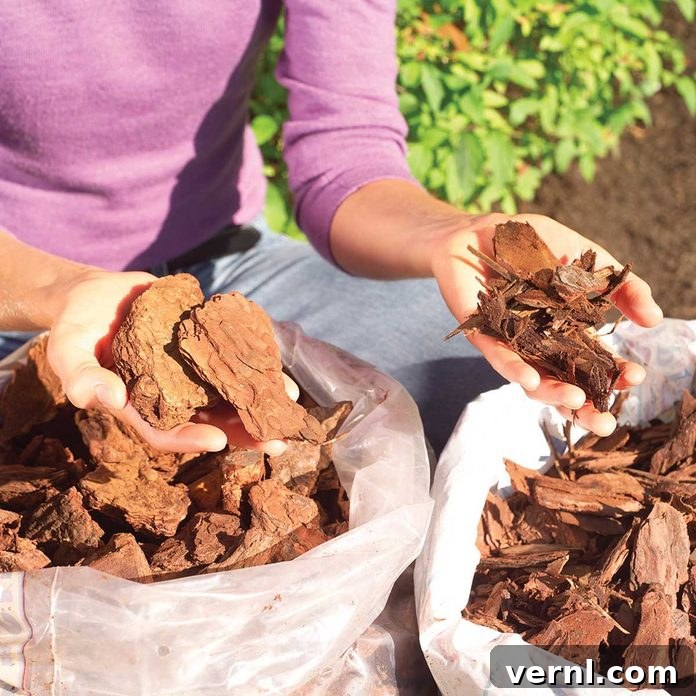
When choosing organic mulches, the physical characteristics of the material, particularly its size and composition, play a significant role in determining its decomposition rate and, consequently, its lifespan in your garden. For those aiming for extended aesthetic appeal and less frequent replenishment, opting for chunkier varieties is a highly effective strategy.
Bark mulches composed of larger, more substantial pieces, such as pine bark nuggets or sizable hardwood chips, generally last considerably longer than finer, shredded wood mulches. The underlying reason is straightforward: larger pieces possess less surface area exposed to the elements and to microbial decomposers (bacteria, fungi, and insects). This reduced exposure slows down the decomposition process, allowing the mulch to retain its structure, volume, and color for a more extended period. Furthermore, chunkier mulches often provide better air circulation to the soil beneath, which can be beneficial in certain contexts.
Therefore, if durability and a longer refresh cycle are your primary considerations, prioritize organic mulch types with larger chunks. Opt for bark-type mulches (like pine bark nuggets or large cedar chips) over finely shredded wood types (such as cedar bark mulch, cypress mulch, or general shredded hardwood). While shredded mulches excel at interlocking and are ideal for slopes, their increased surface area inherently leads to a faster breakdown rate.
It’s important to remember that while mulch significantly reduces gardening maintenance, it does not eliminate it entirely. Organic mulches are designed to decompose and integrate into the soil, meaning they will eventually need to be replenished. Typically, a fresh layer is recommended every two to three years, or sooner if the existing layer thins out to less than two inches, indicating a need for refreshment to maintain its benefits.
Mulch and Weeds: A Powerful Suppressant, Not a Complete Eliminator
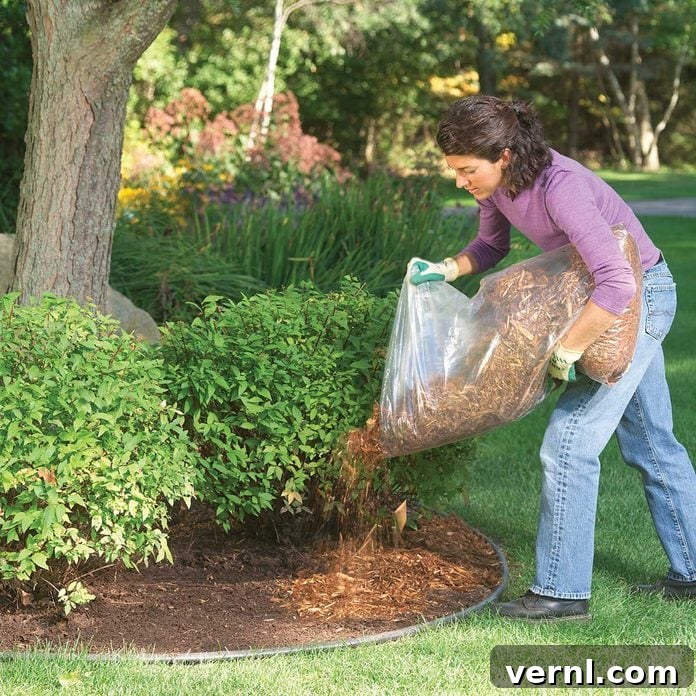
One of the most compelling advantages of using mulch is its remarkable ability to control weeds. However, it’s crucial to understand that mulch acts as a powerful suppressant, rather than a complete weed terminator. To maximize its effectiveness and ensure your garden remains largely weed-free, proper groundwork is absolutely essential.
Before even considering applying mulch, it is imperative to thoroughly remove all existing weeds, especially perennial varieties that possess deep, resilient root systems. Stubborn weeds like dandelions, thistles, and bindweed are remarkably persistent and will likely push right through even the thickest layer of mulch if their roots are not completely extracted beforehand. Once your garden bed is meticulously cleared, apply a generous and consistent layer of organic mulch—aim for at least 4 inches deep. This specific depth is critical because it creates a sufficiently dark and inhospitable environment that effectively prevents the vast majority of dormant weed seeds already present in the soil from germinating and growing.
Despite its impressive capabilities, mulch cannot stop new weed seeds from arriving. Wind will inevitably carry weed seeds into your garden, where they can land on top of the mulch layer (whether organic or stone) and eventually sprout. These “volunteer” weeds, however, are typically much easier to identify and pull from a loose mulch layer than from compacted, bare soil. Consequently, all mulch-covered gardens will still require occasional, minimal weeding, though this effort will be significantly reduced compared to maintaining a garden with exposed soil.
For areas with particularly persistent perennial weeds or where you desire an extra layer of suppression, consider laying down a biodegradable barrier such as a layer of cardboard or several sheets of newspaper (ensure they are non-glossy and use only black ink) directly onto the soil before applying the mulch. This temporary barrier provides an additional defense against weeds and will naturally break down over time, further enriching the soil structure.
Achieving Optimal Results: How Thick Should Organic Mulch Be Applied?
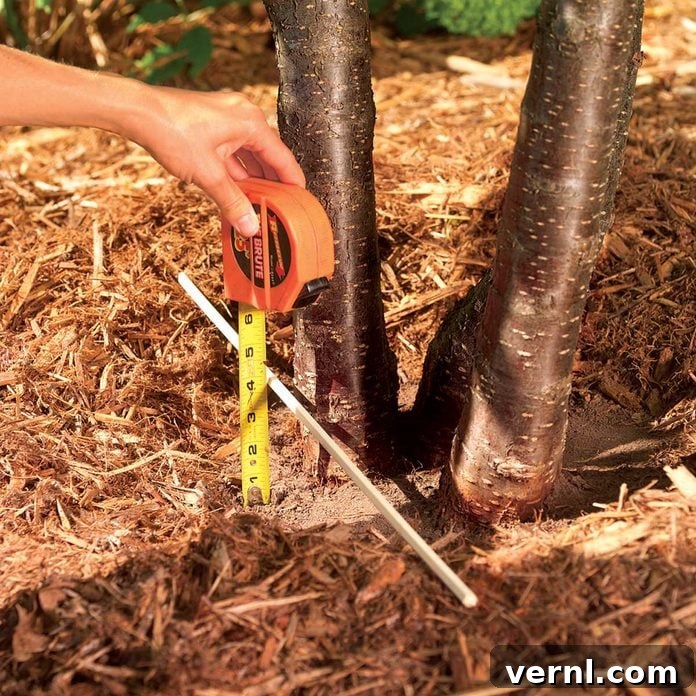
Applying organic mulch correctly is just as crucial as selecting the appropriate type. The ideal depth ensures maximum benefits for your plants and soil without inadvertently causing harm. For most general garden applications, a consistent layer of mulch approximately 3 to 4 inches deep is widely recommended as the sweet spot.
This optimal depth is highly effective for several reasons:
- Robust Weed Suppression: A 3-4 inch layer effectively blocks sufficient sunlight to prevent the vast majority of weed seeds from germinating and competing with your desired plants.
- Superior Moisture Retention: This thickness provides an excellent insulating barrier against evaporation, helping to maintain consistently moist soil conditions, reducing the need for frequent watering.
- Efficient Temperature Regulation: It offers adequate insulation, protecting plant roots from both extreme heat in summer and freezing temperatures in winter.
However, it’s important to understand that more isn’t always better. Limiting the maximum depth to 5 to 6 inches is crucial, especially around shallow-rooted plants. Excessive mulch can compact the soil, impede proper oxygen flow to plant roots, and create an overly damp, anaerobic environment that promotes the growth of harmful fungal diseases.
A fundamental rule for applying mulch, particularly around the bases of woody plants, shrubs, and trees, is to always pull it back a few inches from the stem or trunk. Create a small, donut-like ring of clear, uncovered space, typically 2 to 6 inches away from the base. This critical practice prevents the dreaded “mulch volcano” effect, which can lead to severe problems such as:
- Bark Rot: Constant moisture held against the bark by mulch can cause it to rot, creating entry points for diseases and pests.
- Pest Infestation: Deep mulch piled against the trunk provides an ideal, sheltered habitat for rodents and insects that can chew on the tender bark.
- Girdling Roots: Excessive mulch encourages roots to grow upwards into the mulch layer instead of downwards into the soil, eventually circling and strangling the main trunk or root flare.
For garden beds located on slopes, where mulch can easily be dislodged and washed away, applying a shredded type of organic mulch about 6 inches deep is often more effective. Shredded mulches have an interlocking quality that allows them to form a cohesive mat, making them much more resistant to erosion compared to chunkier varieties.
A Special Note on Cocoa Bean Mulch
Cocoa bean mulch enjoys popularity in certain regions due to its attractive deep brown color and distinctive chocolate-like aroma. However, its application requires specific care. It should be applied in a thin layer, no more than 1 inch thick, as thicker applications tend to retain excessive moisture, which can lead to mold growth and an unpleasant sour smell. Its lightweight nature also means it may need more frequent replenishment, as it is prone to blowing away when dry. Crucially, gardeners with pets should be aware that this type of mulch is not safe for dogs; it contains theobromine, a compound found in chocolate that is highly toxic to canines.
Accurately Calculating Your Mulch Needs
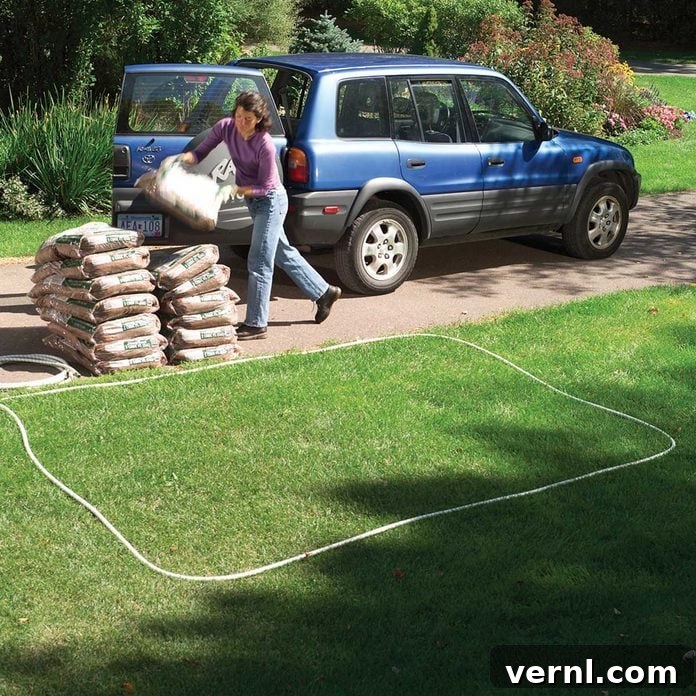
Before embarking on your mulching project, accurately estimating the quantity of mulch required is a crucial step that will save you time, effort, and unnecessary trips to the garden center. An precise calculation ensures you purchase just enough to complete your project efficiently without overspending or running short.
Simple Mulch Volume Calculation
To calculate the volume of mulch needed for a specific garden bed, begin by measuring its length and width in feet. Multiply these two figures to determine the total square footage of the area. For a typical application depth of 4 inches, which is approximately 0.33 feet, you can utilize this straightforward formula:
(Length in feet × Width in feet) × (Desired Depth in feet) = Volume in Cubic Feet (cu. ft.)
For the most common 4-inch deep layer, this simplifies to:
(Length in feet × Width in feet) / 3 = Volume in Cubic Feet (cu. ft.)
For instance, if you have a garden bed measuring 15 feet long and 8 feet wide, the calculation would be:
(15 feet × 8 feet) / 3 = 120 / 3 = 40 cubic feet
Most bagged mulch products clearly state their volume on the label, typically in cubic feet (e.g., 1.5 cu. ft. or 2 cu. ft. per bag). You might be surprised by the sheer number of bags required for even a moderately sized area!
Navigating Bulk vs. Bagged Mulch Purchases
A standard cubic yard is a common unit for bulk landscaping materials and is equivalent to 27 cubic feet. To put this into perspective, a medium-sized SUV can usually accommodate about one cubic yard of mulch, which translates to roughly 14 bags of 2-cubic-foot mulch. When spread evenly at a 4-inch depth, one cubic yard of mulch will cover an area of approximately 81 square feet (e.g., a 9×9-foot or a 7×11-foot rectangle).
For larger garden areas or extensive landscaping projects, purchasing mulch in bulk (where it’s delivered and dumped, rather than individually bagged) from a local landscape supply yard is almost always more cost-effective and significantly more efficient. Consider arranging for delivery if you have extensive areas to cover, as manually transporting numerous bags can be exceptionally labor-intensive and require multiple trips in a personal vehicle.
It’s always a good practice to factor in a slight buffer, perhaps an additional 10-15% beyond your calculated estimate, to account for uneven areas, compaction, or if you decide to slightly increase the depth in specific spots. It’s often more convenient to have a small amount leftover than to run short midway through your project.
Landscape Fabric Under Mulch: When to Use and When to Avoid
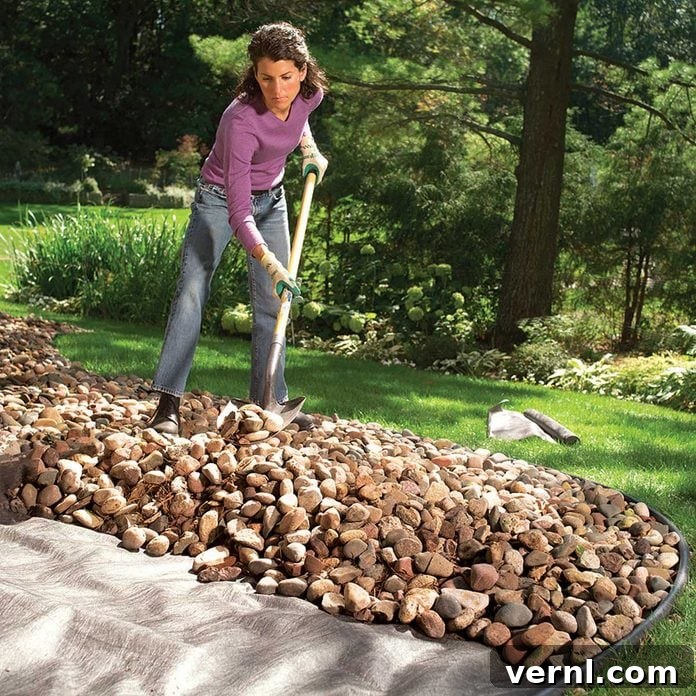
The decision to install landscape fabric beneath your mulch layer is a critical one, heavily influenced by the type of mulch you intend to use and your long-term gardening objectives. Generally, landscape fabric has very specific and beneficial applications, but also notable drawbacks in other scenarios.
Under Stone and Gravel Mulches: Highly Recommended
When applying inorganic mulches such as stone, gravel, or pebbles, placing a porous landscape fabric underneath is strongly recommended. This barrier serves several crucial functions that enhance the longevity and appearance of your stone beds:
- Prevents Sinking and Mixing: The fabric acts as a separation layer, preventing the rocks from gradually sinking into the underlying soil over time. This maintains a clean, distinct appearance and prevents the stones from mixing with the earth below.
- Facilitates Future Removal: Should you ever decide to redesign your landscape and remove the stone mulch, the fabric barrier makes the process significantly easier by preventing the rocks from becoming embedded and intermingled with the soil.
- Additional Weed Suppression: While stone itself doesn’t stop weeds, the fabric provides an essential physical barrier that effectively slows down and often prevents weeds from rooting from the soil beneath and pushing through the stone layer.
It is paramount to choose a fabric that is permeable, allowing water, air, and essential nutrients to pass through to the soil below. Absolutely avoid using impermeable plastic sheeting, especially if you have trees, shrubs, or other plants nearby, as it can suffocate roots, create anaerobic conditions, and lead to unhealthy plant growth.
Under Organic Mulches: Generally Not Recommended
The consensus among experienced gardening professionals is to largely avoid using landscape fabric beneath organic mulches. There are several compelling reasons for this recommendation:
- Hindrance to Soil Improvement: Organic mulches are designed to naturally break down over time, enriching the soil with valuable organic matter and nutrients. A fabric barrier directly prevents this crucial decomposition process, meaning the beneficial organic material cannot readily reach and integrate with the underlying soil, thereby negating a primary benefit of organic mulch.
- Complicates Weeding Efforts: While fabric is intended to suppress weeds, it often ironically makes subsequent weeding much more difficult. Weeds will inevitably germinate in the thin layer of organic debris and decomposing mulch that accumulates on top of the fabric. Their roots can then grow through the fabric, making them incredibly difficult to pull without tearing the barrier or leaving stubborn root fragments behind. Effectively digging out weeds with a trowel or shovel becomes nearly impossible through both the mulch and the tangled fabric.
- Entangles Plant Roots: Over extended periods, the roots of your desired plants can also grow into and through the landscape fabric. This makes future planting, transplanting, or even simple maintenance tasks cumbersome and potentially damaging to the plants.
- Not a Permanent Solution: Over time, fabric can degrade, tear, or become exposed, reducing its effectiveness and creating a messy appearance.
For organic mulches, relying on a sufficient depth of material (3-4 inches) combined with thorough initial weed removal is typically a more effective, beneficial, and sustainable approach for long-term soil health and weed control than introducing an unnecessary fabric barrier.
Maintaining the Pristine Appearance of Your Stone Mulch
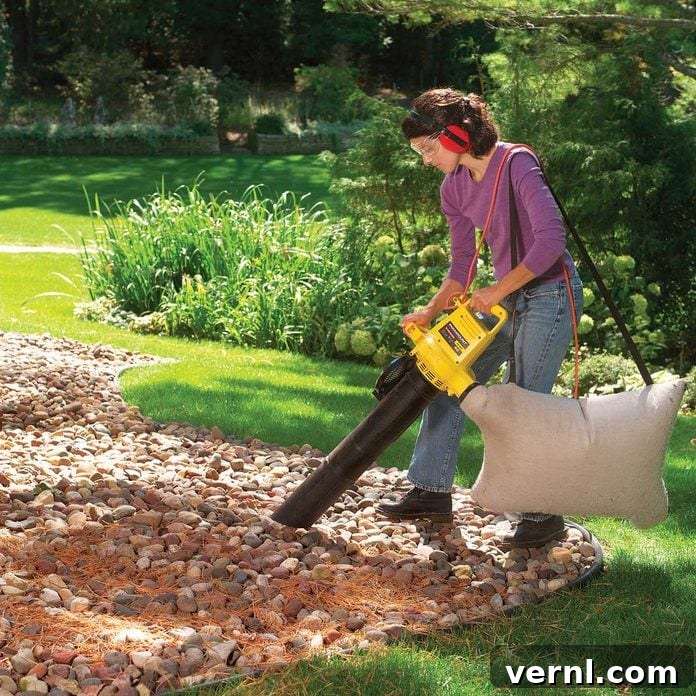
While stone mulch offers impressive durability and inherent color stability, it requires distinct maintenance considerations compared to organic mulches to retain its clean, tidy, and aesthetically pleasing appearance. The primary challenges in maintaining stone mulch beds typically stem from airborne debris and persistent, opportunistic weeds.
You will still need to manually pull occasional weeds that manage to sprout within the small pockets of organic matter that inevitably collect between the stones, or those that might push through an underlying landscape fabric. However, the most significant aesthetic concern for stone mulch often arises from fallen leaves, small twigs, pollen, and other organic debris from nearby trees and shrubs, which can quickly clutter the clean look of your stone beds.
The easiest and most efficient method for removing this surface debris is to utilize a leaf vacuum or a powerful leaf blower. A leaf vacuum can effectively suck up leaves and small twigs without disturbing the individual stones, making it ideal for precision cleaning. Alternatively, a leaf blower can quickly clear debris from larger areas. For very fine gravel mulches, however, a blower might cause the gravel to scatter, in which case a vacuum is often the preferred tool.
It’s worth acknowledging that stone mulch placed directly underneath a deciduous tree or within a heavily wooded area is notoriously difficult, if not virtually impossible, to keep perfectly clean year-round. In such high-debris zones, it is often a more practical and lower-maintenance solution to opt for organic mulch. Tree debris will naturally blend in with organic mulches as they decompose, creating a more harmonious and less demanding landscape.
Periodic rinsing with a garden hose can also be highly effective for washing away accumulated dust, fine dirt, and even some pollen, especially beneficial for lighter-colored stones, helping them to maintain their fresh and vibrant look.
Conclusion: Embracing the Mulch Advantage for a Thriving Garden
Mulch stands as undeniably one of the most impactful and versatile tools available in a gardener’s arsenal, offering a comprehensive solution for a wide spectrum of horticultural challenges. From dramatically cutting down on laborious watering and tedious weeding to profoundly enriching your soil and safeguarding your precious plants from damaging temperature extremes, the benefits of mulching are extensive, long-lasting, and truly transformative. By thoroughly understanding the distinct types of mulch—distinguishing between organic and inorganic, appreciating the differences between aged and fresh, and recognizing the advantages of chunky versus shredded varieties—and by applying these materials correctly and thoughtfully, you possess the power to transform your garden into a more resilient, healthier, effortlessly beautiful, and remarkably appealing space.
Whether your ultimate gardening aspiration is to cultivate vibrant flowerbeds that burst with color, establish a highly productive vegetable patch that yields bountiful harvests, or design a stunning, low-maintenance landscape that conserves resources, making the informed choice of the right mulch and applying it with meticulous care is a fundamental, non-negotiable step toward achieving and surpassing your gardening goals. Embrace the profound mulch advantage, and prepare to enjoy a garden that flourishes with unparalleled vigor, demands significantly less effort, and radiates enduring beauty.