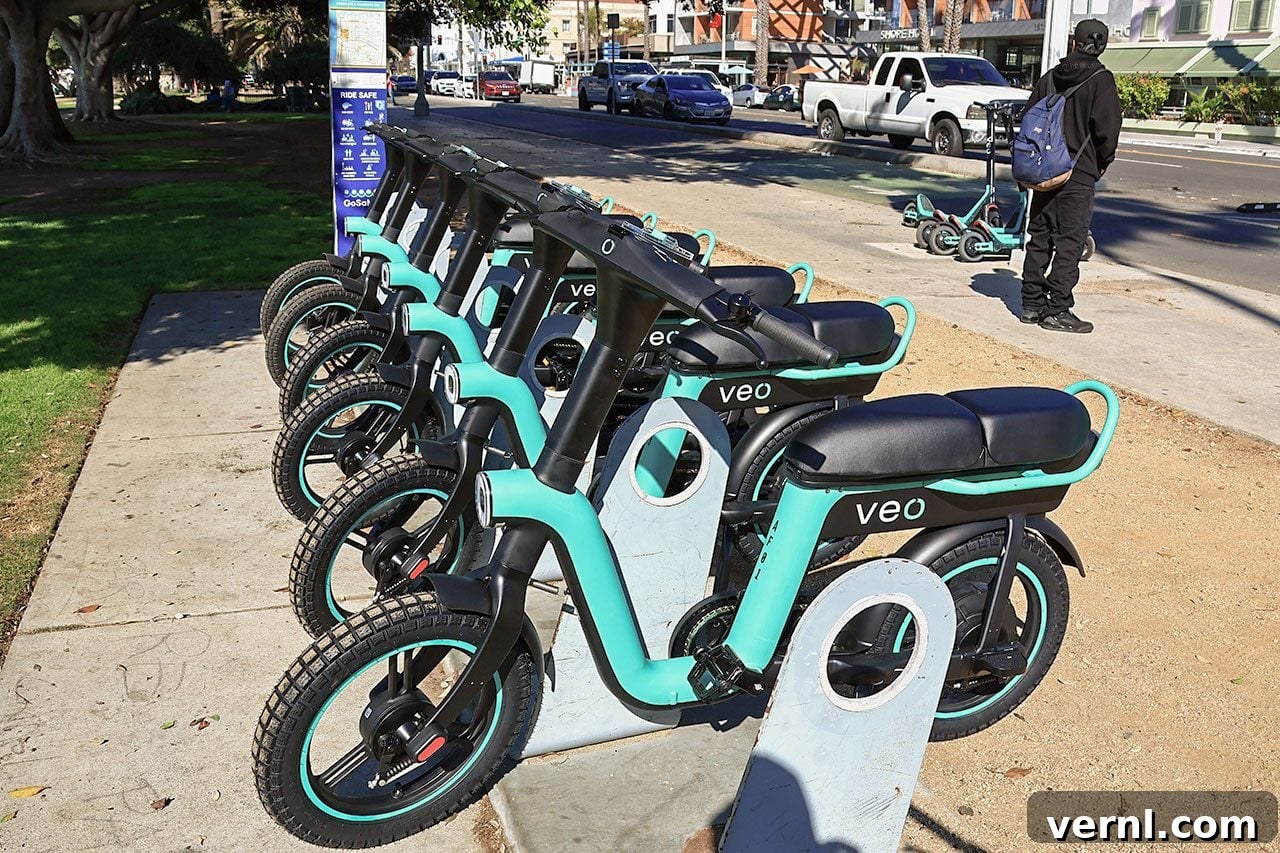
In the last decade, electric bicycles have moved from niche curiosity to everyday transportation in many cities, and for good reason. They offer practical solutions for commuters, older riders, parents carrying children, and anyone who wants to travel farther or avoid a car. But as sidewalks, bike lanes and streets become more crowded and buyers increasingly choose faster, more powerful models, injuries have risen. That uptick has prompted swift action from state and local lawmakers.
Some places are already responding with new rules. In July, Boise, Idaho, adopted an emergency ordinance requiring high-power electric motorbikes to be licensed, registered and insured. Advocates say measures like this are a start and that regulation needs to evolve to match changing technology. The debate now centers on how to balance safety with access for people who rely on e-bikes for daily mobility.
E-Bike Popularity Boom
Modern e-bikes began to take off in the mid-2010s as improvements in lithium batteries and mid-drive motors made them more practical and affordable. The COVID-19 pandemic accelerated demand, as people sought safe, socially distanced ways to get around and to exercise outdoors. Sales in the U.S. jumped from a few hundred thousand units a year to well over a million, and in many areas e-bikes now outpace electric cars in sales.
Product variety has expanded alongside demand. Today’s market includes city cruisers, cargo bikes, folding models, mountain e-bikes, shared rental bikes and powerful e-motorcycles. Because this growth has been rapid, laws and infrastructure have lagged behind, and regulators are still catching up.
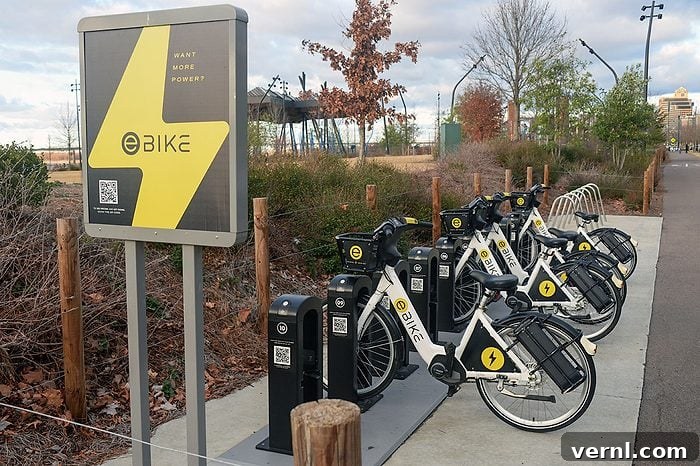
Types of E-Bikes
While rules vary by state and locality, many jurisdictions use a three-class system for e-bikes, generally limiting motors to 750 watts or less:
- Class 1: pedal-assist up to 20 mph
- Class 2: throttle-assisted up to 20 mph
- Class 3: pedal-assist up to 28 mph
Alongside these categories, higher-performance electric motorcycles and heavily modified e-bikes have emerged. These “e-motos” or out-of-class vehicles often feature much more powerful motors and higher top speeds, and they are the focus of much recent regulatory attention.
Why Laws Are Changing
Changes in law are driven primarily by safety concerns for both pedestrians and riders. Regulators are also grappling with whether high-powered e-bikes should be treated like bicycles or like motor vehicles—an important distinction that affects where they can operate, licensing, parking, registration and insurance requirements.
Much of the urgency is aimed at e-motos rather than standard class 1–3 models. A heavy, fast machine traveling at 30 mph on a shared path full of walkers, pets and children is a significant hazard, and several communities have reported serious injuries and fatalities that have pushed officials to act.
Local debate also touches on secondary issues: age minimums, speed limits, motor wattage caps, battery safety standards, and whether certain e-bikes should be allowed on greenways, college campuses or singletrack mountain trails. Regulators are additionally pursuing devices and apps that bypass factory-set speed limiters on class 2 bikes.
E-Bike Safety
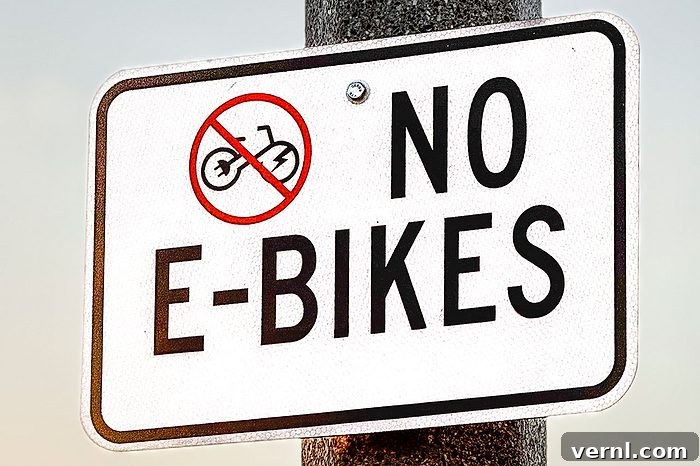
E-bikes typically weigh more and can travel faster than conventional bicycles, and collisions often lead to more severe injuries for both riders and pedestrians. At higher speeds they behave more like mopeds than traditional bikes, yet much of the existing infrastructure was not designed for that mix of speed and mass.
Younger riders are particularly at risk. Some local governments have responded by banning children under specified ages from operating any class of e-bike, and research shows that teenagers have a disproportionate share of accidents on high-powered machines. These findings have intensified calls for age limits, training requirements and clearer rules on where different types of e-bikes can operate.
What the Future Holds
Expect further regulatory activity at the state and local level as lawmakers try to reconcile rising use, new technologies and safety concerns. For riders of genuine class 1–3 e-bikes, advocates expect relatively straightforward rules to persist, keeping these models accessible for daily transportation and utility.
Owners of high-performance e-motos will likely face more significant changes: tighter age restrictions, mandatory licensing or registration, and classification as motor vehicles in some jurisdictions. Many e-motos are not built to meet street-legal standards, which could limit where owners may legally ride them.
There is also concern about overreach: broadly written laws could unintentionally restrict access for people who depend on e-bikes—seniors, riders with disabilities, parents, delivery workers and low-income riders who lack reliable car access. Policymakers must balance public safety with the clear mobility benefits e-bikes provide, including reduced car trips, improved accessibility for older adults, and affordable transportation for people who cannot or choose not to own a car.
About the Experts
- Kurt Holzer — bike law advocate and plaintiffs attorney who advises on bicycle-related legislation and has been involved in drafting local bicycle statutes.
- Lee Birbing — e-biking expert and founder of a cycling company that organizes guided and self-guided bike tours.