
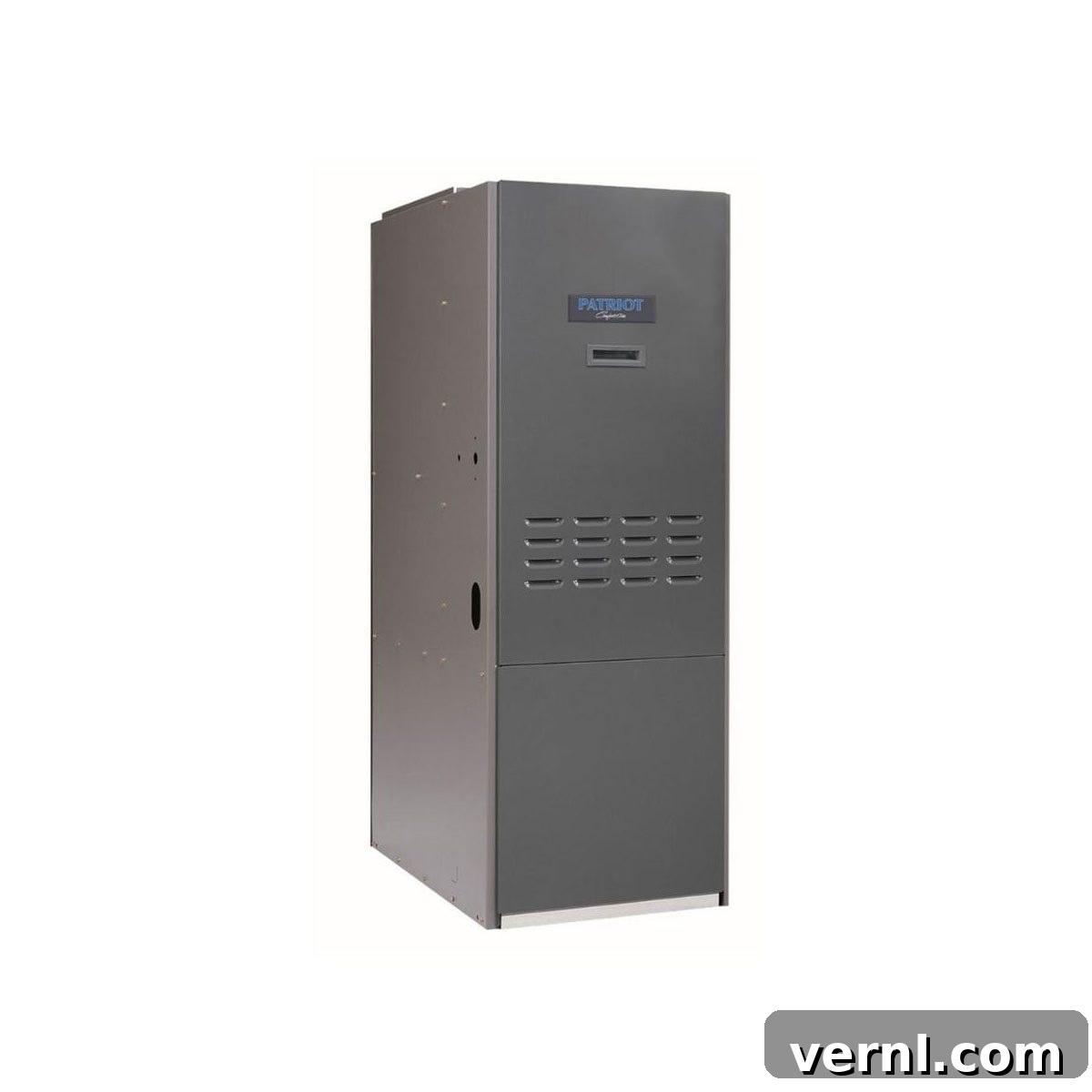
The journey of modern home heating has seen significant innovations. One such pivotal moment occurred in 1918 with the introduction of the first modern oil furnace, featuring a cutting-edge high-voltage system for self-ignition. This groundbreaking development transformed residential heating, quickly gaining immense popularity. By the mid-1920s, the demand for oil furnaces surged as homeowners recognized their inherent advantages over existing heating alternatives. Unlike wood or coal, which required laborious manual handling and shoveling, liquid oil could be conveniently pumped and flowed effortlessly, offering unparalleled ease of use for the era’s homeowners.
Today, the landscape of home heating has evolved considerably. While oil heating remains a viable option for many, its market share has diminished due to the widespread availability and lower cost of natural gas. Currently, only approximately five percent of U.S. homes rely on oil for warmth. However, natural gas infrastructure is not ubiquitous; numerous regions, particularly rural or developing areas, lack access to natural gas lines. In these specific circumstances, oil furnaces continue to offer a practical, reliable, and often cost-effective heating solution, making them a sensible choice for a significant segment of the population.
Understanding the Oil Furnace: What is it?
At its core, any heating device referred to as a “furnace” is primarily engineered to generate and distribute warm air throughout a building. This heated air is typically propelled through an intricate network of metal ducts, ensuring uniform temperature control across different rooms. Oil furnaces specifically utilize a readily available petroleum product known as furnace oil, also commonly referred to as No. 2 heating oil. Interestingly, these versatile systems can also burn diesel fuel, the same type used in vehicles, offering a degree of fuel flexibility.
Much like any modern heating system, oil furnaces are designed for automated operation. They seamlessly integrate with a thermostat, which acts as the brain of the system, allowing homeowners to set and maintain their desired indoor temperature with precision and convenience. This automated control not only enhances comfort but also contributes to energy efficiency by preventing overheating or underheating.
How an Oil Furnace Efficiently Warms Your Home
The operation of an oil furnace is a meticulously engineered process designed for efficient heat generation and distribution. It begins with heating oil, which is securely stored in a dedicated tank, typically located either above ground or underground near the property. A specialized pump then draws this oil from the tank into the furnace’s combustion chamber.
Once inside the chamber, the oil undergoes a crucial transformation: it is mixed with air and atomized into a fine mist by a nozzle. This atomization is vital as it significantly increases the surface area of the oil droplets, allowing for highly efficient and complete combustion. The resulting flame generates intense heat, which is then captured by a robust heat exchanger. The heat exchanger plays a critical role, warming the air that circulates around it without allowing combustion byproducts to mix with the breathable air.
Following this, a powerful blower fan distributes the newly warmed air through the building’s ductwork, delivering comfort to every corner. Simultaneously, cooler air from the living spaces is drawn back into the furnace through return ducts, where it passes through a filter, gets reheated, and the cycle continues. The entire process is intelligently managed by a thermostat, which monitors the ambient temperature and signals the furnace to turn ON or OFF as needed, ensuring consistent warmth and optimal energy usage. Waste gases from combustion are safely expelled through a vent or chimney, maintaining indoor air quality.
Key Features and Specifications of Modern Oil Furnaces
When considering a new oil furnace, several technical specifications and features warrant close attention. These details can significantly impact the furnace’s performance, operating cost, and overall suitability for your home.
- Assessing Efficiency (AFUE Rating): One of the most critical metrics is the furnace’s efficiency, typically expressed as its Annual Fuel Utilization Efficiency (AFUE) rating. Modern, top-tier oil furnaces boast impressive AFUE ratings, capable of extracting between 80 to 90 percent of the energy contained in the heating oil and delivering it directly to your home as usable heat. This means less fuel is wasted, translating into substantial savings on your heating bills over time. Older furnaces often operate at much lower efficiencies, sometimes below 60%, making an upgrade a smart financial decision in the long run. High-efficiency models may also qualify for energy rebates or tax credits, further enhancing their appeal.
-
Venting Options: The method by which combustion byproducts are expelled from your home is an important design consideration. Oil furnaces typically employ one of two venting methods:
- Chimney Venting (Natural Draft): Traditional furnaces often connect to an existing chimney, relying on the natural buoyancy of hot gases to carry exhaust outdoors. This method is generally simpler but requires a sound, well-maintained chimney flue.
- Direct Venting (Power Venting/Sealed Combustion): Many contemporary oil furnaces utilize direct venting, which involves a simple vent pipe routed directly through an exterior wall. This approach is highly efficient as it draws combustion air from outside and expels exhaust directly, creating a sealed combustion system. Direct venting can eliminate the need for a costly chimney installation or the maintenance associated with an older chimney, offering flexibility in furnace placement and potentially reducing installation costs.
- Calculating Annual Operating Cost: Understanding the potential annual operating cost is paramount for budgeting. If your home isn’t brand new, it likely has a historical record of heating energy consumption, which can serve as a valuable baseline. Numerous online tools, easily found by searching “home heating calculator,” can help you estimate your home’s heating expenses across various fuel types, including oil. These calculators typically factor in local fuel prices, your home’s size, insulation levels, and local climate data. Comparing these projected costs across oil, natural gas, electricity, and propane will provide a clear financial picture and aid in making an informed decision about the most economical heating option for your specific circumstances. Consider getting a professional energy audit for the most accurate assessment.
Important Considerations Before Purchasing an Oil Furnace
Before committing to an oil furnace, it’s essential to evaluate several key factors to ensure you make the best investment for your home and lifestyle.
- Condition of Your Existing Furnace: Furnaces, regardless of fuel type, typically have a lifespan of 15 to 20 years before replacement becomes necessary or economically prudent. Even if your old furnace is still operational, it may be costing you more than you realize. Modern oil furnaces offer significant efficiency boosts, advanced safety features, and improved reliability compared to older models. The energy savings alone from a new, high-efficiency unit can often offset a substantial portion of the replacement cost over its lifetime, making an upgrade a financially sound decision. Look for signs of frequent repairs, unusual noises, or rising energy bills as indicators for replacement.
- Proper Furnace Sizing: Installing a furnace that is correctly sized for your home is crucial for both efficiency and comfort. An oversized furnace will short-cycle, meaning it turns on and off too frequently. This leads to inefficient operation, uneven heating (some rooms may be too hot, others too cold), increased wear and tear on components, and higher installation costs. Conversely, an undersized furnace will struggle to adequately heat your home during colder periods, running constantly without reaching the desired temperature. To avoid these issues, always have a professional heat loss calculation performed on your home. This calculation takes into account factors like square footage, insulation levels, window types, and climate data to determine the precise British Thermal Unit (BTU) output your home requires.
- Investment in Quality: Oil furnaces are available in various quality tiers, ranging from basic models to high-end, feature-rich units. Generally, more expensive oil furnaces are constructed with higher-grade materials, incorporate advanced combustion technologies, and often come with longer warranties. These premium models tend to operate at superior efficiency levels, provide quieter performance, and offer enhanced reliability, potentially lasting longer than their cheaper counterparts. While the initial investment may be higher, the long-term benefits of reduced operating costs, fewer repairs, and extended lifespan can make a quality furnace a more economical choice over the system’s lifetime.
Cost Analysis: How Much Does an Oil Furnace Cost?
The financial commitment for an oil furnace involves both upfront installation costs and ongoing operational expenses. Understanding these figures is crucial for effective budgeting.
Upfront Installation Costs: Typically, the furnace unit itself for an oil heating system can be somewhat less expensive than an equivalent natural gas furnace. However, this initial saving is often balanced or even surpassed by the necessity of a fuel storage tank, which is an additional and significant component unique to oil heating. Therefore, the total installed cost of an oil heating system, including the furnace and tank, can sometimes be higher than that of a natural gas system. The typical range for installing an oil furnace, encompassing the unit and labor, can fall between $5,000 and $9,000. This wide range depends on various factors such as the specific model chosen, its efficiency rating, the complexity of the installation (e.g., whether new ductwork is required, electrical upgrades, chimney liner installation, or direct venting setup), and regional labor rates.
Oil Storage Tank Costs: The oil storage tank itself represents a substantial investment. A new tank can add $1,500 to $4,000 or more to the overall cost, depending on its capacity, material (steel or fiberglass), and whether it’s an above-ground or underground installation. Furthermore, ongoing ownership costs for the tank should be considered. Some jurisdictions have regulations that require oil storage tanks to be inspected or replaced every 10 years to mitigate the risk of leaks and environmental contamination. Non-compliance can lead to hefty fines and, in the event of a leak, significant environmental cleanup expenses.
Annual Operating Costs: The cost of running an oil furnace can fluctuate considerably, primarily driven by the volatile market prices of heating oil. Historically, oil heat has almost always been more expensive than natural gas. However, its cost competitiveness can shift when compared to electric heating. Depending on the relative market prices for heating oil and electric power in your region, oil can sometimes be a less expensive option than electricity. Factors influencing operating costs also include your home’s insulation, local climate, and personal thermostat settings. It is wise to monitor local fuel prices and consider price protection plans offered by oil suppliers.
Making the Right Choice: Oil Furnace vs. Other Heating Options
Deciding on the ideal heating system for your home requires careful consideration of various factors beyond just the initial purchase price. Answering these fundamental questions will help determine if an oil furnace is the most sensible option for you.
- Is Natural Gas Readily Available?: This is often the primary deciding factor. If your home is located in an area with access to natural gas lines, it generally presents a more economically advantageous and convenient heating solution than oil. Natural gas is typically significantly less expensive per unit of heat energy produced compared to heating oil. Furthermore, gas furnaces usually require less frequent maintenance than oil furnaces, as oil combustion produces more soot and sediment. The continuous, piped-in supply of natural gas also eliminates the need for fuel deliveries and on-site storage tanks. From an environmental perspective, while both have impacts, oil leaks from storage tanks can pose significant and costly environmental cleanup challenges.
- Do You Have a Serviceable Oil Tank?: The presence and condition of an existing oil storage tank can heavily influence the financial viability of choosing an oil furnace. If your current oil tank is old, leaking, or nearing the end of its life, the added expense of purchasing and installing a new, compliant oil tank can be a substantial deterrent. As mentioned, new tank installation can add thousands of dollars to the total project cost. If you don’t have a tank or your existing one requires replacement, this additional investment might make switching to another fuel source more appealing financially. Conversely, if you have a well-maintained, relatively new tank, the cost barrier to installing an oil-burning furnace is significantly lower.
- Do You Value Energy Security and Independence?: One of the most compelling advantages of oil heating, similar to propane or wood, is the unique benefit of on-site fuel storage. Unlike natural gas, which is piped in as needed, or electricity, which relies on a continuous grid supply, oil provides a tangible energy reserve right on your property. This offers a significant degree of energy security. During extreme weather events, widespread power outages, or other natural disasters, an electric furnace will cease to function without grid power. While rare, a severe disaster could also disrupt natural gas pipelines. However, with a full oil tank at your residence, you possess an independent and reliable source of energy for heat, providing peace of mind and resilience during unforeseen interruptions to public utility services.
Maintaining Your Oil Furnace for Optimal Performance and Longevity
Proper maintenance is crucial for ensuring your oil furnace operates efficiently, safely, and reliably for many years. Neglecting maintenance can lead to reduced efficiency, increased energy bills, premature breakdowns, and potential safety hazards.
-
Annual Professional Tune-Ups: The most important maintenance step is scheduling an annual professional tune-up, ideally before the heating season begins. A qualified HVAC technician will perform a comprehensive inspection and cleaning, which typically includes:
- Nozzle and Filter Replacement: The oil burner nozzle atomizes the oil, and it can become clogged over time, leading to inefficient combustion. Fuel filters also need regular replacement to prevent impurities from reaching the burner.
- Burner Adjustment: The technician will adjust the burner to ensure proper air-to-fuel ratio, optimizing combustion efficiency and minimizing soot production.
- Heat Exchanger Inspection: This critical component separates combustion gases from breathable air. It must be inspected for cracks or leaks, which could allow dangerous carbon monoxide to enter your home.
- Flue Pipe and Chimney Check: Ensures proper ventilation of combustion byproducts.
- Oil Tank Inspection: Checks for any signs of leaks, rust, or damage to the tank and fuel lines.
- Blower Motor and Fan Cleaning: Maintains proper airflow and prevents overheating.
-
DIY Maintenance Tasks: While professional tune-ups are essential, there are a few things homeowners can do to help maintain their oil furnace:
- Air Filter Replacement: Check and replace the furnace’s air filter every 1-3 months, especially during peak heating season. A dirty filter restricts airflow, reducing efficiency and potentially damaging the blower motor.
- Keep Area Clear: Ensure the area around your furnace and oil tank is clear of clutter, combustible materials, and debris to allow for proper airflow and safe operation.
- Monitor Oil Levels: Regularly check your oil tank gauge to avoid running out of fuel, which can cause sediment to enter the fuel line and require a costly service call.
Investing in regular maintenance extends the life of your furnace, maintains its efficiency, prevents costly repairs, and ensures the safety of your home and family.
Pros and Cons of Oil Furnaces: A Balanced View
To provide a comprehensive understanding, it’s important to weigh the advantages and disadvantages of choosing an oil furnace for your home heating needs.
Advantages of Oil Furnaces:
- Energy Security: The ability to store fuel on-site offers unparalleled energy independence. In the event of power outages or disruptions to natural gas pipelines, homeowners with oil tanks have a reliable heat source.
- Powerful Heating: Oil furnaces are known for producing a very intense heat, quickly warming up homes even in extremely cold climates.
- Widespread Availability in Certain Regions: In areas not serviced by natural gas lines, heating oil is often readily available and delivered by numerous suppliers.
- Modern Efficiencies: Today’s oil furnaces are significantly more efficient than older models, with AFUE ratings often between 80-90%, translating to better fuel utilization.
Disadvantages of Oil Furnaces:
- Higher Operating Costs: Historically, heating oil has been more expensive per BTU than natural gas, leading to higher annual heating bills. Oil prices are also subject to market volatility.
- Requires a Storage Tank: The necessity of a large, dedicated oil storage tank takes up space and requires initial installation and potential future replacement costs, along with regular maintenance and inspection.
- Environmental Concerns: Oil combustion produces more emissions than natural gas, and there’s an environmental risk associated with oil leaks from storage tanks, which can lead to costly and extensive cleanups.
- More Maintenance: Oil furnaces typically require more frequent professional maintenance due to the production of soot and sediment from oil combustion, which can clog components.
- Fuel Delivery: Unlike piped natural gas, oil requires scheduled deliveries, and homeowners must monitor their fuel levels to avoid running out.
By carefully considering these pros and cons in the context of your specific location, budget, and priorities, you can make an informed decision about whether an oil furnace is the right heating solution for your household.
Helpful Tips For Buying the Best Furnace for Your Home
Choosing the right furnace for your home is a significant decision that impacts your comfort, energy bills, and overall home value for years to come. To assist you in this important process, here are some invaluable buyer’s guidelines and resources to consider before making your final selection:
- Explore Various Types of Furnaces
- Discover the Best Furnace Brands on the Market
- Comprehensive Gas Furnace Buying Guide
- Complete Wall Furnace Guide for Space-Saving Solutions
- In-Depth Electric Furnace Buying Guide
- Hydronic Baseboard Heater Buying Guide: An Alternative Option
- Expert Advice on Choosing a Home Heating System