
Ultimate Guide to Car Paint Correction: Restore Your Vehicle’s Showroom Shine
For years, my passion lay in transforming surfaces through spray finishing, primarily within the furniture industry. Yet, I was fortunate to extend these specialized skills to the intricate world of automotive finishing and detailing. While the prospect of achieving a flawless finish might suggest the need for a spray gun, the truth is that effective color correction often relies less on heavy machinery and more on the meticulous patience and unwavering attention to detail that every true craftsman brings to their work.
As industry veteran and auto detailer Riky Flores eloquently states, “Paint correction is an art form, not a race.” This process, though demanding, can be incredibly rewarding, allowing you to witness a remarkable transformation firsthand. However, the decision to undertake it yourself comes with a significant caveat. Robert Harper, Director of Product Development and Tech Support for Ziebart Corporation, advises caution for DIY enthusiasts. The specialized tools and potent polishes involved can, if misused, inflict irreversible damage to your vehicle’s delicate clear coat. Harper strongly recommends entrusting this task to professionals unless “the paint damage you are trying to correct is minor, and only in a small area of the paint.”
Harper’s advice resonates deeply. A poorly executed paint touch-up can be an eyesore, even with a perfectly matched color. The challenge extends beyond color; failing to match the existing finish’s sheen, neglecting to meticulously blend the repair into the surrounding paint, or allowing touch-up paint to stray onto other vehicle parts can lead to an unsightly disaster. This work unequivocally calls for an individual with an exceptional eye for details and a steady hand.
What Is Paint Correction? Unveiling the Art of Automotive Rejuvenation
At its core, paint correction is the sophisticated process of meticulously removing surface imperfections from a vehicle’s paintwork, thereby restoring and enhancing its original clarity, depth, and reflective shine. It’s far more than a simple wash or wax; it’s a restorative treatment designed to bring your car’s exterior back to, or even beyond, its factory-fresh appearance.
Robert Harper simplifies the concept, explaining, “Automotive paint correction can be as simple as hand-buffing the painted surface of your car or truck with a quality wax to remove minor oxidation.” However, he quickly adds, “It can also be a very in-depth process requiring know-how, various power tools, pads and polishes that can help remove scratches and chemical etching from the paint.” This comprehensive process targets a multitude of common paint defects, including swirl marks from improper washing, holograms left by abrasive buffers, water spots, acid rain etching, bird dropping stains, oxidation (fading), and minor to moderate scratches that haven’t penetrated the clear coat entirely.
Unlike repainting, which involves covering existing damage with a fresh layer of paint, paint correction focuses on working with the vehicle’s original clear coat. The objective is to carefully level the clear coat by removing a microscopic layer of its surface, effectively smoothing out imperfections and allowing the true depth and color of the paint beneath to shine through. This intricate process combines a series of controlled abrasive techniques, ranging from gentle scuffing and rubbing to advanced machine polishing, often coupled with the precise application of touch-up color where necessary for deeper chips or isolated blemishes. The ultimate goal is a flawless finish that reflects light evenly and beautifully, without any distorting elements.
How Much Does Professional Paint Correction Cost?
The cost associated with professional paint correction services can fluctuate significantly, influenced by a variety of critical factors. These include the geographical region of the country, the reputation and experience level of the detailing shop, and most importantly, the extent and severity of correction required for your vehicle’s paintwork. While some establishments might quote prices on a per-scratch or per-panel basis for targeted repairs, the prevailing industry standard for comprehensive paint correction is an hourly rate.
“In my experience,” states industry expert Robert Harper, “$100 to $125 per hour is a realistic expectation.” However, this figure merely serves as a baseline. For a complete, multi-stage paint correction on a vehicle with significant imperfections, total costs can range from a few hundred dollars for a minor, single-stage enhancement to upwards of $1,500 or even more for an extensive, multi-stage restoration on a larger or heavily damaged vehicle. Factors such as the size of the vehicle (e.g., a compact car versus a large SUV or truck), the type of paint (e.g., soft, hard, ceramic clear coat), and the specific products and equipment utilized by the detailer all play a role in the final investment. Ultimately, investing in professional paint correction can significantly boost your vehicle’s aesthetic appeal, protect its finish, and potentially enhance its resale value.
How Long Does a Full Paint Correction Take?
The duration required for a comprehensive paint correction service varies considerably, primarily depending on the vehicle’s initial paint condition, its size, and the desired level of perfection. If you’re entrusting your car to a professional detailing shop for a full, multi-stage correction, it’s wise to anticipate leaving it with them for approximately two full days. This timeframe allows for the meticulous multi-step process involved, ensuring no detail is overlooked.
A vehicle presenting with numerous nicks, scratches, heavy swirl marks, and widespread oxidation will naturally demand a significantly longer restoration period compared to one with only minor surface blemishes. The process typically involves an intensive wash and decontamination, clay bar treatment, extensive masking of sensitive areas, multiple stages of compounding, polishing, and refining, followed by a final inspection and the application of a protective coating. Each of these steps is time-consuming and requires careful execution.
Conversely, if your car’s paint is already in relatively good shape, perhaps just requiring a basic single-stage polish or light buffing and polishing to remove light hazing and enhance its shine, you might be fortunate enough to retrieve your vehicle on the same day. However, for true, deep paint correction that addresses significant defects, patience is key. The detailer must work methodically, section by section, often with multiple passes, to ensure uniform results and prevent further damage, making it a labor-intensive endeavor.
Is Paint Correction the Same as Buffing? Differentiating the Nuances
No, paint correction is not synonymous with buffing, though buffing is undeniably an integral component of the broader paint correction process. The distinction is crucial for understanding the depth and precision of professional automotive care. “Buffing” is often used as a generic term to describe the act of using a rotary or orbital machine with an abrasive pad and compound to remove surface defects or enhance shine. While this action is part of the correction, it doesn’t encompass the entire, multi-faceted procedure.
The overarching objective of paint correction, as Riky Flores aptly describes, is to “turn a dull finish into a mirror-like shine.” Achieving this remarkable transformation involves more than just a single buffing step. It requires a systematic approach to eliminate a wide array of paint imperfections, including distracting swirl marks, fading caused by oxidation, unsightly scratches that haven’t penetrated the clear coat, and corrosive etching from acidic sources like bird droppings and tree sap. This comprehensive process typically begins with a thorough cleaning and decontamination of the paint, followed by meticulous inspection to identify all defects.
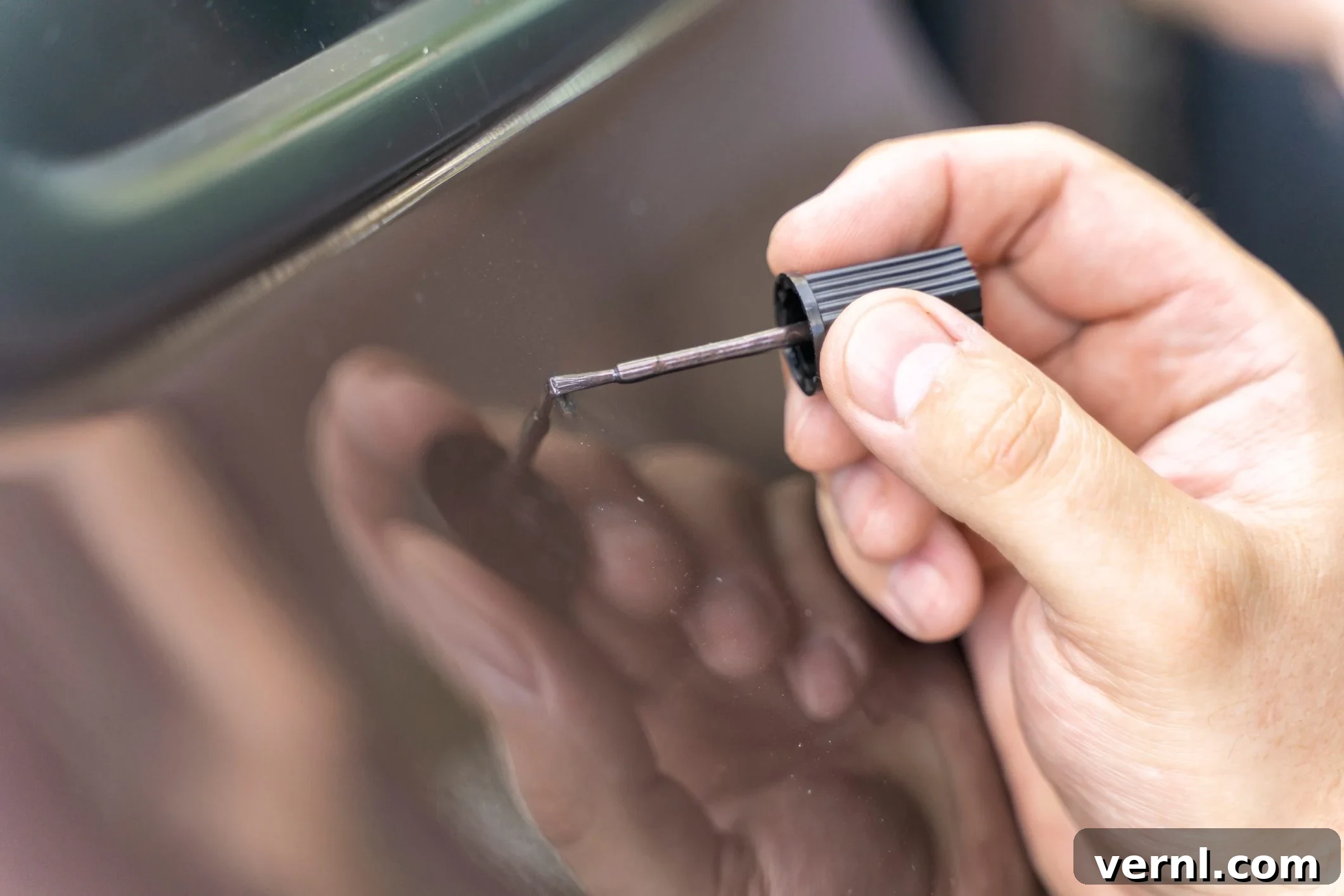
Subsequently, the detailer employs a carefully selected combination of abrasives, polishes, and specialized tools—such as dual-action (DA) polishers or rotary buffers—alongside various cutting and polishing pads. These are used in a multi-stage process, starting with more aggressive compounds to remove deeper defects (compounding), then moving to finer polishes to refine the finish and maximize gloss (polishing and finishing). In some instances, precise touch-up paint may be required for stone chips or deeper isolated blemishes that cannot be fully corrected by leveling the clear coat alone. Obtaining an exact color match is critical; while car parts stores often stock common colors, unique or older vehicle paints may necessitate ordering directly from the original car manufacturer to ensure a seamless repair.
How Do I Know If My Car Needs Paint Correction? A Self-Assessment Guide
Deciding when your car needs paint correction can be likened to determining when to get a haircut – personal preference plays a role, with some individuals preferring a meticulously groomed appearance while others are content with a more natural look. However, beyond personal taste, there are clear indicators that signal your vehicle could benefit significantly from paint correction. Recognizing these signs early can preserve your car’s aesthetic appeal and protect its finish over the long term.
In general, you should seriously consider paint correction if you find yourself answering yes to one or more of the following diagnostic questions:
- Is the finish dull and faded? This often points to oxidation, where the clear coat has deteriorated, losing its original luster and appearing hazy or chalky.
- Are there multiple spots or etchings left behind by washed-off tree sap or bird droppings? These acidic contaminants can eat into the clear coat if not removed promptly, leaving behind permanent dull spots or marks.
- Are small areas of paint peeling or lifting? While often indicating a more severe paint failure, sometimes minor clear coat lifting can be mitigated or managed.
- Can you easily see swirl marks, spiderwebbing, or scratches in the finish, especially when the sun shines directly on it? These are the most common defects, typically caused by improper washing techniques, automatic car washes, or abrasive drying methods.
- Does your paint lack depth or clarity, appearing flat instead of vibrant? Paint correction can restore the reflective qualities and rich color of your vehicle.
- Are there visible holograms or buffer trails from previous detailing attempts? These are often signs of improper machine polishing and can be corrected with the right techniques.
If your vehicle exhibits any of these symptoms, paint correction can rejuvenate its appearance, restore its protective clear coat, and significantly enhance its overall value and curb appeal.
Can I Do Paint Correction Myself? Navigating the DIY Path with Caution
Yes, attempting minor paint correction yourself is certainly possible, and many enthusiasts, including myself, have successfully restored their vehicle’s finish. However, it’s crucial to approach this task with a significant degree of caution, respect for the process, and an understanding of its inherent risks. As Robert Harper warned, improper application of tools and polishes can damage the clear coat. For anything beyond very minor surface imperfections, professional intervention is often the safer and more effective choice.
If you decide to proceed with a DIY approach for minor blemishes, Riky Flores offers several invaluable professional tips to guide you towards achieving great results:
- Thoroughly Clean the Car: Begin with an exhaustive cleaning of your car using automotive-specific soap and water. This includes decontamination steps like clay barring to remove embedded contaminants. A clean surface is paramount for effective correction and to prevent grinding dirt into the paint.
- Use Masking Tape and Paper Freely: If applying any touch-up paint or working near sensitive areas, generously use high-quality masking tape and paper to meticulously protect glass, plastic trim, chrome, emblems, and rubber seals from accidental overspray or polish splatter. Precision is key.
- Assess Paint Condition and Hardness: Before selecting your tools, carefully evaluate the paint’s condition and determine its hardness. Different paint systems (soft vs. hard clears) require specific pad and compound combinations. Start with the least aggressive approach – mild compounds and light pressure – and only gradually work your way up to more aggressive compounds and heavier pressure if necessary. Always test on an inconspicuous area first.
- Maintain a Light Touch: When operating a polishing tool, resist the urge to press down hard. Let the tool do the work. Excessive pressure generates heat, which can quickly burn through the clear coat, leading to irreversible damage. Maintain a smooth, even motion.
- Divide the Surface into Manageable Areas: Work on small sections, typically no larger than a 2×2 foot square at a time. This prevents the paint from overheating, ensures thorough and consistent polishing across the entire panel, and allows you to monitor your progress effectively.
- Use Multiple Passes: Instead of attempting to correct a defect with a single heavy application, opt for multiple, overlapping light passes. This method is far superior for achieving depth, clarity, and a uniform finish, minimizing the risk of creating holograms or uneven spots.
- Wipe Off Polish Residue Frequently: Regularly wipe away polish residue with a clean, soft microfiber towel after each section or pass. This allows you to evaluate your work, identify any remaining imperfections, and prevents polish buildup from hardening on the paint, which can be difficult to remove later.
- Apply a High-Quality Wax or Sealant: Once the correction is complete and you’re satisfied with the finish, it’s critical to apply a durable protective layer. A high-quality car wax, synthetic sealant, or ceramic coating will shield the newly corrected paint from harmful UV rays, oxidation, environmental contaminants, and help preserve its brilliant shine for an extended period.
“Ultimately, take your time and work methodically and with focus,” Flores emphasizes. “Rushing leads to swirls and uneven results.” Remember, paint correction is a skill that improves with practice and patience. For anything beyond superficial blemishes, consulting a professional detailer is highly recommended to ensure the best possible outcome without risking damage to your vehicle.
Beyond Paint Correction: Answering Your Paint FAQs
Beyond the immediate needs of paint correction, many car owners and DIY enthusiasts have broader questions about paint chemistry, longevity, and application. If you’re curious about answers to unique paint questions like: What is paint made of?, Does paint expire?, Does storing paint cans upside down actually work?, How to paint leather furniture?, Can you use exterior paint inside? or Can you paint on metal with acrylic? then look no further because we’ve got you covered with insights into these common queries and more!
About the Experts
Richard Lopez (Riky) Flores is the proud owner of On the Run Detailing, a respected automotive detailing service based in Bakersfield, California. Riky’s journey in the automotive world began as a lube specialist, and his dedication and expertise led him to establish his successful detailing business five years ago.
Robert Harper holds the distinguished position of Director of Product Development and Tech Support for Ziebart International Corporation, a widely recognized and expansive auto detailing chain. In his role, Robert is instrumental in developing new products and providing essential training and consultation to auto detailing technicians across the nation, ensuring high standards of quality and service throughout the Ziebart network.