
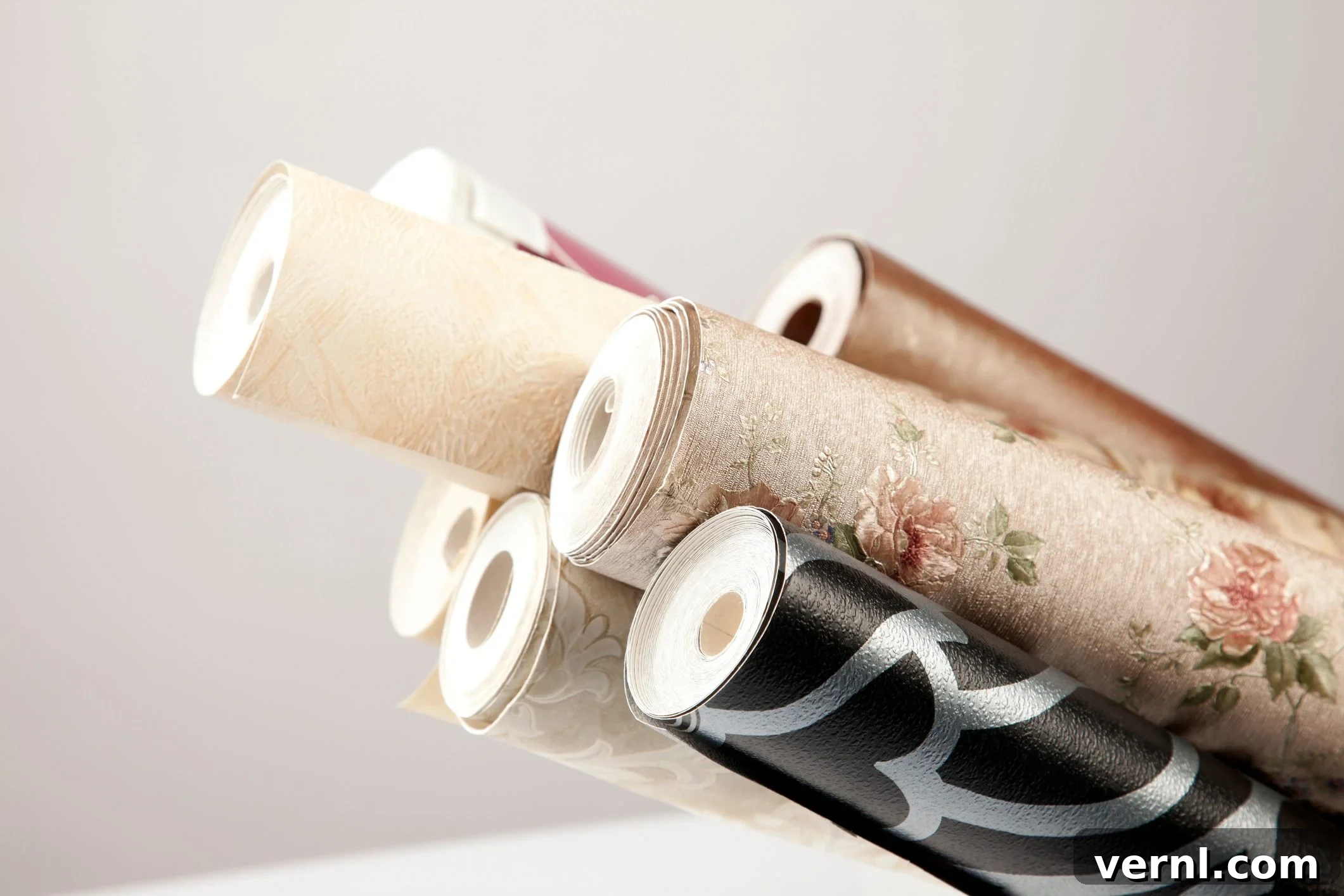
Transform Your Walls with Ease: The Ultimate Guide to Peel-and-Stick Removable Wallpaper
Are you looking for an effortless and mess-free way to revitalize your living space? Do you dream of turning a bland wall into a captivating focal point without the hassle and commitment of traditional decorating methods? Look no further than removable wallpaper, widely known as peel-and-stick wallpaper. This innovative solution offers unparalleled flexibility and ease, making it a favorite among DIY enthusiasts and interior design aficionados alike.
Unlike traditional wallpaper, which often requires a daunting array of tools, sticky paste, and significant effort, peel-and-stick versions simplify the entire process. “Peel-and-stick is far less intimidating for DIYers than traditional wallpaper because you don’t need many tools or materials to hang it,” explains Gina Shaw, Vice President of Product Development at York Wallcoverings, a prominent manufacturer of peel-and-stick brands like York and RoomMates Decor. She emphasizes the significant advantage: “They don’t have the mess with water and paste… You simply take it out of your package and put it on your wall.” This convenience makes peel-and-stick wallpaper an excellent choice when you desire a simple, quick, fun, and affordable transformation for any room.
What Exactly is Peel-and-Stick Removable Wallpaper?
At its core, peel-and-stick removable wallpaper is a modern marvel of wall decor featuring a self-adhesive backing. This adhesive layer is protected by a removable liner, which you simply peel off when you’re ready to apply the wallpaper to your wall. It’s designed for straightforward application and, crucially, for clean removal without damaging your paint or surfaces. While it might sometimes be referred to as “removable” or “repositionable” wallpaper, its marketing as “peel-and-stick” perfectly encapsulates its user-friendly nature, as Shaw points out.
The innovation lies in its clever construction: a decorative top layer, often made from vinyl, fabric, or non-woven materials, fused with a specially formulated adhesive. This adhesive is engineered to adhere firmly to a clean, smooth surface while remaining temporary and non-damaging upon removal. This makes it an ideal choice for renters who cannot make permanent alterations, for those who love to frequently update their decor, or for creating temporary themed spaces for holidays or events. Its repositionable quality means you can adjust it during installation to achieve perfect alignment, forgiving minor errors and making the process significantly less stressful than traditional methods.
Key Considerations When Choosing Your Removable Wallpaper
Selecting the right peel-and-stick wallpaper involves more than just picking an appealing pattern. While design and color are undoubtedly exciting aspects, factoring in practical considerations like material, texture, ease of installation, and cost will ensure you make the best choice for your home and lifestyle.
Design and Aesthetics: Finding Your Perfect Pattern
The visual appeal of wallpaper is often the primary driver for selection, and peel-and-stick is no different. “Looks drive everything in wallpaper selection, and peel-and-stick is no exception,” states Shaw. Choose a color and design that truly resonates with your personal style and complements your existing decor. Consider the overall mood you wish to create: bold geometrics for a contemporary look, delicate florals for a romantic vibe, or subtle textures for understated elegance.
For those prioritizing ease of installation, especially beginners, opt for a “random match” design. These patterns don’t require precise alignment of motifs between panels, significantly simplifying the hanging process. Alternatively, selecting a small pattern repeat can also be budget-friendly, as it often results in less excess material needing to be trimmed during alignment, reducing waste and saving money. Larger patterns can make a statement but demand more careful matching and potentially more material.
Material Matters: Durability and Feel
The material of your peel-and-stick wallpaper impacts its durability, texture, and suitability for different environments. Most varieties are made from vinyl, a popular choice for its resilience and ease of cleaning. However, other options exist:
- Vinyl: The most common material, offering excellent durability, moisture resistance, and typically easy wipe-clean properties.
- Paper: Provides a more traditional, tactile feel, similar to conventional wallpaper. It can be less durable than vinyl and may not be washable.
- Non-Woven: A blend of paper and synthetic fibers, offering a breathable, strong, and often washable material that is easy to remove.
- Fabric: Some manufacturers create peel-and-stick wallpapers from fabric, providing a unique, soft, and textural aesthetic different from vinyl or paper.
Texture: Adding Depth and Dimension
While many peel-and-stick wallpapers have a flat finish, some vinyl options feature raised ink to create compelling textures. This embossed effect can expertly mimic other materials, such as the woven look of grasscloth, the rustic charm of brick, or the subtle unevenness of plaster. Paper and non-woven peel-and-stick wallpapers will naturally feel more like traditional paper, while fabric varieties offer a distinct fibrous touch. Textured wallpapers can add significant depth and character to a room, creating visual interest that a flat design might not achieve.
Thickness: A Factor in Installation and Appearance
The thickness of your wallpaper plays a crucial role in both the ease of installation and the final aesthetic. Thicker wallpaper tends to stretch less than thinner varieties as you peel off the backing and apply it. Christer Bechtell, owner and installer at Macuna Wallpapering, notes that this reduced stretching helps maintain the pattern’s integrity and ensures a better overall appearance once on the wall. Thicker options also tend to be more forgiving, hiding minor wall imperfections more effectively and preventing the underlying wall color from showing through.
Washability and Maintenance: Keeping it Clean
Consider how easily the wallpaper can be cleaned, especially if it’s for a high-traffic area like a kitchen, bathroom, or children’s room. Vinyl is typically the easiest material to wipe clean due to its smooth, non-porous surface. However, if scrubbing off messes is a high priority, actively look for wallpapers specifically described as “washable,” “scrubbable,” or “wipeable.” Always check the manufacturer’s cleaning instructions to ensure the material can withstand your intended maintenance routine.
Cost-Effectiveness: Understanding Your Investment
Peel-and-stick wallpaper generally presents a more budget-friendly alternative compared to traditional non-pasted wallpapers and often even pre-pasted options. While flat vinyl peel-and-stick wallpapers tend to be the most economical, textured vinyl designs or those made from premium materials like fabric will typically incur a higher cost. Prices usually range from approximately $1.15 to $5 per square foot, with most rolls costing between $35 and $70 for about 28 to 31 square feet. When shopping, always pay close attention to the roll’s length and width to accurately calculate your coverage needs and compare prices effectively.
Installation Instructions: The Blueprint for Success
Before making a purchase, meticulously read the installation instructions provided by the manufacturer. Understanding the specific requirements will prepare you for the process and help you choose a product that aligns with your comfort level. Proper preparation of your wall surface and adhering strictly to the manufacturer’s guidelines are critical for ensuring the wallpaper lasts longer and removes cleanly when you’re ready for a change.
Gina Shaw explains that while peel-and-stick adhesives may seem similar to consumers, different companies utilize unique chemistries and technologies. This can lead to subtle but important variations, such as the types of paint finishes the wallpaper can be applied over, or the recommended waiting period for installation on freshly painted walls. Additionally, Bechtell notes that some peel-and-stick wallpapers are designed for a “butt-joint” installation (panels hung side-by-side without overlap), while others require a slight overlap. Knowing these details upfront will prevent frustration and ensure a professional-looking finish.
Where to Find the Best Peel-and-Stick Wallpaper
While buying directly from manufacturers often provides the largest selection of products and patterns, many major brands also sell through other retailers, where you might find more competitive pricing or convenient shipping options. Here are some highly-regarded sellers known for their excellent peel-and-stick wallpaper offerings:
Top Retailers & Their Specialties:
- Best Selection: Wallshoppe stands out with an extensive catalog featuring over 2,000 unique designs, many available in multiple color options. You’re almost guaranteed to find something that perfectly fits your vision.
- Best Design Variety: RoomMates Decor boasts an incredible range of styles, from vintage charm and tropical vibrancy to modern abstracts and popular character collaborations inspired by movies, comic books, and video games. They also offer smaller decor options like borders and decals if you don’t need a full wall panel.
- Most Distinctive Wallpapers: Tempaper’s collection is known for its diverse textures and innovative specialty surfaces, including functional chalkboard and whiteboard options. For a truly personalized touch, you can upload your own design or request one of their existing designs in a custom color.
- Best Murals: WallsNeedLove specializes in custom-sized peel-and-stick murals. Simply provide your wall dimensions, and they’ll print a unique mural tailored specifically for your space. You can select from their impressive range of designs or upload your own artwork.
- Best Artist-Inspired: Spoonflower, renowned for printing independent artists’ designs on fabric, now extends this unique offering to peel-and-stick wallpaper, providing access to truly original and creative patterns.
- Best Home Improvement Store Peel-and-Stick: Lowe’s offers a convenient blend of in-store availability for multiple brands and a significantly larger selection online. Many locations provide “buy online/pickup in store” for immediate needs, alongside ship-to-store or ship-to-home options. Their prices are often very competitive compared to direct manufacturer purchases.
- Best Online-Only Store for Peel-and-Stick: Amazon serves as a massive marketplace where you can find most major peel-and-stick brands. The platform often features competitive pricing and the convenience of rapid shipping, making it a go-to for many shoppers.
- Best Peel-and-Stick Fabric: Chasing Paper specializes in fabric-based peel-and-stick wallpaper. This material offers a distinct aesthetic and tactile experience, moving beyond the more common vinyl and paper options.
Frequently Asked Questions About Peel-and-Stick Wallpaper
How Long Does Peel-and-Stick Wallpaper Last?
“Peel-and-stick wallpaper is designed to last as long as you’d like to keep it up,” confirms Gina Shaw. Many high-quality brands, including those Shaw works with, are even designed to be reusable. The longevity largely depends on proper wall preparation, ensuring the surface is flat, clean, and dry before application. Christer Bechtell notes that the quality of peel-and-stick wallpapers has significantly improved over time, assuring users that they shouldn’t encounter problems as long as they choose a reputable brand and follow installation guidelines.
Is Peel-and-Stick Wallpaper Truly Easy to Install?
While the act of peeling off the backing and sticking the wallpaper to the wall is straightforward and certainly less messy than traditional wallpapering or painting, the entire process requires patience and precision. Achieving a seamless, professional finish demands careful alignment of panels, especially with patterns that require a specific match. It’s crucial to peel off the backing slowly and work methodically to avoid stretching the material or trapping air bubbles. While it simplifies many steps, “easy” doesn’t necessarily mean “effortless.”
How Simple is Peel-and-Stick Wallpaper Removal?
Yes, removing peel-and-stick wallpaper is designed to be simple – just pull it off! Modern adhesives are formulated to release cleanly from properly prepared surfaces without leaving residue or damaging the paint underneath. If you’ve retained the original backing, it’s often possible to re-apply it to the wallpaper for storage and potential reuse. Always refer to the manufacturer’s instructions for the best removal techniques to ensure a smooth, damage-free process.
Will Peel-and-Stick Wallpaper Damage My Walls?
No, modern peel-and-stick wallpaper, when applied correctly to a properly prepared surface, is specifically engineered not to damage walls. “The technology behind peel-and-stick wallpaper adhesive has improved and keeps getting better,” Shaw explains, adding, “Modern peel-and-stick wallpaper doesn’t damage walls.” Issues typically arise from improper wall preparation, applying to unsuitable surfaces (like unprimed drywall or highly textured walls), or attempting to remove it from walls with poorly adhering paint.
What’s the Key Difference from Traditional Wallpaper?
The most significant difference lies in the adhesive and application method. “The backing is the biggest difference,” Shaw points out. Traditional wallpaper either requires applying liquid paste to its back or activating a pre-applied dry paste with water. Peel-and-stick wallpaper, however, comes with its adhesive pre-applied and protected by a liner. You simply peel off the liner to adhere it to the wall.
This difference also impacts how the wallpaper is manipulated during installation. With traditional wallpaper, you can often slide the wet paper slightly on the wall to adjust its position. With peel-and-stick, as Shaw aptly describes, you “lift up and place down” the paper, much like positioning a sticky note. This repositionable quality is a key advantage for DIYers.
What’s the Average Cost of Removable Wallpaper?
The cost of peel-and-stick removable wallpaper can vary widely depending on the material, brand, design complexity, and texture. Generally, prices range from approximately $1.15 to $5 per square foot. Most standard rolls, which typically cover between 28 to 31 square feet, fall into a price range of $35 to $70. It’s crucial to pay close attention to the length and width specifications of each roll as you shop to accurately calculate your coverage needs and compare value.
Peel-and-stick removable wallpaper offers a dynamic, creative, and accessible solution for anyone looking to refresh their home decor. With its easy application, damage-free removal, and vast array of designs, it empowers you to transform your space effortlessly. Explore the possibilities and unleash your inner decorator!