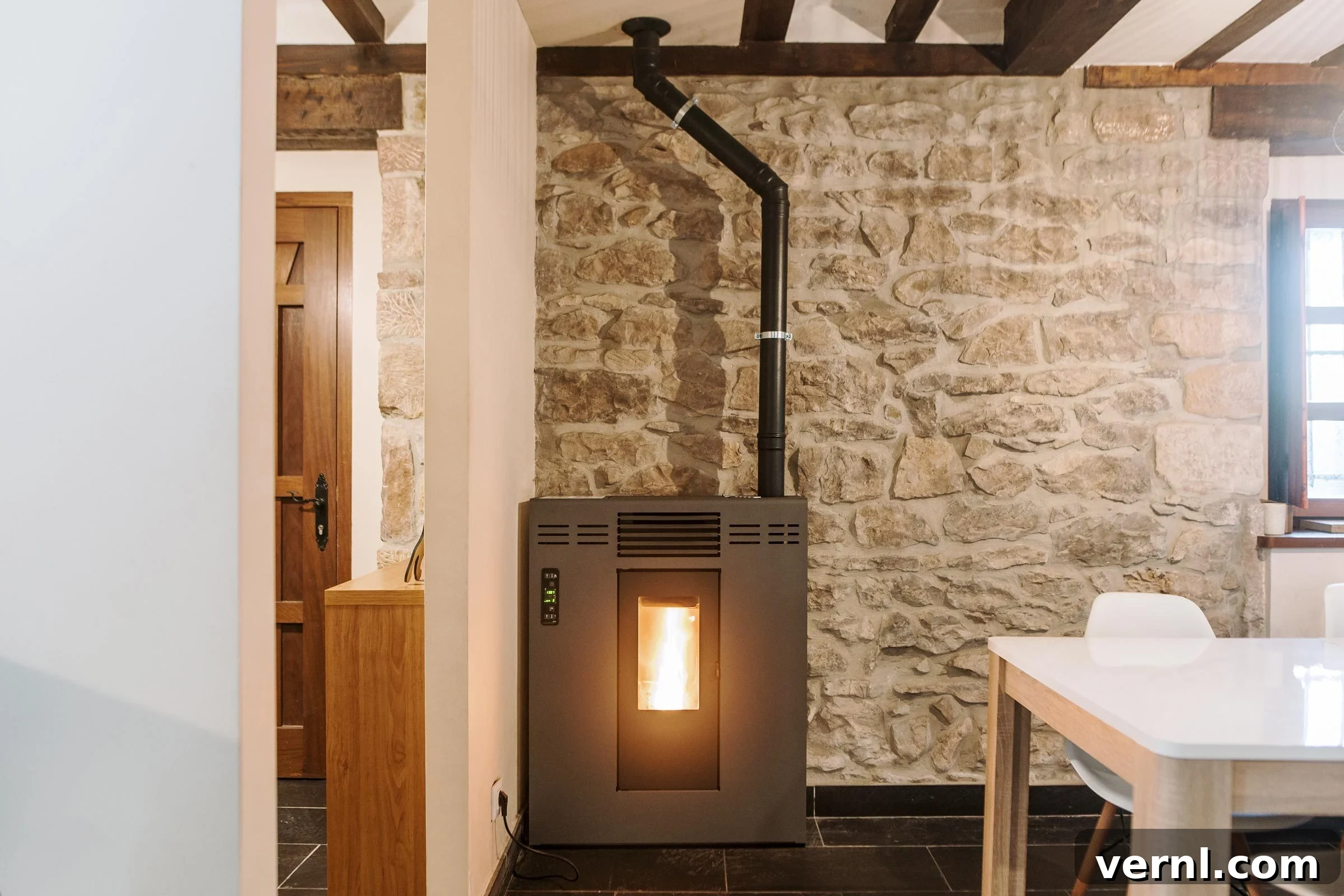
The Ultimate Guide to Pellet Stoves: Eco-Friendly & Efficient Home Heating
If you appreciate the rustic charm and comforting warmth of wood heat but are less enthusiastic about the labor involved in maintaining a wood pile, or the constant loading and cleaning associated with traditional wood-burning stoves, then a pellet stove might be the perfect heating solution for your home. Imagine a cold winter’s evening, comfortably lounging in front of a warm, flickering flame without the constant fuss. This is the reality for many homeowners, including friends of mine in California’s Santa Cruz Mountains, who have enjoyed the effortless warmth of their pellet stove for years.
For the environmentally conscious, pellet stoves offer compelling advantages. The Environmental Protection Agency (EPA) recognizes pellet stoves as among the cleanest solid fuel residential heating appliances available today. Their fuel is predominantly derived from recycled wood waste, resulting in significantly lower air pollutant emissions compared to traditional wood burning. This commitment to sustainability, combined with their impressive heating capabilities and user-friendly operation, positions pellet stoves as champions in the realm of modern home heating. However, it’s important to acknowledge the fuel demands; keeping your home warm throughout the colder months will require a substantial supply of pellets.
Understanding What a Pellet Stove Is
It’s crucial to differentiate pellet stoves used for heating from pellet grills used for cooking. While both utilize pellets, their design and purpose are entirely distinct. A pellet stove, as its name suggests, generates heat by burning small, compressed solid fuel tablets known as pellets. These pellets typically range from 1/4 to 1-1/2 inches in length. The most common type of pellet is manufactured from highly compressed sawdust and other wood waste, effectively repurposing materials that might otherwise go to landfills. Beyond wood, some pellets are crafted from diverse biofuels such as nutshells, corn kernels, or other agricultural waste products.
It’s worth noting that not all pellet stove models are designed to burn every type of pellet. If your intention is to utilize biofuels beyond standard wood pellets, you will need to specifically select a model that is engineered to handle such alternative fuels. The typical pellet stove unit presents as a rectangular box, featuring a central combustion chamber where the pellets are burned. A powerful fan then circulates the hot air produced by combustion throughout the room, ensuring efficient heat distribution. The stove’s housing integrates a hopper for convenient loading of pellets and a dedicated vent system to safely exhaust combustion gases. Most contemporary units boast self-lighting capabilities and include an integrated thermostat. This design philosophy emphasizes user convenience: simply load the pellets, set your desired temperature, and relax as the stove takes care of the rest.
The heating capacity of pellet stoves varies significantly based on their size and design. Smaller models can produce around 8,000 British Thermal Units (BTUs) of heat per hour, while larger, more powerful units can generate up to 90,000 BTUs per hour. To put this into perspective, heating a well-insulated 2,000-square-foot home typically requires between 40,000 and 60,000 BTUs per hour. While pellet stoves are heating appliances, they do require electricity to power essential components like the fan and the automatic pellet feeder. This electrical consumption is relatively modest, amounting to approximately 100 kilowatt-hours (kWh) per month. According to the EPA, this translates to an average monthly cost of about $9, based on current national electricity rates, making the operational electricity cost quite negligible in the overall heating budget.
How Pellet Stoves Deliver Warmth: The Mechanics Explained
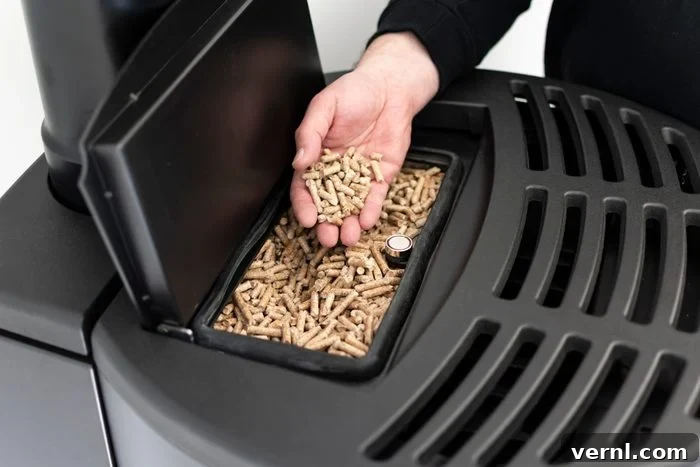
The ingenious design of most pellet stoves centers around an automated screw feed system, also known as an auger. Pellets, stored securely in the top-mounted or side-mounted hopper, are gradually transferred to the combustion chamber by this large, threaded shaft. The rotational speed of this auger is precisely controlled, directly dictating the rate at which pellets enter the burn pot. This, in turn, allows for precise regulation of the flame size and, consequently, the heat output. This continuous, controlled feed ensures a consistent and stable flame, making manual stoking a thing of the past.
Except for the small inlet where pellets enter, the combustion chamber itself is a sealed unit, a critical safety feature that prevents sparks or smoke from escaping into the living space. Many models incorporate a heat-resistant glass cover, allowing you to enjoy the mesmerizing dance of the flames, much like a traditional fireplace, but in a much cleaner and safer environment. The walls of this combustion chamber are cleverly designed to act as heat exchangers. As the pellets burn, the heat generated is absorbed by these surfaces and then efficiently transferred to a separate blower chamber. From here, a powerful fan circulates the now-heated air through grilles located on the front of the stove’s housing, effectively warming the room.
One of the most impressive characteristics of pellet stoves is their high burn efficiency, typically ranging from 70 to 83 percent, and often higher in modern, EPA-certified units. This high efficiency means that a significant portion of the fuel’s energy is converted into usable heat, with very few combustion by-products remaining. This results in minimal ash production and significantly reduced emissions, underscoring their environmentally friendly profile.
Pellet Stove Venting: Is a Chimney Required?
A common misconception about solid-fuel heating appliances is the necessity of a traditional chimney. Fortunately, pellet stoves offer far more flexibility in this regard. Unlike conventional wood stoves, pellet stoves do not strictly require a tall, vertical chimney stack. Instead, many models can be direct-vented through an exterior wall, similar to how a gas stove or dryer is vented. This significantly simplifies installation, opening up possibilities for placement in homes without existing chimneys. If your home does have an existing fireplace, installing a pellet stove insert and venting it through the existing chimney can be a convenient and often preferred option, utilizing the established flue for exhaust. The key is ensuring proper sealing and appropriate liner installation when using an existing chimney.
Pellet Stove Pros and Cons: Weighing Your Options
Understanding the full spectrum of advantages and disadvantages is crucial before investing in a pellet stove. While they offer many compelling benefits, potential drawbacks should also be considered.
Advantages of Pellet Stoves
- Cost-Effectiveness: Pellet stoves range in price from approximately $900 for basic models up to $6,000 for high-end units with advanced features. While not an insignificant initial investment, there’s a model to fit most budgets. More importantly, the fuel itself is quite economical. A single ton of wood pellets, equivalent to fifty 40-pound bags, typically costs around $250. This quantity can sustain a mid-sized stove for just under two months, making it a very cost-effective heating fuel over a typical winter season, especially when compared to fluctuating prices of oil, propane, or even natural gas in some regions.
- Precise & Controlled Heat Output: One of the standout features of modern pellet stoves is their precise thermostatic control. The thermostat continuously monitors the room temperature and adjusts the speed of the pellet feeder (auger) accordingly. This regulates the rate at which pellets are introduced to the combustion chamber, directly controlling the flame size and heat output. This automation ensures your home maintains a consistent, comfortable temperature without the manual adjustments required by traditional wood stoves.
- Environmental Friendliness: Pellet stoves are lauded for their eco-friendly operation. They burn highly compressed, low-moisture fuel with remarkable efficiency, leading to significantly lower particulate matter and greenhouse gas emissions compared to open fireplaces or older wood stoves. The pellets themselves are a sustainable resource, primarily made from recycled wood waste – a byproduct of the timber industry – or from rapidly renewable agricultural materials. This effectively makes pellet heat a carbon-neutral or near-carbon-neutral option, as the carbon released during burning is roughly equivalent to what the original plant absorbed during its growth cycle. For more on this, consider exploring eco-friendly heating systems.
- Enhanced Safety and Ease of Use: Once loaded with pellets and the thermostat is set, a pellet stove operates largely autonomously. It requires minimal attention until the hopper needs refilling. The combustion process is highly efficient, which significantly reduces the buildup of creosote – a highly flammable by-product common in traditional wood stoves – making chimney fires a rare concern. Furthermore, the sealed combustion chamber prevents the escape of sparks or flames into your living space, offering a much safer heating experience than an open fireplace.
- Flexible Placement Options: The direct-venting capability of pellet stoves means they don’t need to be installed directly into an existing chimney. They can be placed almost anywhere in your home, as long as there is proximity to an exterior wall for the vent pipe. This versatility allows homeowners, even those in apartments or condos, to enjoy the benefits of solid-fuel heating. This flexibility also makes them ideal for zone heating, allowing you to heat frequently used areas without relying solely on a central furnace.
Disadvantages and Considerations
While pellet stoves offer numerous benefits, it’s important to be aware of certain drawbacks and practical considerations.
- Potential for Noise: Some pellet stoves, particularly less expensive or older models, can generate a noticeable level of noise. This often comes from the auger mechanism feeding pellets and the convection fan circulating hot air. While manufacturers are continually improving designs to reduce noise, it’s a factor to consider. If noise sensitivity is a concern, researching reviews and opting for a higher-quality model known for quiet operation is advisable.
- Pellet Handling & Storage: Pellets are sold in heavy 40-pound bags, and a typical stove can consume one bag per day during peak heating season. Loading these bags can be physically demanding for some, including the elderly or those with mobility issues. Furthermore, pellets must be stored in a cool, dry place to prevent moisture absorption, which can degrade their quality and lead to inefficient burning or stove malfunctions. Adequate, protected storage space is therefore essential. Additionally, while generally available, pellet availability can sometimes be limited in certain regions or during peak demand, necessitating bulk purchases or careful planning.
- Reliance on Electricity: Unlike passive wood stoves, pellet stoves require electricity to power their automated components – the auger, blower fan, and electronic controls. This means that during a power outage, the stove will cease to function. While the electricity usage adds a small amount to your monthly operating cost, the primary concern is the loss of heat during blackouts. Some homeowners mitigate this by investing in battery backups or uninterruptible power supplies (UPS) specifically for their pellet stove.
- Plastic Waste from Bags: If you purchase pellets in individual 40-pound bags, you could be disposing of approximately one plastic bag per day during heating season. While efforts are being made to offer bulk delivery options or recyclable packaging, this plastic waste can be a concern for those focused on minimizing their environmental footprint. Buying in super sacks (large bulk bags) or having a bulk delivery system can reduce this issue.
Installing Your Pellet Stove: A Step-by-Step Overview
Proper installation is paramount for the safe and efficient operation of your pellet stove. While the process is generally straightforward, adherence to manufacturer recommendations and local building codes is critical.
The first step involves preparing the installation site, which usually means placing the stove on a fireproof hearth pad. This hearth pad protects your flooring from radiant heat and provides a safe, stable base. You can purchase a prefabricated hearth pad or construct one yourself, ensuring it meets all required clearances and material specifications from the stove’s manufacturer and local fire codes. These clearances are vital for preventing fire hazards.
Next comes the installation of the venting system. As discussed, this offers flexibility. For a direct-vent installation, a short length of specialized pellet stove ducting extends straight through a pre-cut hole in an exterior wall. This system is relatively simple and minimizes visual impact. Alternatively, the vent assembly can extend vertically, either through the roof or by connecting to an existing chimney flue (with a proper liner). The venting system always terminates with an approved cap attached to the exterior siding or chimney top, designed to prevent backdrafts and keep out pests and moisture.
Once the vent installation is complete and all connections are secured and sealed, the final steps are to plug the unit into a standard electrical outlet, load the hopper with your chosen pellets, and then simply enjoy the consistent, comfortable warmth that your new pellet stove provides. It is highly recommended to have a professional HVAC technician or certified pellet stove installer handle the installation to ensure all safety codes and performance standards are met. This also often preserves your warranty.
Maintaining Your Pellet Stove for Optimal Performance
While pellet stoves are renowned for their ease of use, regular maintenance is key to ensuring their long-term efficiency, safety, and performance. Neglecting routine cleaning can lead to decreased heat output, higher fuel consumption, and potential malfunctions.
- Daily/Weekly Cleaning: The most frequent task is emptying the ash pan. Due to high efficiency, pellet stoves produce significantly less ash than wood stoves, but regular removal prevents buildup that can impede airflow and combustion. Many stoves have easy-to-access ash pans. You should also periodically clean the burn pot (where pellets ignite) to remove any clinkers or unburnt residue, ensuring optimal ignition and flame quality.
- Monthly Cleaning: Once a month, or more frequently during heavy use, it’s advisable to clean the heat exchanger tubes or baffles. These components are crucial for transferring heat into your home, and ash buildup on their surfaces can drastically reduce efficiency. A wire brush or vacuum designed for ash removal (not a regular household vacuum) is typically used for this.
- Annual Professional Service: Before each heating season, scheduling a professional inspection and cleaning is highly recommended. A certified technician will perform a thorough cleaning of the entire stove, including the auger system, motors, fans, and the venting system. They will also inspect all electrical connections, seals, and components for wear and tear, ensuring everything is operating safely and at peak efficiency. This annual check-up can prevent costly repairs down the line and extend the lifespan of your stove.
Choosing the Right Pellet Stove for Your Home
Selecting the perfect pellet stove involves considering several factors beyond just aesthetics. Matching the stove to your home’s needs ensures maximum efficiency and comfort.
- BTU Output and Sizing: The most critical factor is the stove’s British Thermal Unit (BTU) output. Over-sizing a stove means it will cycle on and off too frequently, leading to inefficiency and potential creosote buildup. Under-sizing means it won’t adequately heat your space. Consult with a professional to correctly calculate the BTU requirement for your home, considering factors like square footage, ceiling height, insulation levels, and window efficiency.
- Hopper Capacity: The size of the pellet hopper determines how frequently you’ll need to refill it. Larger hoppers (e.g., 60-100+ lbs) allow for longer periods of continuous operation, sometimes several days, which is ideal for busy individuals or extended periods away from home. Smaller hoppers require more frequent refilling.
- Efficiency Ratings: Look for EPA-certified models, which guarantee a certain level of emissions performance and often indicate higher overall efficiency. A higher efficiency percentage means more of the fuel’s energy is converted into usable heat, saving you money on pellets.
- Features and Controls: Modern pellet stoves come with a range of features. Look for programmable thermostats, remote controls, or even Wi-Fi connectivity for smartphone control. These enhance convenience and allow for precise heat management. Automatic ignition, multiple fan speeds, and diagnostic displays are also valuable features.
- Design and Aesthetics: Pellet stoves are available in various styles, from traditional cast iron looks to sleek, contemporary designs. Choose a stove that complements your home’s decor and fits the intended space.
- Dealer Support and Warranty: Purchase from a reputable dealer who can offer installation services, spare parts, and ongoing support. A good warranty provides peace of mind regarding your investment.
Conclusion: Embracing Pellet Stoves for a Warm, Sustainable Home
Pellet stoves offer a compelling blend of convenience, efficiency, and environmental responsibility, making them an excellent choice for modern home heating. They bridge the gap between the ambiance of a wood fire and the automation of a furnace, providing consistent warmth with minimal effort. From their eco-friendly fuel source and low emissions to their precise thermostatic control and flexible installation, the advantages are clear. While factors like initial cost, pellet storage, and reliance on electricity require careful consideration, the long-term benefits of reduced heating bills, enhanced safety, and a smaller carbon footprint often outweigh these drawbacks for many homeowners.
By understanding how these innovative appliances work, their pros and cons, and the importance of proper installation and routine maintenance, you can make an informed decision about whether a pellet stove is the right heating solution for your residence. As we continue to seek sustainable and efficient ways to heat our homes, pellet stoves stand out as a smart, comfortable, and environmentally conscious choice, promising a warm and cozy living space for years to come.