Decoding Retail Return Policies: A Comprehensive Guide for Smart Shoppers
Americans love to shop, but they also value the ability to return items when necessary. A recent study reveals that a significant majority of consumers have returned at least one item in the past year, highlighting the importance of flexible return policies. However, strict rules and return fees can quickly deter customers. In today’s competitive retail landscape, understanding and navigating return policies is crucial for both consumers and businesses.
The expectation of free and easy returns is growing, but the reality is that return policies vary widely. Many retailers still struggle to meet customer expectations, making it essential for shoppers to be informed. This guide will delve into the retailers with the best and worst return policies, offering expert insights to help you make informed purchasing decisions.
How to Evaluate Retail Return Policies Effectively
According to business consultant Dr. Pridap K. Shukla, when assessing a return policy, several key factors should be considered:
- Clear Return Window: Look for policies that explicitly state the time period allowed for returns. A generous window typically ranges from 30 to 60 days, but some retailers offer even longer periods.
- Multiple Return Options: The ability to return items in-store, via mail, or through home pickup provides greater convenience.
- Empowered Customer Service: Retailers with customer service agents who can efficiently handle return-related issues are a major plus.
- Fast Refunds: A prompt refund to your original payment method is a sign of a customer-centric return policy.
While a generous return window is desirable, always read the fine print. Some stores may only accept unopened items in their original packaging, while others are more lenient. Many retailers can now track purchases through your credit card, but keeping your receipts is still a good practice. Be aware of potential restocking fees, particularly on appliances and electronics, and ensure that refunds are issued to your original payment method, not just as store credit.
The Best Retail Return Policies: Top Retailers
Dr. Shukla identifies Costco, Target, Amazon, Nordstrom, and Kohl’s as leaders in offering customer-friendly return policies. Other retailers like LL Bean, Zappos, REI, IKEA, and Walmart also deserve recognition for their favorable terms.
Costco: Unmatched Return Flexibility
Costco stands out with its virtually unlimited return policy. If you’re not completely satisfied with a product, you can typically return it at any time after purchase, no questions asked. Exceptions apply to electronics, which usually have a 90-day return window.
Target: Generous Return Windows and Options
Target provides a 90-day return window for most items, extending to a full year for Target-brand products. They offer free return shipping for online purchases. A receipt is required for in-store returns to ensure a full refund to the original payment method.
Amazon: Convenience with a Few Caveats
Amazon offers a 30-day return window for most unused items, with a full refund to the original payment method. Returns are free when dropped off at a designated Amazon return center. However, using UPS or home pickup may incur a fee.
Nordstrom: A Reputation for Exceptional Service
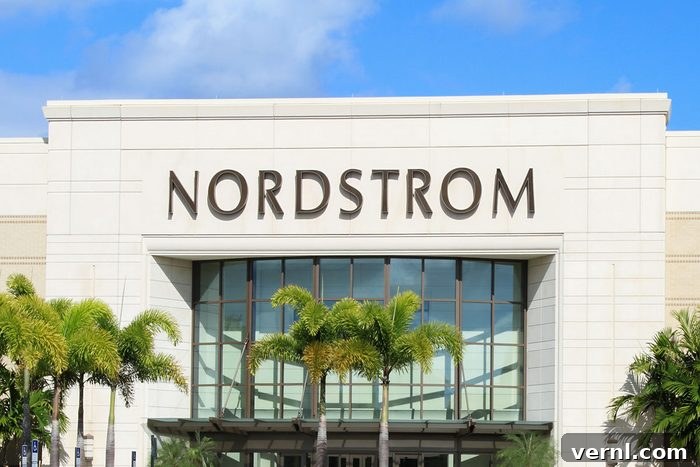
Nordstrom is renowned for its customer service, including its return policy. For unworn items with a receipt, there is no specific return timeline for a full refund. Nordstrom also offers free returns both in-store and by mail.
Kohl’s: Easy Returns with a Cardholder Perk
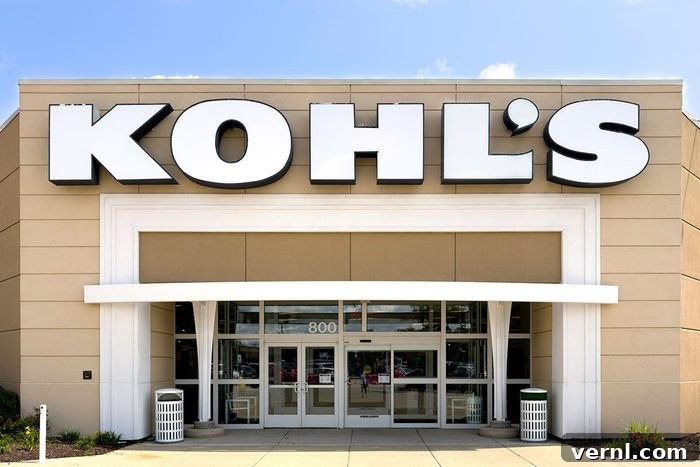
Kohl’s accepts returns up to 90 days, or 120 days for Kohl’s card members. Receipts are typically not required, and returns can be made in-store or via mail. Note that you’ll be responsible for return shipping costs.
Retail Return Policies to Be Aware Of
Dr. Shukla advises caution regarding exclusions on returnable items like electronics and potential restocking fees, which can sometimes reach 15% of the purchase price. Be mindful of retailers that require authorization codes for returns, impose short return windows, or include language stating that all sales are final.
Specifically, Apple, eBay, Wayfair, and GameStop have return policies that warrant careful consideration. Apple products have a 14-day return window with proof of purchase. GameStop also offers a 14-day window for new items but charges restocking fees for opened merchandise. Many eBay sellers do not accept returns at all, and Wayfair buyers are responsible for return shipping on bulky items, which can be costly.
In addition, an increasing number of retailers charge fees for mail-in returns on online purchases, reserving free returns for in-store transactions only. T.J. Maxx and Marshall’s charge $11.99 for mail-in returns, and JCPenney, Macy’s, and J Crew have similar policies.
Frequently Asked Questions About Retail Returns
Can you return used items?
In many cases, yes. Most retailers will accept returns of items that have been used but are defective. According to Dr. Shukla, if there is a “Satisfaction Guarantee” or if the return policy doesn’t explicitly state “must be returned unopened or unused,” you should be able to return used items within the specified return time frame. Recalled items or those with safety issues can also typically be returned, even if used.
Are free returns genuinely free?
While returns may be advertised as free, they do incur costs for consumers, retailers, and the environment. Shoppers invest time and effort, and often face higher prices as retailers offset return-related losses. From an environmental standpoint, returns contribute to environmental costs through transportation and potential disposal. Choosing to return an item involves additional travel to the store or a drop-off location, increasing carbon emissions and resource consumption.
About the Expert
Dr. Pradip K. Shukla is the CEO of BestCEOAdvisor, providing executive coaching and consulting services. He is also a business professor at Chapman University in California. His expertise in business strategy and customer service provides valuable insights into the complexities of retail return policies.