
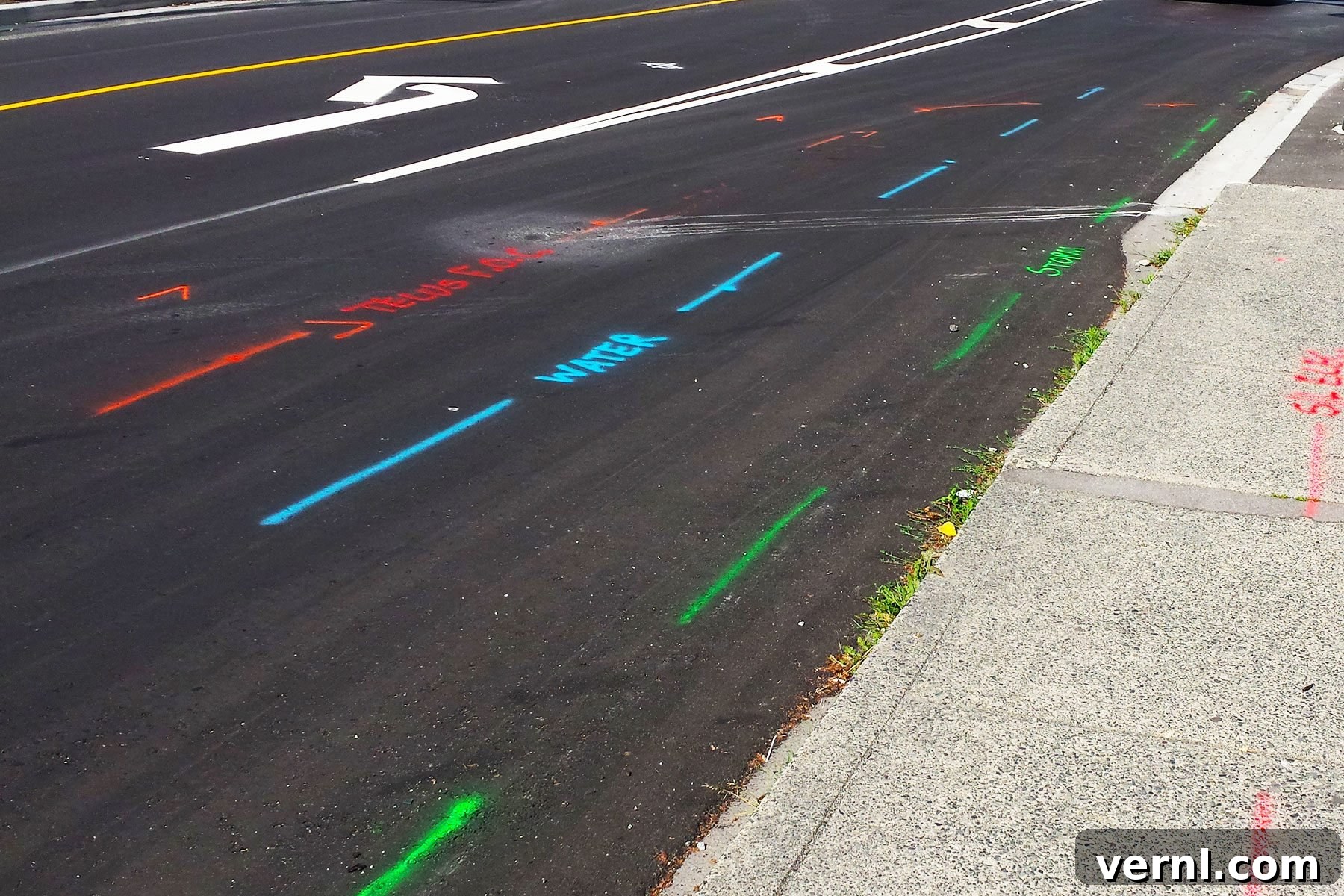
Unraveling the Mystery: A Comprehensive Guide to Underground Utility Color Codes for Digging Safety
On any construction site, renovation project, or even during simple landscaping around your home, a complex system of colored markings plays a critical role in ensuring safety and preventing disaster. These vibrant indicators, painted on the ground or marked with flags, are far more than mere decorations; they represent a universal language designed to communicate the exact location of vital underground utilities. Understanding these utility color codes is not just a recommendation—it’s an absolute necessity for anyone involved in excavation, digging, or ground-disturbing activities.
Established as the American National Standard for Safety Colors by the American Standards Institute (ANSI) and mandated by the American Public Works Association (APWA), this uniform color code system was devised to temporarily mark underground facilities. From the bright hues of the rainbow to the distinctive shades of pink and white, each color carries a specific, critical message about what lies beneath the surface. Ignoring these markings can lead to catastrophic consequences, including severe injuries, fatalities, widespread service outages, and substantial financial penalties. This guide will walk you through the essential APWA color codes, with a particular focus on the critical significance of red markings.
What Does Red Paint on the Road or Ground Mean?
Among the spectrum of utility markings, red stands out as an immediate and unequivocal warning. According to the APWA, seeing red paint or red flags on the ground unequivocally signifies the presence of electric power lines, cables, conduit, and lighting cables. This category encompasses a wide array of electrical infrastructure, from high-voltage transmission lines to residential power connections and street lighting circuits.
The implications of red markings are severe. Electrical lines carry significant voltage, posing an extreme risk of electrocution, severe burns, or even death if accidentally struck. A breach of these lines can also lead to widespread power outages, disrupting homes, businesses, and essential services like hospitals and emergency response systems. For this reason, any area marked with red requires the utmost caution and professional intervention. If any work is planned within a red-marked zone, it is imperative that qualified electrical specialists are consulted or on-site to ensure the safe handling and avoidance of these critical power sources.
Identifying Electrical Hazards: Beyond Just Red Paint
While red paint is the most common visual indicator, electrical power lines and related infrastructure might also be marked using other red indicators such as small red flags or stakes. These temporary markers are particularly useful in areas undergoing long-term construction or engineering projects, where paint might fade or be obscured over time. Regardless of the specific form the marking takes, if it’s red, it means electrical. This consistent identification system is vital for all personnel on a worksite to quickly assess potential dangers.
Ultimately, if an area is marked with red, it signals a direct connection to the electrical power grid and must be treated with extreme caution and respect. The marking process is typically facilitated by utility companies, their contractors, or facility owners. Therefore, before embarking on any digging or excavation project, whether large-scale construction or a simple home improvement like installing a new fence post, always ensure that the area has been properly surveyed and marked. Failing to do so can result in accidentally damaging crucial electrical infrastructure, leading to dangerous situations, extensive repairs, and hefty fines.
A Comprehensive Guide to Other Essential Utility Marking Colors
While red alerts us to electrical hazards, the APWA color system encompasses several other critical colors, each designating a specific type of underground utility. Familiarity with all these colors is paramount for ensuring comprehensive safety and preventing disruptions across various essential services. Understanding these codes is the first step in responsible and safe excavation practices.
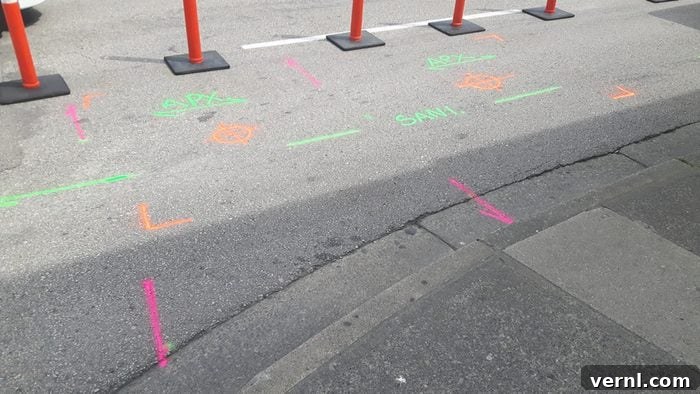
Here is a detailed breakdown of the APWA uniform color code system:
-
Orange: Telecommunication and Signal Lines
Orange markings indicate the presence of telecommunication lines, alarm systems, signal lines, cables, or conduits. This includes fiber optic cables, telephone lines, and internet infrastructure. While not immediately life-threatening like electrical lines, striking these can cause widespread communication outages, impacting businesses, emergency services, and individual connectivity. Damaging fiber optic cables, in particular, can be incredibly costly to repair due to their intricate nature and the specialized equipment required.
-
Yellow: Natural Gas, Oil, Steam, and Flammable Materials
Yellow is an extreme hazard warning, signifying lines carrying natural gas, oil, steam, petroleum products, or other highly flammable and hazardous materials. A breach of a yellow-marked line can lead to explosions, fires, severe burns, and toxic gas leaks, posing immediate threats to life and property. The presence of yellow markings demands immediate evacuation of the area and the involvement of highly specialized emergency response teams. Any odor of gas, even without markings, should always be reported immediately.
-
Green: Sewers and Drain Lines
Green markings denote sewers and drain lines. These include sanitary sewer lines, storm drains, and other wastewater disposal systems. While not typically explosive or electrically charged, damaging these lines can lead to significant environmental contamination, widespread sanitation issues, release of hazardous gasses (like methane and hydrogen sulfide), and costly cleanup operations. Flooding and property damage from backed-up sewers are also major concerns.
-
Blue: Potable Water
Blue identifies potable (drinkable) water lines. These lines supply clean water to homes, businesses, and public facilities. Striking a blue-marked line can result in disruptions to drinking water supply, significant water loss, and potential contamination of the water system, posing public health risks. Repairs can be complex, requiring temporary service interruptions and boil water advisories.
-
Purple: Reclaimed Water, Irrigation, and Slurry Lines
Purple markings indicate reclaimed water, irrigation lines, or slurry lines. Reclaimed water is treated wastewater used for non-potable purposes such as irrigation, industrial processes, or toilet flushing, and is not safe for drinking. Damaging these lines can lead to water waste, environmental issues, and disruptions to specific agricultural or industrial operations. It’s crucial to distinguish these from potable water lines to prevent accidental consumption of non-potable water.
-
Pink: Temporary Survey Markings and Unidentified Facilities
Pink is used for temporary survey markings, which might outline initial site plans, grading information, or indicate benchmarks. It can also be used to mark unknown or unidentified facilities whose exact nature has not yet been determined. While not indicating a direct utility, pink markings are crucial for site planning and must be respected as they define the parameters of future work or highlight potential areas of interest where further investigation might be needed.
-
White: Proposed Excavation Limits or Routes
White markings are used to delineate proposed excavation limits or the planned routes for new utility installations. Essentially, white defines the boundaries of the intended work area. This helps excavators visualize the scope of their project and serves as a clear guide for where digging is authorized. It works in conjunction with other color markings to ensure that excavation occurs only in designated safe zones.
These colors may appear as paint sprayed directly on the ground, or as small flags or stakes temporarily placed to signify the facilities below. Regardless of the form, their message is consistent and critical for maintaining safety and preventing accidents.
The “Call Before You Dig” Imperative: 811 and Beyond
Understanding these color codes is an essential piece of the puzzle, but it’s only one part of comprehensive digging safety. The single most important action anyone can take before starting an excavation project is to “Call Before You Dig.” In the United States, this means dialing 811, a free national service that connects you to your local one-call center.
When you call 811, utility companies are notified and will dispatch professional locators to mark the approximate location of their underground lines on your property within a few business days. This service is crucial because, even with a general understanding of utility locations, precise identification requires specialized equipment. Relying solely on visual cues or historical knowledge can be dangerous, as utility paths can change over time due to new installations or rerouting.
Failure to call 811 before digging is not only incredibly risky but can also carry severe legal and financial repercussions. Damaging a utility line without having called 811 can result in significant fines, liability for repair costs (which can quickly escalate into thousands or even hundreds of thousands of dollars), project delays, and potential lawsuits if injuries or environmental damage occur. The “Call Before You Dig” service is designed to protect you, your property, and your community from preventable accidents.
Who is Responsible for Markings?
The responsibility for accurately marking utilities typically falls on the utility owners themselves. Once a request is submitted through 811, each relevant utility company (e.g., electric, gas, water, telecom) sends out a professional locator to mark their specific lines within the proposed excavation area. Contractors and facility owners initiating projects also play a critical role in ensuring these markings are requested and respected throughout the duration of the work.
Ensuring Overall Site Safety and Community Well-being
The uniform color code system is a cornerstone of worksite safety and public protection. It transforms the invisible dangers hidden beneath our feet into visible warnings, allowing excavators and project managers to proceed with caution and precision. By adhering to these codes and following the “Call Before You Dig” protocol, we collectively contribute to safer construction practices, prevent costly damage to vital infrastructure, and safeguard the well-being of individuals and communities.
Whether you are a professional contractor, a seasoned landscaper, or a homeowner embarking on a DIY project, your diligence in understanding and respecting these underground utility markings is paramount. Always be vigilant, always call 811, and ensure that every digging project begins with a clear understanding of what lies beneath the surface.