
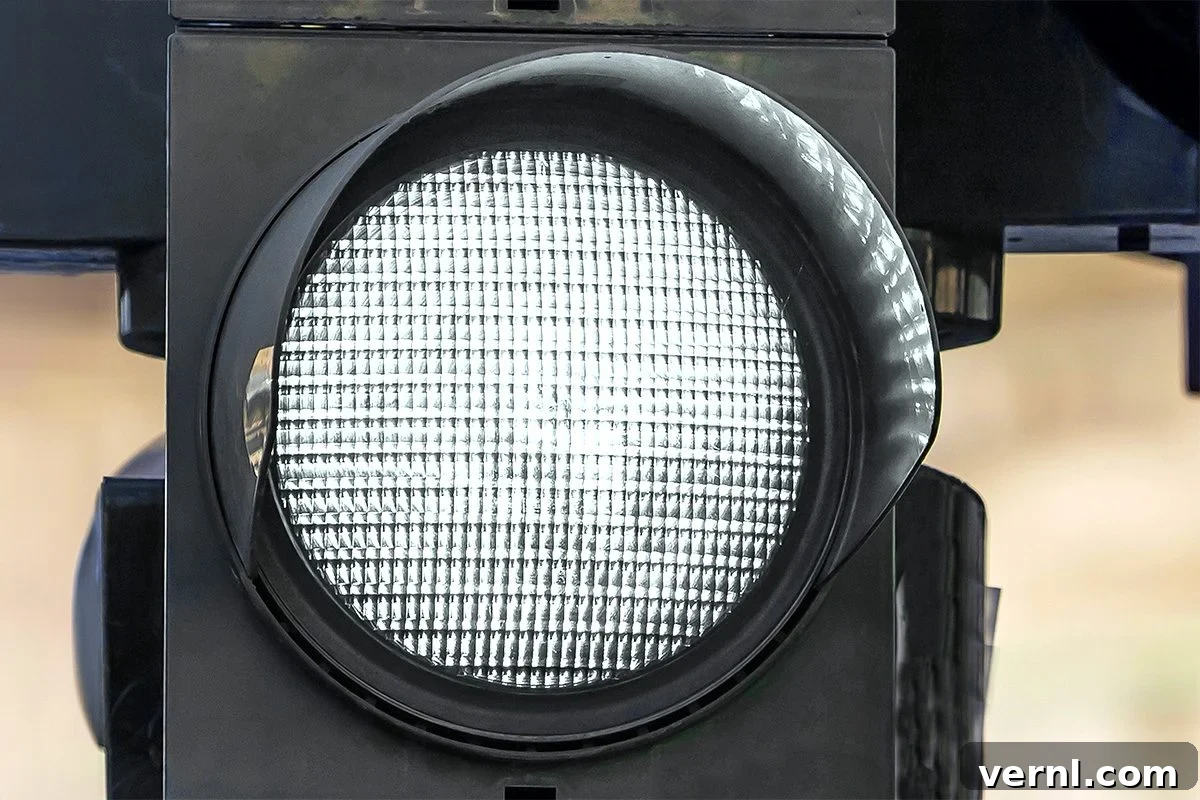
The Future of Traffic Lights: Understanding the Proposed White Light and its Impact on Autonomous Vehicles
Have you encountered discussions or images depicting a white traffic light, a signal showcasing an unfamiliar fourth color? You’re not alone in noticing this potential evolution of traffic management. As autonomous vehicles (AVs) become increasingly integrated into our transportation systems, the potential changes to traffic signals are a topic of considerable research and debate. For drivers accustomed to the established red, yellow, and green sequence, the prospect of a new indication might seem daunting. However, understanding the rationale and functionality behind the proposed white light is crucial for navigating the future of driving.
This article delves into the intricacies of the white traffic light, exploring its purpose, how it’s intended to function, and its current standing in the United States. We’ll examine the potential benefits and challenges of this innovative technology, and how it could reshape the way we interact with intersections.
How a White Traffic Light Could Revolutionize Intersection Management
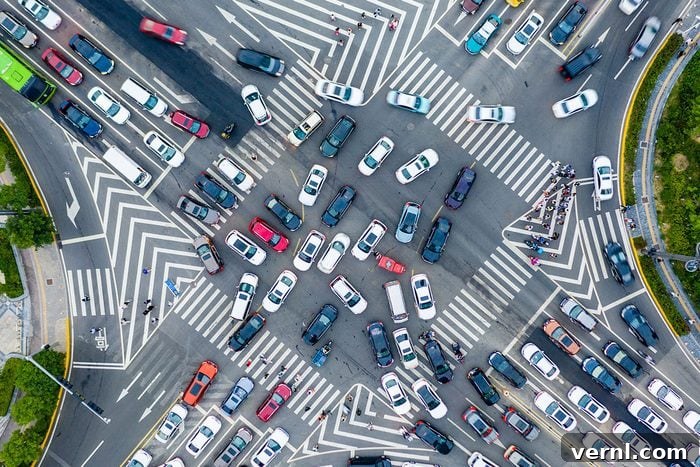
Currently, most intersections across the United States adhere to the standardized sequence of red, yellow, and green lights, as defined by the Manual on Uniform Traffic Control Devices (MUTCD). This manual serves as the cornerstone for traffic signal design and operation, ensuring consistency and safety across the nation.
However, researchers at North Carolina State University are pioneering a novel approach by investigating an additional signal indication: the white light. Unlike the traditional three colors, this proposed white signal would not be constantly active. Instead, it would illuminate only when a critical mass of autonomous vehicles approaches an intersection simultaneously. These connected vehicles would communicate with the signal controller, and upon confirmation of a coordinated movement strategy, the white indication would activate.
During these periods when the white light is illuminated, drivers in conventional vehicles would be instructed to follow the pace of the vehicle in front of them, effectively moving through the intersection in a coordinated stream. The autonomous vehicles would manage the intricate timing and communication within the system, allowing the white phase to guide all traffic participants in a predictable and efficient manner.
The underlying principle is to leverage the advanced communication and coordination capabilities of autonomous vehicles to optimize traffic flow. By allowing AVs to dictate the timing of the intersection, the system can potentially reduce congestion, minimize delays, and improve overall traffic efficiency. When autonomous vehicles are not present or lack the necessary coordination, the signal would revert to its conventional red, yellow, and green cycle, ensuring seamless integration with existing traffic patterns.
Preliminary simulations have yielded promising results, suggesting that the white light concept has the potential to significantly improve traffic flow and reduce travel times. Researchers are also meticulously studying how this system would integrate with pedestrian signals, ensuring the safety and accessibility of intersections for all users.
The Current Status of White Traffic Lights in the United States
It’s important to emphasize that the white traffic light is not currently in use on public roads in the United States. The MUTCD, which governs traffic control devices nationwide, currently recognizes only the standard red, yellow, and green indications for general traffic. The introduction of a fourth color would require extensive testing, evaluation, and ultimately, approval by the Federal Highway Administration (FHWA).
The white light concept remains primarily a subject of ongoing research and development. It’s being explored in academic studies, simulated environments, and controlled testing facilities, but not yet deployed in real-world public intersections. No transportation agency has formally approved the implementation of white traffic lights, and no city has integrated this type of signal into its daily traffic operations. Should trials proceed in the future, they would likely commence in dedicated testing areas, such as research facilities or closed-loop campus environments designed for controlled experimentation.
For the foreseeable future, drivers can continue to rely on the established rules of the road and the familiar red, yellow, and green traffic signals. The current system remains the standard for guiding movement through intersections, and there’s no immediate need to interpret or respond to a white indication in daily traffic scenarios. Adhering to existing traffic laws and exercising caution at intersections remains paramount for ensuring safety and preventing accidents.
It’s worth noting that white signals may occasionally be observed in specific contexts, but these are distinct from the proposed white traffic light for general traffic. For instance, some transit systems utilize white indicators exclusively for streetcars or trolleys, providing these operators with distinct instructions that don’t interfere with the signals intended for regular vehicular traffic. These specialized signals serve a different purpose and should not be confused with the broader concept of a white traffic light for all vehicles.
Transportation agencies are continuously working to enhance the internal systems that power today’s traffic signals. Modern systems are increasingly capable of communicating with emergency vehicles and public transit, allowing for real-time adjustments to signal timing during specific events. These advancements aim to optimize traffic flow and prioritize the movement of critical services. However, from a driver’s perspective, the external appearance of the traffic signal remains unchanged, with the familiar red, yellow, and green lights continuing to govern intersection behavior.
In conclusion, the red, yellow, and green lights continue to define every intersection in the United States. The white traffic light remains an intriguing concept under development, representing a potential evolution in intersection management that could reshape the future of driving. As autonomous vehicles become more prevalent, the need for innovative traffic control strategies will only intensify, making the ongoing research into the white light and other advanced technologies all the more critical.
The potential benefits of a white traffic light are numerous, including improved traffic flow, reduced congestion, and enhanced efficiency. However, challenges also exist, such as ensuring seamless integration with existing infrastructure, addressing safety concerns, and gaining public acceptance. As research progresses and technology evolves, the white traffic light may eventually become a reality on our roads, transforming the way we navigate intersections and interact with autonomous vehicles.
The future of transportation is dynamic and constantly evolving. Staying informed about emerging technologies like the white traffic light is essential for drivers, policymakers, and anyone interested in shaping the future of mobility. By embracing innovation and carefully considering the potential impacts of new technologies, we can create a transportation system that is safer, more efficient, and more sustainable for all.
Understanding the Impact on Pedestrians
The introduction of white traffic lights is not solely focused on vehicular traffic. Researchers are also deeply concerned about the impact on pedestrians and other vulnerable road users. Any changes to traffic signal systems must prioritize the safety and accessibility of intersections for everyone, regardless of their mode of transportation.
The studies being conducted at North Carolina State University are exploring how the white light system would interact with pedestrian signals, ensuring that pedestrians have adequate time to cross the street safely. This includes considering factors such as pedestrian walking speed, the length of crosswalks, and the potential for conflicts between pedestrians and vehicles. The goal is to design a system that enhances overall traffic flow without compromising the safety or convenience of pedestrians.
Furthermore, the researchers are investigating the potential for incorporating additional safety features into the white light system, such as audible signals or tactile cues for visually impaired pedestrians. These features could provide extra layers of protection and ensure that all pedestrians can navigate intersections with confidence.
It’s crucial to emphasize that any future implementation of white traffic lights would require extensive testing and evaluation to ensure that pedestrian safety is not compromised. Public feedback and input from advocacy groups representing pedestrians and people with disabilities would also be essential in shaping the design and implementation of the system.
Addressing Potential Challenges and Concerns
The introduction of any new technology into the transportation system inevitably raises challenges and concerns. The white traffic light is no exception. Some potential challenges include:
- Infrastructure Costs: Implementing a white light system would require significant investments in infrastructure, including upgrading traffic signal controllers, installing new signal heads, and deploying communication networks.
- Cybersecurity: The communication between autonomous vehicles and traffic signal controllers could be vulnerable to cyberattacks. Robust security measures would be necessary to prevent malicious actors from disrupting traffic flow or compromising safety.
- Public Acceptance: Drivers may be hesitant to trust a new traffic signal system, particularly one that relies on autonomous vehicles. Public education and outreach would be essential to build trust and ensure widespread acceptance.
- Legal and Regulatory Framework: The introduction of white traffic lights would require updates to existing traffic laws and regulations. A clear legal framework would be necessary to address issues such as liability in the event of accidents involving autonomous vehicles and white traffic lights.
Addressing these challenges will require a collaborative effort involving researchers, policymakers, transportation agencies, and the public. By carefully considering the potential risks and benefits, and by developing appropriate safeguards, we can maximize the potential of white traffic lights to improve the safety and efficiency of our transportation system.
Sources
- “Researchers Propose a Fourth Light on Traffic Signals for Self-Driving Cars,” North Carolina State University News
- “New Traffic Signal Would Improve Travel Time for Both Pedestrians and Vehicles,” North Carolina State University News
- “Manual On Uniform Traffic Control Devices (MUTCD),” Federal Highway Administration
- “A Study Proves Stoplights Need a Fourth Color: White,” Popular Mechanics