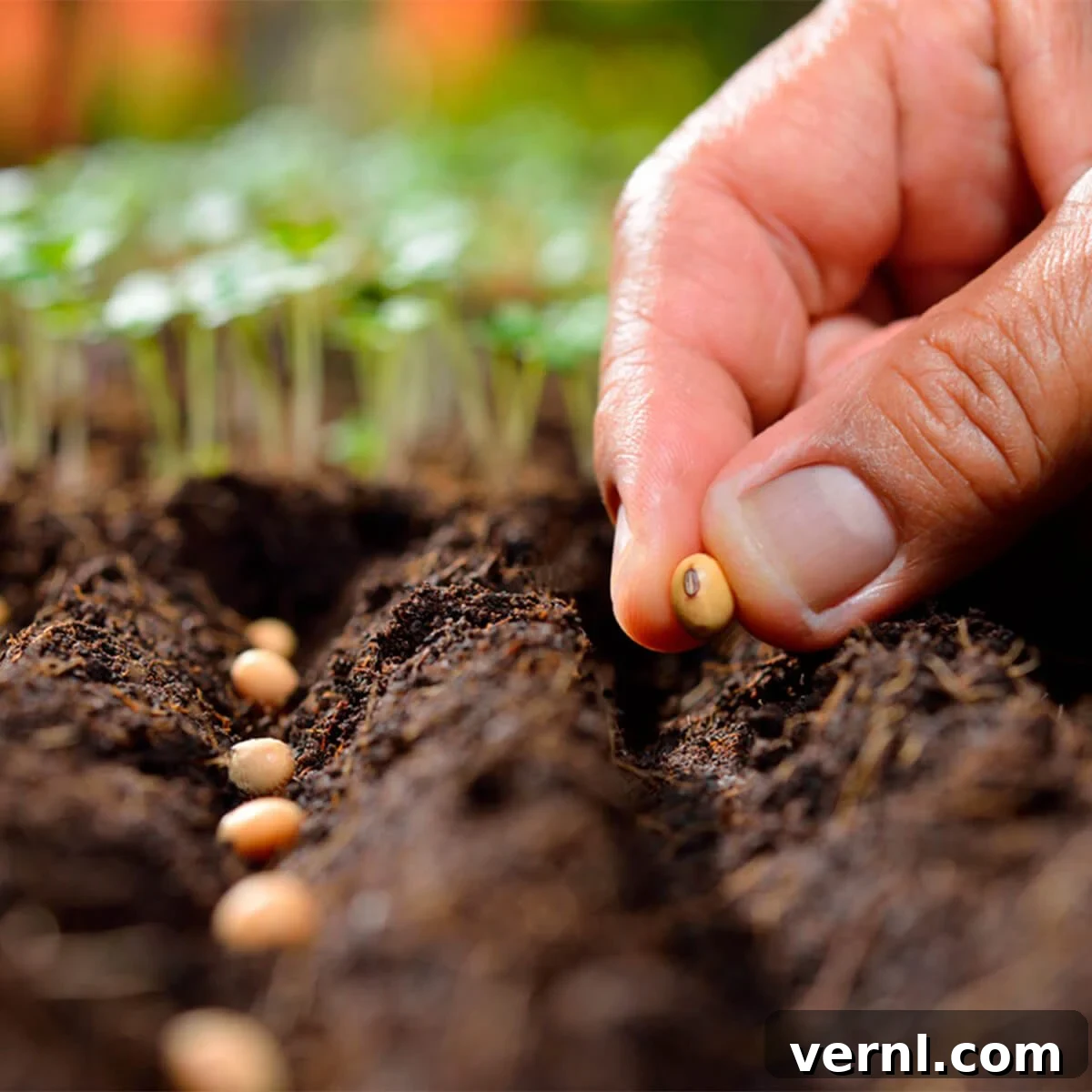
Mastering Your Garden: A Comprehensive Guide to When to Plant Vegetables for Peak Harvest
The allure of fresh, homegrown produce is experiencing a remarkable resurgence, captivating gardeners from seasoned veterans to enthusiastic novices. There’s an undeniable satisfaction in cultivating your own food, knowing exactly where it comes from, and savoring flavors that supermarket shelves simply can’t match. However, transforming a bare patch of earth into a vibrant, productive garden hinges on one fundamental principle: planting at the right time. But how do you determine this optimal window for success? This comprehensive guide is designed to empower you with the knowledge and confidence to make your home garden flourish!
Understanding when to plant your favorite vegetables, fruits, and herbs is the cornerstone of successful gardening. This timing isn’t arbitrary; it’s a careful dance with nature, influenced by a multitude of environmental factors. The most significant of these factors, especially across diverse geographical regions, is your unique plant hardiness zone. Established by the USDA, these zones delineate areas based on their average annual lowest winter temperatures, providing a crucial framework for predicting which plants are likely to survive and thrive in a particular location. For the continental U.S., these zones span from Zone 3, experiencing the harshest winters, all the way to Zone 10, characterized by milder climates. The majority of gardeners will find themselves in Zones 4 through 9, each with its own rhythm and optimal planting schedule.
While hardiness zones offer an invaluable starting point, it’s essential to remember that they are broad guidelines. Your specific garden is a microcosm, influenced by its unique microclimate and conditions. A myriad of factors contribute to how well your plants will grow, including the amount of sunlight your garden receives, local rainfall patterns, prevailing winds, daily temperature fluctuations, and critically, the composition and health of your soil. Therefore, the precise ideal planting dates for your garden may subtly differ from generalized lists. The wisdom of local gardeners, observing what truly thrives in your immediate area, and even a bit of trial and error can fine-tune these recommendations. If you or your neighbors have found success with particular planting date ranges, always prioritize what demonstrably works in your specific environment.
A quick note on terminology: In this guide, we’ll be discussing many items that, botanically speaking, are technically fruits (like tomatoes and cucumbers) or even grains (like corn). However, in common culinary parlance and for the purpose of home gardening, they are universally regarded as “vegetables” or “produce.” Essentially, if it’s a homegrown edible typically served as a savory side dish, or an integral component of a main course – and wouldn’t typically make its way into a fruit salad – then it’s fair game and included in our planting recommendations!
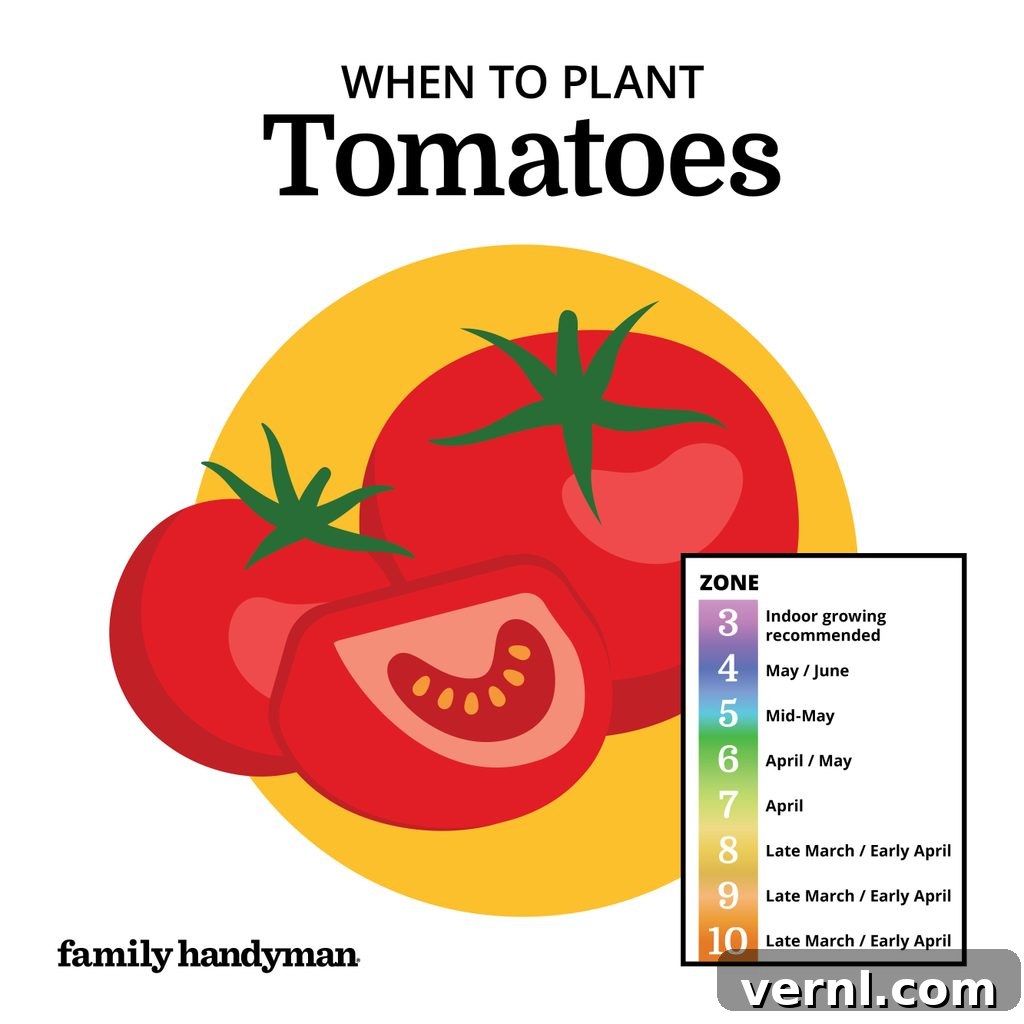
When to Plant Tomatoes for a Bountiful Harvest
Often considered the crown jewel of the summer garden, tomatoes are a beloved addition to an incredible array of meals, from classic BLTs and vibrant salsas to elegant caprese salads and hearty pasta sauces. Their unparalleled fresh flavor, sweetness, and versatility make them a favorite among home gardeners. Fun fact: while widely used as a vegetable in cooking, tomatoes are botanically fruits, a classification debate that famously culminated in the U.S. Supreme Court ruling of 1893!
To cultivate robust, fruit-laden tomato plants, timing is everything. Tomatoes are heat-loving plants that cannot tolerate frost. The general rule is to plant them outdoors only after all danger of frost has passed and when night temperatures consistently stay above 50-55°F (10-13°C), and soil temperatures are at least 60°F (16°C). In colder zones, gardeners often start tomato seeds indoors 6-8 weeks before the last anticipated spring frost, allowing seedlings to develop a strong start before transplanting them into the garden. They thrive in full sun (at least 6-8 hours daily) and prefer well-drained, fertile soil with a pH between 6.0 and 6.8. Consistent watering, especially during fruit development, is crucial to prevent issues like blossom end rot. Providing adequate support with stakes or cages is also vital for healthy, productive plants.
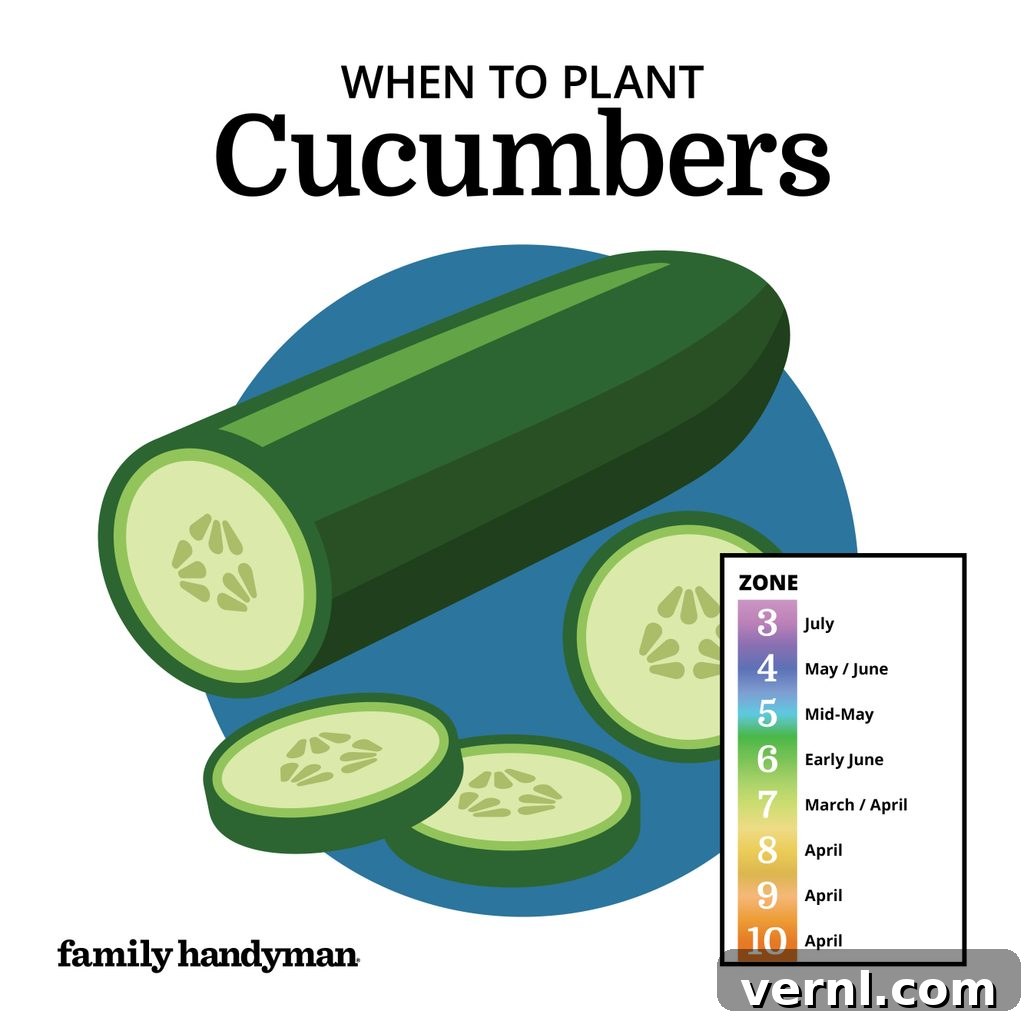
When to Plant Cucumbers for Refreshing Goodness
Famously easy-growing and incredibly prolific, cucumbers are a staple in home gardens nationwide. Their crisp texture and refreshing flavor make them perfect for livening up salads, adding a cool crunch to sandwiches, or transforming into delicious homemade pickles. Whether you prefer pickling varieties or long, slicing types, cucumbers offer a rewarding harvest for gardeners of all skill levels.
Cucumbers are warm-season vegetables that are highly sensitive to frost. They should be planted directly into the garden after all danger of frost has passed and the soil has warmed sufficiently, typically when temperatures are consistently above 60°F (16°C). In warmer zones, you might even get two plantings in a season. Cucumbers require full sun and rich, well-drained soil amended with plenty of organic matter. They are heavy feeders and benefit from consistent moisture, especially during flowering and fruiting. Growing them on a trellis or support structure can save space and lead to straighter, cleaner fruits. Regularly harvesting cucumbers encourages the plant to produce more, ensuring a continuous supply throughout the summer.
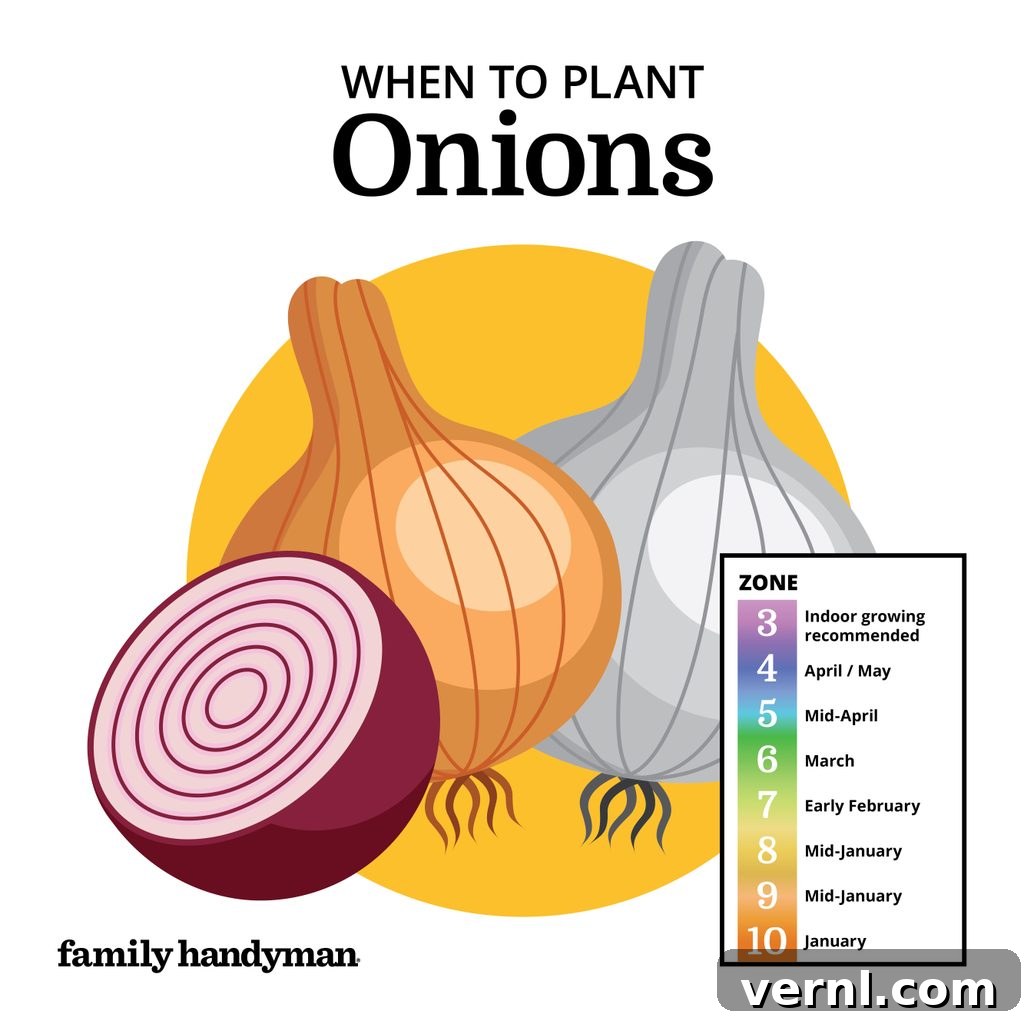
When to Plant Onions for Flavorful Staples
A true culinary workhorse, onions are an indispensable ingredient in countless meals across nearly every cuisine. Available in a delightful variety of strengths, sizes, and flavors – from sweet Vidalias to pungent yellow storage onions – they are a gardener’s delight. Beyond their culinary uses, onions are known for their excellent storage capabilities and can even act as a natural deterrent against certain garden pests, including the troublesome carrot rust fly, when planted nearby.
The optimal planting time for onions depends on whether you’re planting from sets, seeds, or transplants, and your climate. For most areas, early spring planting is ideal, as soon as the soil can be worked and after the last hard frost. Onions prefer full sun and well-drained, fertile soil with a pH between 6.0 and 7.0. They require consistent moisture throughout their growing season to develop large, healthy bulbs. Different varieties are classified by their “day-length” requirements (short-day, intermediate-day, long-day), which is crucial for bulb formation and should be matched to your latitude for the best results. Proper spacing is key to allow bulbs to grow to their full potential. Harvest when the tops begin to yellow and fall over, then cure them in a dry, airy place for long-term storage.
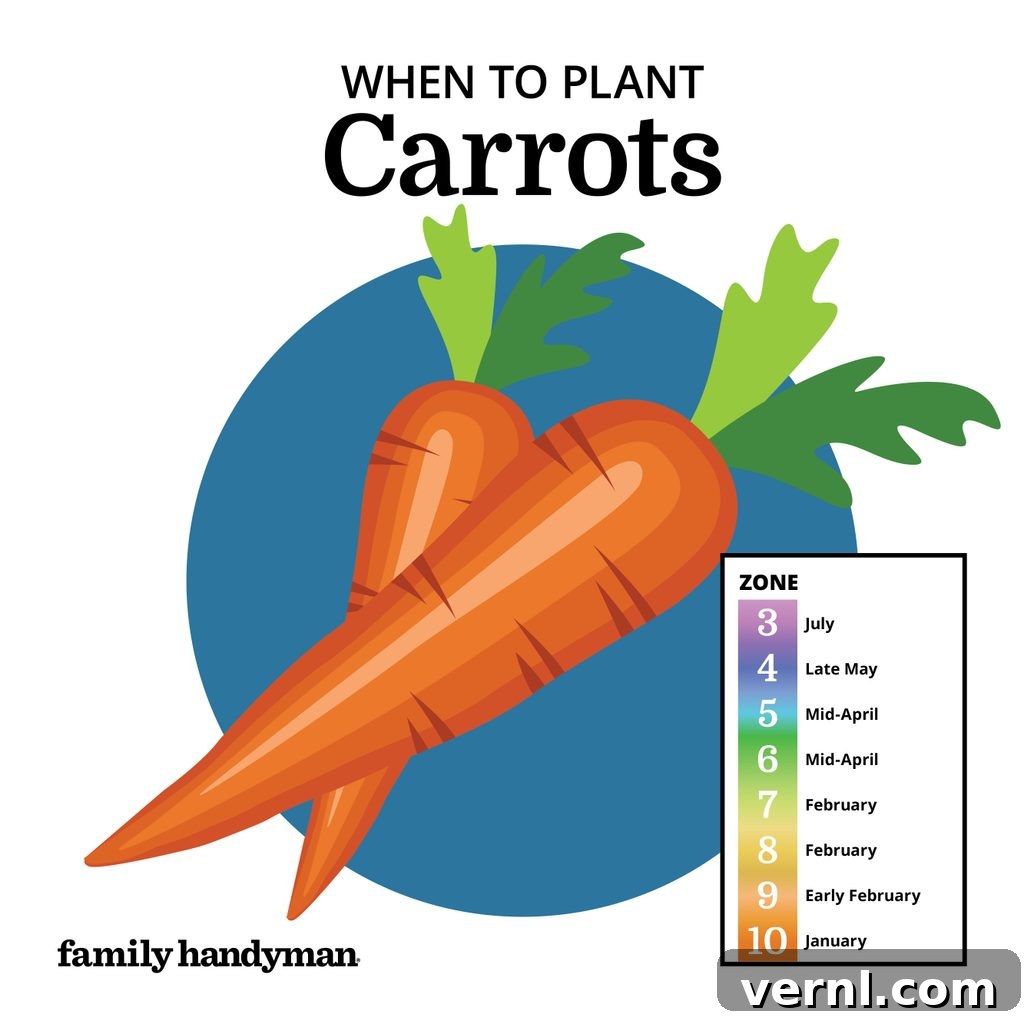
When to Plant Carrots for Sweet Root Delights
This quintessential root vegetable is most commonly recognized for its vibrant orange hue, but carrots actually come in a rainbow of colors, including purple, yellow, and white, each offering subtle differences in flavor and sweetness. For your home garden, growing an assortment of colors, sizes, and sweetness levels can add both visual appeal and culinary diversity to your table. Carrots are relatively fast-growing and, under ideal conditions, can often be planted and harvested multiple times in a single season, especially in zones with longer growing periods. The planting dates provided below represent the earliest suggested times for sowing.
Carrots prefer cool to moderate temperatures and loose, sandy, well-drained soil free of rocks, which can cause misshapen roots. They thrive in full sun but can tolerate some partial shade. Direct sowing seeds is the preferred method, as carrots do not transplant well. Plant seeds about 1/4 to 1/2 inch deep. Keeping the soil consistently moist is vital for germination and initial growth. Thinning seedlings to the appropriate spacing is crucial for allowing roots to develop properly. While they can be planted early in spring, a second planting in mid-to-late summer can yield a fall crop, often sweeter after a touch of frost. Harvest when roots reach a desirable size, typically 60-75 days after planting.
When to Plant Summer Squash for Abundant Yields
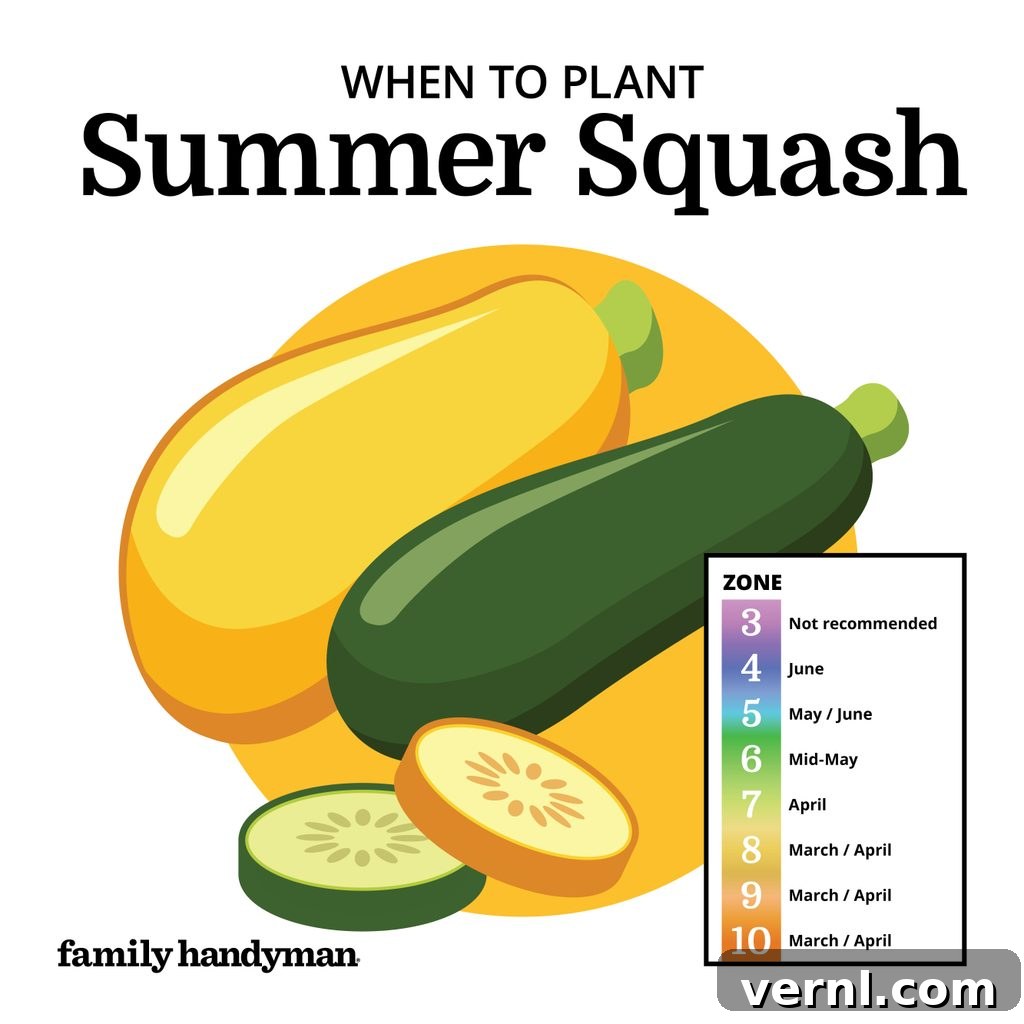
Summer squash, along with their larger cousins pumpkins, are classic staples for autumnal meals and festive gatherings like Thanksgiving dinner. However, summer squash varieties like zucchini, yellow squash, and pattypan squash offer their delicious bounty much earlier in the season. Their vigorous growth and often substantial size make them dramatic and exciting additions to any garden, providing as much visual appeal as they do culinary delight.
Summer squash varieties are warm-season crops that demand full sun and rich, well-drained soil. Like cucumbers, they are sensitive to frost and should only be planted outdoors after all danger of cold weather has passed and the soil has thoroughly warmed, ideally above 65°F (18°C). Seeds can be direct-sown about 1 inch deep. These plants grow quickly and can become quite large, so ample spacing is important. Consistent watering is essential, particularly when plants are flowering and fruiting. Watch out for common pests like squash bugs and powdery mildew, which can be managed with good garden hygiene and organic treatments. Harvest summer squash frequently when they are young and tender for the best flavor and to encourage continuous production throughout the season.
When to Plant Corn for Sweet Summer Treats
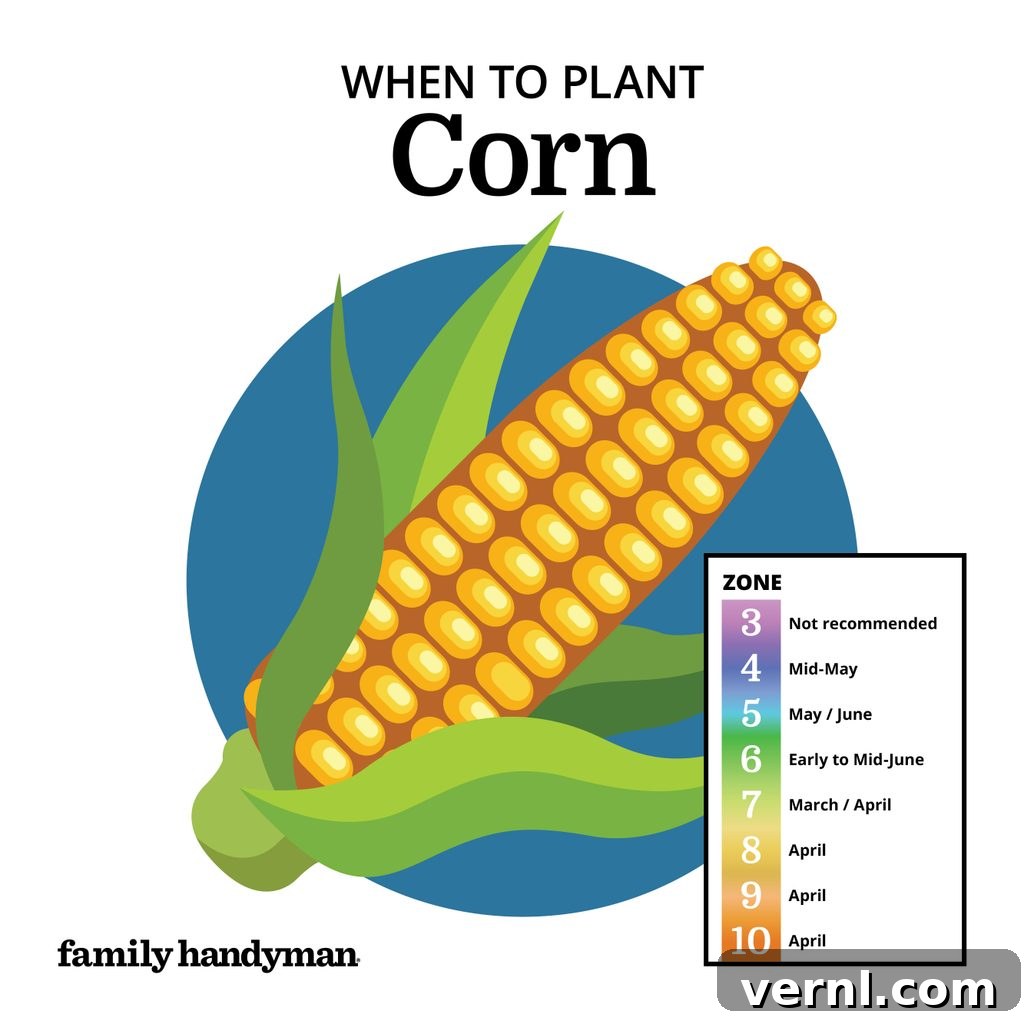
This iconic tall-growing grain, a quintessential symbol of summer, is currently undergoing a modest but delightful home gardening renaissance. While its impressive size can potentially overwhelm smaller garden plots, sweet corn is increasingly popping up in home gardens, celebrated for the unparalleled taste of a freshly picked cob. The sweetness of corn begins to convert to starch almost immediately after harvest, making homegrown corn a truly superior culinary experience.
Corn is a warm-season crop that thrives in full sun and fertile, well-drained soil with a pH between 6.0 and 6.8. It is highly susceptible to frost, so planting should occur only after the last frost date has passed and the soil temperature is consistently above 60°F (16°C). For proper pollination and full kernel development, corn should be planted in blocks or short rows rather than single long rows, allowing the wind to effectively carry pollen between plants. Plant seeds about 1 inch deep and 4-6 inches apart, thinning to 8-12 inches after they sprout. Corn is a heavy feeder and requires consistent moisture and nutrients, especially as tassels and silks emerge. Harvest sweet corn when the silks have turned brown and dry, and a pierced kernel releases milky liquid.
When to Plant Bell Peppers for Colorful Cuisine
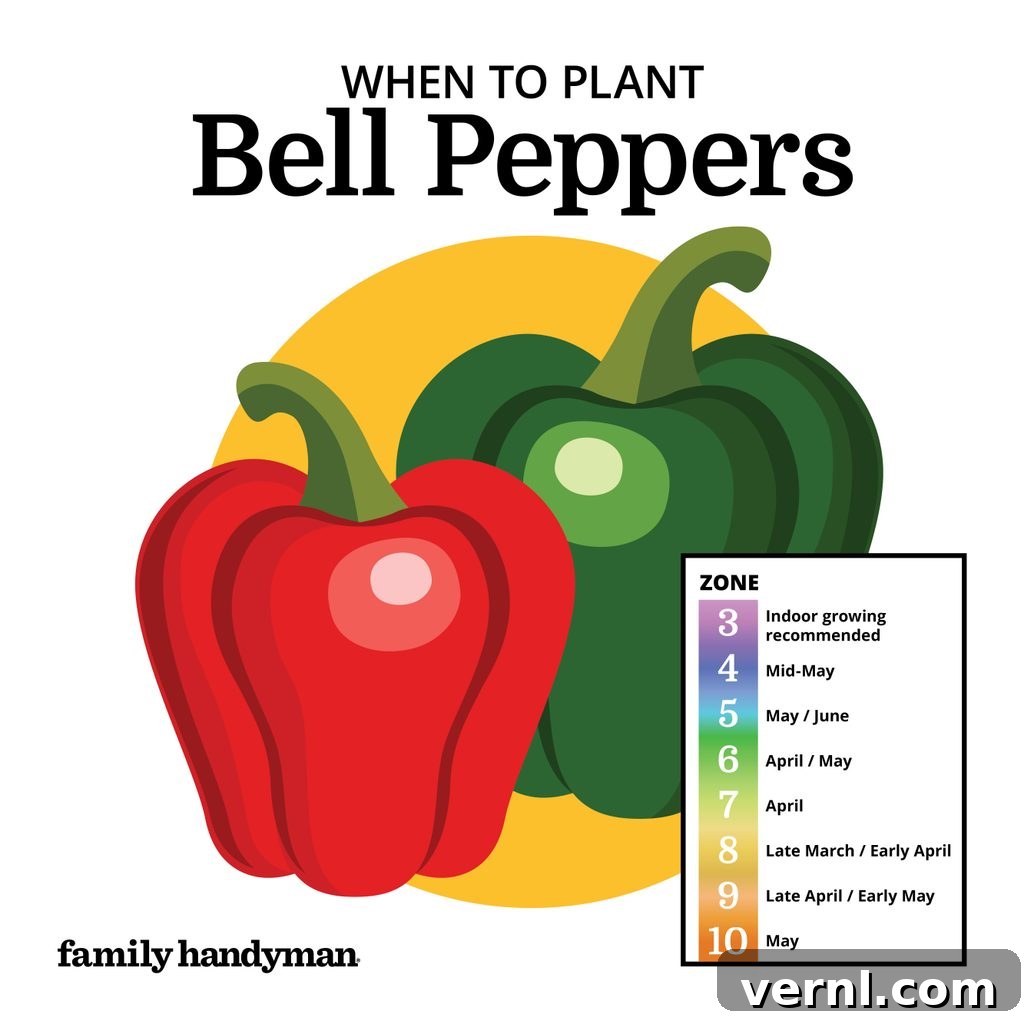
Peppers offer an extraordinary spectrum of flavors and spice levels, ranging from the pleasantly piquant kick of jalapeños to the scorching heat of ghost peppers. For those who prefer a gentler palate, mild sweet bell peppers provide a delicious and versatile option, appealing to even the least spice-tolerant of diners. Their vibrant colors and crisp texture make them a fantastic addition to salads, stir-fries, fajitas, and countless other dishes.
Bell peppers are warm-weather plants that demand ample sunshine and protection from cold. They should be planted outdoors after all risk of frost has vanished and the soil has warmed up, ideally to at least 65°F (18°C). In most zones, starting seeds indoors 8-10 weeks before the last frost date is recommended to give them a head start, as they have a relatively long growing season. Peppers flourish in full sun (6-8 hours daily) and rich, well-drained soil. Consistent watering is crucial, especially during flowering and fruit set. Mulching around the plants can help retain soil moisture and regulate temperature. Harvesting peppers when they reach their full color and size, while still firm, will encourage the plant to produce more throughout the summer.
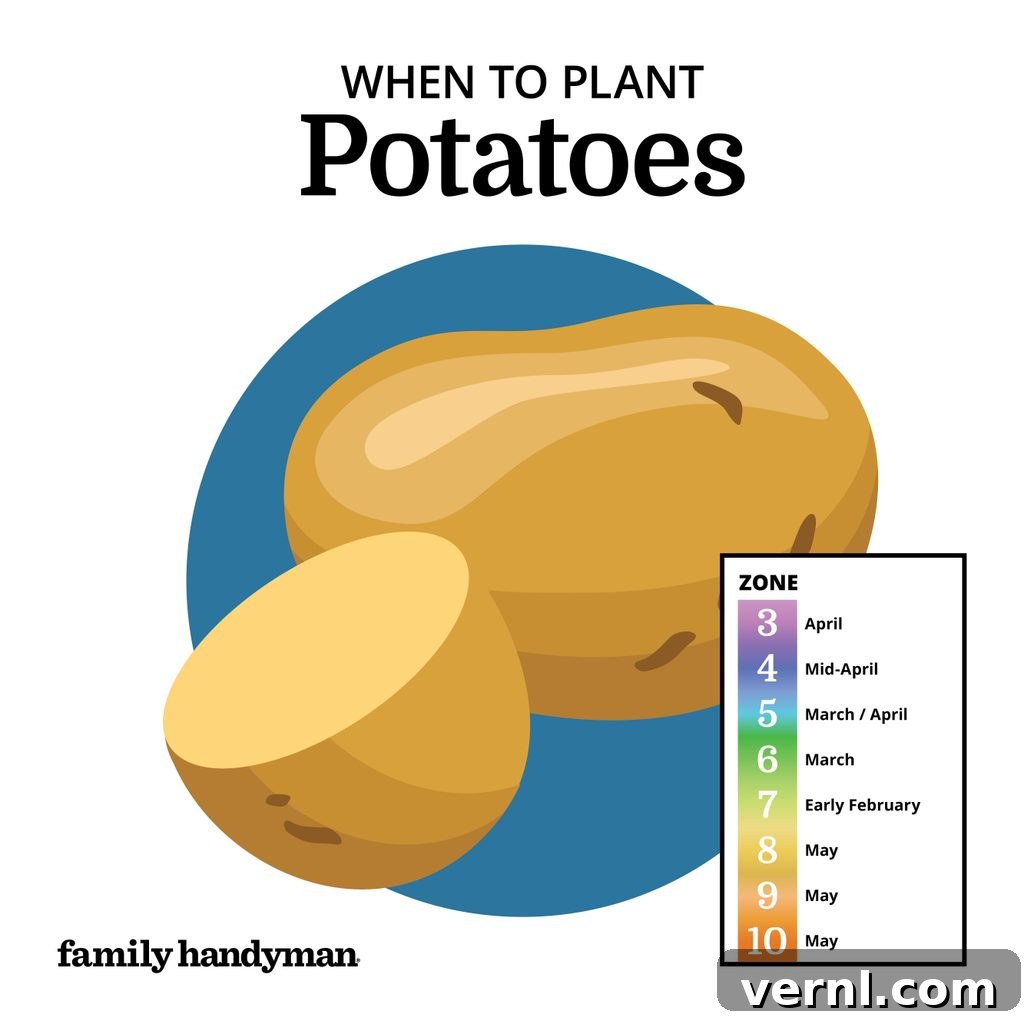
When to Plant Potatoes for Versatile Staples
Universally loved and incredibly versatile, the humble potato can elevate almost any meal, whether baked, fried, roasted, or mashed. Decked out with an array of toppings, a loaded potato can even stand proudly as a meal on its own. While generally considered an easy crop, it’s important to note that the optimal planting times for potatoes don’t always follow the conventional pattern typical of many other vegetables. This is particularly true for warmer climates.
Potatoes are cool-season crops that prefer moderate temperatures. In Zones 8 to 10, the intense summer heat can be detrimental to potato growth and tuber formation. For gardeners in these warmer regions, it’s often more advantageous to plant a little later in the season, or even aim for a fall planting, to allow the tubers to develop during cooler temperatures, ensuring a better harvest quality and yield. Plant seed potatoes (pieces of potato with “eyes” or sprouts) in well-drained, slightly acidic soil (pH 5.0-6.0) in full sun. Bury them 4-6 inches deep, and as the plants grow, “hill up” soil around the stems to encourage more tuber development and protect them from sunlight. Consistent moisture is vital, especially when tubers are forming. Harvest potatoes after the foliage dies back, allowing them to cure for optimal storage.
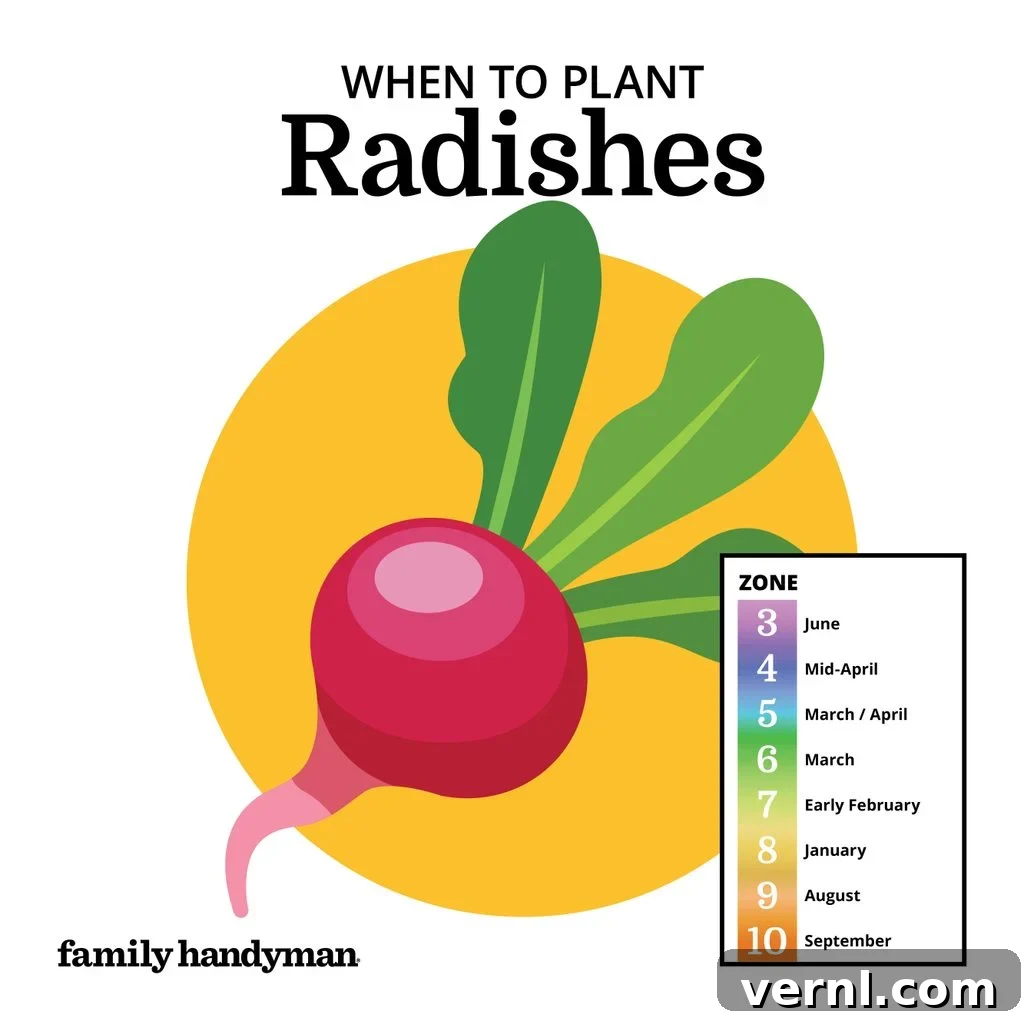
When to Plant Radishes for Quick Rewards
Radishes are another fantastic root vegetable, known for their rapid growth and, in some varieties, a delightfully peppery or pungent taste. Their quick maturity makes them an excellent choice for filling small sections of your garden, serving as a succession crop, or even as a first harvest for impatient gardeners! They are also perfect for teaching children about gardening due to their fast results.
Radishes are cool-season crops, thriving in temperatures between 50-65°F (10-18°C). They can be planted early in the spring as soon as the soil is workable, and again in the late summer or early fall for a second harvest. In Zones 9 & 10, the best planting time often shifts to later in the year, continuing through the fall and even into winter, as the cooler temperatures are more favorable. Radishes prefer full sun to partial shade and light, well-drained soil. Direct sow seeds 1/2 inch deep and 1 inch apart. Consistent moisture is key to preventing them from becoming woody or overly spicy. Harvest radishes promptly when they reach their mature size, usually within 3-4 weeks from planting, as leaving them in the ground too long can cause them to split or become pithy.
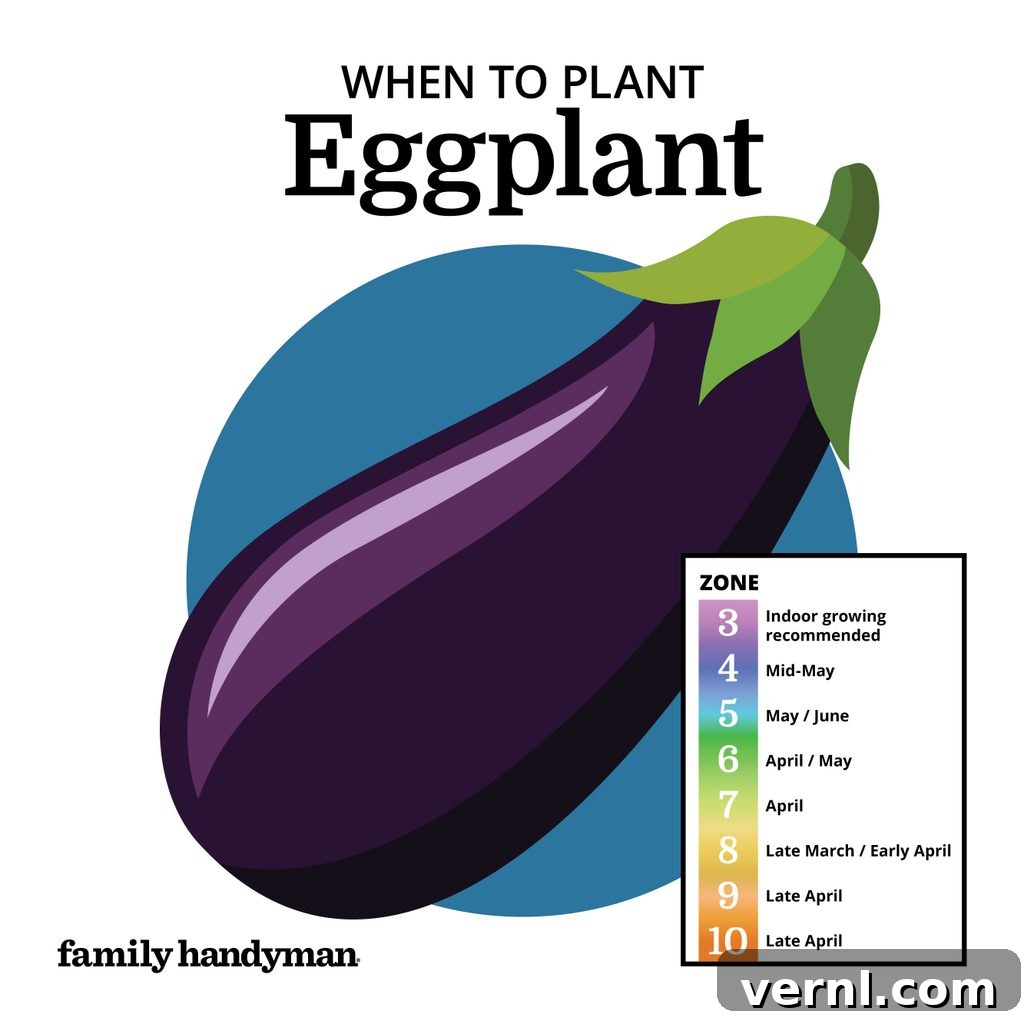
When to Plant Eggplant for Hearty Dishes
These striking, large vegetables, often recognized for their deep purple hue but also available in white, striped, and even green varieties, lend themselves beautifully to a wide array of robust recipes. Eggplant is a star ingredient in dishes requiring substance and flavor, such as moussaka, ratatouille, and especially eggplant lasagna. Their unique texture and ability to absorb flavors make them a culinary delight.
Eggplant is a warm-season crop, even more heat-loving than its relatives tomatoes and peppers. It requires a long, warm growing season to produce abundantly. Therefore, many gardeners, especially those in cooler climates with shorter summers, prefer to start eggplant plants as indoor seedlings 8-10 weeks before the last anticipated frost date. They should only be transplanted outdoors when all danger of frost has passed and night temperatures consistently remain above 55°F (13°C), with soil temperatures ideally above 70°F (21°C). Eggplant needs full sun and well-drained, fertile soil. Consistent watering and adequate fertilization are crucial throughout their extended growing period. Provide support to plants as they become heavy with fruit. Harvest eggplants when they are firm and glossy, typically 60-80 days after transplanting, as leaving them on the plant too long can result in bitterness.
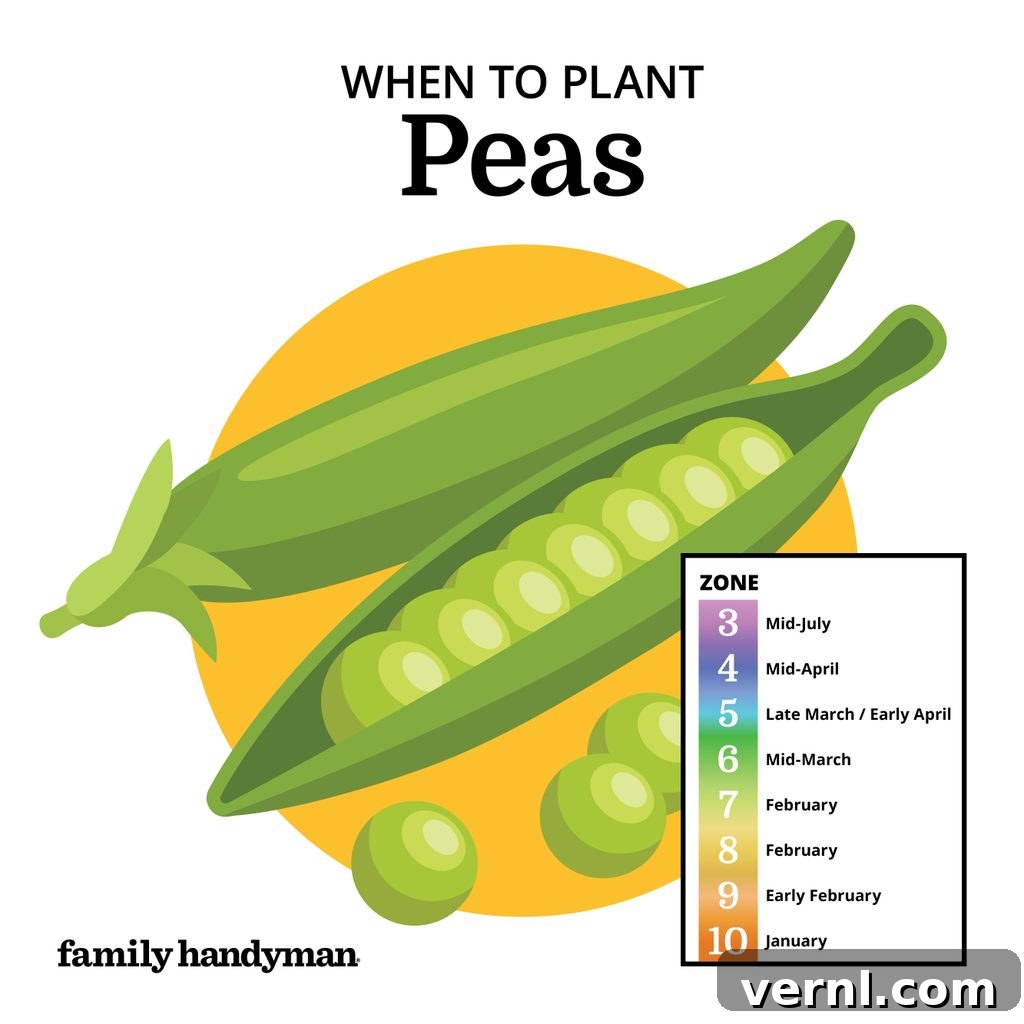
When to Plant Peas for Nutrient-Rich Goodness
Sweet, tender peas are not just a delicious addition to meals; they are also packed with essential vitamins and protein. A single serving of peas can boast as much vitamin C as two apples and as much protein as a large egg, making them a nutritional powerhouse. They are incredibly versatile, freezing easily for off-season enjoyment, and a handful can effortlessly liven up almost any dish, from stir-fries and pasta to casseroles and soups.
Peas are classic cool-season crops, thriving in mild temperatures. They are among the first vegetables that can be planted in the spring, often as soon as the soil can be worked, even before the last frost date, as they can tolerate light frosts. In warmer climates, they can also be planted in the fall for a winter harvest. Peas require full sun and well-drained soil with a pH between 6.0 and 7.5. Direct sow seeds about 1 inch deep and 2 inches apart. Most pea varieties, especially shelling and snow peas, benefit greatly from a trellis or support system to climb, which keeps the vines tidy and improves air circulation, reducing disease risk. Consistent moisture is important, particularly during flowering and pod development. Harvest peas when the pods are plump and green, but before the peas inside become too hard.
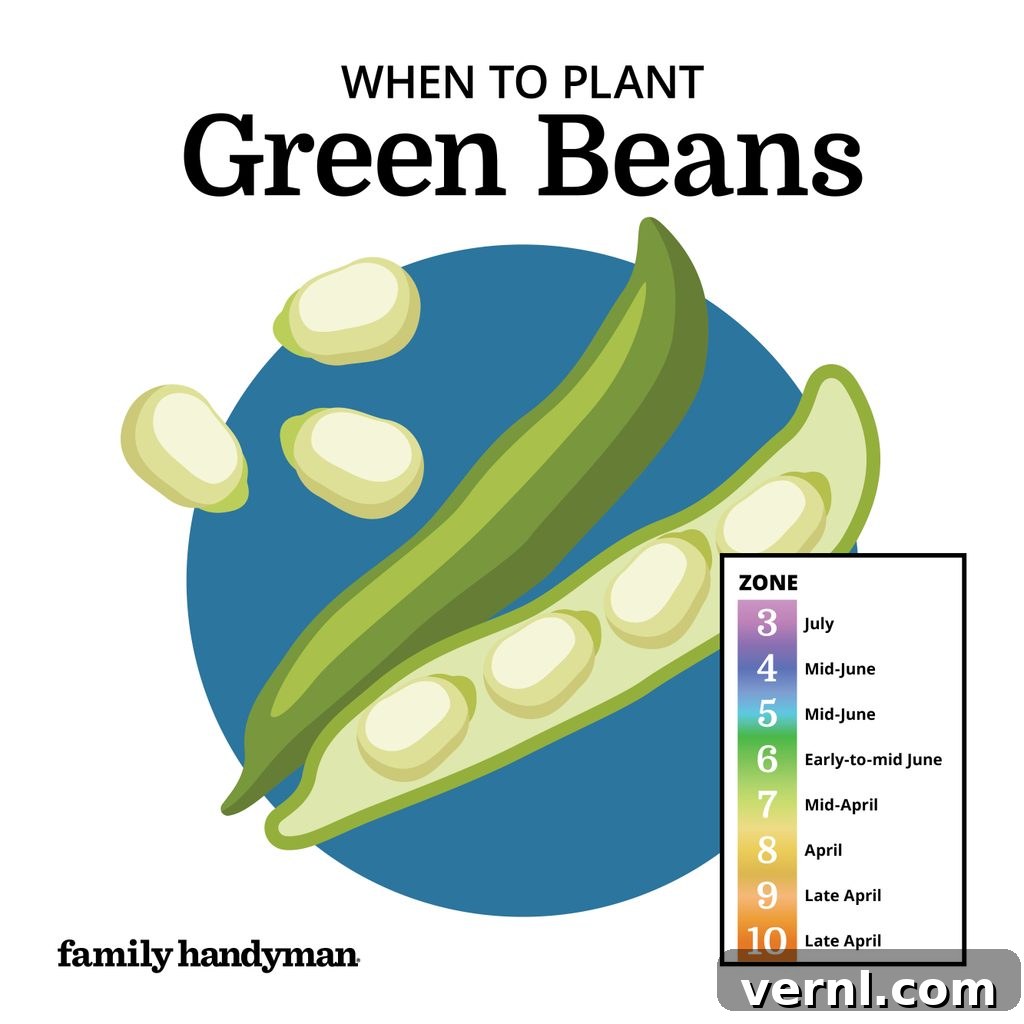
When to Plant Green Beans for a Garden Classic
Hardy, dependable, and incredibly rewarding, green beans are a quintessential garden classic. Known for their crisp texture and fresh flavor, they are a favorite among home gardeners due to their relative ease of growth and abundant yields. Green beans are available in various forms, primarily as bush varieties, which are compact and suitable for smaller spaces, or pole varieties, which grow vertically and require support, making efficient use of garden real estate.
Green beans are warm-season plants that are sensitive to frost. They should be planted after all danger of frost has passed and the soil has warmed to at least 60°F (16°C). Direct sowing seeds is the most common method; plant them about 1 inch deep and 3-6 inches apart, depending on the variety. They prefer full sun and well-drained soil with a pH between 6.0 and 7.0. While relatively drought-tolerant once established, consistent moisture is vital during flowering and pod formation for optimal production. Mulching can help retain soil moisture and suppress weeds. Harvesting beans frequently, every few days, encourages the plant to produce more, ensuring a continuous supply throughout the summer. Bush beans typically yield their crop over a shorter period, while pole beans offer a longer, more extended harvest.
General Planting Tips for a Thriving Garden
Beyond specific planting times, several universal gardening practices will contribute significantly to your success:
- Know Your Soil: Healthy soil is the foundation of a productive garden. Consider a soil test to understand its composition and nutrient levels. Amend your soil with organic matter like compost to improve drainage, water retention, and fertility.
- Sunlight is Key: Observe your garden throughout the day to determine which areas receive full sun (6-8+ hours), partial sun (4-6 hours), and shade. Match plants to their appropriate light requirements.
- Consistent Watering: Most vegetables require consistent moisture, especially during germination, flowering, and fruiting. Deep watering is generally better than shallow, frequent sprinkles, encouraging deeper root growth. Drip irrigation or soaker hoses can be highly efficient.
- Understand Frost Dates: Your local last spring frost date and first fall frost date are critical for planning. These dates dictate when it’s safe to plant tender crops and when you need to protect or harvest fall crops.
- Mulch for Success: Applying a layer of organic mulch (like straw, wood chips, or shredded leaves) around your plants helps retain soil moisture, suppress weeds, and regulate soil temperature.
- Crop Rotation: Avoid planting the same crop in the same spot year after year. Rotating crops helps prevent the buildup of soil-borne diseases and pests, and balances nutrient usage.
- Pest and Disease Management: Regularly inspect your plants for signs of pests or diseases. Early detection and organic solutions, like neem oil or insecticidal soap, can often prevent major infestations. Companion planting can also naturally deter certain pests.
FAQs: Your Garden Questions Answered
What are the easiest vegetables to grow for beginners?
According to gardening expert Edwin Dysinger, several vegetables are particularly forgiving and rewarding for new gardeners. These include radishes, which mature incredibly fast, lettuce, carrots, beans, cucumbers, kale, broccoli, and cabbage. Dysinger specifically highlights, “Cucumbers are vigorous growers that produce abundantly, making them very satisfying for beginners.” These plants generally have good germination rates and are relatively tolerant of minor fluctuations in growing conditions.
Can I grow vegetables out of season?
Yes, absolutely! Extending your growing season or cultivating vegetables out of their traditional outdoor window is entirely possible. One popular method is to grow them indoors. As Dysinger advises, “The primary concern if you do try to grow out of season indoors will be lighting, and that may be costly depending on your setup.” However, he adds, “But if you have a nice south facing window with full sun throughout the day, you may be able to get by without extra lighting.” Beyond indoor growing, outdoor season extension techniques like cold frames, hoop houses, row covers, and low tunnels can protect plants from early frosts and allow you to plant earlier in spring or harvest later into fall.
How do I prepare my garden soil for planting?
Preparing your garden soil is one of the most crucial steps for success. Start by clearing any weeds or debris. Next, consider conducting a soil test to understand its pH and nutrient levels. Incorporate generous amounts of organic matter, such as compost, well-rotted manure, or leaf mold, into the top 6-12 inches of soil. This improves soil structure, drainage, and fertility. For heavy clay soils, organic matter helps loosen it; for sandy soils, it improves water retention. Gently loosen compacted soil with a broadfork or shovel, avoiding excessive tilling which can harm soil structure and beneficial microbes.
What is companion planting?
Companion planting is the practice of growing different plants in close proximity for mutual benefit. This can include deterring pests (e.g., marigolds repel nematodes, onions deter carrot rust flies), attracting beneficial insects (e.g., dill and parsley attract predatory wasps), improving soil nutrients (e.g., legumes fix nitrogen), enhancing growth (e.g., corn, beans, and squash, known as the “Three Sisters”), or providing physical support or shade. While not all companion planting theories are scientifically proven, many gardeners find it a valuable organic strategy for a healthier, more productive garden.
About the Expert
- Edwin Dysinger is a highly respected gardening expert and the co-founder of Seedtime—an innovative gardening and farming app. Seedtime allows users to visually plan their garden layout in mere minutes and with just a few clicks, automatically tailoring recommendations based on their specific local growing area and conditions.