
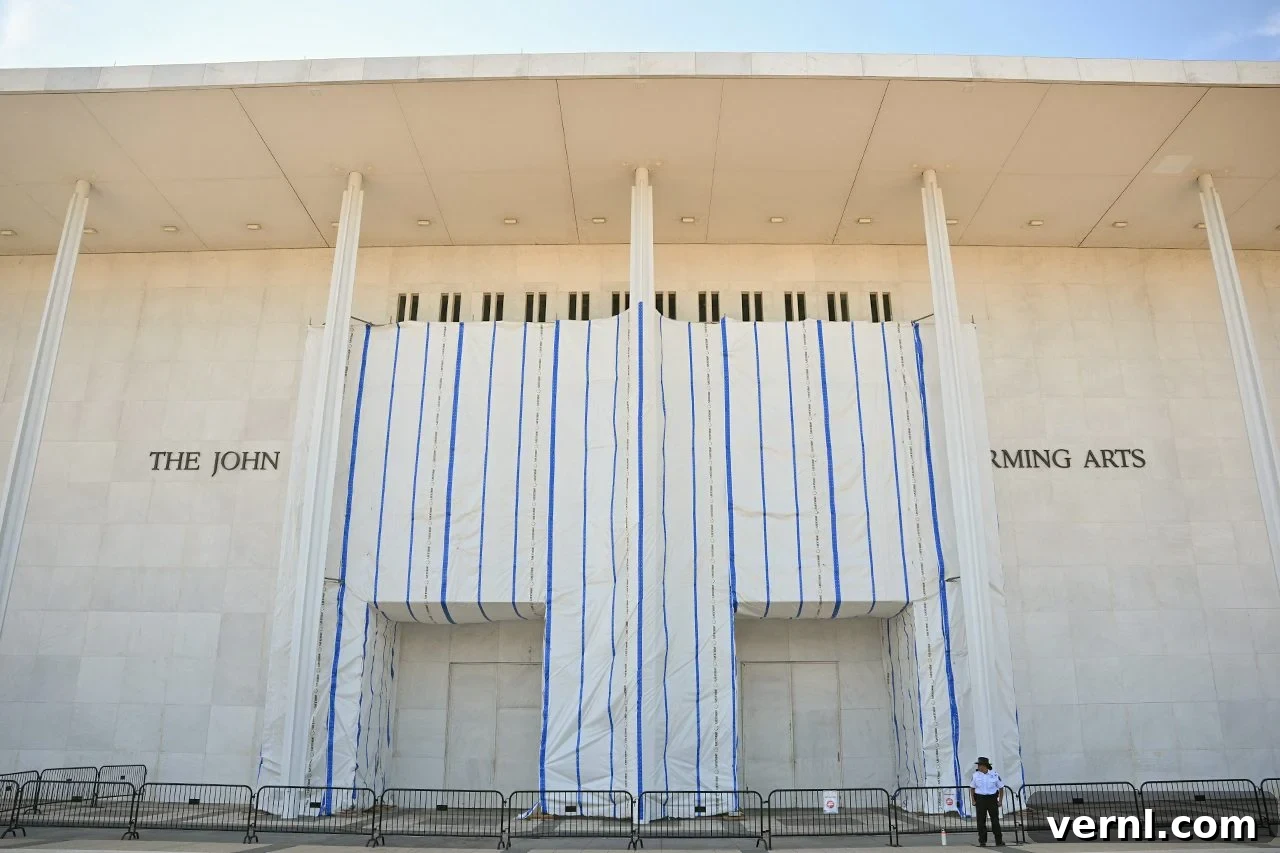
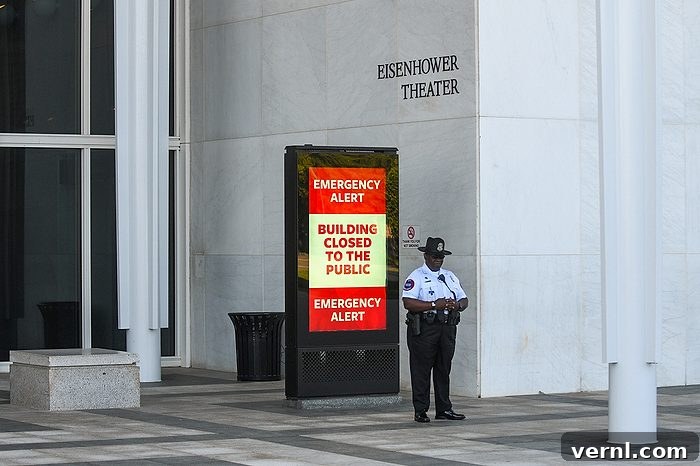
After more than five decades as a showcase for American performing arts, the Kennedy Center for the Performing Arts was recently closed for renovations. The administration has since proposed a full rebuild instead of refurbishment, prompting a public conversation about when renovation makes sense and when demolition is the more practical option. That debate is not unique to landmark projects — homeowners face the same dilemma when deciding whether to repair an aging house or start over.
“I sit with homeowners regularly who’ve already gotten two or three contractor opinions and still don’t know whether to fix what they have or start over,” says contractor Dylan Milroy. “That uncertainty is expensive.”
Below, structural engineers and contractors explain the key factors they use to decide when to repair buildings and when demolition and rebuilding are the better paths.
The Scope of Kennedy Center Renovations
Details of the full renovation plan have not been fully disclosed, but public statements and internal documents indicate proposals for substantial upgrades: modernized HVAC systems, electrical and safety improvements, new seating and carpeting, targeted painting and cosmetic updates, and reflooring of performance stages. The initial timeline anticipates about two years of work, and Congress has allocated significant funding toward the project. That complex and costly scope illustrates how quickly retrofit estimates can balloon when addressing major systems and public-venue standards.
Repair or Demolish: How Experts Decide
Decisions about repair versus demolition hinge primarily on three things: the condition of the foundation, the integrity of structural framing, and whether major building systems can be updated to meet current codes. If a structure’s core elements — its “bones” — are sound, repairs and targeted upgrades are often the most economical option.
Architectural engineer Andy Gibbs notes that total reconstruction is rarely necessary unless there is a compelling financial or site-specific reason. “Unless you’re doing a high-end teardown to build a dramatically different structure, fixing failed or obsolete portions usually makes more financial sense than demolishing everything,” he says.
Many professionals reference a practical benchmark known as the “50% rule”: if repair costs exceed roughly 50% of the structure’s replacement value, demolition and rebuilding often become the rational choice. “Professionals don’t guess when it comes to repair versus demolish decisions,” says contractor Kameron Khan. “That number gives you a clear line in the sand and it applies to everything from a single-family home to a large cultural building.”
Warning Signs It May Be Time to Demolish
Some issues indicate systemic failure rather than routine maintenance. Consider demolition if you see:
- deep or widespread foundation cracks;
- heaving, sinking, or shifting soil around the foundation;
- sagging rooflines or floors;
- floors that slope more than 1 inch over 8 feet;
- rotted load-bearing timbers;
- widespread or entrenched mold;
- large-scale plumbing corrosion;
- severe, recurring water damage; or
- ongoing, major repairs that never fully resolve problems.
“Those are not maintenance issues,” Khan explains. “They are signs of compounding deterioration that push a project into the 50% conversation.”
Another critical factor is code compliance. Renovations that trigger mandatory upgrades to meet current building codes can dramatically increase costs. Depending on jurisdiction, bringing a structure up to modern standards may require improved insulation, accessibility upgrades (ADA), enhanced fire protection, or even seismic retrofits. When required upgrades cascade, renovating can become prohibitively expensive.
“When a building’s major systems are so outdated that updates trigger a cascade of mandatory code overhauls, you end up throwing good money after bad,” says general contractor Mikko Pasanen.
When Repairs Still Make Sense
When foundation, load-bearing walls, and roof framing remain structurally sound, repairs and upgrades are usually worthwhile. Cosmetic improvements, new windows and doors, and replacement of mechanical systems (plumbing, electrical, HVAC) can extend a building’s useful life at a lower total cost than full replacement.
Historic structures often merit special consideration: they carry craftsmanship, cultural value, and architectural details that are difficult or impossible to recreate. In those cases, preservation may justify higher repair costs. “Historic buildings possess unique qualities and history,” says home renovator Herman Hartanto. “Even when repairs are costly, preserving character can be worth it.”
How This Applies at Home Scale
Single-family homes follow the same basic rules as larger buildings: sound structural bones typically favor renovation. A qualified structural engineer can assess foundation and framing to identify whether a house is a repair candidate. For older homes, a detailed budget is essential because addressing hidden problems often requires opening walls and ceilings.
“Gutting to the studs can be the smartest form of renovation because it exposes hidden problems and lets every trade work faster and correctly,” Gibbs advises.
The Takeaway
Ultimately, the decision to renovate or to demolish and rebuild rests on a careful assessment of structural condition, the cost of repairs relative to replacement, and the impact of code upgrades. Age alone does not determine the answer. A well-built, older structure with a sound foundation may be far more economical to repair than a younger building suffering from persistent water intrusion and structural decay.
About the Experts
- Andy Gibbs — Architectural engineer, builder, inventor and remodeler with decades of hands-on design and construction experience. He is president of RemodX and author on remodeling best practices.
- Dylan Milroy — Licensed contractor experienced in residential and commercial construction and co-owner of Better Basements & Waterproofing in Oregon City, Oregon.
- Mikko Pasanen — General contractor working on residential, commercial and government projects through his company, Miko LLC, based in Phoenix, Arizona.
- Herman Hartanto — Home renovator and founder of a company that rehabilitates homes for resale, often working with properties that require significant repairs.
- Kameron Khan — Contractor who works directly with homeowners to assess salvageable structures and those beyond practical repair.