
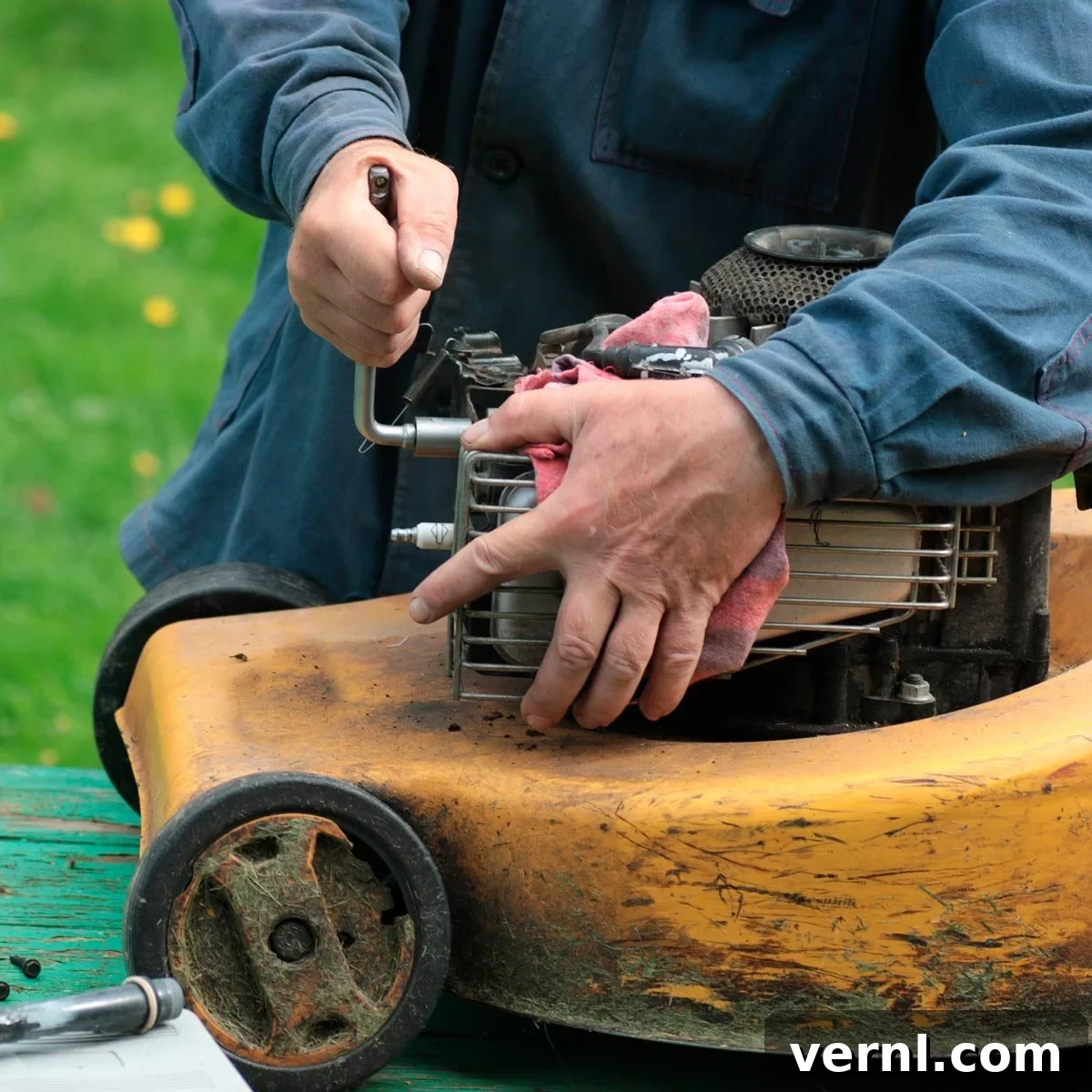
Comprehensive Guide to Lawn Mower Repair, Maintenance, and Replacement
It’s a common sight: a seemingly “broken” lawn mower relegated to the corner of a garage or, worse, sent to the scrap heap. For many homeowners, a mower that refuses to start or requires more than a simple fuel top-up is quickly deemed beyond repair. However, this often leads to unnecessary expenses and environmental waste. The reality is, a significant number of common lawn mower problems are relatively minor, easily fixable with a little DIY effort, and far more cost-effective than purchasing a brand-new machine, which can run into hundreds or even thousands of dollars.
Understanding the basics of lawn mower repair and maintenance can empower you to troubleshoot issues, extend the life of your equipment, and save a substantial amount of money. This comprehensive guide will walk you through identifying common problems, performing essential DIY maintenance, and helping you decide when it’s truly time to replace your trusty mower.
Diagnosing Common Lawn Mower Problems: What’s Wrong with Your Machine?
Many lawn mower problems are not as intimidating as they might seem. With a systematic approach, you can often pinpoint the issue and perform the necessary repairs yourself. Let’s explore some of the most frequent culprits behind a malfunctioning mower:
Minor Issues You Can Fix Yourself
- Fouled or Damaged Spark Plug: A carbon-coated or faulty spark plug is a frequent cause of hard starting or an engine that sputters. This small component is crucial for igniting the fuel-air mixture. Over time, carbon deposits can build up, preventing a strong spark. Checking and cleaning or replacing a spark plug is one of the simplest and cheapest lawn mower repairs.
- Old or Stale Gasoline: Gasoline can degrade over time, especially when left in the tank for extended periods. Ethanol in modern fuels can also attract moisture, leading to phase separation and corrosion. Old or contaminated fuel can clog the fuel lines and carburetor, making your mower impossible to start. Always use fresh fuel and consider a fuel stabilizer for storage.
- Clogged Carburetor: The carburetor mixes air and fuel in the correct proportions for combustion. If old fuel leaves gummy deposits, or if debris enters the fuel system, the carburetor jets can become plugged. A clogged carburetor often results in an engine that won’t start, runs rough, or stalls frequently. Cleaning it can often resolve these issues.
- Damaged or Loose Cables, Belts, and Pull Cords: From the throttle cable to the drive belt on a self-propelled mower, these components are subject to wear and tear. A frayed pull cord will eventually snap, while a worn or loose drive belt can prevent the self-propel feature from working. Replacing these parts is usually straightforward and requires minimal tools. Always ensure your mower is off and the spark plug wire is disconnected before working near blades or belts.
- Dirty Air Filter: A clean air filter is essential for proper engine function. A clogged filter restricts airflow, leading to a rich fuel mixture, reduced power, increased fuel consumption, and potentially a hard-starting engine. Replacing or cleaning the air filter is a quick and inexpensive maintenance task.
More Serious Problems Requiring Professional Attention or Replacement
While many issues are DIY-friendly, some problems indicate more significant damage that might be prohibitively expensive to fix, or even beyond repair:
- Bent Crankshaft: This is often caused by hitting a solid object like a rock, tree root, or curb. A bent crankshaft can lead to excessive vibration, damage to internal engine components, and makes the mower unsafe and unusable. Repairing a bent crankshaft is usually very costly and often requires an engine replacement, making a new mower a more sensible option.
- Cracked Mower Deck or Body: Dropping the mower or severe impact can crack the deck, compromising its structural integrity and potentially exposing moving parts, creating a safety hazard. While some minor cracks might be repaired, extensive damage often means the mower needs to be replaced.
- Internal Engine Problems: Issues such as connecting rod failure, piston damage, or significant cylinder wear can result in symptoms like excessive smoke, knocking sounds, or complete engine seizure. These repairs typically involve a complete engine rebuild or replacement, which is often uneconomical for most standard lawn mowers.
If your lawn mower won’t start, the first step is to go through a systematic troubleshooting checklist. This helps you narrow down the potential issues and determine whether it’s a simple fix or something more serious that warrants professional evaluation or replacement.
When to Replace Your Lawn Mower: Repair vs. New Investment
The decision to repair an old mower or invest in a new one can be challenging. When more substantive problems develop, particularly the serious issues mentioned above, you must weigh the costs and benefits. Several factors influence this decision:
Considering the Age and Initial Cost of Your Mower
- Age of the Mower: If your lawn mower is old, say more than a decade, it might be time to think about a new purchase. Modern mowers have become significantly more efficient, environmentally friendly, and feature-rich over the years. Newer models often offer improved ergonomics, easier starting mechanisms, and better cutting performance, providing clear benefits over an aging machine. The lifespan of a typical push mower is 7-10 years, while a well-maintained riding mower can last 10-15 years or more.
- Original Investment: How expensive was your mower to begin with? If you purchased a budget push mower for under $200, a repair bill exceeding $75-100 might make a new model a more sensible choice. The “50% rule” is a good guideline: if the cost of repair approaches or exceeds 50% of the price of a comparable new mower, it’s often more economical to buy new.
The Case for Riding Mowers
Riding mowers, of course, represent a different category. With reliable models often starting in the neighborhood of $1,500 and going much higher, repairs costing several hundred dollars are frequently a worthwhile investment. Major components like a new transmission or deck assembly can be costly but still cheaper than a full replacement. However, if your riding mower’s engine needs to be replaced entirely, the cost can easily rival that of a new machine, making replacement a more logical decision. Consistent riding lawn mower maintenance and timely repair steps are key to ensuring these substantial investments provide years of reliable service.
Buying a New Lawn Mower: Making the Right Choice
If you’ve decided a new mower is in order, research is crucial. The market offers a vast array of options, and choosing the right one depends heavily on your specific needs:
- Yard Size and Terrain:
- Small Yards (up to 1/4 acre): A basic push mower (manual reel, electric corded, or battery-powered) is often sufficient and economical.
- Medium Yards (1/4 to 1/2 acre): Self-propelled gas or battery-powered walk-behind mowers offer a good balance of power and convenience, especially if you have some slopes.
- Large Yards (1/2 acre or more) or Uneven Ground: Riding mowers, including lawn tractors or zero-turn mowers, are ideal for reducing mowing time. For yards with significant inclines or rough terrain, look for models designed for stability and power.
- Power Source:
- Gas Mowers: Offer the most power and run time, suitable for larger yards. Require more maintenance (oil changes, fuel stabilizers) and produce emissions.
- Electric Corded Mowers: Lightweight, quiet, and emissions-free. Limited by cord length, best for smaller yards.
- Battery-Powered Mowers: Quiet, emissions-free, and cordless. Run time depends on battery capacity, suitable for small to medium yards. Batteries and chargers can add to the initial cost.
- Features: Consider options like bagging or mulching capabilities, adjustable cutting heights, deck size, and ease of starting (electric start vs. pull cord).
When Is the Best Time to Buy a New Lawn Mower?
Timing your purchase can lead to significant savings. As a general rule, the best times to buy a lawn mower are during the shoulder seasons:
- Early Spring (February and March): Retailers often introduce new models and run “pre-season” deals to attract buyers before the peak mowing season begins.
- Fall (September through November): As the mowing season winds down, stores clear out remaining inventory to make space for winter equipment and next year’s models. This is an excellent time to find deals on mowers, especially high-end models, as days get shorter and demand decreases.
Regardless of the season, start by researching the type of machine, as well as specific mower brands and models that fit your needs. Then, keep a keen eye out for sales, promotions, and end-of-season clearances.
Essential Lawn Mower Maintenance Tasks You Can Do Yourself
An ounce of prevention is truly worth a pound of cure when it comes to lawn mowers. Regular maintenance can prevent many common problems, ensure efficient operation, and significantly extend the life of your machine. Experts recommend incorporating these tasks into your routine. Here’s a complete lawn mower maintenance checklist:
1. Change the Air Filter
A clean air filter is paramount for maintaining the proper fuel-to-air ratio, which allows the engine to burn fuel efficiently and deliver maximum power. A clogged filter starves the engine of air, leading to reduced performance and increased fuel consumption. Changing the air filter is incredibly easy: consult your mower’s manual (or the manufacturer’s website) to determine the correct filter type for your specific model. Inspect it regularly; if it’s noticeably dirty or clogged, replacement is usually the best and most cost-effective option.
2. Inspect and Clean/Replace the Spark Plug
The spark plug’s role is critical for engine ignition. When spark plugs start to fail, get dirty, or are incorrectly gapped, your engine will likely sputter, run rough, or refuse to start altogether. Before your first cut of the season, remove the spark plug (after disconnecting the spark plug wire for safety) and inspect it for carbon buildup, oil fouling, or electrode damage. You can clean light carbon deposits with a wire brush, but if it’s heavily fouled or damaged, it’s best to replace the spark plug. This simple task costs around $5 and can dramatically improve engine performance.
3. Sharpen Your Lawn Mower Blade
Dull blades don’t cut; they tear the grass, leading to ragged edges that stress the lawn and make it more susceptible to disease. A sharp blade, conversely, provides a clean cut that promotes healthier grass recovery and a more aesthetically pleasing lawn. Another practical benefit of sharp blades is reduced mowing time and less strain on your mower’s engine. For optimal results, aim to sharpen your lawn mower blade at least twice a year, typically at the beginning and middle of the mowing season. Tools like the Sharpal Knife Sharpener can make this job quick and easy, but always ensure the blade is balanced after sharpening to prevent excessive vibration. Remember to disconnect the spark plug wire before handling the blade!
4. Change the Oil in Your Lawn Mower
Regular oil changes are crucial for the longevity and efficient operation of your engine. Engine oil lubricates moving parts, reduces friction, and helps dissipate heat. Over time, oil breaks down and collects contaminants, losing its effectiveness. Changing your lawn mower’s oil once per season, or every 50 hours of operation, whichever comes first, is a widely recommended practice. Many homeowners prefer to perform this task at the end of the season, when it’s time to winterize the lawn mower, ensuring fresh oil for storage.
5. Add a Fuel Stabilizer or Drain the Fuel for Storage
One of the most essential steps for winterizing a lawn mower, or for any extended period of inactivity, is managing the fuel. Modern gasoline can degrade quickly, attracting moisture and forming gummy deposits that can clog the fuel system. Adding a high-quality fuel stabilizer at the end of the mowing season helps prevent this degradation, keeping the gas fresh and ensuring easier starting next spring. As an alternative, especially if your mower will be stored for many months, you can simply drain all the gas out of the mower entirely to prevent any fuel-related issues.
6. Clean Under the Mower Deck
Grass clippings can accumulate on the underside of the mower deck, especially in damp conditions. This buildup can reduce cutting efficiency, promote rust, and create an imbalanced blade, leading to unnecessary strain on the engine. Regularly scraping off dried grass and debris will keep your deck clean and improve cutting performance. Always disconnect the spark plug wire and ensure the fuel tank is nearly empty if tipping the mower for cleaning.
7. Check and Clean/Replace the Fuel Filter
If your mower has a fuel filter, it’s designed to trap debris and contaminants before they reach the carburetor. A clogged fuel filter can restrict fuel flow, leading to poor engine performance or the mower not starting. Check your manual for its location and recommended replacement interval. Replacing a fuel filter is a quick and inexpensive task that can prevent more serious fuel system issues.
By regularly performing these simple DIY maintenance tasks, you can significantly extend the life of your lawn mower, ensure it runs efficiently, and save yourself the headache and expense of more serious repairs or premature replacement. Taking a proactive approach to lawn mower care is an investment that truly pays off.