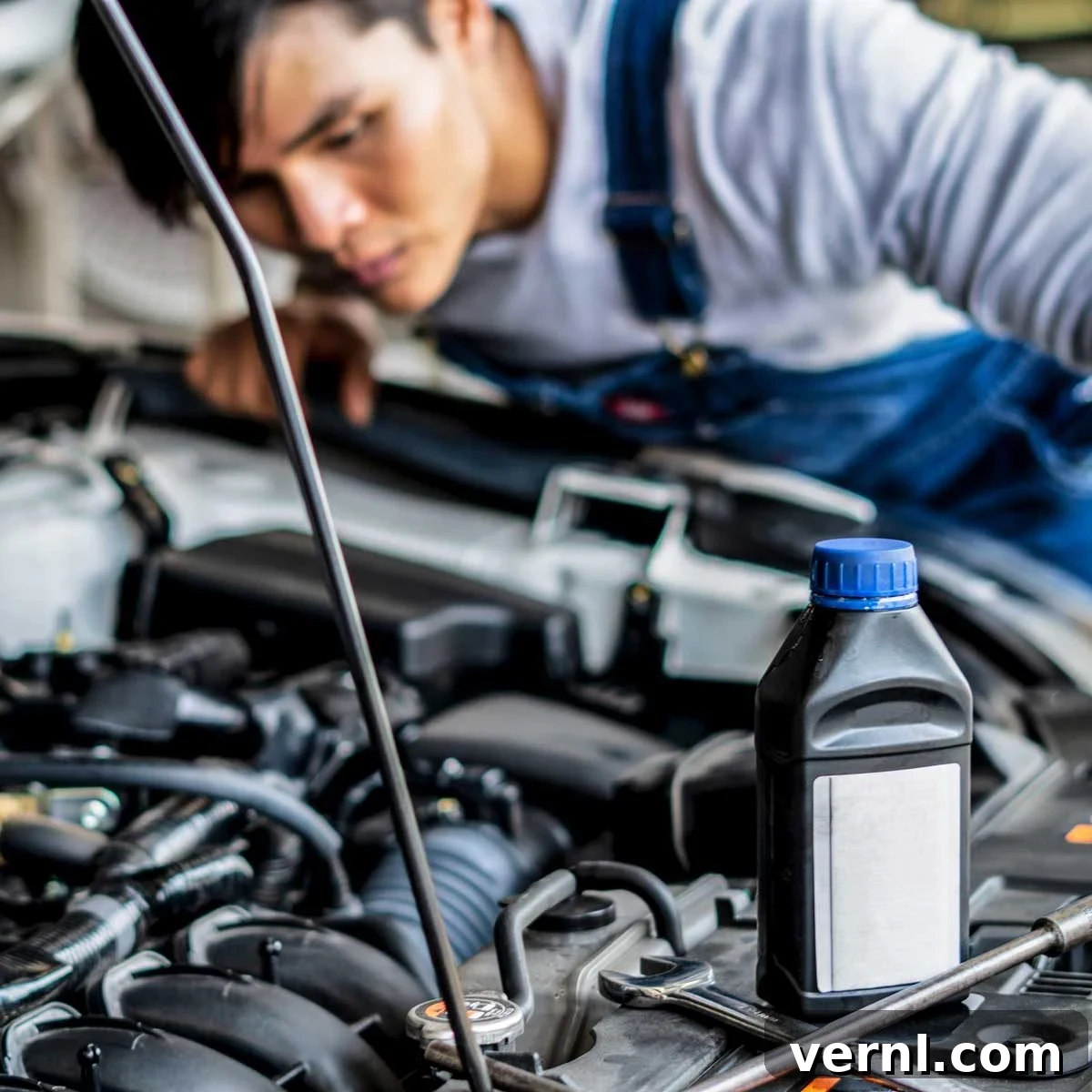
Every diligent DIYer, whether maintaining a car, lawn mower, recreational vehicle, or hydraulic system, inevitably faces the challenge of used oil disposal. These various machines produce dirty, petroleum-based lubricants that demand careful collection and responsible transportation to an approved recycling facility. While this might initially sound like a cumbersome task, the process is far more straightforward than many anticipate, especially with proper planning and readily available transport containers. As Duane “Doc” Watson, a technical trainer at Bosch Mobility Aftermarket, explains, “Getting rid of old oil is easier than most people think. Most auto parts stores and service centers will take it for free as long as it’s in a sealed container.” This guide provides comprehensive advice on how to properly and safely dispose of your used motor oil, ensuring environmental protection and compliance with regulations.
The Critical Importance of Motor Oil Recycling
Recycling used motor oil is not merely a suggestion; it’s an environmental imperative. Even seemingly small quantities of motor oil can inflict significant damage on the environment, posing severe threats to ecosystems, wildlife, and human health. The U.S. Environmental Protection Agency (EPA) highlights a startling fact: the used oil from a single oil change has the potential to contaminate one million gallons of fresh water. This contamination can render water undrinkable and harmful to aquatic life, disrupting entire ecosystems for extended periods. Furthermore, the EPA points out that used oil often contains a cocktail of toxic chemicals and heavy metals, such as lead, zinc, cadmium, and arsenic, which are known carcinogens and neurotoxins that can severely impact the health of both people and animals exposed to them.
Beyond preventing pollution, recycling motor oil offers substantial benefits by transforming a hazardous waste product into a valuable resource. Recycled oil undergoes a sophisticated re-refining process that effectively cleanses it of contaminants, making it suitable for reuse in vehicles and other applications. In fact, rigorous EPA lab testing has demonstrated that re-refined oil can, in certain situations, meet or even surpass the performance standards of virgin oil. This reclamation process not only diverts spent oil from landfills and waterways but also dramatically reduces the demand for new crude oil extraction. Consider the remarkable efficiency: while it takes 42 gallons of crude oil to produce just 2-1/2 quarts of refined virgin motor oil, the same quantity of engine-ready product can be created from a mere one gallon of used oil through re-refining. This process also consumes significantly less energy compared to refining crude oil, contributing to a substantial reduction in carbon emissions and fostering a more sustainable circular economy.
Step-by-Step Guide to Proper Oil Disposal
Adhering to a proper procedure for disposing of old motor oil is crucial for both environmental safety and your personal convenience. Follow these steps meticulously:
- Prepare Your Workspace and Prevent Spills: Before you begin changing oil, lay down a durable tarp, a large oil drip pan, or a thick layer of absorbent paper. This protective barrier is vital for catching any accidental drips or spills, preventing stains on your driveway or garage floor, and more importantly, ensuring that hazardous oil does not leach into the ground or enter storm drains. Opt for heavy-duty plastic tarps or specialized absorbent pads designed for automotive fluids.
- Perform the Oil Change: Proceed with changing the oil and filter in your vehicle, equipment, or tool as you normally would, ensuring the used oil is collected in a suitable drain pan. Allow ample time for all the old oil to drain thoroughly from the engine or system.
- Prevent Contamination: One of the most critical aspects of successful oil recycling is keeping the used motor oil pure. Do your utmost to avoid contaminating it with any other liquids or substances. This includes antifreeze, brake fluid, solvents, paint, gasoline, or even water. Contaminated oil becomes significantly more difficult, if not impossible, to re-refine and may be rejected by recycling facilities, classifying it instead as hazardous waste that requires more complex and costly disposal methods.
- Drain the Old Oil Filter: Your old oil filter contains a surprising amount of residual oil, often several ounces. To minimize waste and prepare the filter for recycling, puncture the dome of the old oil filter. Use a specialized oil filter wrench or a screwdriver to create a hole, then invert the filter over your oil pan and allow it to drain thoroughly for at least 24 hours. This step maximizes oil recovery and reduces the hazardous content of the filter.
- Seal and Recycle the Filter: After draining, place the used oil filter in a sturdy, sealable plastic bag to prevent any remaining oil from leaking. Since filters still contain trace amounts of oil and metals, they should be recycled along with your used motor oil. Many collection facilities that accept used oil will also accept drained oil filters. Check with your local facility for their specific guidelines.
- Prepare Oil for Transport: Once all the used oil is collected in your drain pan, it needs to be transferred to a secure container for transport. The best options include a purpose-built, sealable oil drain pan with a lid or, ideally, clean, empty plastic oil bottles from when you filled the engine. Polyethylene containers that have never held other liquids are also suitable, provided they have tight-fitting caps. Avoid using containers like old milk jugs or glass bottles, which can easily leak, break, or contaminate the oil. Ensure the container is clearly labeled “Used Motor Oil.”
- Transport to an Approved Facility: Securely place your sealed containers of used oil and the bagged filters in your vehicle, ensuring they cannot tip over or leak during transit. Then, transport them to an authorized facility that specializes in collecting and recycling used oil. This final step completes the responsible disposal process.
Where to Responsibly Bring Your Used Oil
Locating an appropriate facility to drop off your used motor oil is generally quite easy, thanks to widespread collection programs. Many counties and municipalities operate dedicated hazardous-waste collection sites or recycling centers where residents can bring their used oil for safe and proper recycling. These facilities are specifically equipped to handle hazardous materials and ensure they are processed correctly.
In addition to municipal sites, and where local regulations permit, a vast network of auto parts stores nationwide readily accepts used motor oil for recycling. Leading retailers such as Advance Auto Parts, AutoZone, NAPA Auto Parts, and O’Reilly Auto Parts often have collection programs. Many independent mechanic shops and quick-lube centers also offer this service, sometimes for a small fee or free with a purchase. It’s always a good practice to call ahead to confirm their specific collection policies, operating hours, and any container requirements. Remember, these approved collection sites are the only legal and environmentally sound places to dispose of your used motor oil. Illegal dumping can result in significant fines and severe environmental harm.
Frequently Asked Questions About Used Oil Disposal
What should I do if I accidentally spill motor oil?
Accidental motor oil spills require immediate and careful attention to minimize environmental impact and potential hazards. “If you accidentally spill motor oil, act quickly,” advises Xavier Sabastian, an auto expert with Way.com. Your first step should be to contain the spill to prevent it from spreading. Then, use ample absorbent materials to clean it up. Effective absorbents include inexpensive kitty litter (clumping or non-clumping), common baking soda, sand, or heavy-duty paper towels. Spread the absorbent generously over the spill, allow it to soak up the oil, and then sweep or wipe it up. Once collected, place all contaminated absorbent materials, rags, and towels into a sturdy, sealed plastic bag or a tightly closed container. This sealed waste should then be taken to a recycling center or an auto shop that accepts used oils and hazardous waste. It is critically important to “avoid washing it down the drain,” as this can contaminate sewer systems, waterways, and groundwater. For larger spills, or those occurring near storm drains, waterways, or on porous surfaces that could absorb the oil deeply, you might need to call a professional cleanup service or your local hazardous waste authority to handle it properly and safely, as noted by Watson.
What happens to motor oil after it’s recycled?
The journey of recycled motor oil after it leaves your hands is a testament to sustainable resource management. Once collected, used motor oil undergoes a rigorous re-refining process that transforms it into a valuable product once again. This process typically involves filtration to remove solids, dehydration to remove water, and various distillation and hydrotreating steps to eliminate contaminants and separate the oil into different base stocks. Chris “Moose” Pyle, an automotive expert with JustAnswer, explains, “It is filtered, heated, and treated to remove the bad stuff out of it.”
The resulting re-refined oil is then commonly used for a wide array of manufacturing and industrial purposes. It can be utilized as fuel for industrial burners, powering various industrial processes, or as heating oil. It’s also frequently employed to help release products like pressed metal from their molds, acting as a lubricant or release agent in manufacturing. Furthermore, re-refined oils are incorporated as additives in various products or even undergo further processing to become new engine oil. This closed-loop recycling system significantly reduces the need for virgin crude oil, conserving natural resources and energy. While “the process of recycling, though, is can be just as involved and costly as getting crude oil from the ground and turning it into useful products,” as Pyle notes, the long-term environmental and economic benefits of keeping used oil out of the environment far outweigh these challenges, making it an indispensable practice.
About the Experts
- Duane “Doc” Watson is a highly respected technical trainer at Bosch Mobility Aftermarket. With more than 45 years of invaluable experience in automotive repair, Doc has dedicated his career to training thousands of technicians across the industry. His expertise has earned him numerous prestigious awards, including the Chevrolet Technician of the Year and Buick Service Master of the Year, attesting to his profound knowledge and dedication.
- Chris “Moose” Pyle is a master-certified technician boasting over 20 years of hands-on automotive experience. His extensive background spans a wide range of vehicles and complex diagnostic challenges. Since 2006, Chris has also served as a trusted expert for JustAnswer, the leading expert on-demand platform, where he provides professional insights and solutions to countless individuals.
- Xavier Sabastian is an accomplished author and a respected auto expert affiliated with the innovative Way.com auto app. His contributions to the automotive world include sharing valuable knowledge and practical advice through various publications and digital platforms, helping car owners navigate the complexities of vehicle maintenance and ownership.